
30. He Was Unique
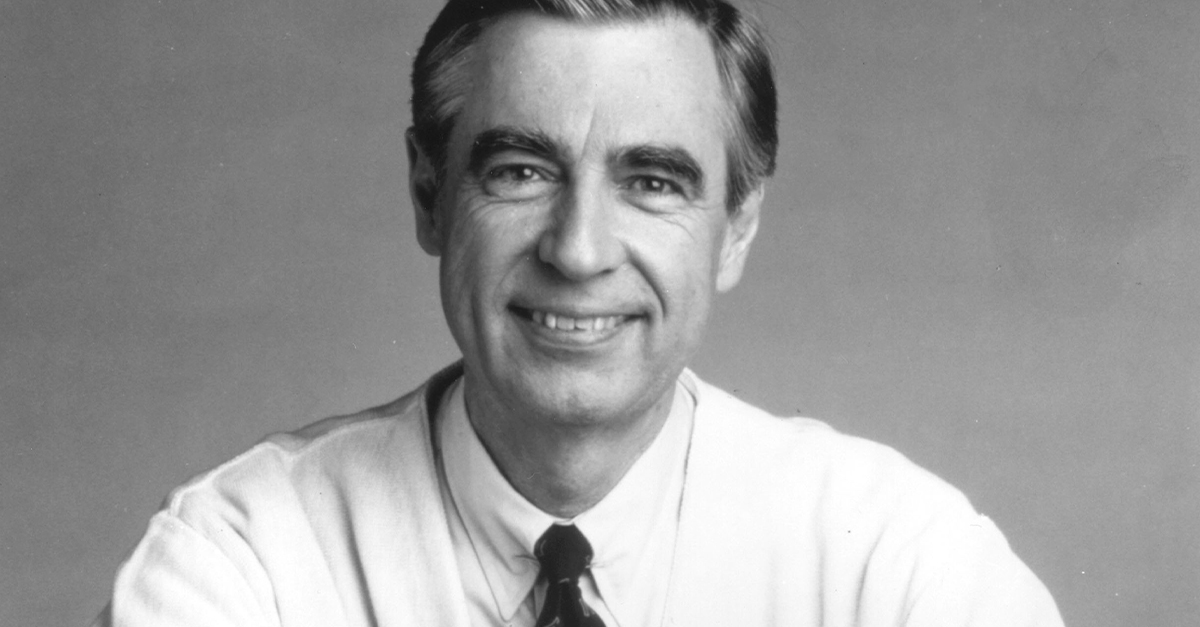
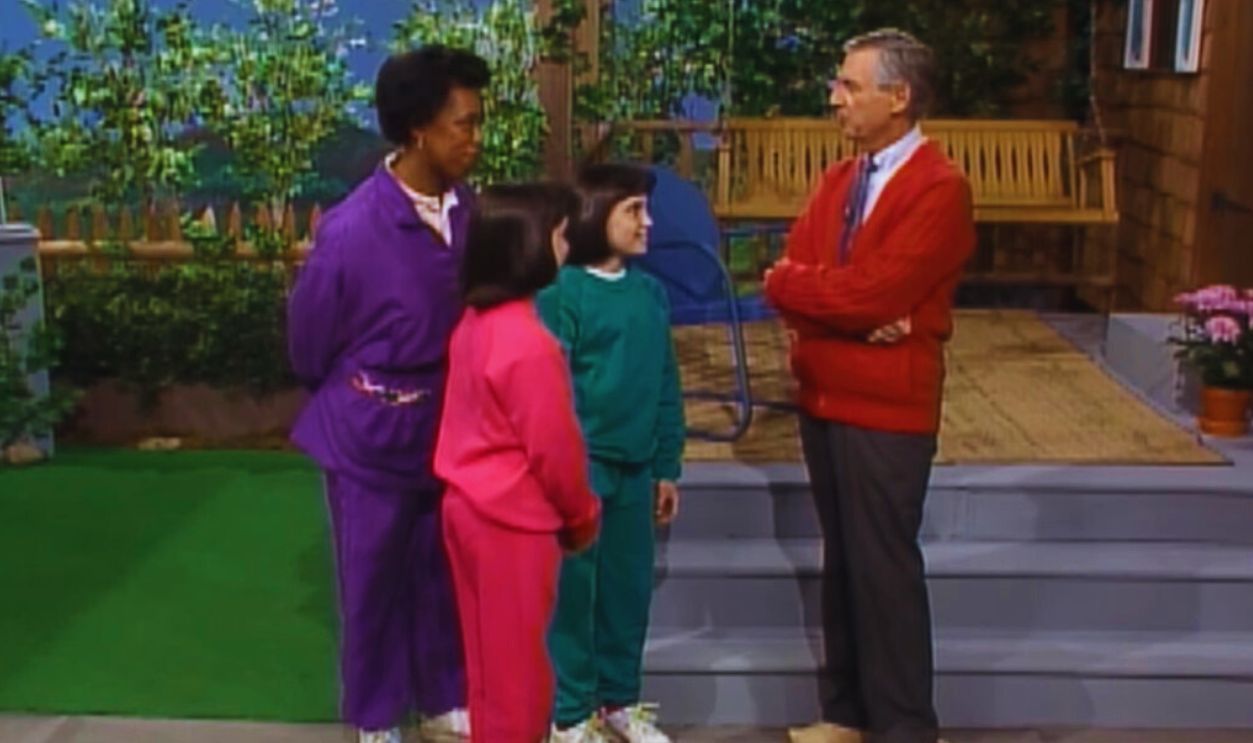
Rogers may have been standing up for other burgeoning programs like his, but there was something truly special about Mister Rogers' Neighborhood that set it apart. While shows like Sesame Street focused more on teaching things like math and the alphabet, Rogers' show taught kids how to deal with their feelings and the problems that life brings.
All the while, he never spoke down to his audience—even when covering difficult topics.
 PBS, Mister Rogers’ Neighborhood (1968–2001)
31. He Never Shied Away
Since the purpose of his show was to prepare children for the world around them, Rogers didn’t see much point in avoiding or dumbing down any topics, no matter how tough they were. Over the course of the program’s life, he covered complex issues like divorce, the loss of a loved one, and even the demise of Robert F Kennedy.
While he had a team of helpers, the sheer amount of work Rogers put into the show was downright jaw-dropping.
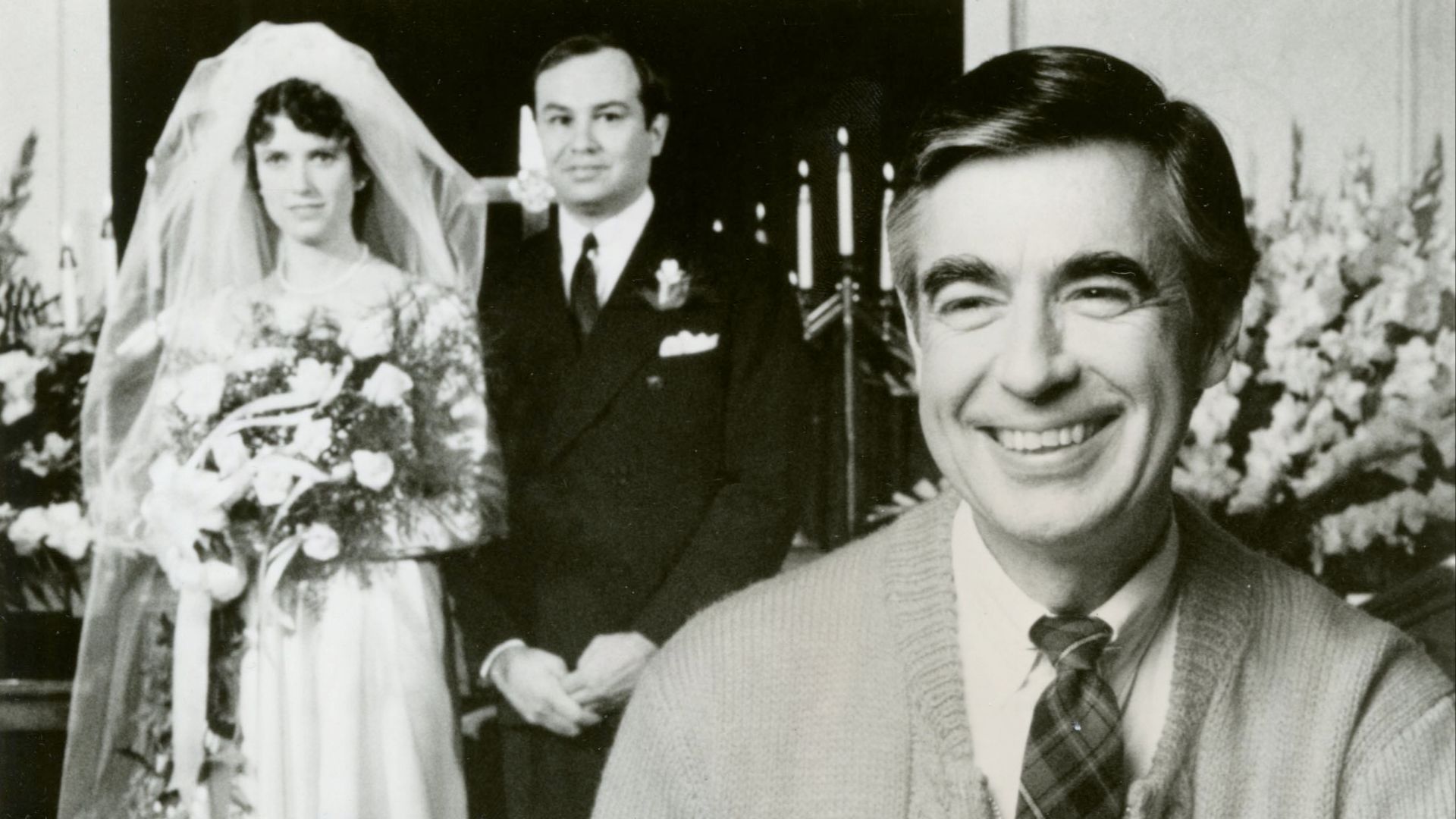
32. He Did It All
Mister Rogers' Neighborhood had gained the funding to become even bigger, but that didn’t mean Rogers slowed down by any means. He still gave his all into every facet of production, writing 200 songs in total, creating all the characters, and writing and editing each episode, all while performing his regular hosting duties.
Despite his busy schedule, though, Rogers went even further.
 PBS, Mister Rogers’ Neighborhood (1968–2001)
33. He Felt A Responsibility
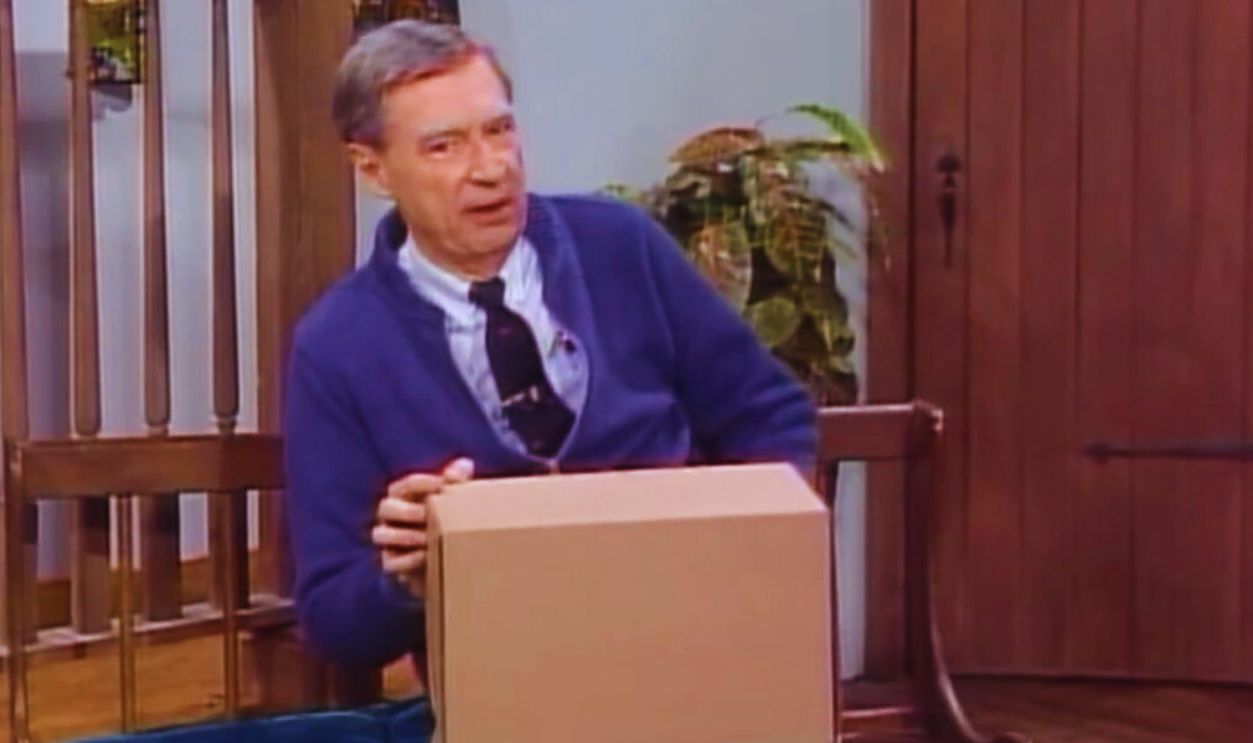
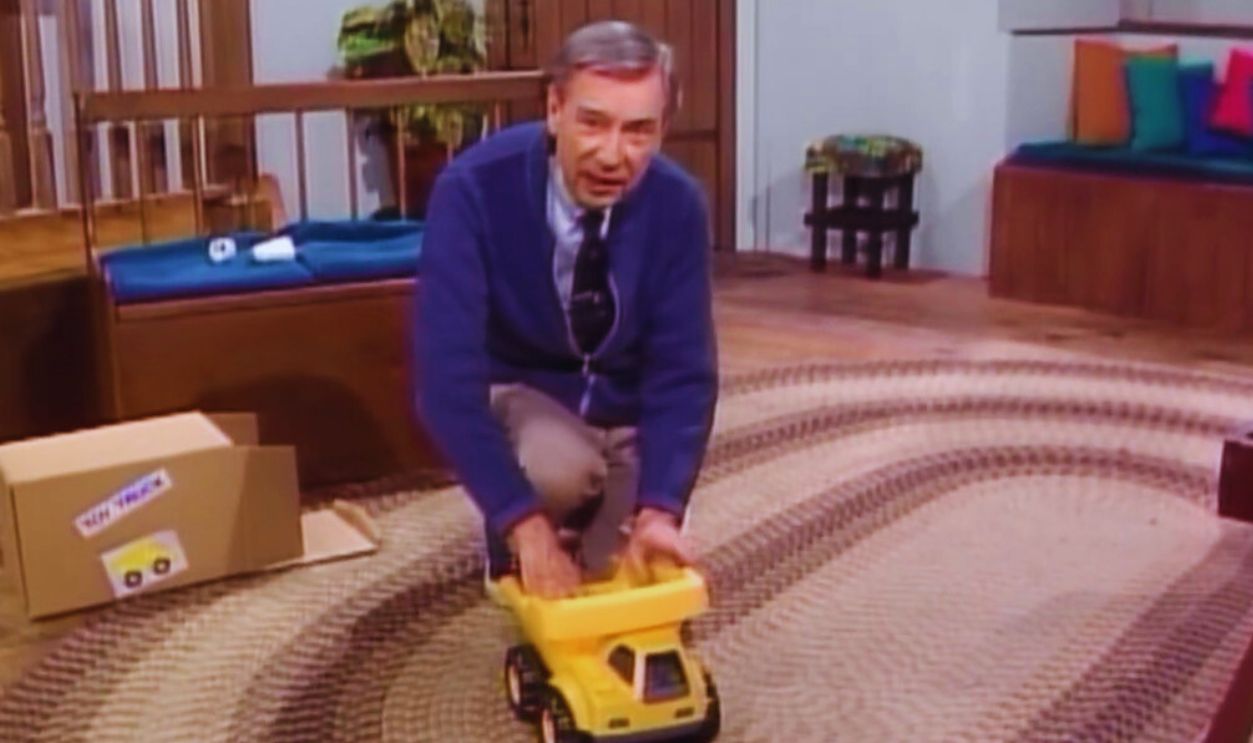
Rogers' dedication to his audience came before anything else in his job, and he made sure that they knew how important they were to him. From the beginning, he would hand-write responses to every letter that a child sent him. Even when he grew much more popular and someone had to take over, he still read and signed each one of them.
Even when it wasn’t on his show, he loved to talk about his work as much as possible.
 PBS, Mister Rogers’ Neighborhood (1968–2001)
34. He Was Charming
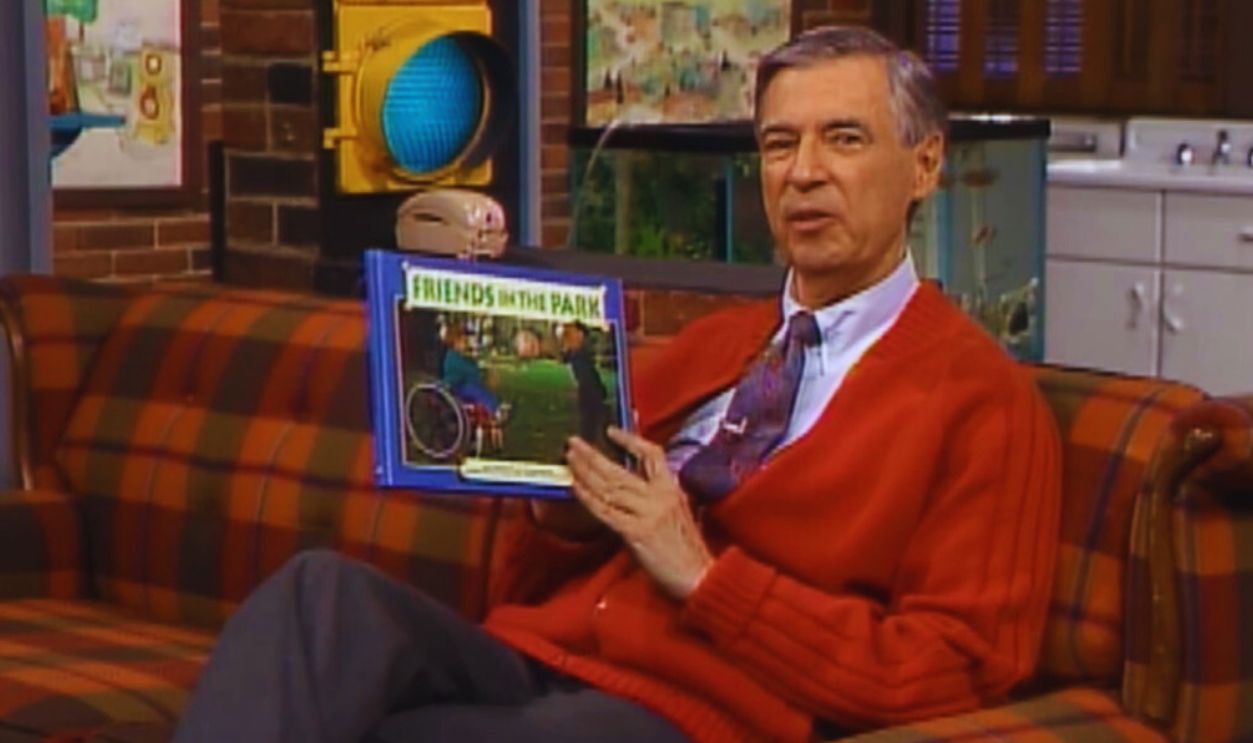
By the 1970s, Rogers had come a long way from when he struggled to make friends and speak up, having traded that shyness for a permanent place in the spotlight. Even though he still felt anxious each time, he began fulfilling more interview requests than he could keep up with, always displaying his “quick wit and ability to ad-lib on a moment's notice".
Naturally, this kind of personability made him one of America’s most sought-after guests—and landed him on a completely different kind of stage.
 PBS, Mister Rogers’ Neighborhood (1968–2001)
35. Everyone Wanted Him
As Fred Rogers had quickly become one of history’s most inspiring figures, requests from more than just talk shows poured in, specifically asking him to give speeches for certain events. Although he still never got over the jitters he felt each time, he would go on to make more than 150 commencement speeches for various colleges and universities.
Beyond that, even the government suddenly wanted his expertise.
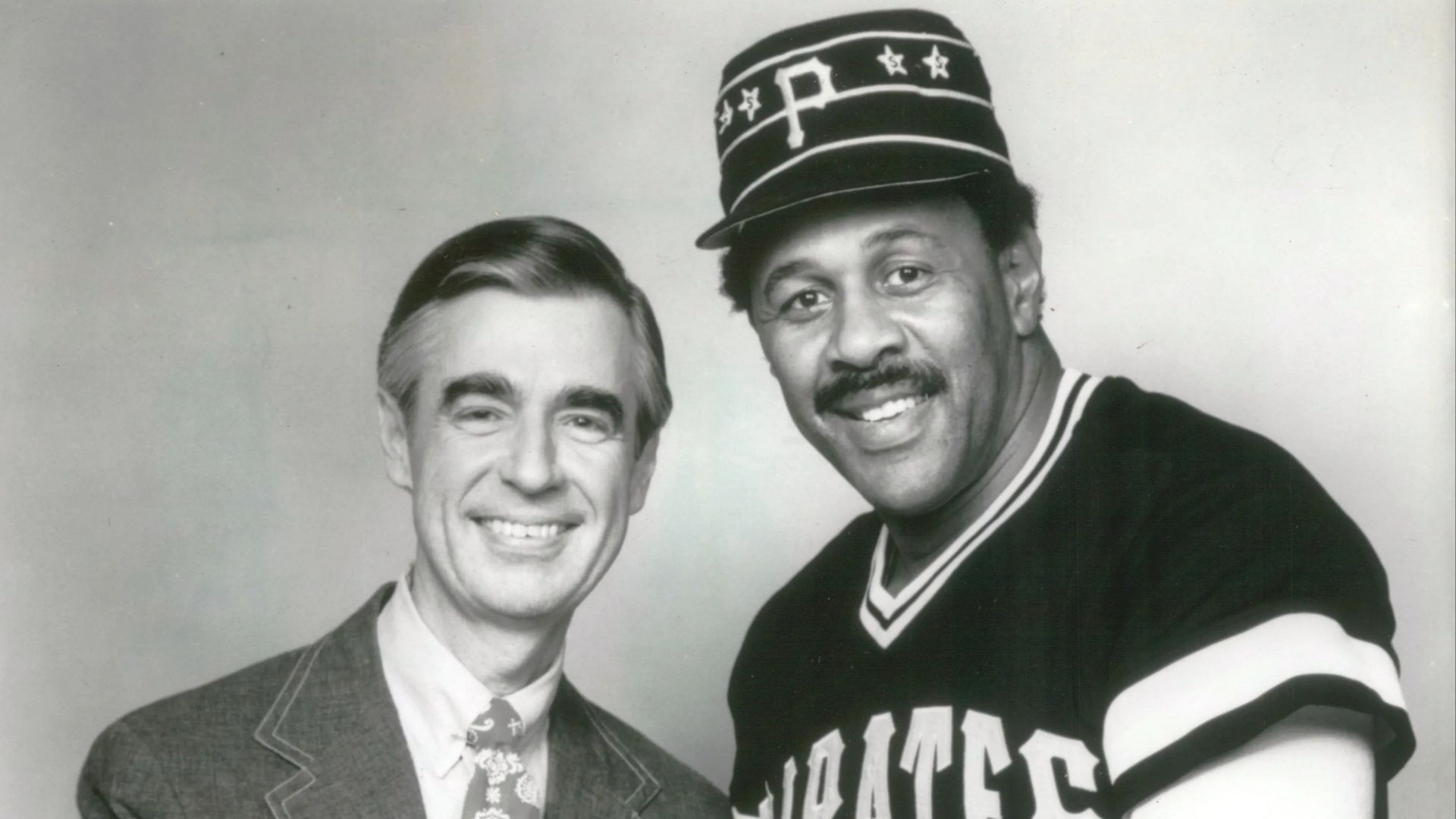 Walt Seng (given in Worthpoint source and Milwaukee Journal Sentinel source), Wikimedia Commons
36. He Was Given A Position
Rogers' inspirational speech before Congress wasn’t the only time he became involved in politics, since he was pulled back in by an unexpected figure in 1970. At the annual White House Conference on Children and Youth, President Nixon named Rogers that year’s chair, believing his perspective would be the most valuable in the room.
As one of the most successful people on TV, he finally created something that was wholly his.
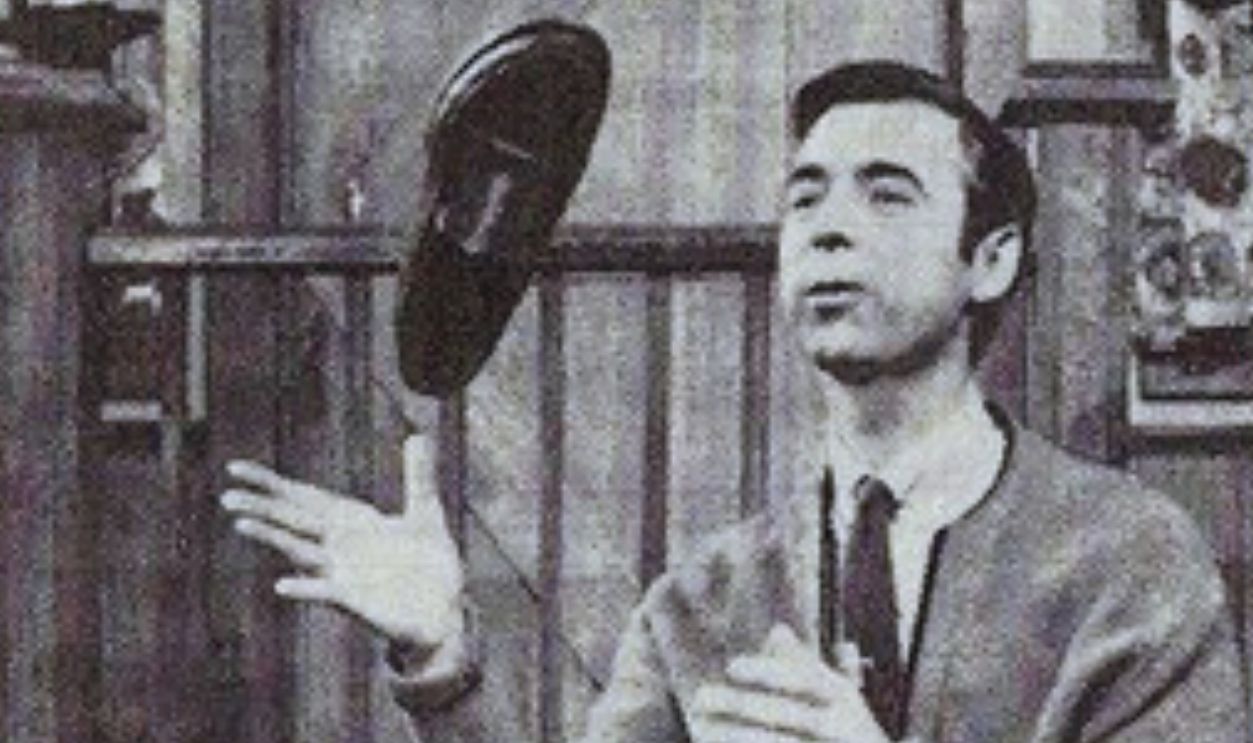 Robert Lerner, Wikimedia Commons
37. He Started His Studio
Rogers loved what he did, and was fortunate enough to enjoy almost complete creative control over his show, but he wanted to take the next step. In 1971, he established his own non-profit organization, Family Communications, Inc, which took over the licensing and production of his show. Even today, the organization has continued to create children’s programming under the name Fred Rogers Productions.
Before much longer, though, Rogers would make a decision that no one saw coming.
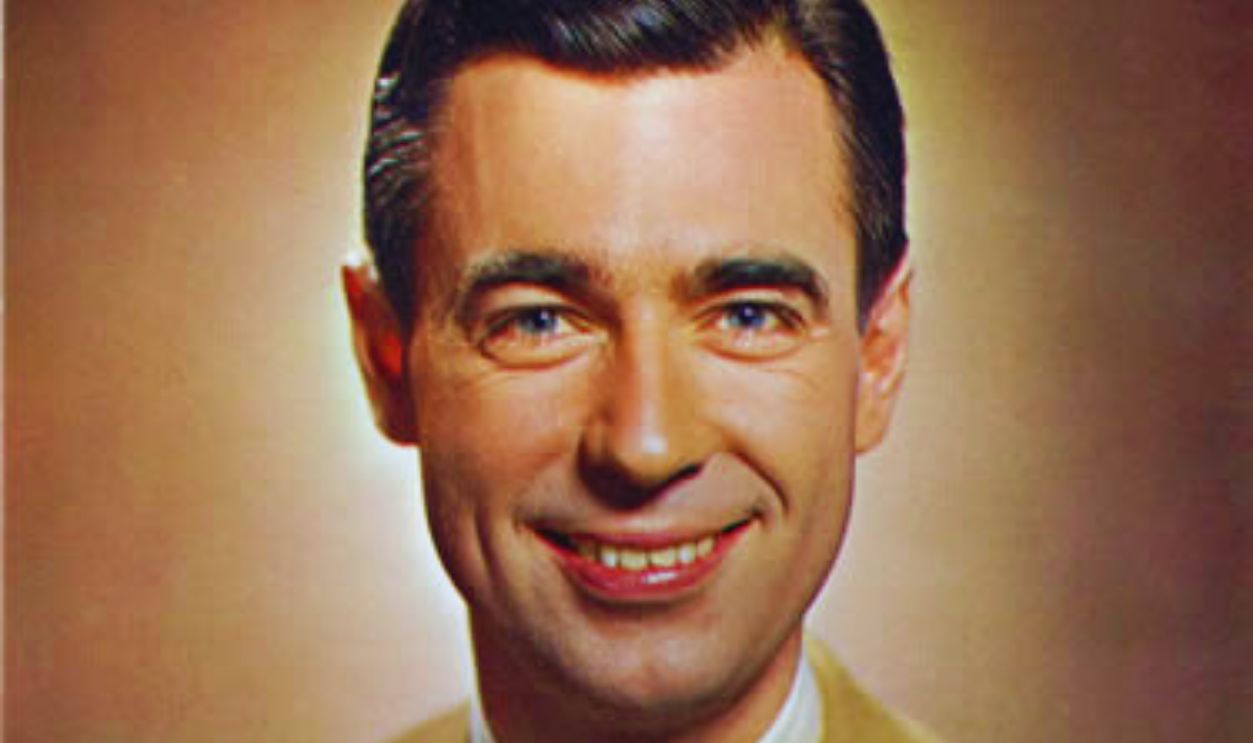 Nebraska Educational Television Network, Wikimedia Commons
38. He Surprised Everyone
In 1975, Rogers made an announcement that shocked everybody, whether they were involved with his show or not—he would stop producing and hosting Mr Rogers' Neighborhood. Although he still believed in the show’s mission, he wanted to get further out of his comfort zone and start working on more adult-focused programming.
Unfortunately, he had already found what he was meant to do, and that wasn’t it.
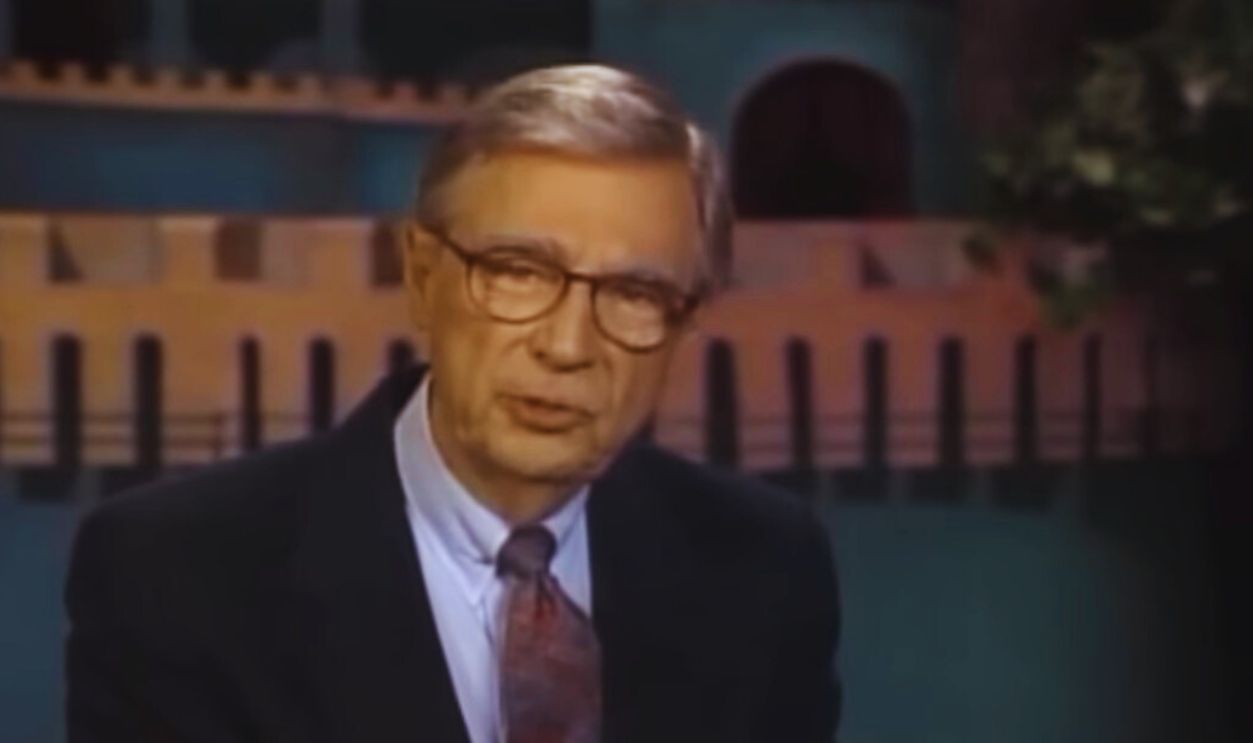 PBS, Mister Rogers’ Neighborhood (1968–2001)
39. He Wasn’t As Successful
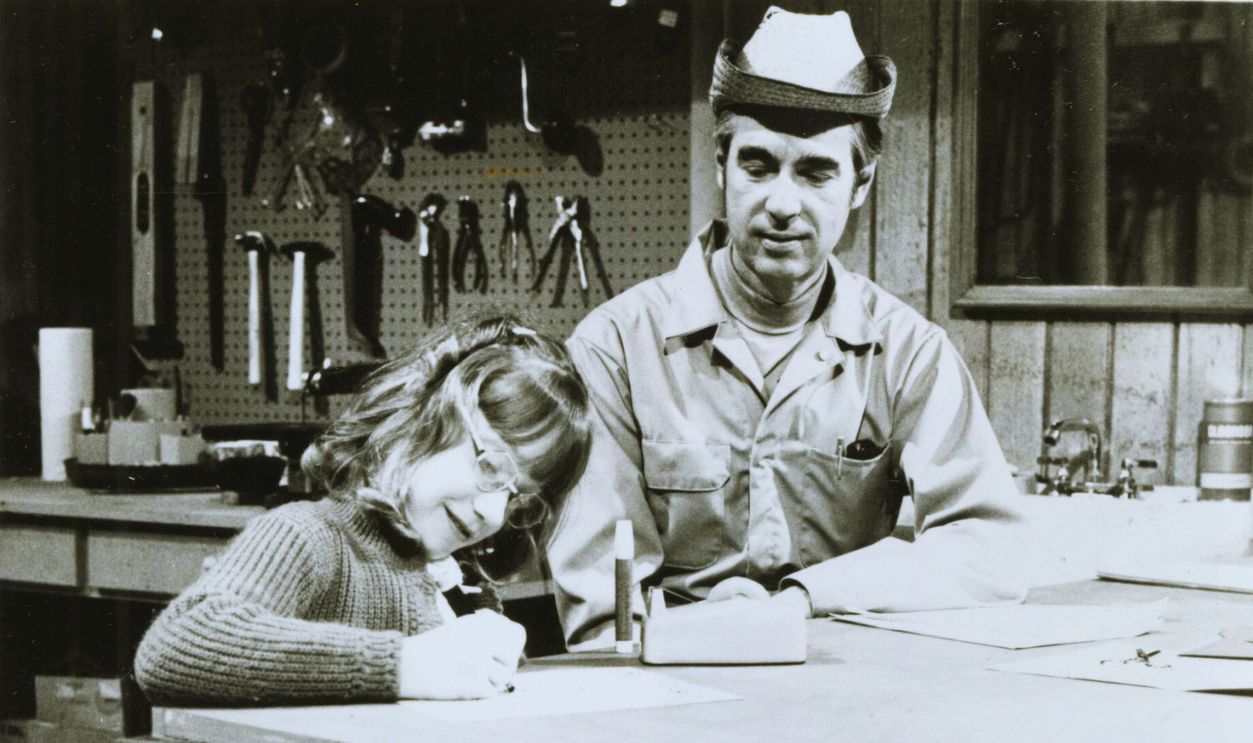
While Mr Rogers' Neighborhood ran reruns, Fred Rogers took the next five years to create programs geared towards an older audience, like the 1978 series, Old Friends ... New Friends. This program had him interviewing different guests each episode, aiming to bridge the gap between older and younger generations, but it performed so poorly that it only aired for 20 episodes.
On the bright side, this period allowed him to rediscover his spark.
 Unknown Author, Wikimedia Commons
40. He Came Back
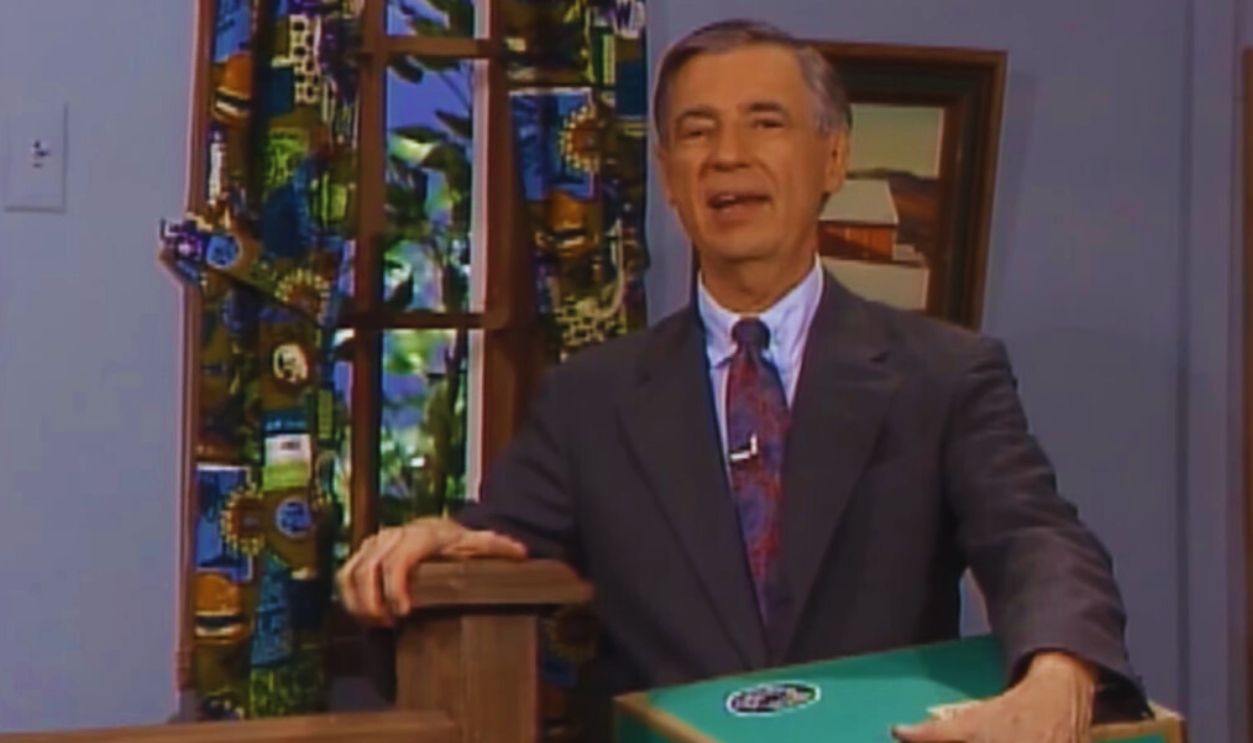
Rogers' hiatus from The Neighborhood may have been unsuccessful, but it wasn’t worthless, especially since one of the reasons he left was to avoid complete burnout. Now that he had gotten a much-needed break, however, he was ready to return. In 1979, he finally took up his role as producer and host again, ushering in an era that many consider even better than the previous episodes.
He was famous before, but now no one would ever forget him.
 PBS, Mister Rogers’ Neighborhood (1968–2001)
41. They Immortalized It
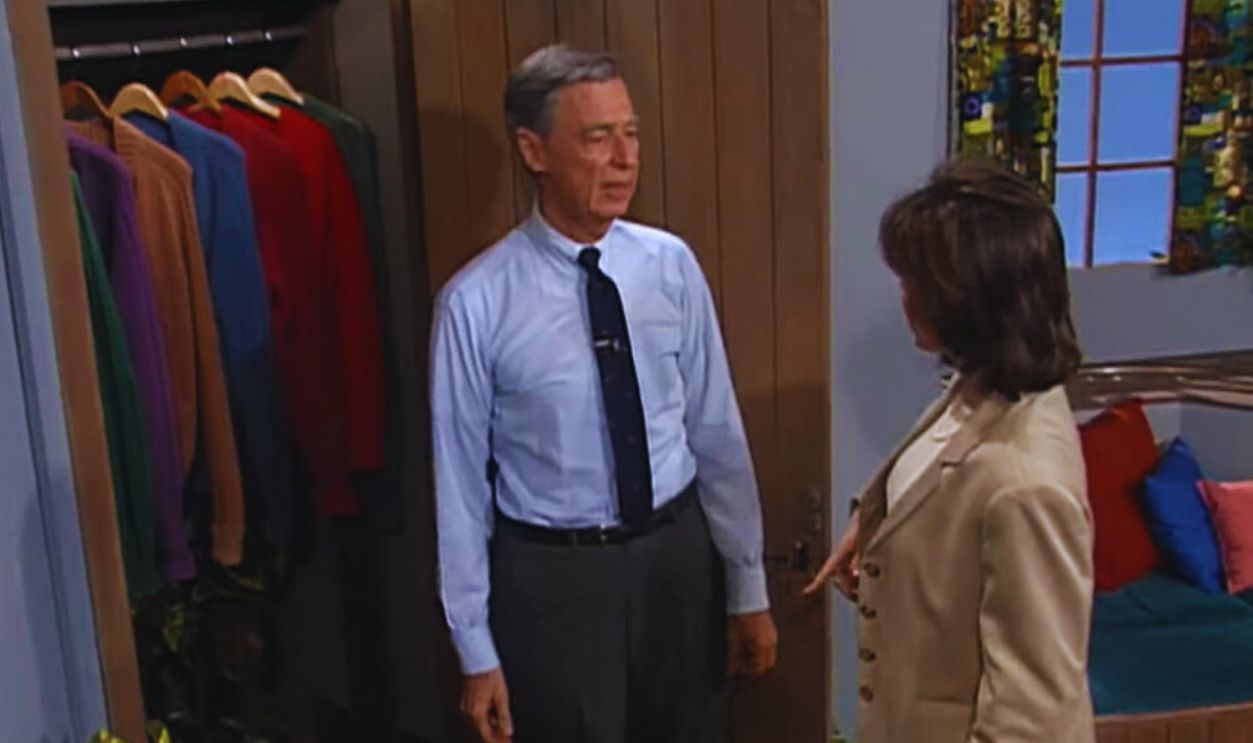
By the 1980s, Rogers had become an integral part of television history, and even though he was still alive and kicking, many wanted to memorialize his legacy for future generations. An iconic detail of the show was the sweaters he wore in every episode, each one lovingly made by his mother.
To celebrate him and the show, the Smithsonian Institution placed one of these sweaters on exhibit in 1984. Even into the next decade, the public couldn’t stop expressing admiration for him.
 Mr. Rogers Gives A Tour of His ICONIC Sweater Closet | 1993 ET Flashback, Entertainment Tonight
42. He Was Honored
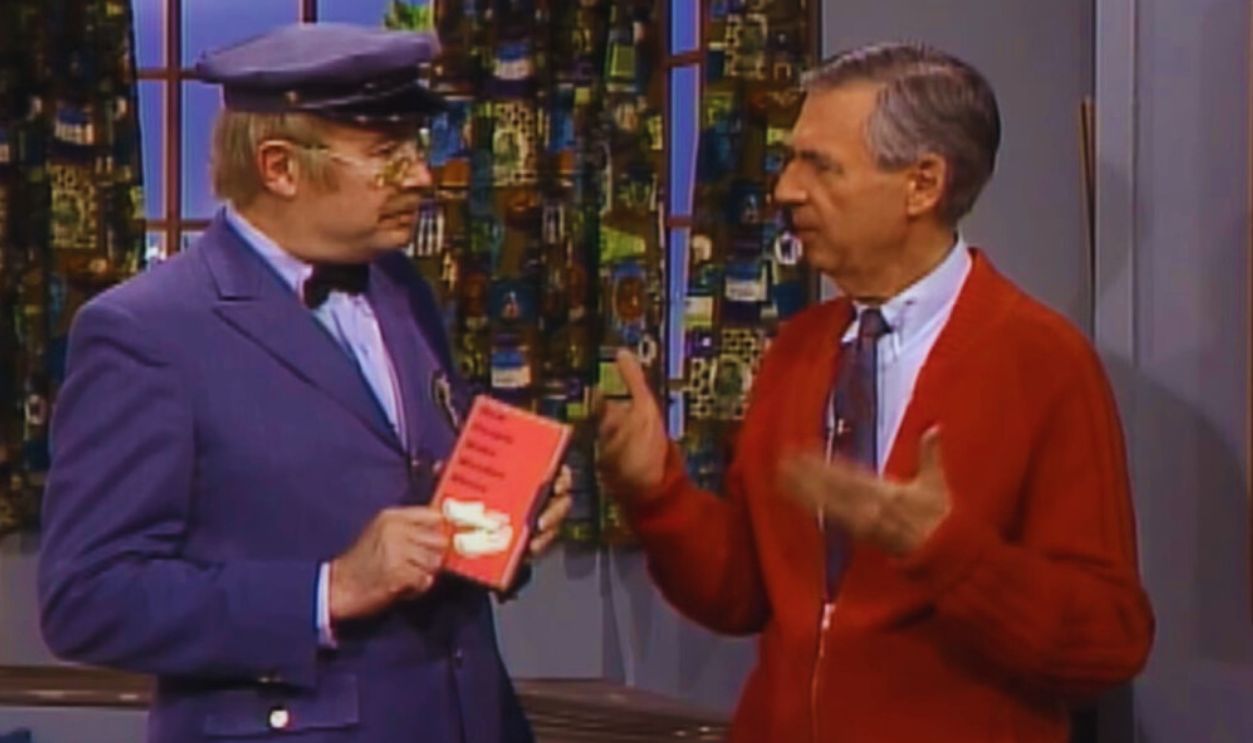
Throughout his decades of television and across 800 episodes, Rogers had not only helped the children watching his show, but also the adults they grew up to be. To commemorate this tremendous impact in 1997, the Emmys gave him a Lifetime Achievement award “for giving generation upon generation of children confidence in themselves”.
Sadly, although he wanted to, he couldn’t keep this up forever.
 PBS, Mister Rogers’ Neighborhood (1968–2001)
43. His Age Caught Up To Him
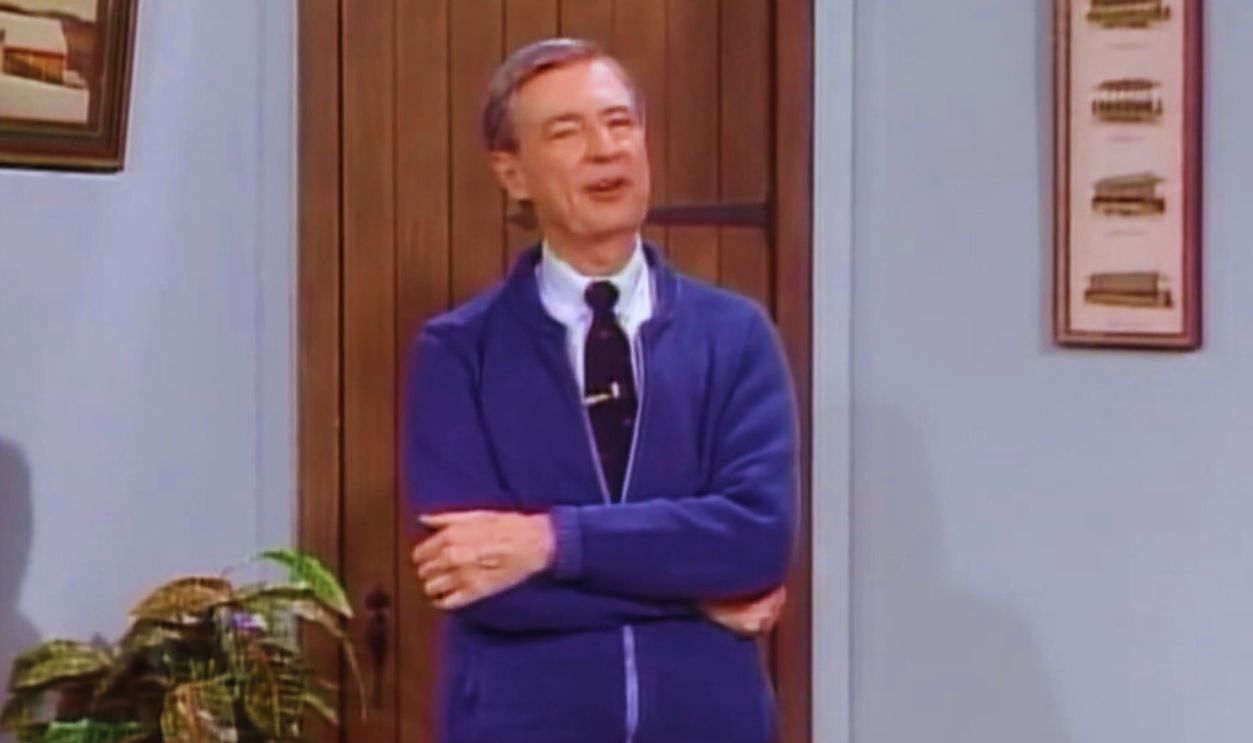
Everyone praised Rogers' commitment to his show, and he took pride in how much of himself he poured into every episode, but the years started taking their toll. By the late 1990s, he couldn’t maintain all the duties he previously enjoyed and had no choice but to step back, only producing about 15 episodes per year.
Eventually, he reached a point where he had to make the most difficult choice of all.
 PBS, Mister Rogers’ Neighborhood (1968–2001)
44. He Said Goodbye
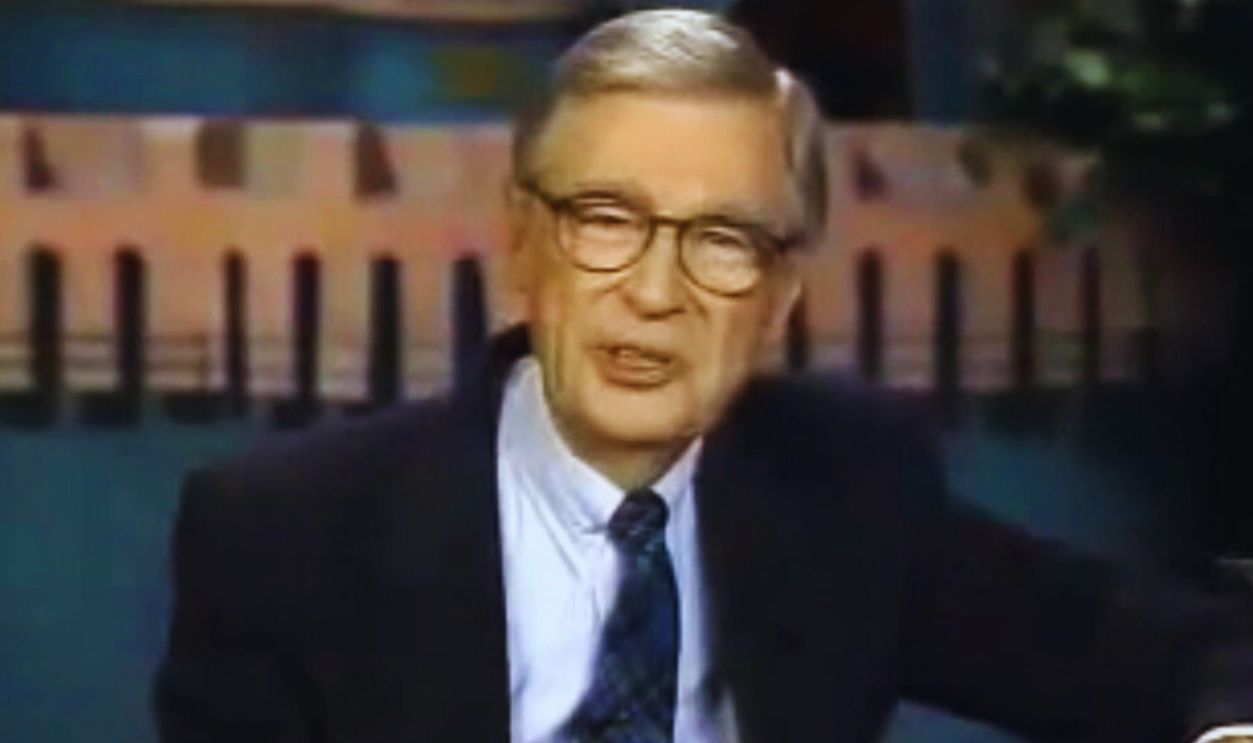
Rogers made it into the new millennium and realized that his time on television was coming to an end, and he would have to make that decision before it was made for him. Finally, in 2001, the 73-year-old host announced his retirement from the show to his shocked fans, airing the final original episode on August 31.
Despite this, he couldn’t keep himself from staying busy in some way.
 PBS, Mister Rogers’ Neighborhood (1968–2001)
45. He Stuck Around
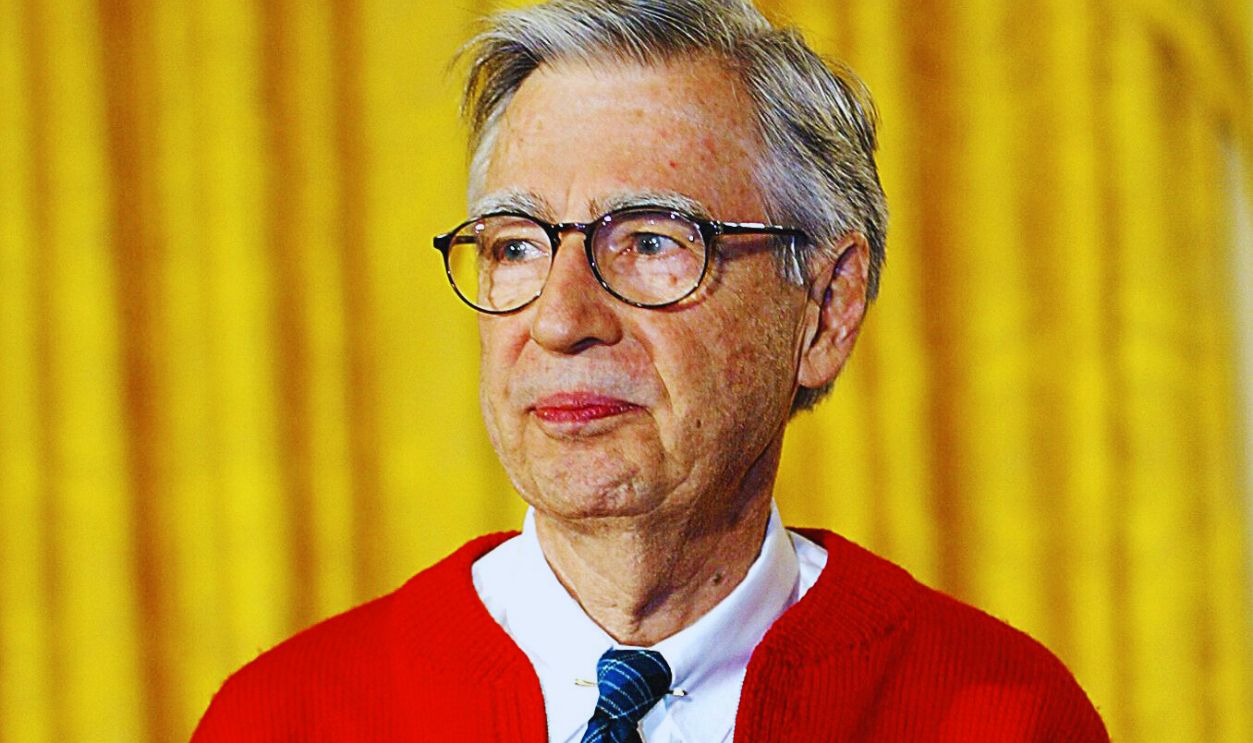
Although he retired from his hosting duties and ended his show’s almost 30-year run, Rogers knew there was still work to be done, even if age had limited his abilities. Staying on at his non-profit, Family Communications, Inc, he continued to appear at events and minister to people in his own way.
Unfortunately, something insidious was going on in the background.
 PAUL J. RICHARDS, Getty Images
46. He Got Checked Out
A year after his retirement, Fred Rogers was still doing everything he could for FCI, but his health had been rapidly declining all the while. What started as stomach pain turned into a chronic condition that required him to visit the doctor. His worst fears came true, and he received a diagnosis of stomach cancer.
Still, Rogers wasn’t about to abandon his work now, even for his own good.
47. He Put It Off
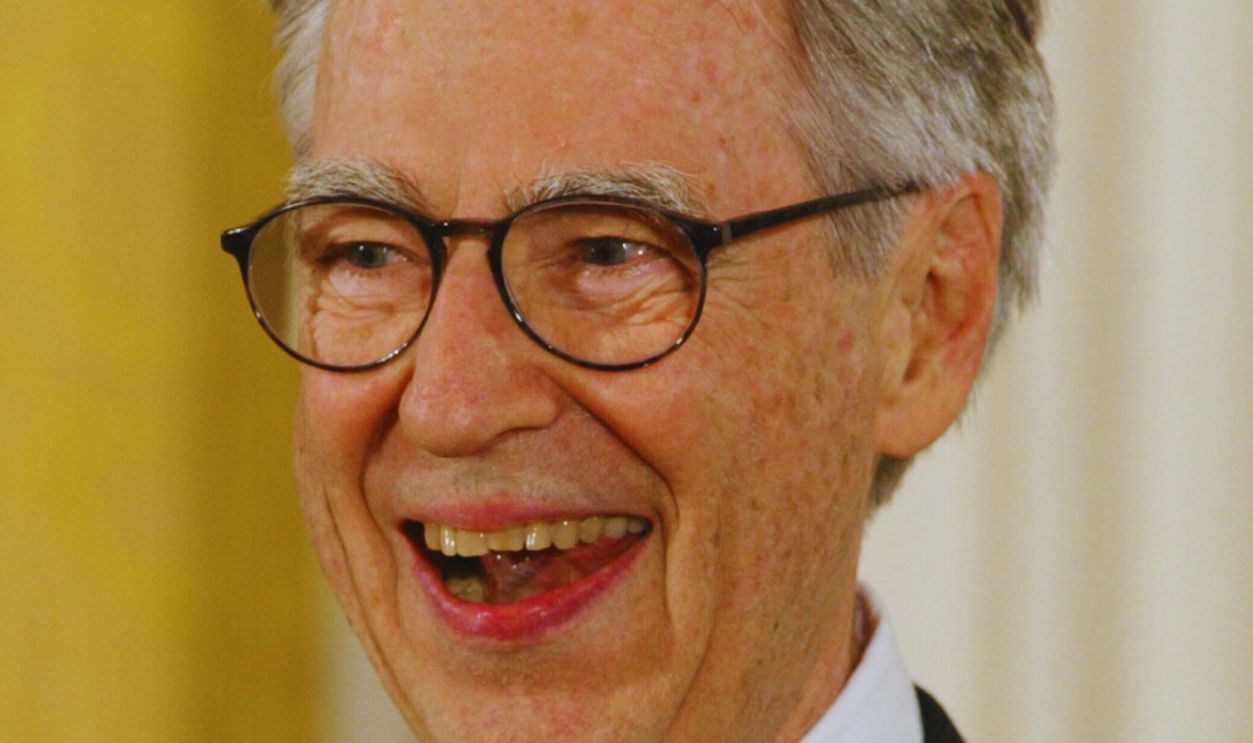
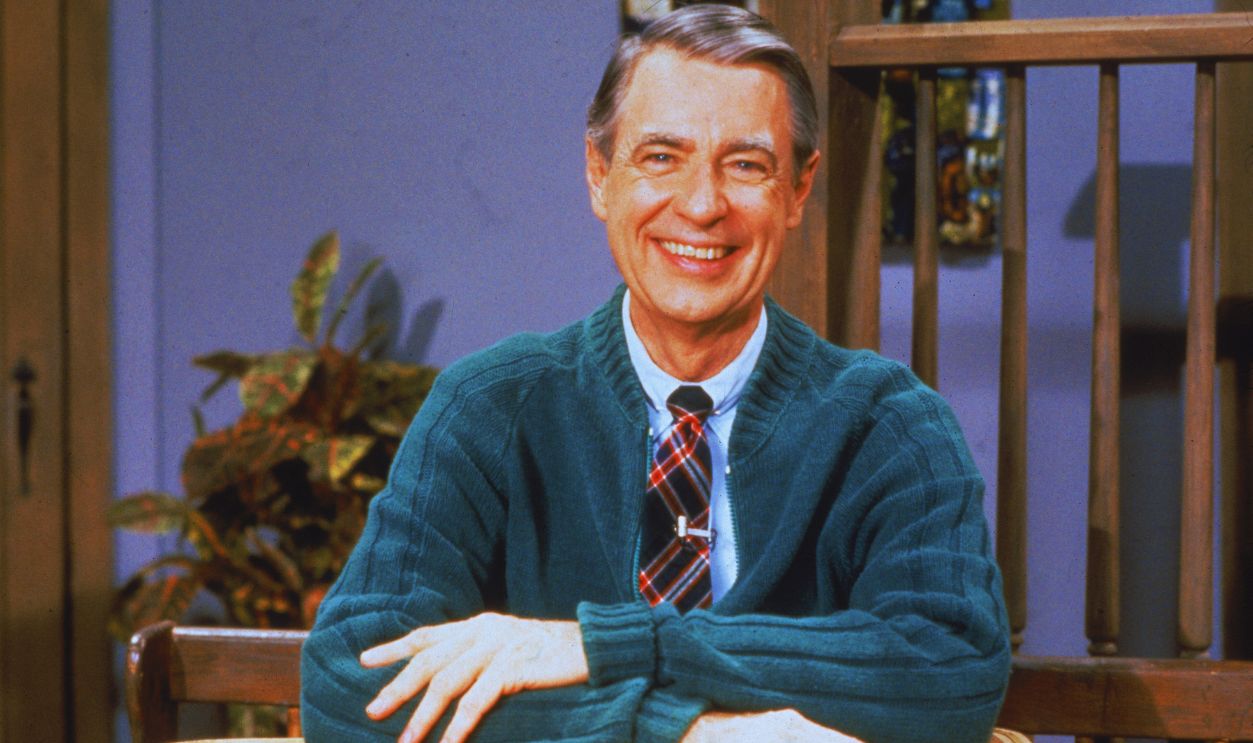
Even after receiving such a devastating diagnosis, Rogers remained devoted to his responsibilities, which likely also served as a way to cope with the diagnosis. While the doctors presented him with treatment options, his schedule was full, and he decided to delay these treatments for months, until after he appeared in the Rose Parade as Grand Marshal.
After a long and accomplished life, Fred Rogers' time was almost up.
 Fotos International, Getty Images
48. His Story Came To An End
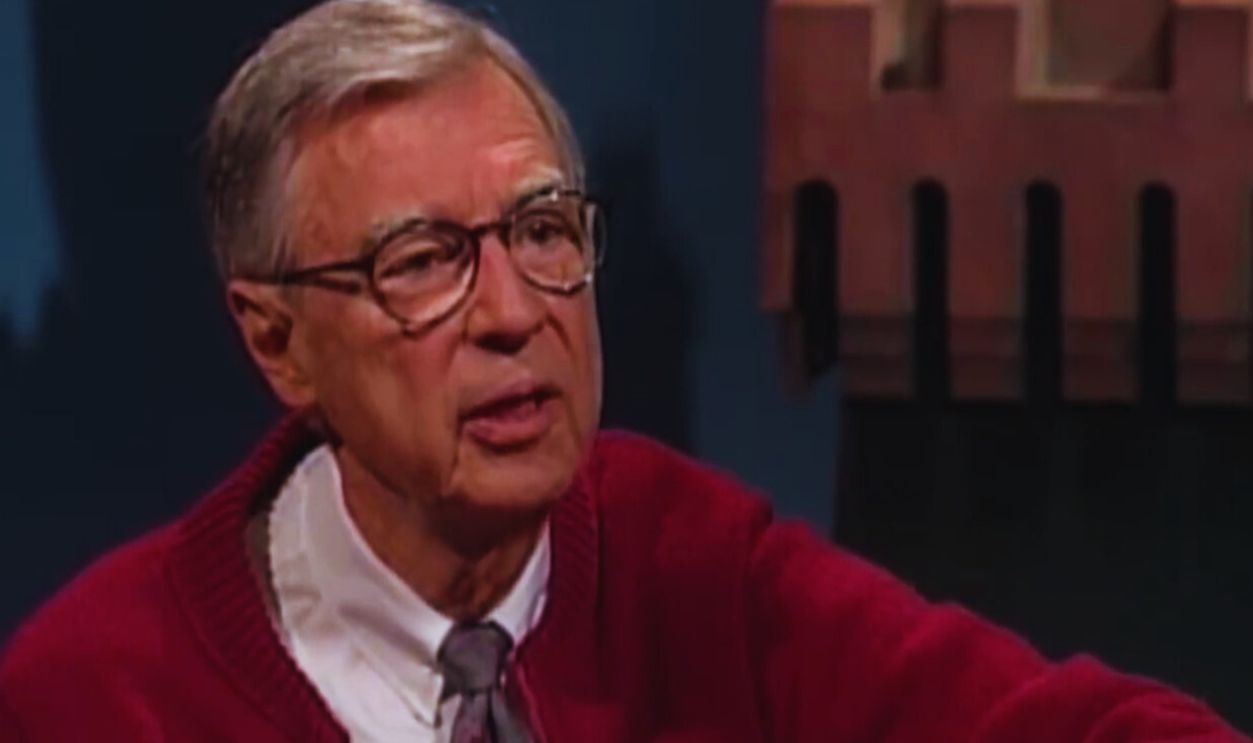
Once his schedule opened up and he allowed himself to take a break, Rogers underwent surgery to treat his stomach cancer. Tragically, this surgery only helped so much, as he swiftly declined over the following months. On February 27, 2003, while at home with his wife, Joanne, he succumbed to his illness and passed.
Being so ingrained in the lives of millions, the loss of Rogers hit everyone hard.
 PBS, Mister Rogers’ Neighborhood (1968–2001)
49. They All Missed Him
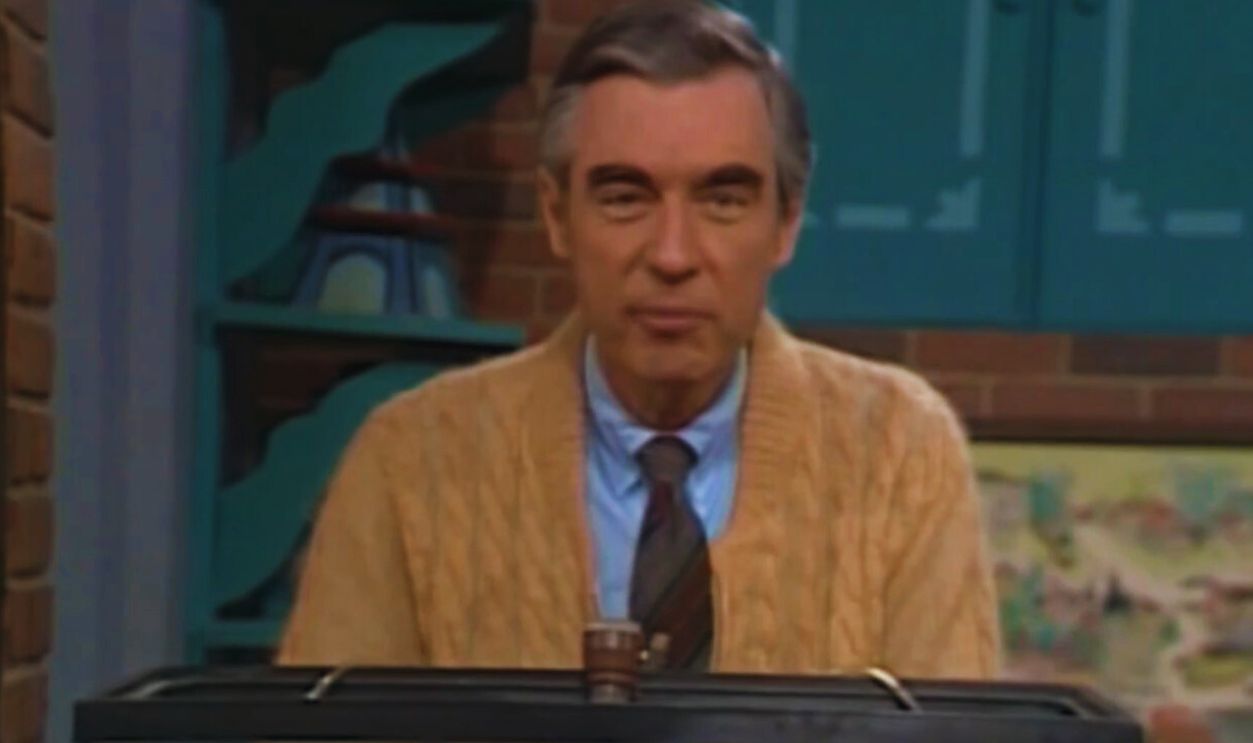
For many, whether they knew him or not, losing Fred Rogers was like losing America’s dad. One day later, the news of his passing spread across the country, and the Pittsburgh Post-Gazette later reported that by noon, countless people had taken to the internet to highlight his monumental impact.
Even today, his legacy endures in exactly the way he would have wanted it to. However, there is one chapter of his life that some have looked at through a lens of scandal.
 PBS, Mister Rogers’ Neighborhood (1968–2001)
50. He Made A Strong Impression
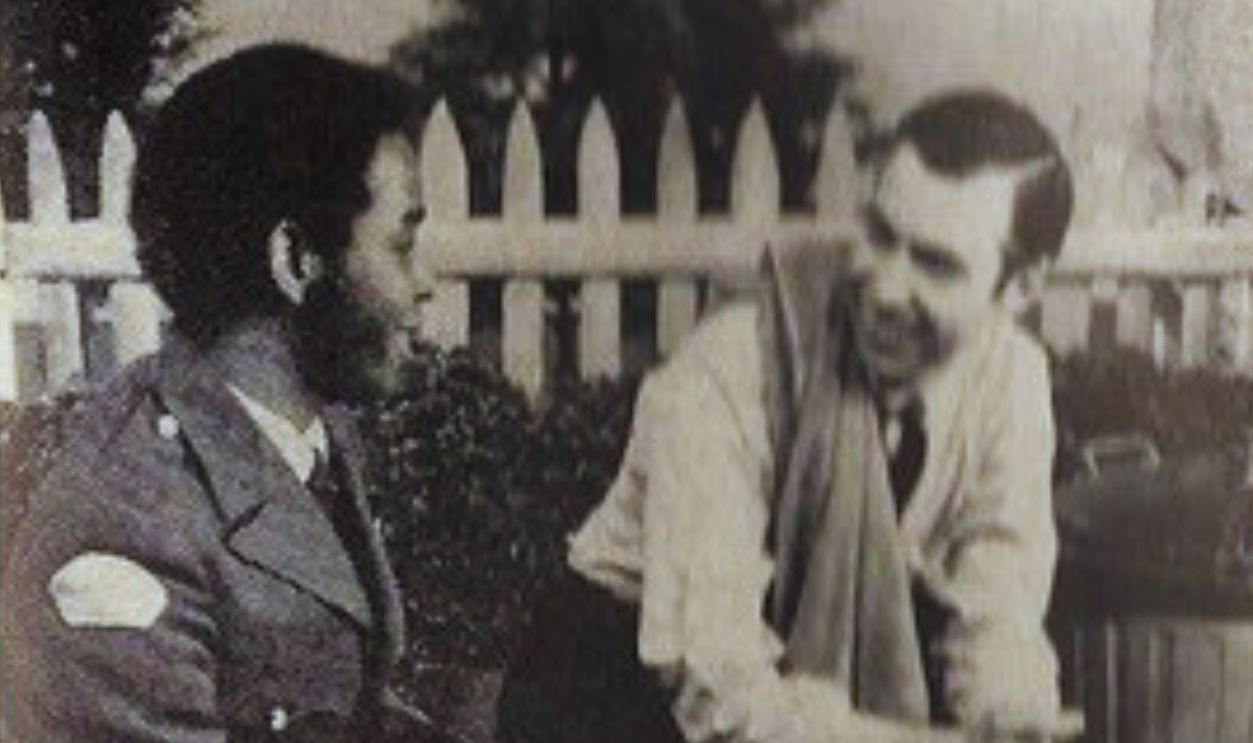
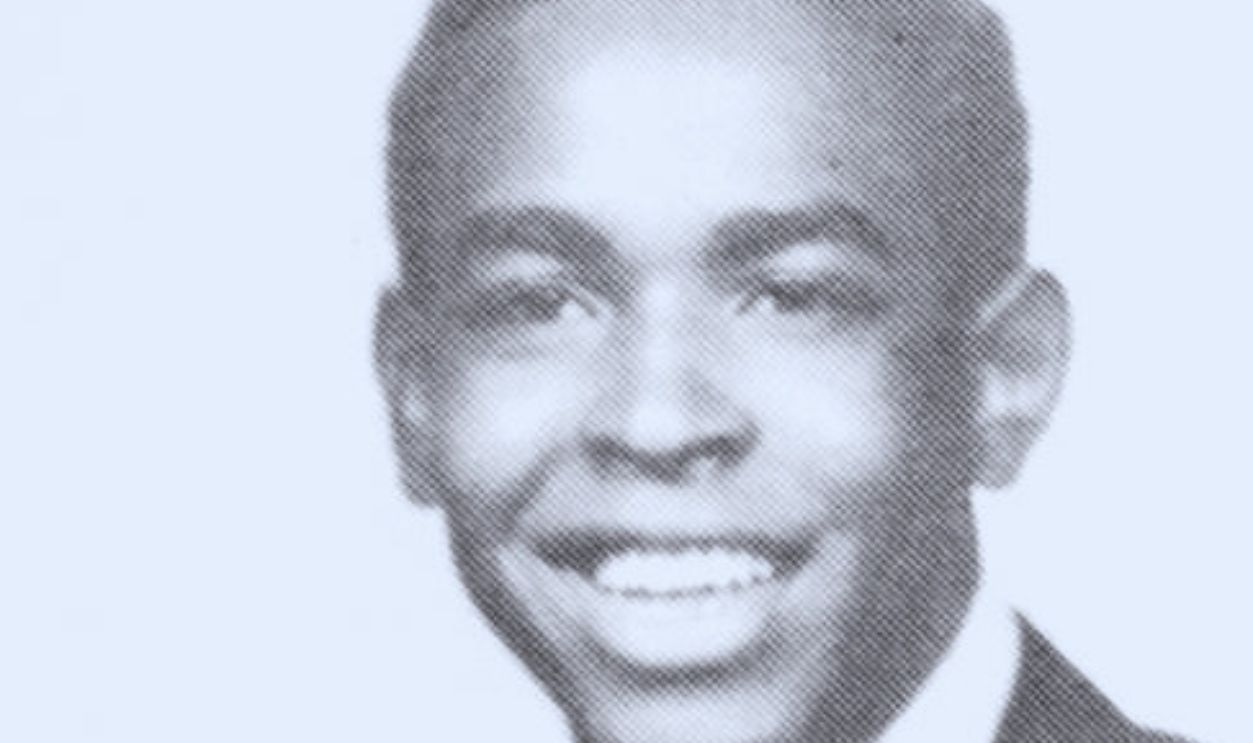
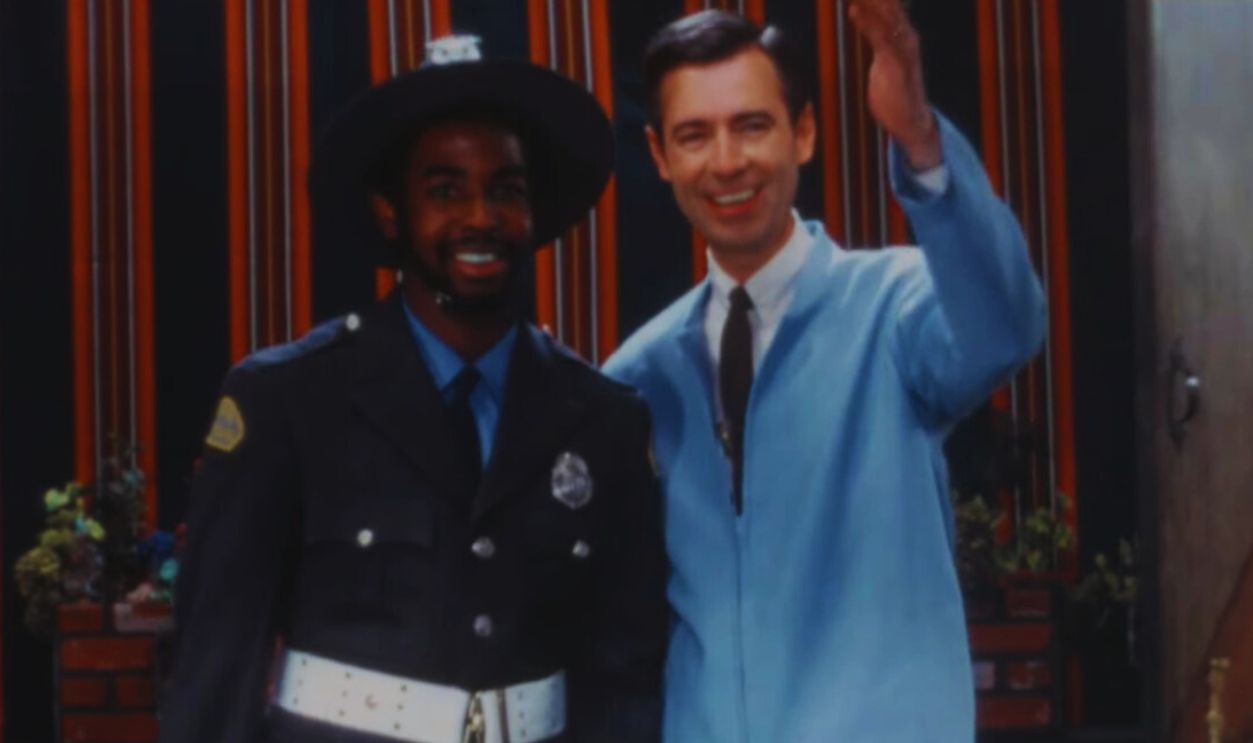
The singer and actor François Clemmons was best known for his role as Officer Clemmons in Mister Rogers' Neighborhood—but there was more to his relationship with Rogers than met the eye. Rogers met Clemmons at church while he was still in graduate school. Clemmons later wrote about their first encounter, noting how authentic and warm Rogers was with him: "His eyes hugged me without touching me".
It was a fateful encounter, but complications were bound to surface.
 Robert Lerner, Wikimedia Commons
51. His Co-Star Had A Secret
To begin with, as a Black man, Clemmons felt conflicted about stepping into the role of a police officer. Secondly, Clemmons was also a gay man—something that undoubtedly raised red flags for Rogers. According to Clemmons' memoir, Rogers was genuinely worried about the success of his show if Clemmons ever came out.
The advice Rogers gave Clemmons lives on as one of his most controversial moments.
 The Stofan Studio, Wikimedia Commons
52. He Told Him To Stay In The Closet
As Clemmons wrote in his book, Rogers told him, "I want you to know Franç, that if you're gay, it doesn't matter to me at all. Whatever you say and do is fine with me, but if you're going to be on the show as an important member of The Neighborhood, you can't be out as gay...I wish it were different, but you can't have it both ways. Not now anyway".
Rogers didn't stop there.
 PBS, Mister Rogers’ Neighborhood (1968–2001)
53. He Urged Him To Marry A Woman
Reportedly, Rogers also asked Clemmons a shocking question: "Have you ever thought of getting married?" Rogers really didn't want Clemmons' scandalous secret to come out, urging him to marry a woman. Clemmons was devastated, but he ultimately followed his mentor's advice and wed La-Tanya Mae Sheridan.
But there was no "happily ever after" here.
 PBS, Mister Rogers’ Neighborhood (1968–2001)
54. He Forgave Him
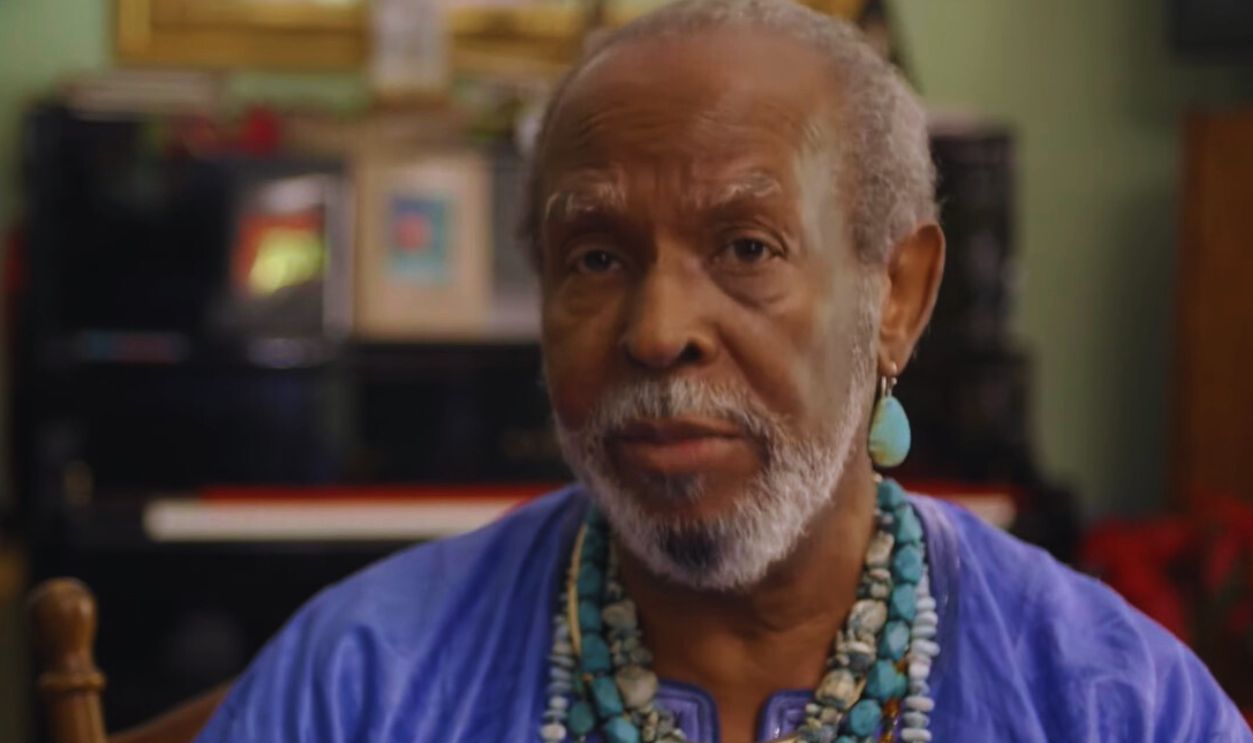
Perhaps, unsurprisingly, Clemmons' marriage ended in 1974. What's more? He ultimately forgave Rogers for pressuring him to hide his true self: “Lord have mercy, yes, I forgive him. More than that, I understand. I relied on the fact that this was his dream. He had worked so hard for it. I knew Mister Rogers’ Neighborhood was his whole life".
Though this might be the darkest part of Rogers' legacy, both he and Clemmons were able to make a big impact in another way.
 Focus Features, Won’t You Be My Neighbor? (2018)
55. He Wanted Equality
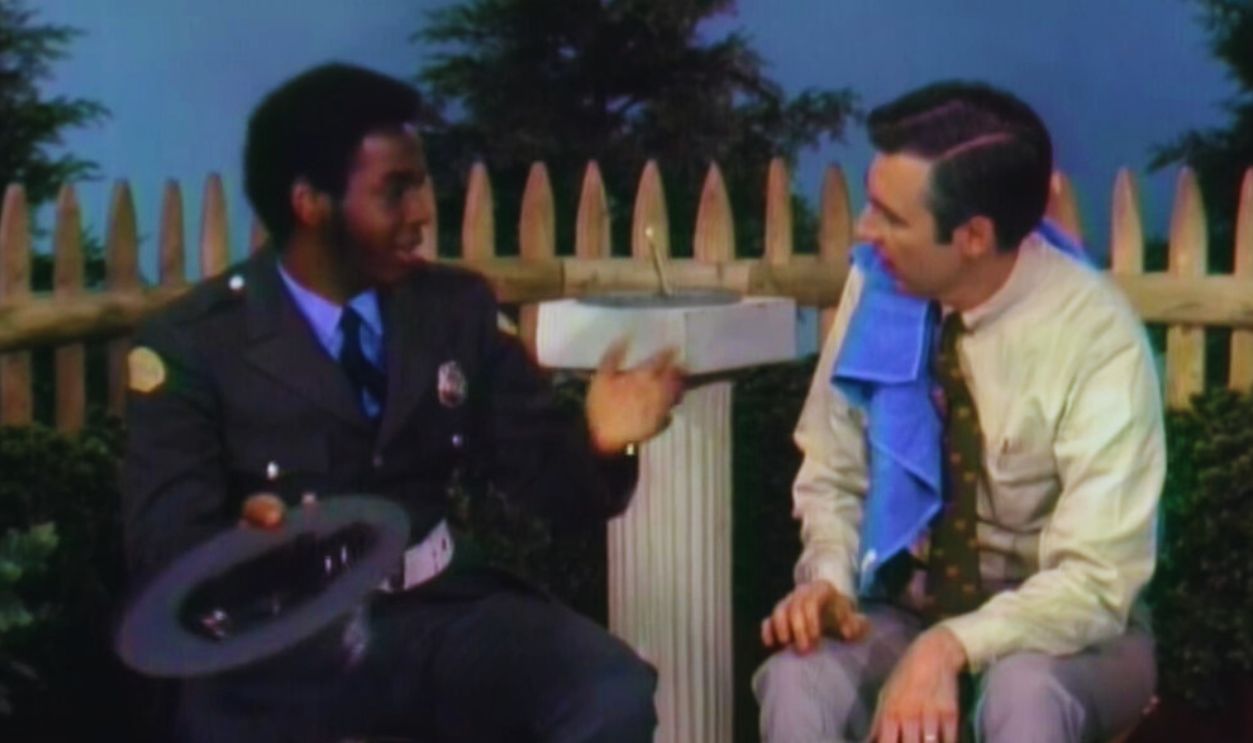
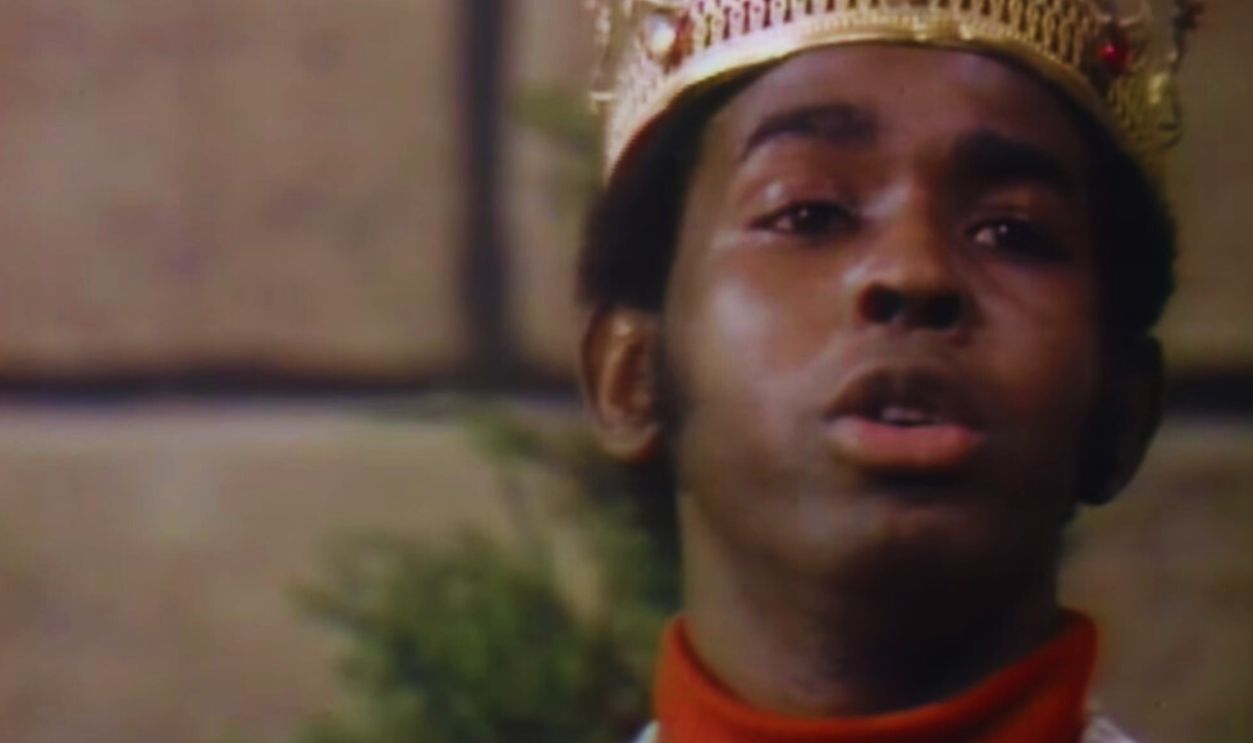
Though he couldn't come out as gay, Clemmons' role on the show was still extremely important and unconventional. As one of the first Black men to have a recurring role on a children's television show in the US, his character as both a good neighbor and an officer made a statement. After all, race relations were even more fraught than they are now. In 1969, community swimming pools that welcomed Black folks were considered controversial.
Rogers tackled this issue of inequality on his show, with one episode standing out, in particular.
 Focus Features, Won’t You Be My Neighbor? (2018)
56. He Made A Statement
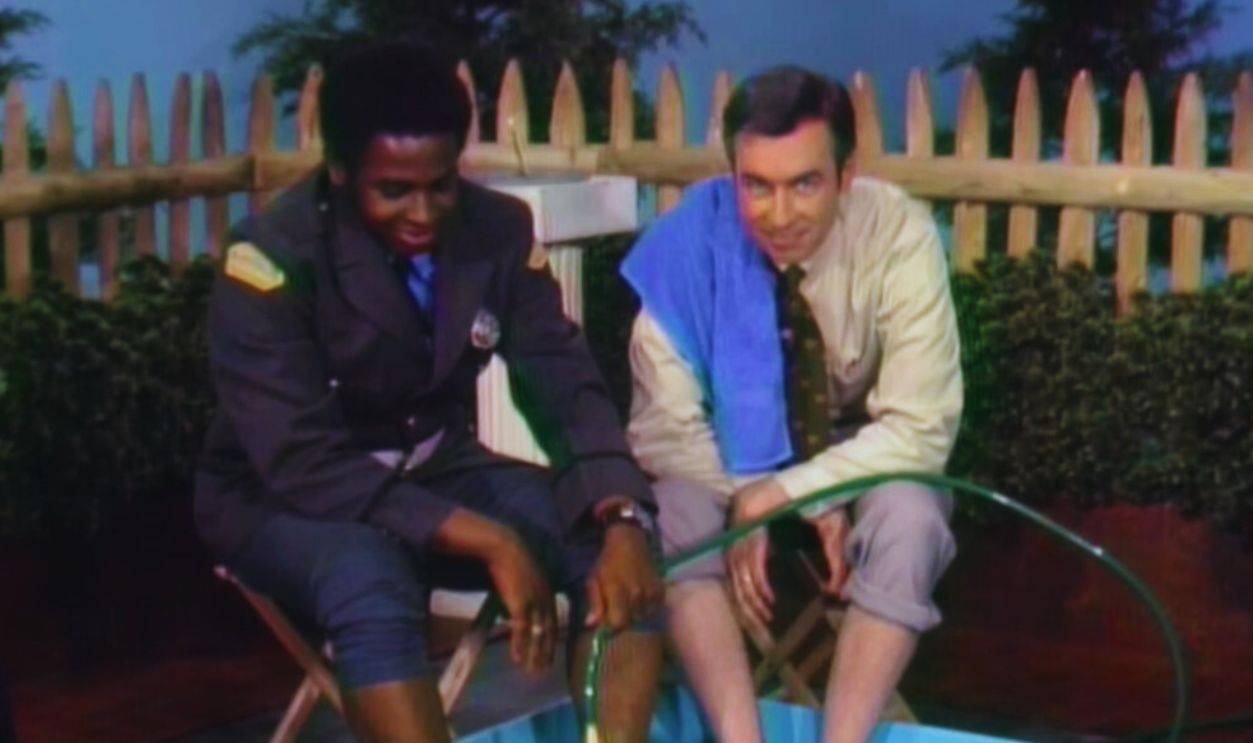
In one episode, Mr Rogers asks Officer Clemmons if he'd like to cool off by soaking his feet in a kid-sized wading pool. Both men sat next to one another and placed their feet in the same pool, ultimately drying off with the same towel. It was a strong political message, communicated in an effective yet simple way.
 PBS, Mister Rogers’ Neighborhood (1968–2001)
57. He Helped Everyone
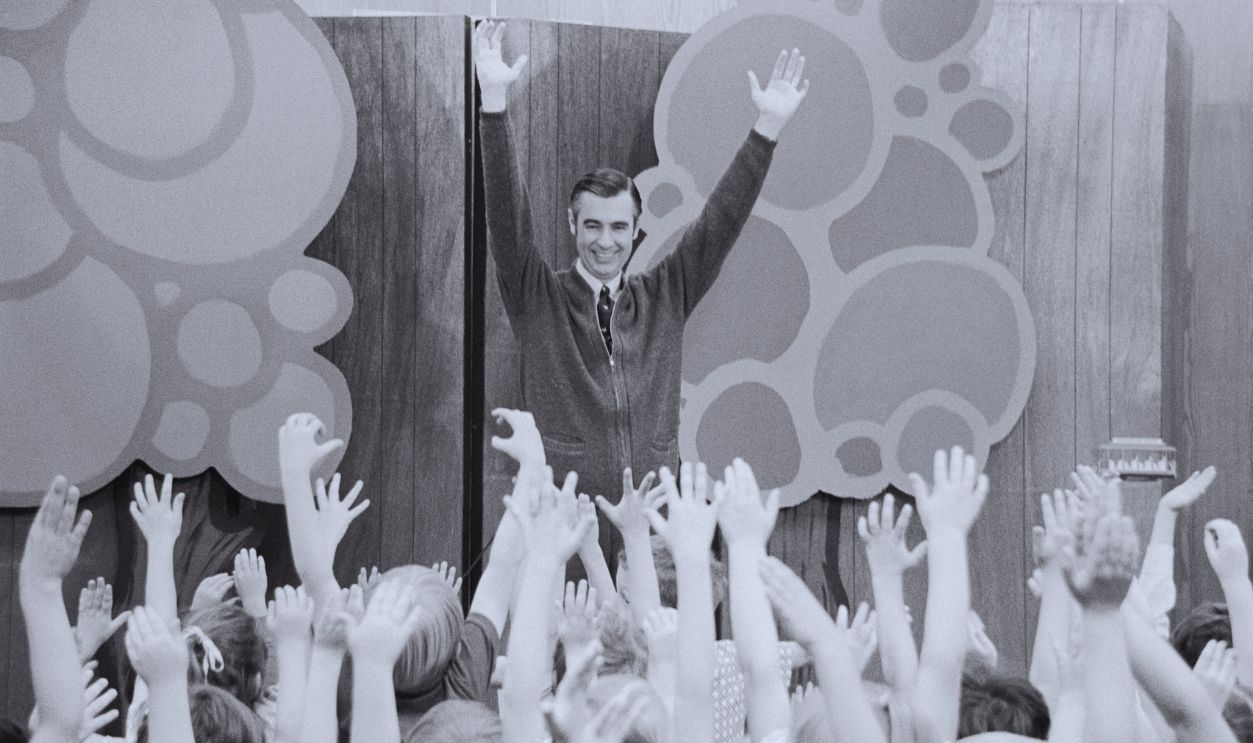
Fred Rogers may have begun with a purpose of teaching children to deal with life, but he accomplished so much more than that. For most, he became a welcome constant who helped his viewers overcome many frightening or miserable times in history, even up to the September 11 attacks.
Going further, his memory has continued to have the same effect to this day, allowing people to find comfort in recordings of his show during times of hardship.
You May Also Like:
Johnny Carson Wasn’t So Charming Behind The Scenes