
9. They Couldn’t Have Any More
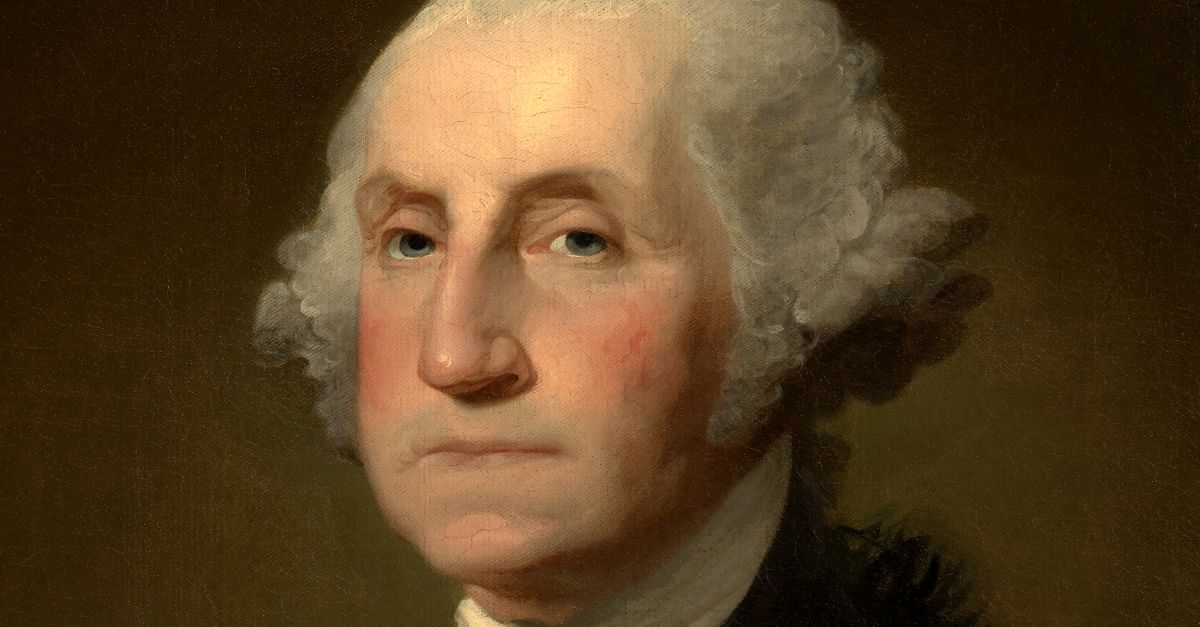
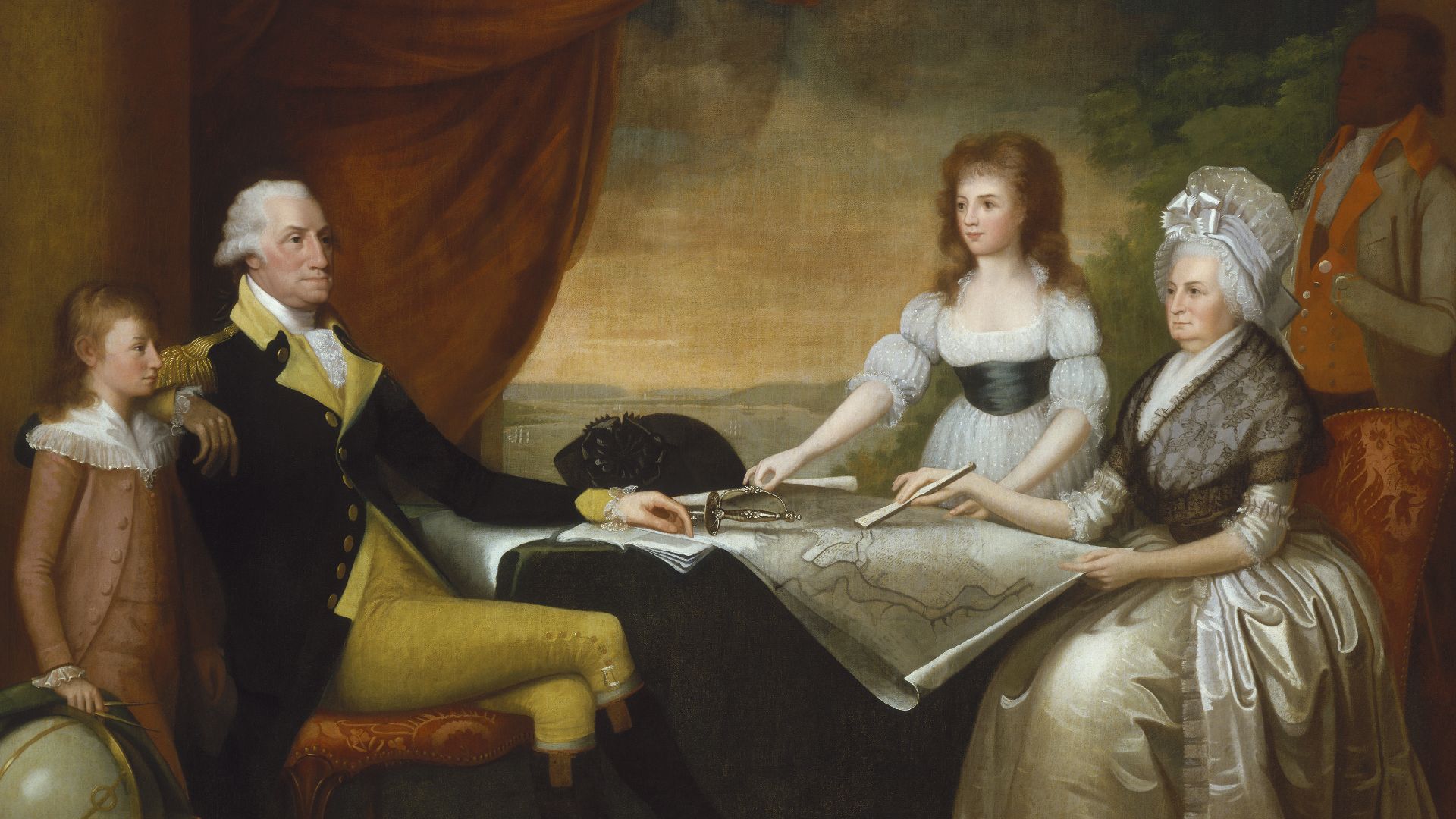
Martha married one other man before Washington, who had tragically perished, leaving her with four children to raise on her own. Fortunately, Washington was happy to take them in as his own children after marrying her, but this was as big as their family would grow. Some say that complications during Martha’s final pregnancy were the issue, while others point to Washington’s possible sterility, but one thing was certain—they couldn’t have children.
This wasn’t the only health problem plaguing him throughout his life, though.
 Edward Savage, Wikimedia Commons
10. He Had Replacements
One of the most prevalent urban legends about George Washington is that, out of necessity, he had a full set of wooden dentures—but this wasn’t exactly the case. While it’s true that he experienced some major tooth decay that caused nearly all his teeth to fall out, it’s far more likely that he wore dentures made from the teeth of slaves, if not false teeth created from metal or ivory.
Regardless, he soon had much bigger things to worry about.
![Bain News Service,, publisher.
G. Washington's teeth
[between 1910 and 1915]
1 negative : glass ; 5 x 7 in. or smaller.
Notes:
Title from unverified data provided by the Bain News Service on the negatives or caption cards.
Forms part of: George Grantham Bain Collection (Library of Congress).
Format: Glass negatives.
Rights Info: No known restrictions on publication.
Repository: Library of Congress, Prints and Photographs Division, Washington, D.C. 20540 USA, <a href=](https://www.factinate.com/storage/app/media/factinate/2026/4/7/17755418227121c02b87fbe2c20206481e86928cd99fec7763.jpg)
11. He Was Radicalized
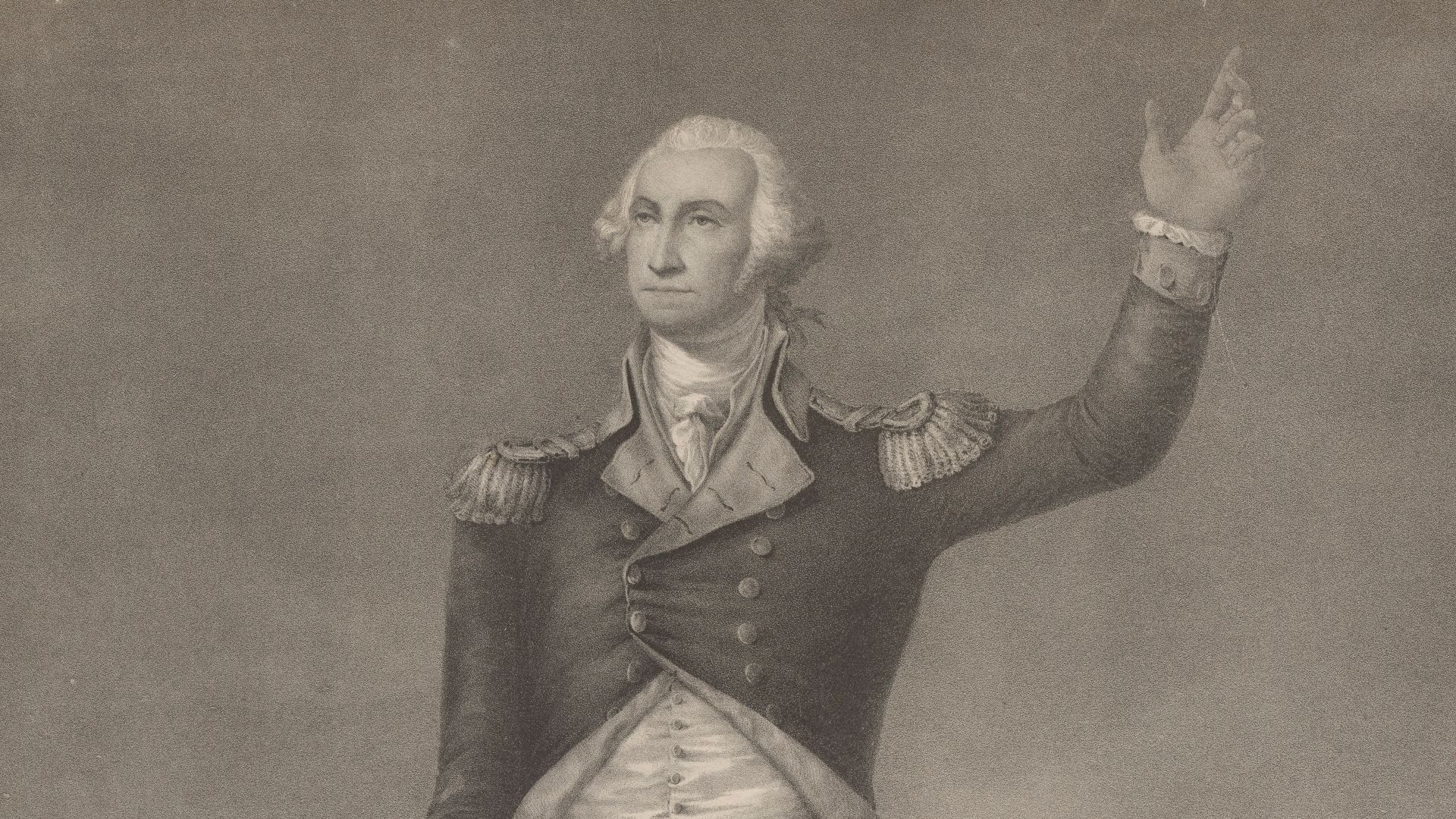
Washington already came from a prominent family, but in marrying Martha, he also became the owner of all the lands she had inherited from her first husband, making him quite an affluent figure. Adding on his impressive army record, he had the status to become much more involved in the politics around him—which weren’t looking great. As the years went on, he became increasingly outspoken about Britain’s treatment of the colonies.
Being so passionate, it was only a matter of time before he affected some real change.
 Popular Graphic Arts, Wikimedia Commons
12. He Made A Difference
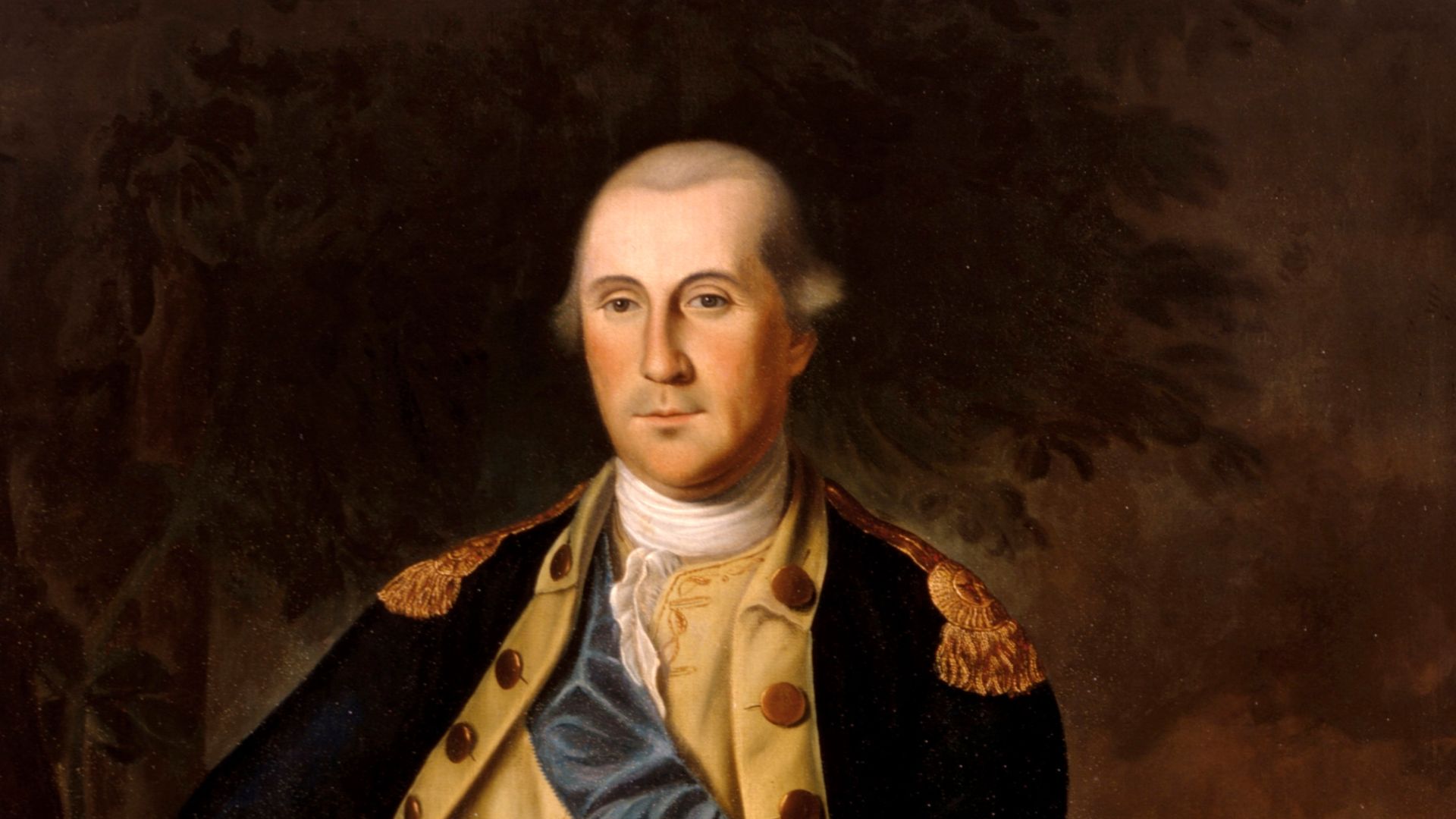
After seeing for himself how poorly the British were treating the American colonies—whether it was underpaying their officers in the army or the egregious taxation facing everyone else—George Washington knew he had to do something. Using his status and influence, he not only helped train local militias in preparation for an inevitable conflict, but he also served as Virginia’s delegate to the First Continental Congress.
All this hostility could only lead to one outcome—and Washington would be right at the head of it.
 Charles Willson Peale, Wikimedia Commons
13. They Finally Pushed Back
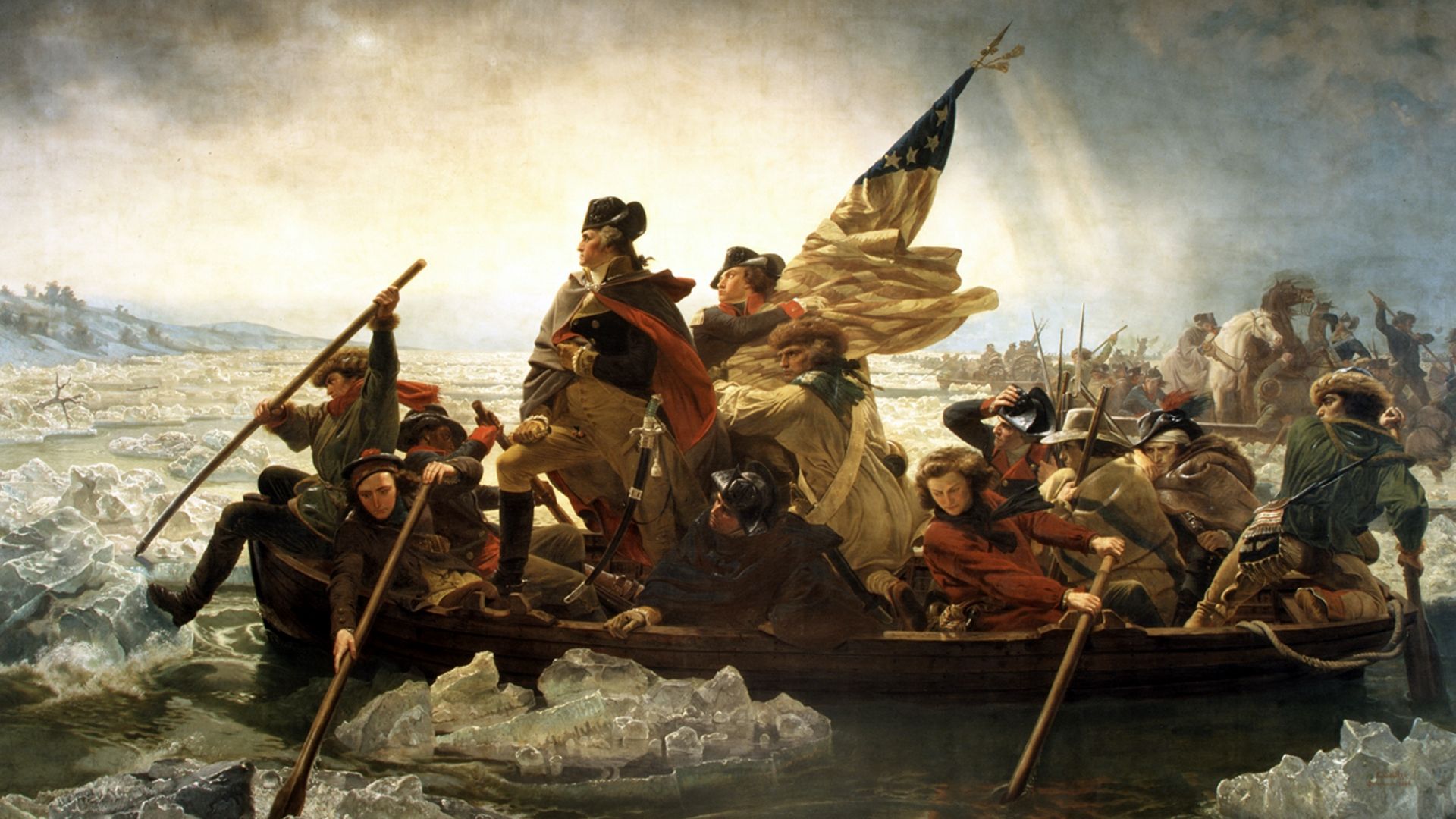
Although Washington shared much of the outrage that many colonists felt toward Britain, he wasn’t as keen on declaring independence at first, but the rest of the colonies were moving on with or without him. With the Battles of Lexington and Concord, the American Revolution began on April 19, 1775, and still intent on fighting for the colonies, Washington attended the Second Continental Congress a month later.
They were in for a steep uphill battle—especially since the British already had a major foothold.
 Emanuel Leutze, Wikimedia Commons
14. They Took The City
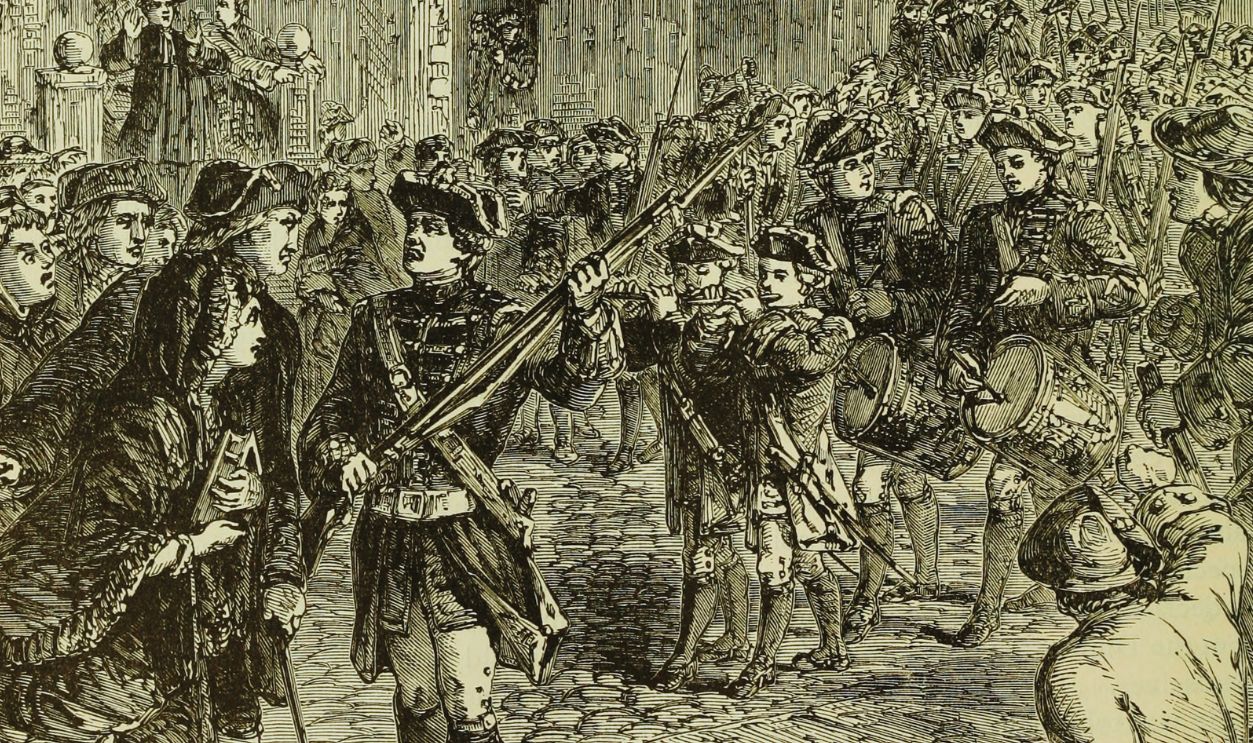
As George Washington and the other delegates decided how to proceed with the Revolution, the British weren’t taking any chances. Showing the rebels they meant business, the British army occupied Boston, but their victory wasn’t so simple. Militias like the ones Washington had trained were quick to react, locking down the city with the British inside and essentially forcing them into a stalemate.
America needed the right person to take the helm—and thankfully, he was already in the room.
 Northrop, Henry Davenport, 1836-1909, Wikimedia Commons
15. They Wanted Him To Lead
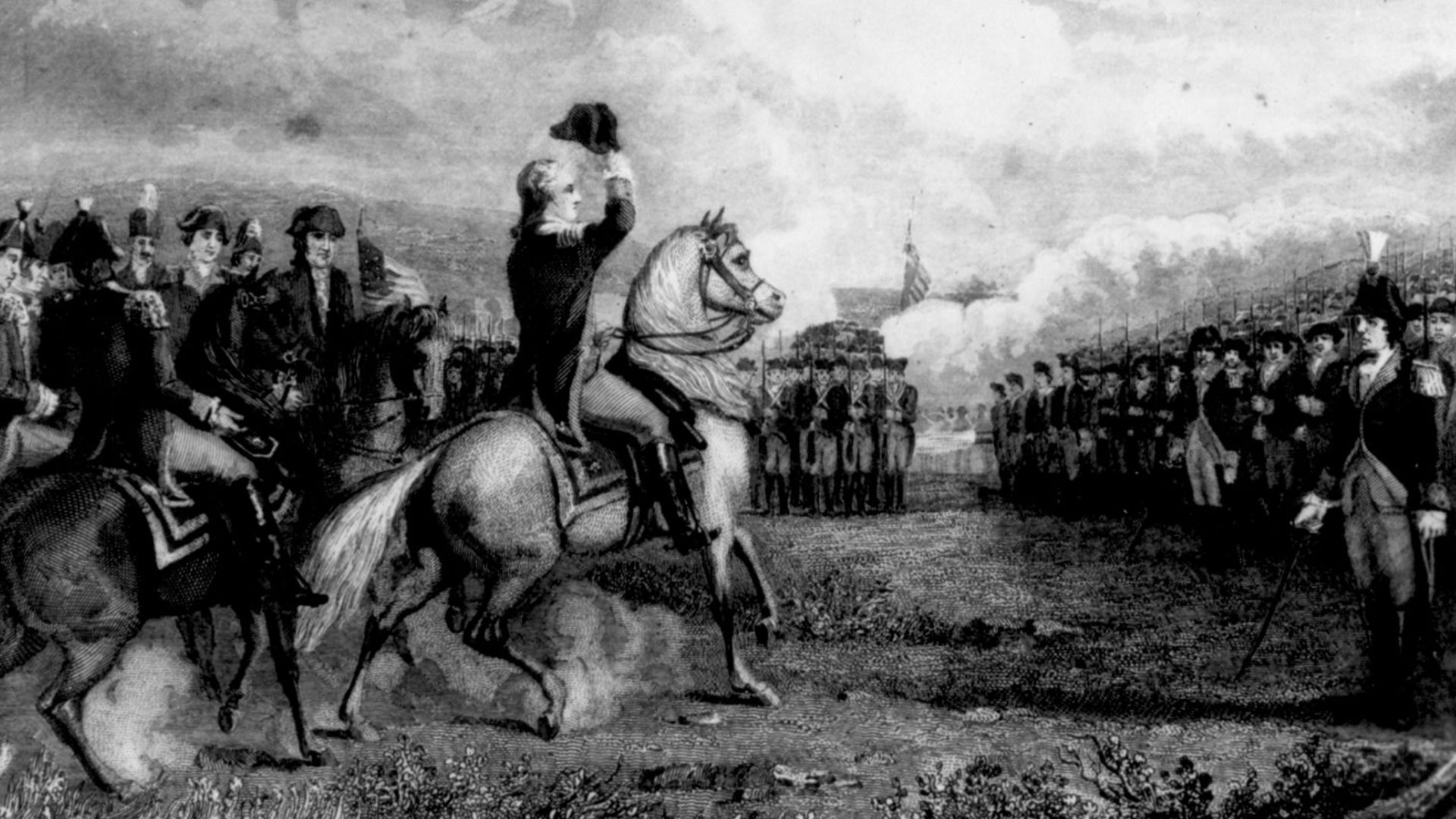
Realizing the long and near-impossible battle ahead, Congress approved the creation of the Continental Army, but they still needed someone to command it. Owing to his extensive record and experience as a leader, Washington received a nomination from fellow revolutionary John Adams to serve as commander-in-chief of the army. Congress agreed he was their best chance at victory, so they unanimously voted him in.
Still, he wouldn’t have the entirety of command resting on his shoulders alone.
16. They Chose His Team
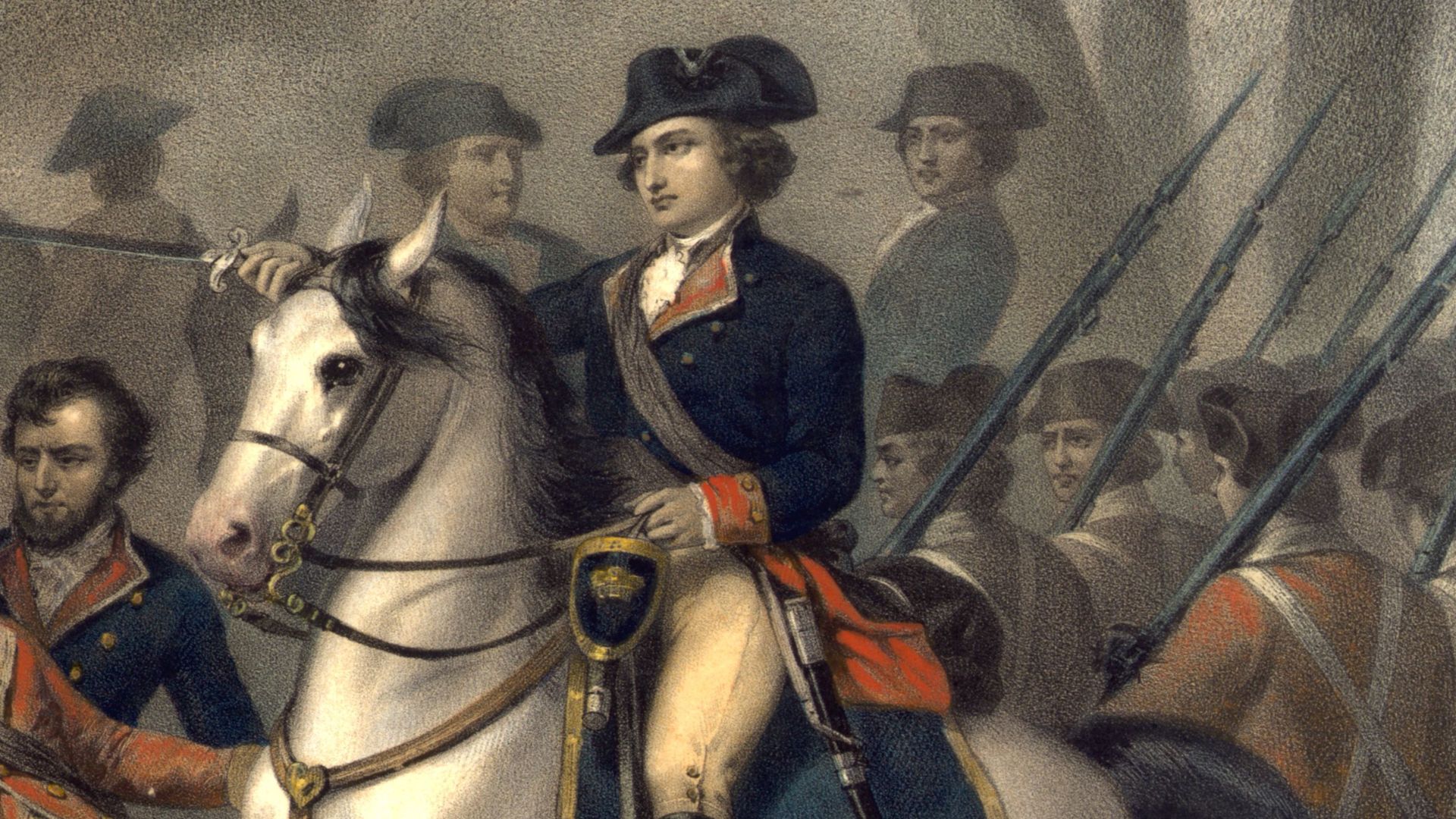
While George Washington was surely the head of the Continental Army, he had a whole array of advisors and subordinates he could rely on, including a few notable names. Congress had chosen most of this team from the start, with such figures as Horatio Gates and Philip Schuyler joining his team. However, Washington also had the freedom to appoint those he saw fit, such as his future colonel and right-hand man—Alexander Hamilton.
Washington was ready to go on the offensive—and now it was someone else’s turn to face humiliation.
 Jacques Auguste Regnier, Wikimedia Commons
17. He Marched Out
As Washington’s army departed for Boston, aiming to throw the British out, he got a taste of how the public had come to praise and respect him, with crowds of supporters cheering him on as he passed. As winter closed in, he thought it would be smart to use the frozen river to their advantage and simply charge into the city. However, his men argued against this, and he instead set up camp in the nearby Dorchester Heights to attack from there.
Despite any losses he had incurred during his early years in the army, Washington finally proved the quality of his leadership.
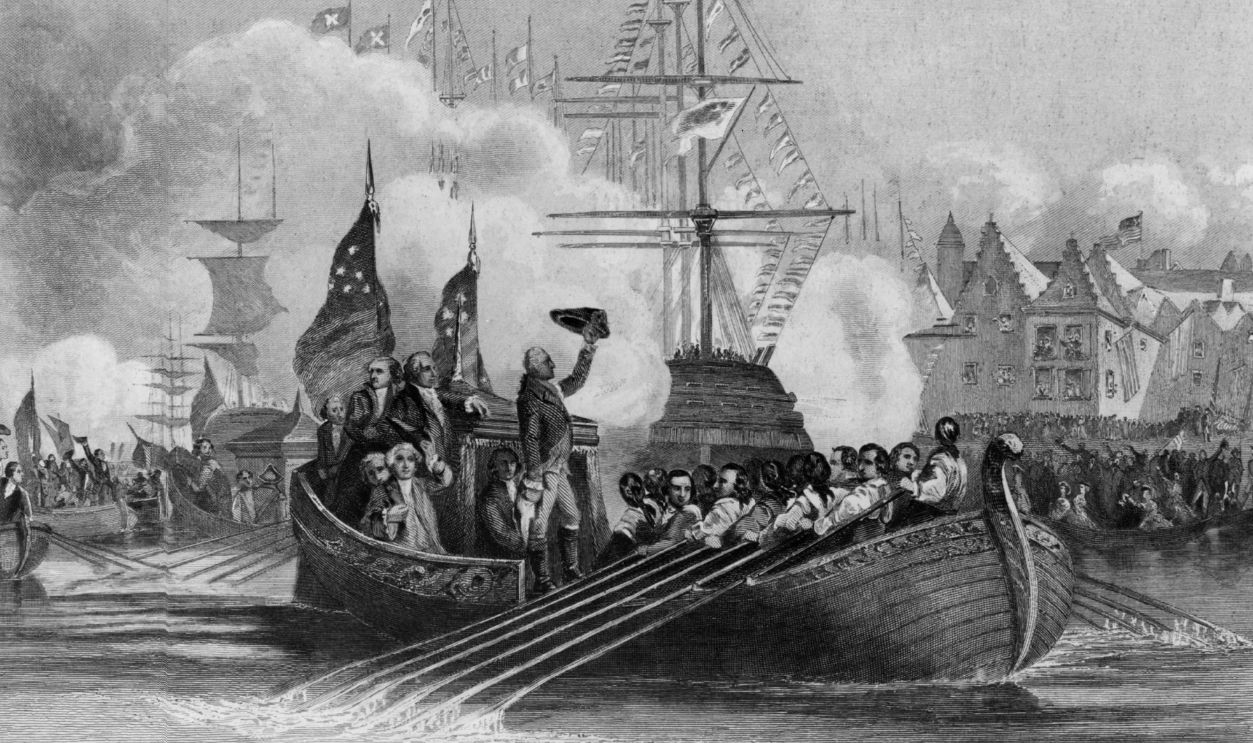
18. He Took It Back
With the significant advantage of their cannons stationed on Dorchester Heights, George Washington and his army spent the better part of the following year besieging the British in Boston. Finally, in March of 1776, the Continental Army was successful in driving the almost 9,000 British servicemen and over 1,000 British loyalists out of the city.
However, the Revolution was far from over—and Washington had a good idea where the next battle would be.
 John Trumbull, Wikimedia Commons
19. He Knew Their Next Move
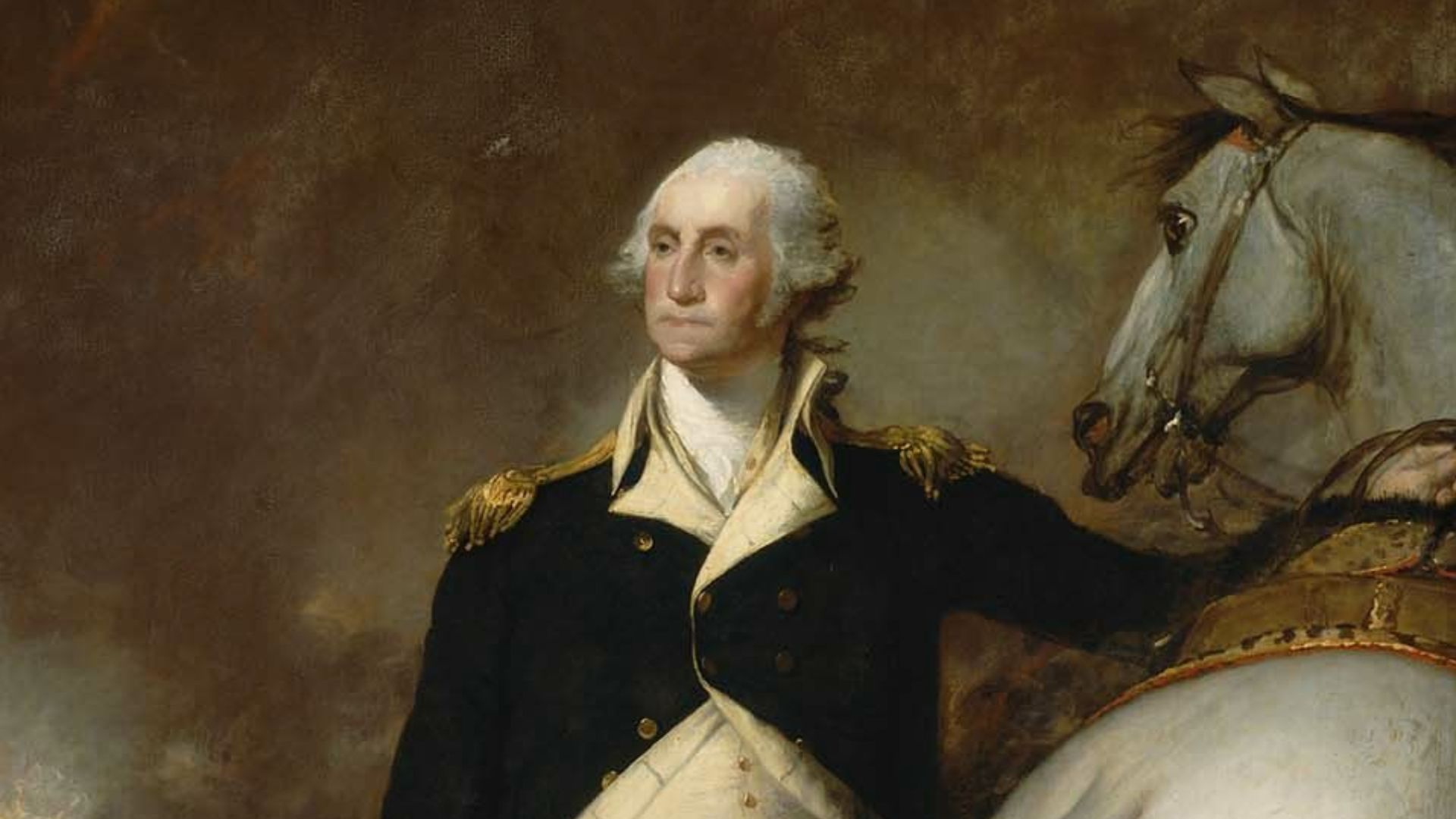
Believing the British would strike back at the Continental Army by occupying New York City, Washington ordered his forces to set up there and fortify their position in preparation. While he turned out to be correct, it was hardly a cause for celebration, as the British forces led by General William Howe proved far too overwhelming. Cutting his losses, Washington pulled his army back and retreated through New Jersey to regroup.
Little did they know, he would be back—and with a vengeance.
 Gilbert Stuart, Wikimedia Commons
20. He Surprised Them
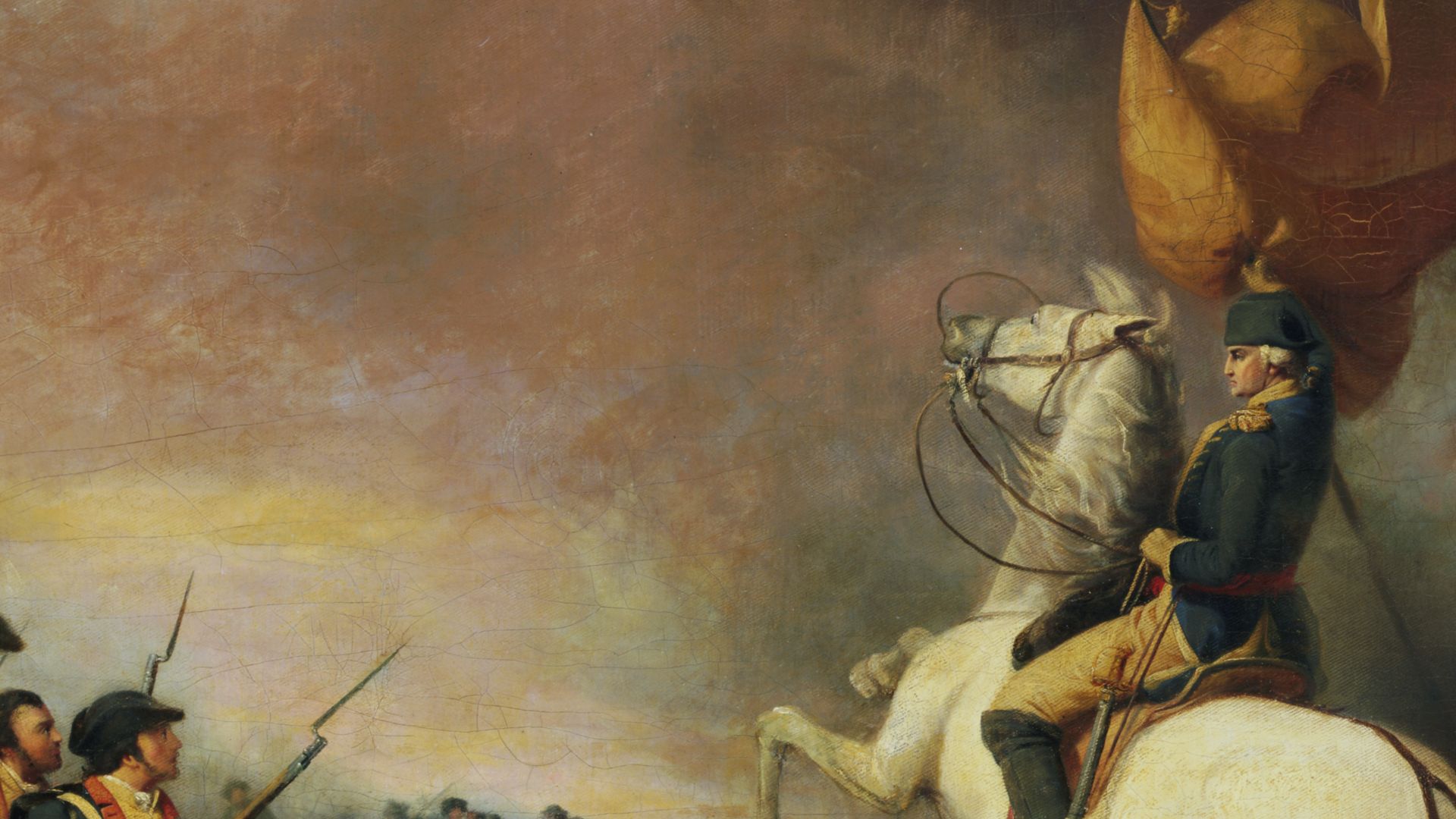
George Washington managed to meet up with General John Sullivan, who not only offered him some much-needed morale, but also an additional force of 2,000 men. Wasting no time, Washington mounted a counter-attack. Making his historic crossing of the Delaware River back into New Jersey, Washington ambushed the enemy and asserted his presence by winning significant battles at Princeton and Trenton.
Unfortunately, this wasn’t a winning streak he could maintain.
 William Ranney, Wikimedia Commons
21. He Was Losing Ground
Although the Continental Army had achieved several major victories, General Howe remained a formidable opponent, and he continued to push Washington and his forces back. Since other leaders of the Revolutionary Army seemed to be faring better, this wasn’t a good look for Washington, and much of the admiration he had earned began to run out.
It certainly didn’t help that he couldn’t always rely on his men—especially a couple of specific troublemakers.
![Title: George Washington, Esq'r. - general and commander in chief of the Continental Army in America
Abstract: Print shows George Washington, three-quarter length portrait, standing, facing right, wearing military uniform, gesturing with right hand toward battle in background.
Physical description: 1 print : mezzotint.
Notes: Formerly filed under: PGA - Will, J.M.--George Washington, Esq. (A size); done from an original, drawn from the life by Alex'r. Campbell, of Williamsburgh in Virginia ; Ioh. Martin Will excud. Aug. Vind.; Forms part of: British cartoon Prints collection (Library of Congress).; Published in: The American Revolution in drawings and prints; a checklist of 1765-1790 graphics in the Library of Congress / Compiled by Donald H. Cresswell, with a foreword by Sinclair H. Hitchings. Washington : [For sale by the Supt. of Docs., U.S. Govt. Print. Off.], 1975, no. 206.; Title from item.](https://www.factinate.com/storage/app/media/factinate/2026/4/7/1775550838a3133ead5e0c86eef12d24a6719bac842c08cf9d._-_general_and_commander_in_chief_of_the_Continental_Army_in_America_LCCN2004666670) Unknown authorUnknown author, Wikimedia Commons
Unknown authorUnknown author, Wikimedia Commons
22. They Made Some Friends
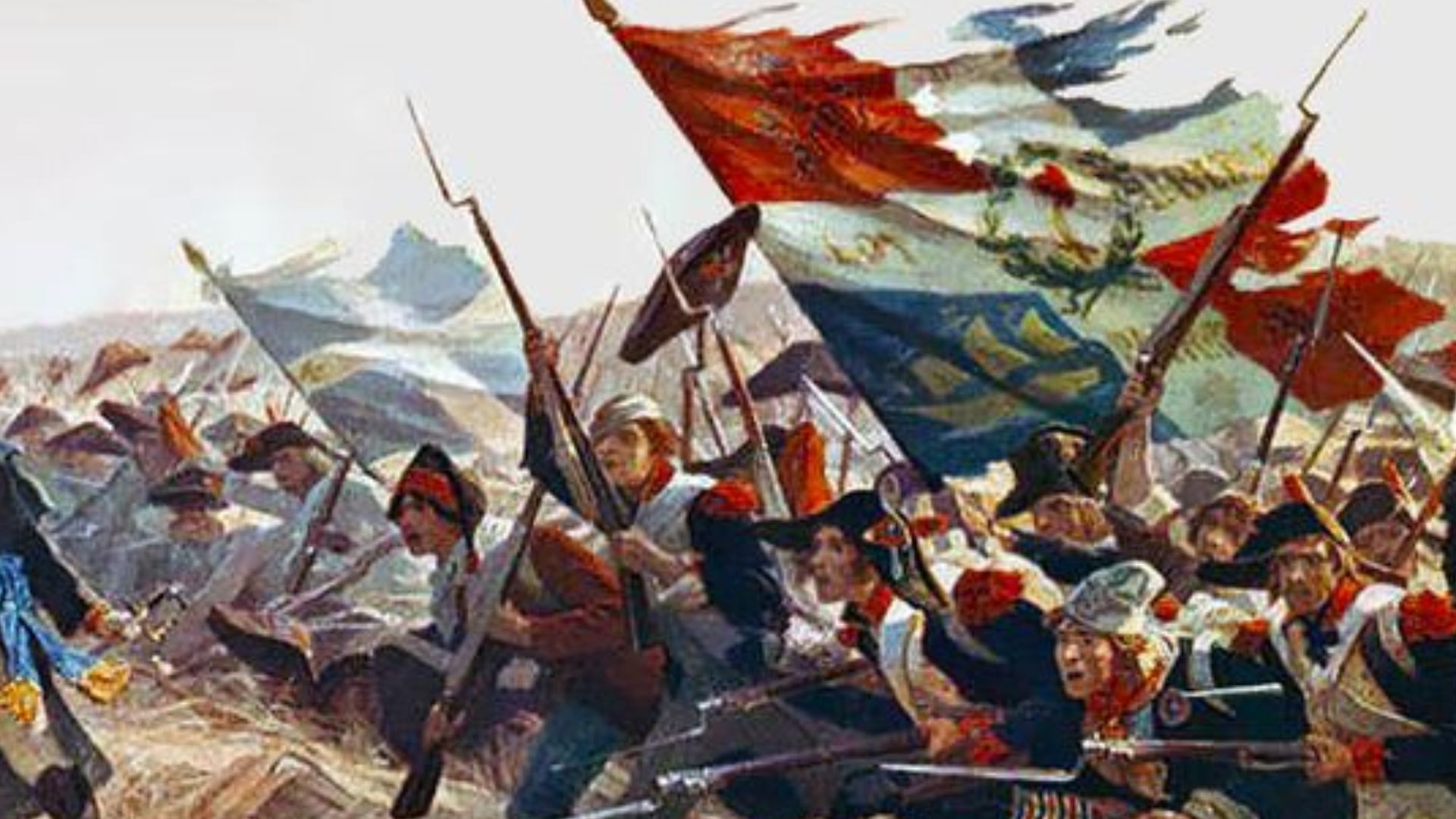
The future of the Revolution seemed uncertain at this point, but thankfully, George Washington was about to get some welcome aid from a former enemy. Although his earliest experiences in the army were against the French, France had just as much reason to fight Britain, so the colonies were able to secure new allies by signing a treaty with the nation in 1778.
Even with this strong new alliance, Washington still fought many of his battles in the shadows.
 Raymond Desvarreux-Larpenteur, Wikimedia Commons
23. He Worked In Secret
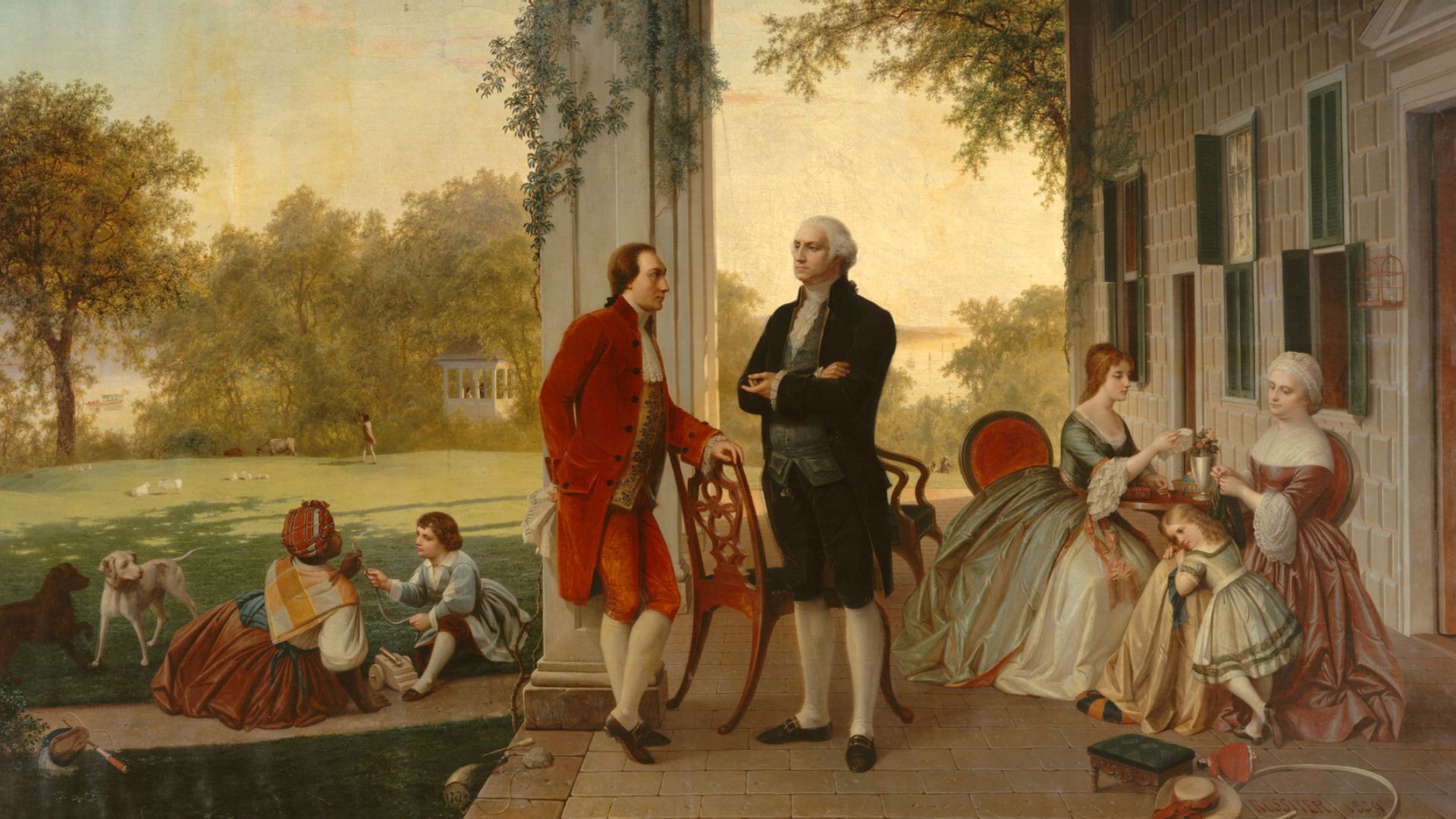
Not only was Washington an excellent commander on the battlefield, but he also waged a more secret conflict against the British, taking the mantle of America’s first spymaster. Through an intricate network of agents gathering information for him, Washington managed to prevent several major attacks on the Americans and the French.
Of course, his nose for detection wasn’t always on the money.
 Louis Rémy Mignot / Thomas Prichard Rossiter, Wikimedia Commons
24. He Didn’t Suspect Him
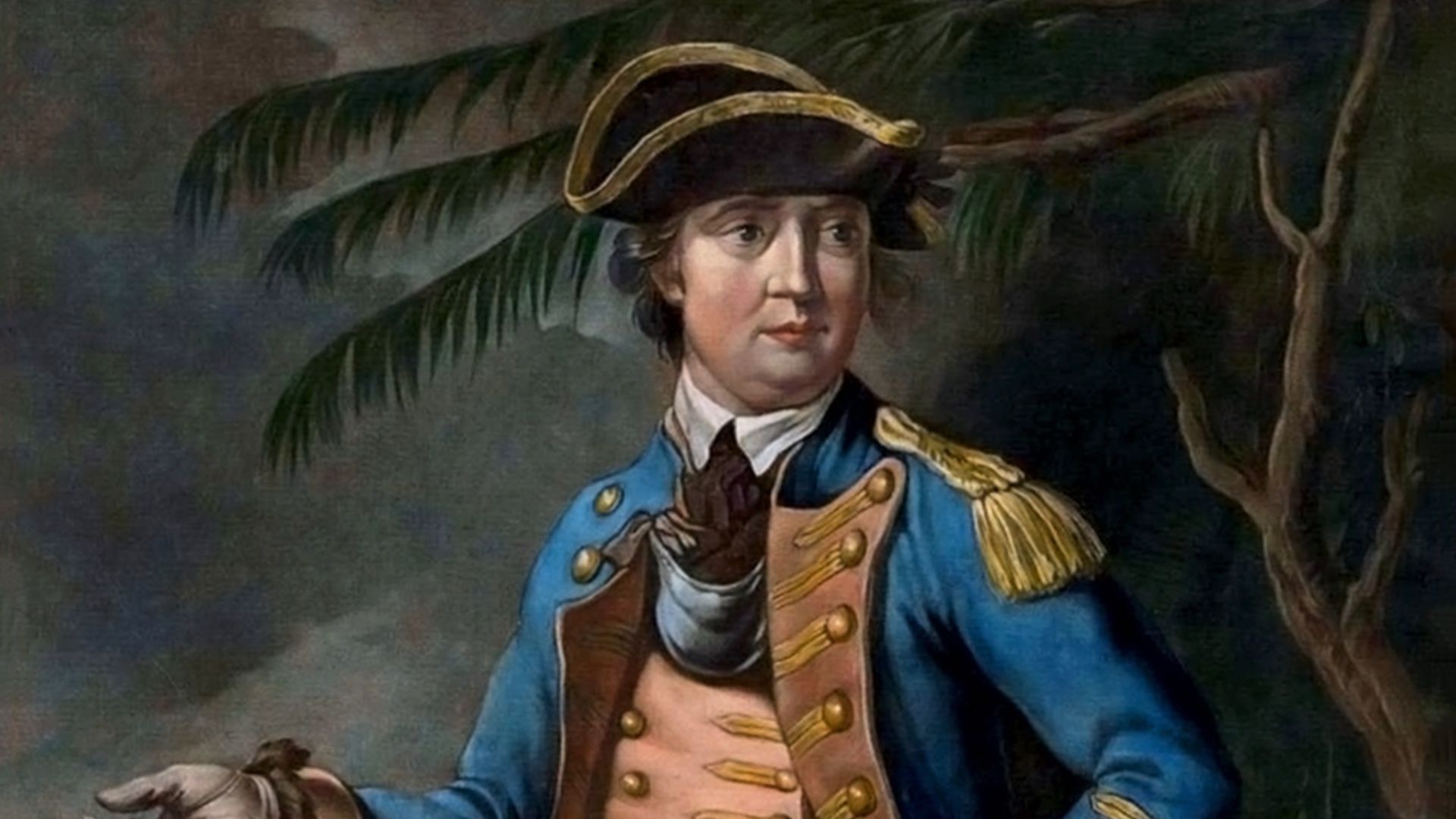
One of Washington’s most trusted men was the Revolutionary officer Benedict Arnold, who, aside from proving himself as a capable leader in battle, had spent years supplying Washington with valuable secret intelligence. However, nearing the end of the 1770s, Arnold had decided to turncoat, delivering information to the British instead—all while Washington was none the wiser.
At last, the horrible truth revealed itself—and Washington had to pick up the pieces.
 Thomas Hart, Wikimedia Commons
25. He Realized The Truth
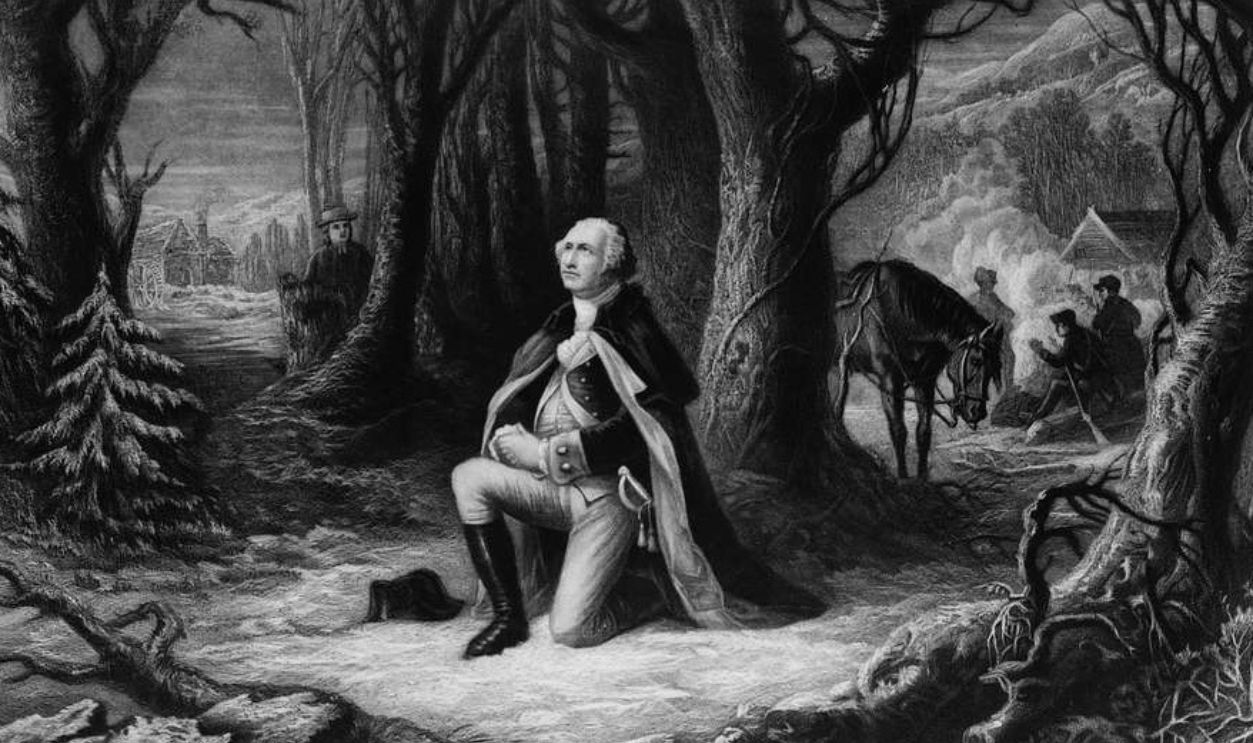
George Washington had been willing to put all of his faith in Arnold, but in the face of certain betrayal, the commander could no longer avoid the truth. After militia members captured British spymaster John André, they learned all about Arnold’s treachery and his subsequent escape to New York. After getting over the initial shock of these events, Washington kept a level head and recalled anyone who could have been in league with the traitor.
Luckily, he was about to get another major assist—and this time from halfway across the world.
26. He Had More Help
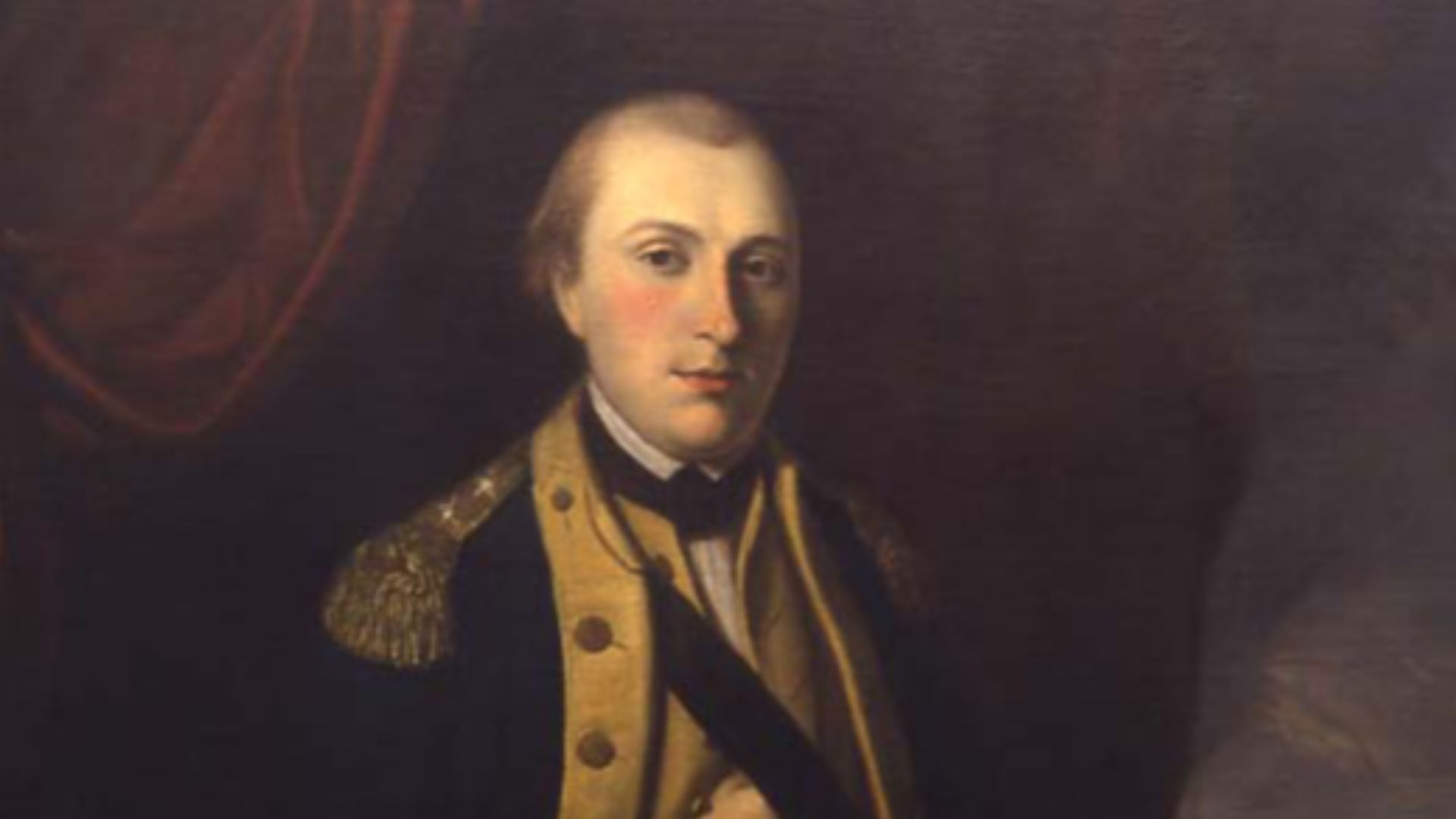
With the beginning of the 1780s, George Washington was facing increasingly worse odds as the British secured a firm grip on the southern colonies, but the fight wasn’t over yet. Seeing the fruits of their alliance, Washington suddenly felt the tide of the Revolution turning as the Marquis de Lafayette returned from France with a host of men and all the supplies they could ask for.
After years of it, Washington was ready to end this conflict—all they had to do was fight one more massive battle.
 Charles Willson Peale, Wikimedia Commons
27. They Marched To Victory
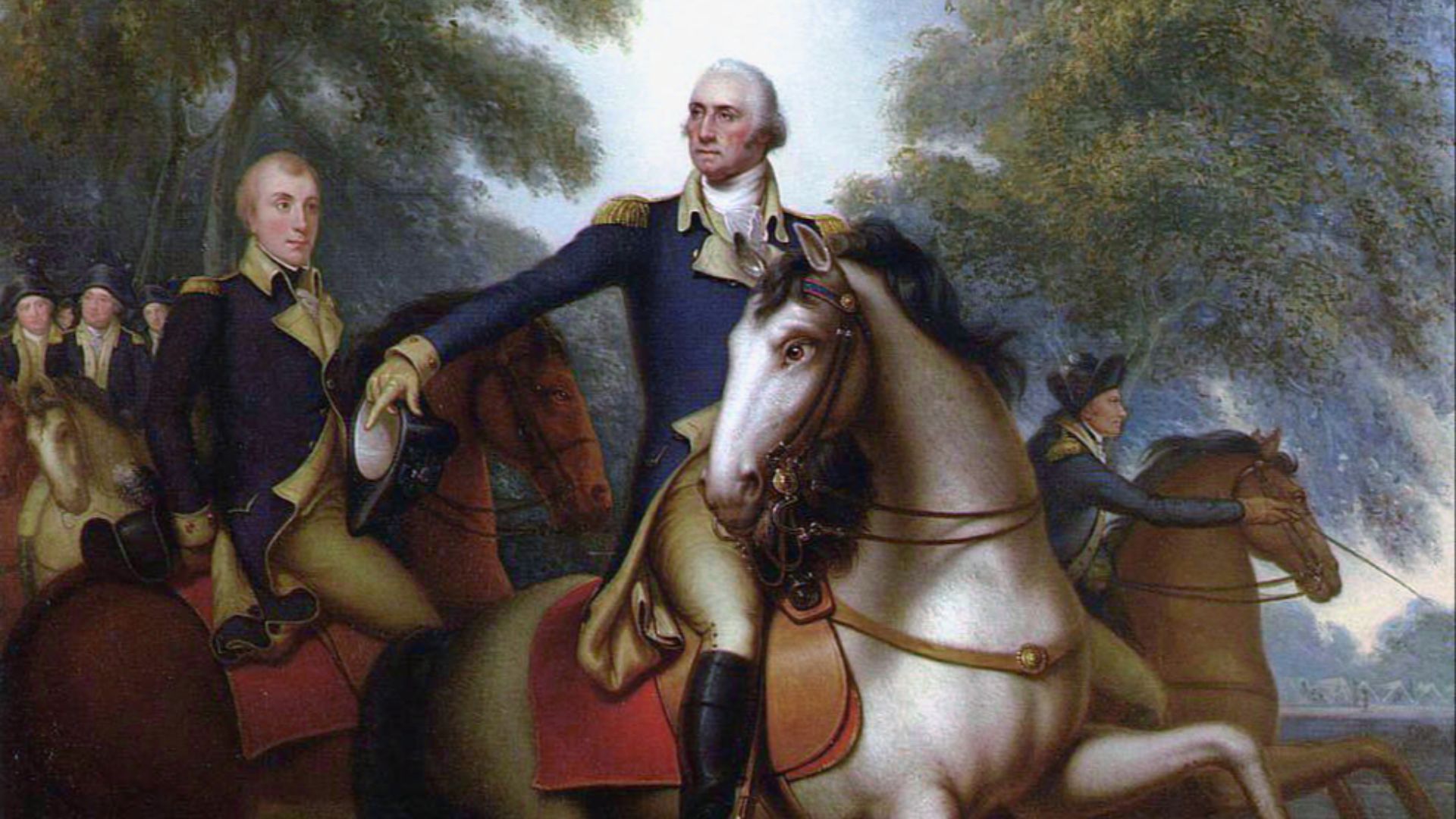
After spending the last several years fighting on the backfoot, often being outnumbered, Washington finally felt like the colonies had a chance at victory. Planning to besiege Yorktown, Virginia, in what they could tell would be the Revolution’s climactic battle, Washington led a force of nearly 20,000 men on what historians now consider the “celebrated march”.
All they had to do was take their places and make their final push to freedom.
 Rembrandt Peale, Wikimedia Commons
28. They Made Their Move
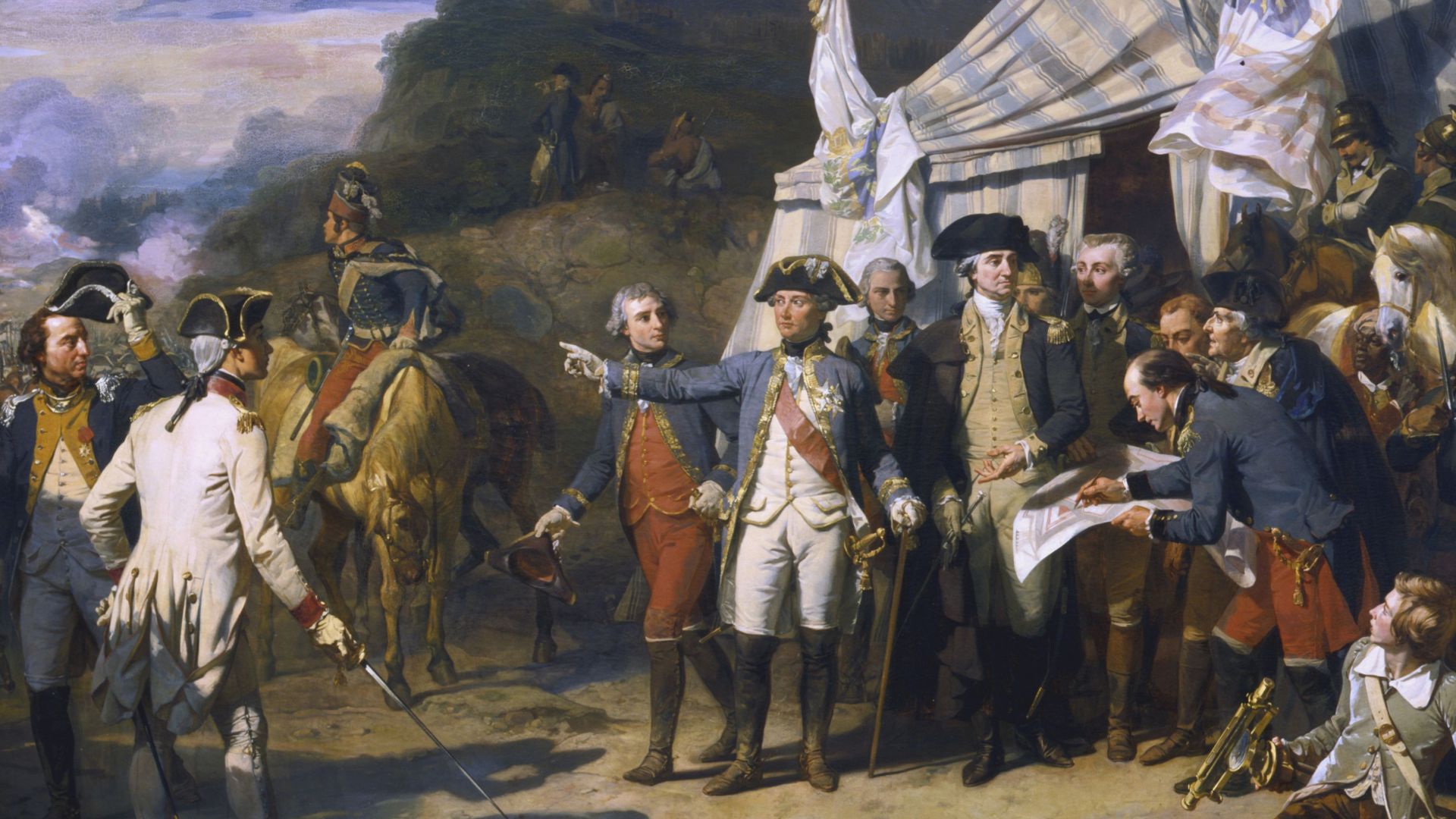
Each of Washington’s victories and losses led up to this moment, and when the Continental Army and its French allies reached Yorktown, Washington fired the first shot to kick off the battle. With the French navy tearing through the British at Chesapeake Bay, the rest of the Revolutionary forces circled the city and locked the enemy in.
The Americans knew it was now or never—and they were done losing.
29. They Threw In The Towel
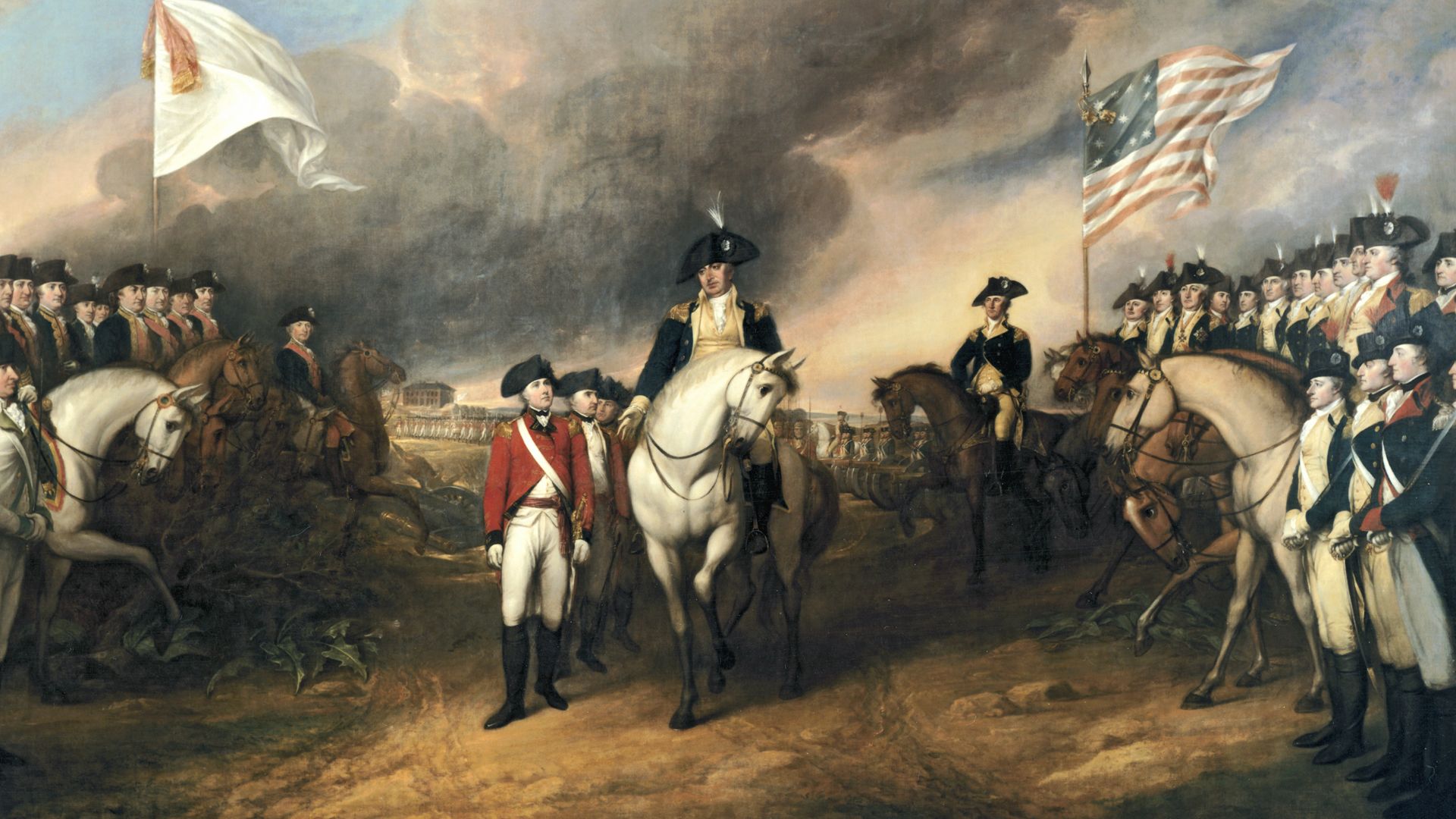
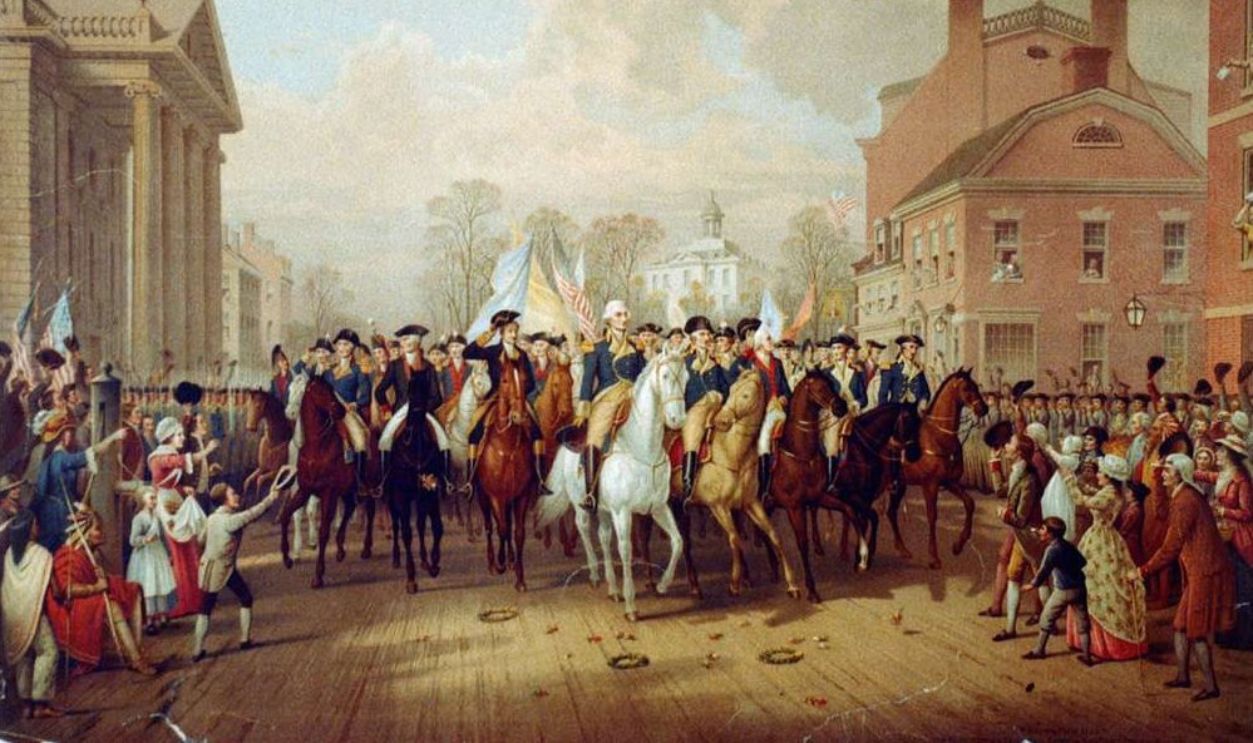
After nearly a month-long siege, during which Washington and his forces finally gained the upper hand over the British, the Americans emerged victorious. Due to his tactical prowess, indomitable will, and invaluable alliances, the Revolutionary Army forced the British to surrender. After seeing the white flag on October 19, 1781, Washington spent the next two days negotiating the terms of surrender, after which the British began their mass evacuation.
With that, Washington’s grand purpose had come to a head—and all that was left was to say goodbye.
30. He Let Them All Go
While Yorktown was the final major battle in the American Revolution, the US wouldn’t fully gain its independence until about two years later, when Britain signed the Treaty of Paris. With no more need for the Continental Army, George Washington gave one more address to his forces before officially resigning as commander-in-chief and dissolving them.
While the conflict was over, the real struggle had just begun—and Washington wasn’t sure about his place in it.
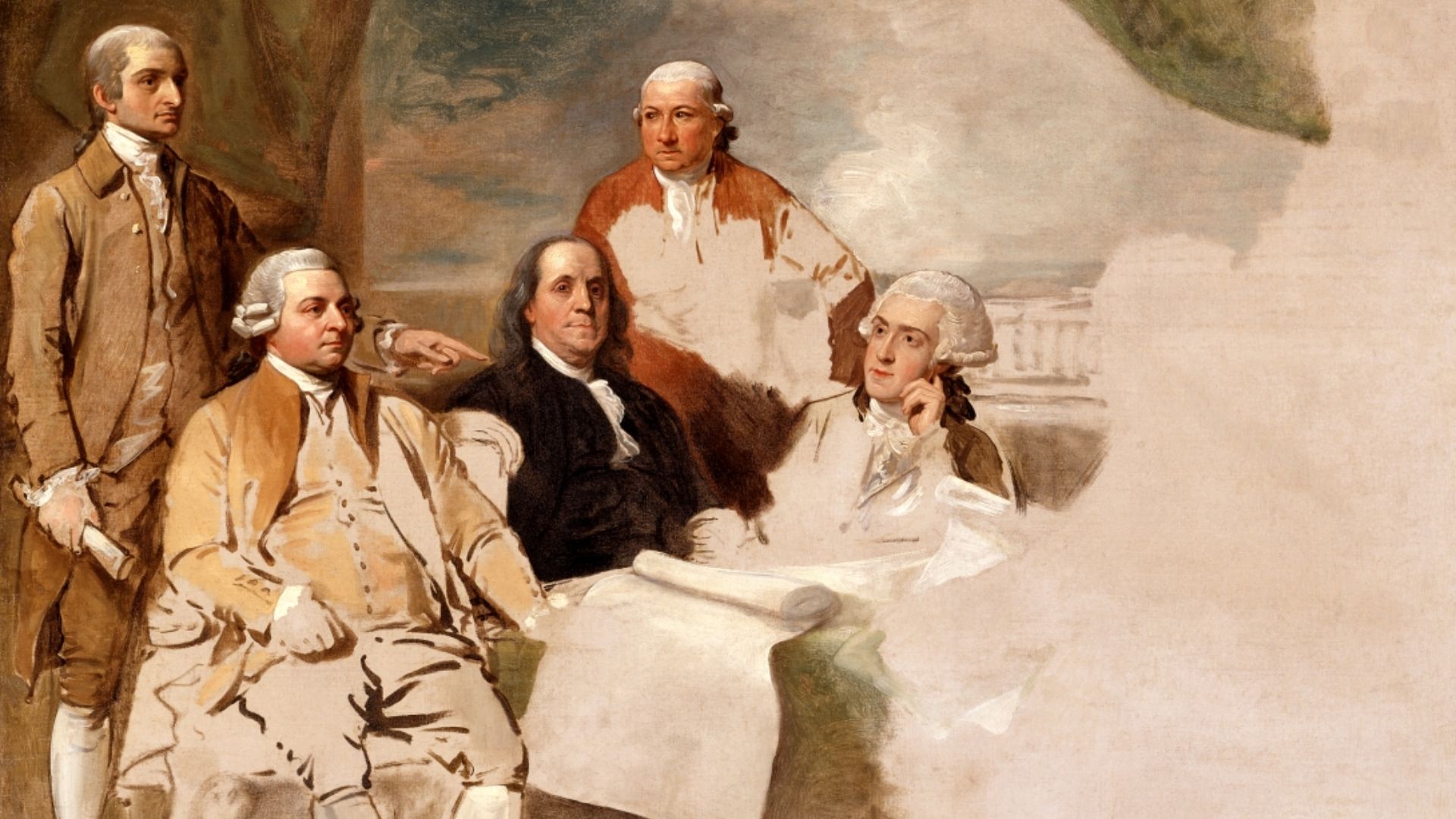 Benjamin West, Wikimedia Commons
31. He Didn’t Want To
With the Revolution over and done with, Congress had to work out how to move forward as a sovereign nation, holding the Constitutional Convention in 1787. As he had been multiple times before, Washington was the top choice for Virginia’s delegation, but he wasn’t sold on the convention’s legitimacy and initially declined the position.
Washington was sure about his stance on the situation—but he was still open to advice.
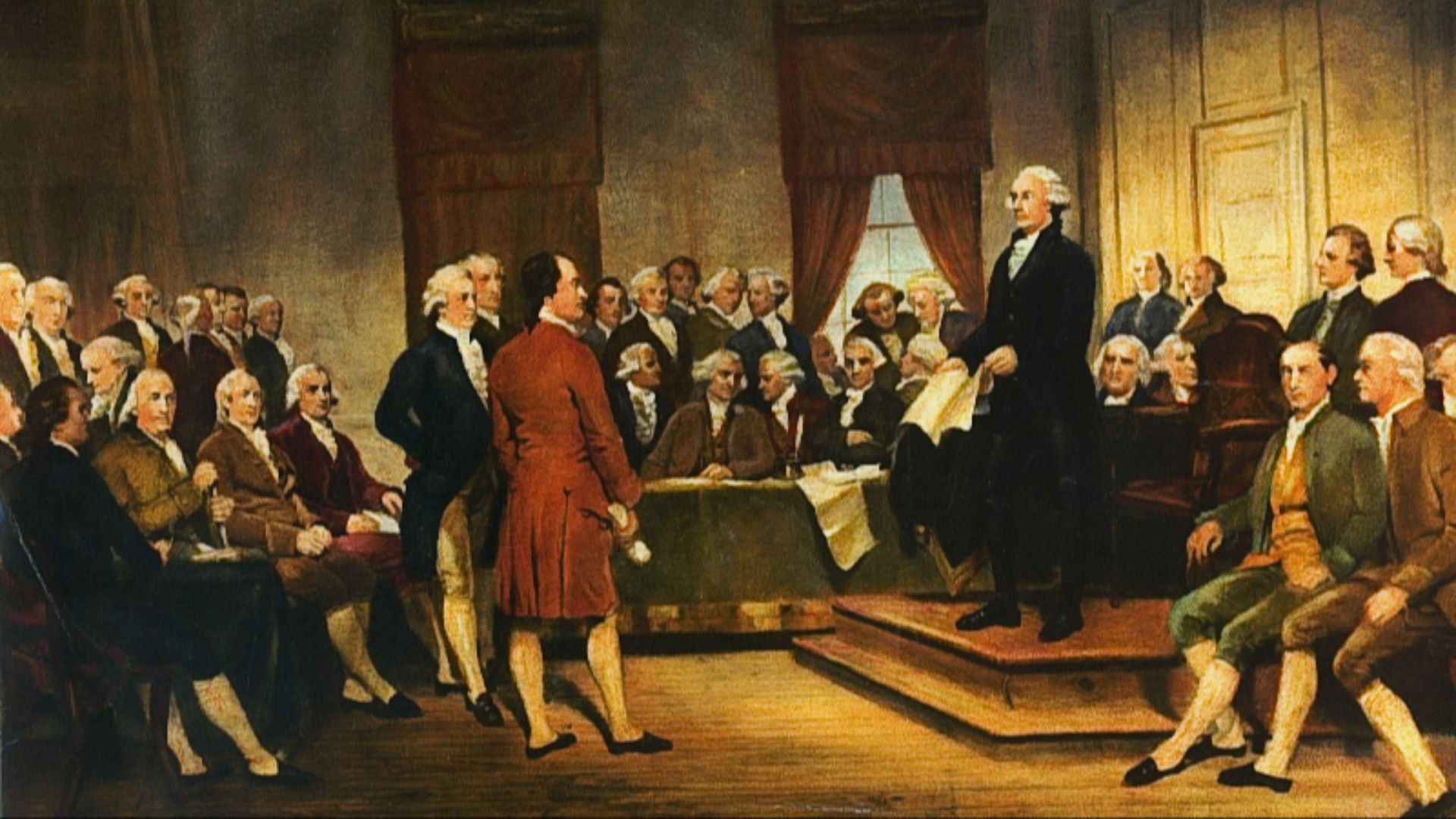 Junius Brutus Stearns, Wikimedia Commons
32. They Convinced Him
Although George Washington was a natural-born leader, he always valued the input of those he found most trustworthy, and the question of whether he would serve as a delegate was no different. Asking advice from his fellow revolutionaries, Henry Knox and James Madison, he began to understand that his influence alone would help the convention run more smoothly and convince those still on the fence.
As it turns out, they were more right than Washington thought.
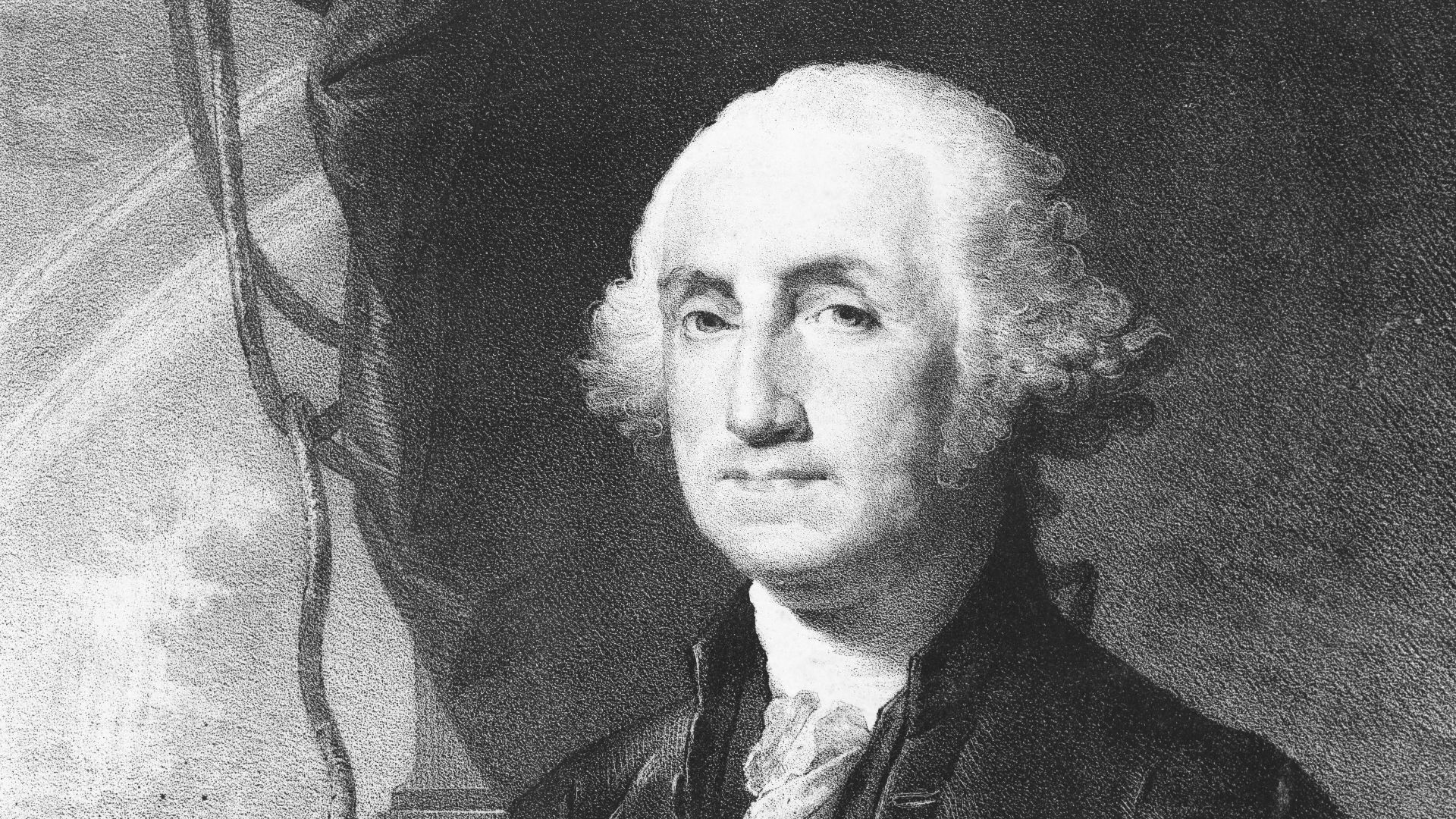
33. They All Picked Him
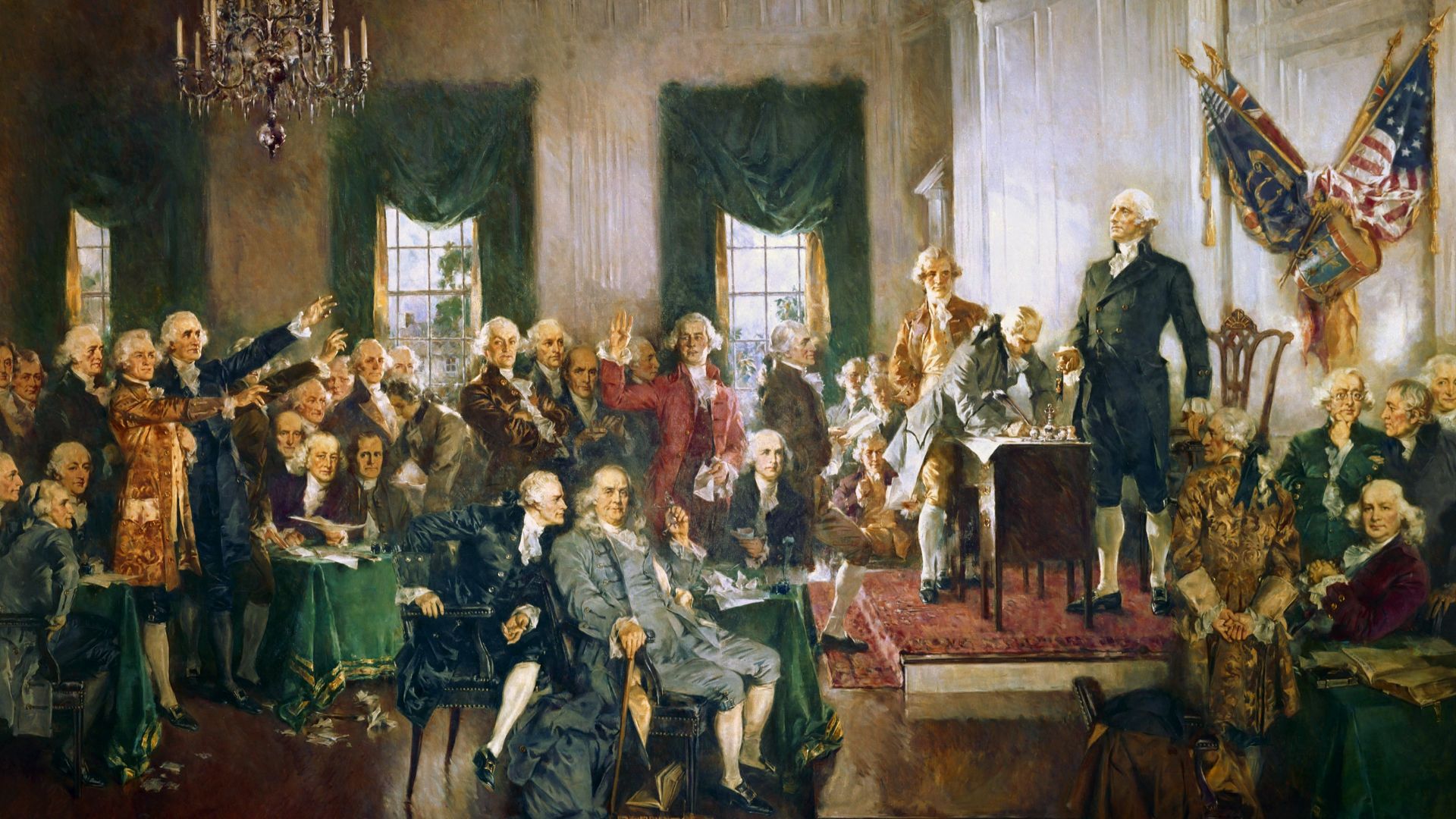
Madison and Knox seemed to have hit the nail on the head, and as Washington attended the Constitutional Convention, everyone felt the weight of his presence immediately. Believing his influence would be best used at the wheel, Benjamin Franklin nominated Washington to run the convention as a whole. This was far from an unpopular opinion, and the other delegates unanimously voted the veteran commander in charge.
Of course, this was merely a stepping stone to his most powerful role.
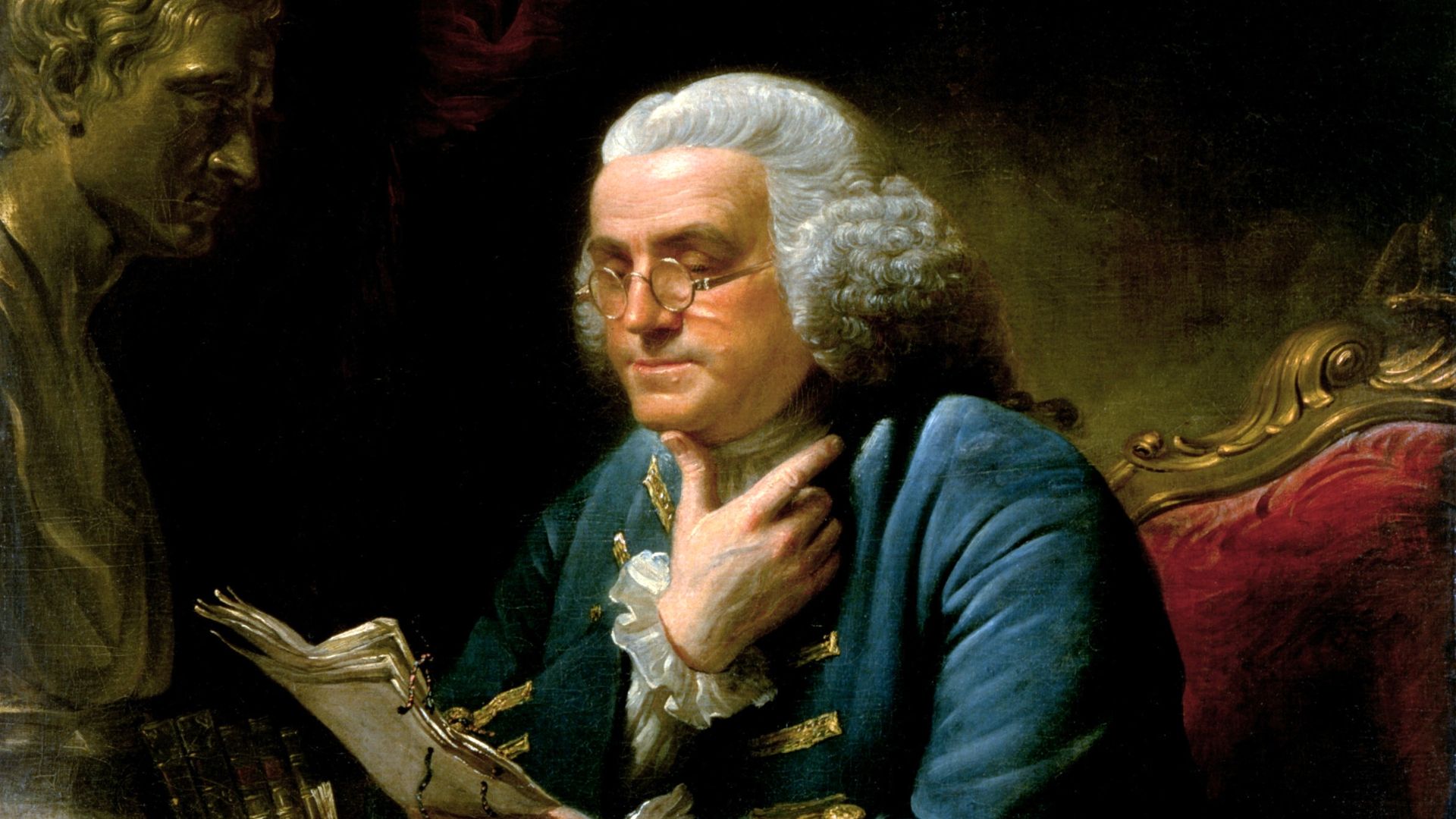 David Martin, Wikimedia Commons
34. He Was The Right Choice
Soon enough, the question arose of who would lead their newly formed nation as president—but there was really one clear option. Given that he had led them to victory and demonstrated all the qualities the state electors wanted in a leader, Washington’s was the only name on anyone’s lips. On February 4, 1789, he became the first and only US president to receive a completely unanimous vote.
Even with all these praises and achievements, he never let it get to his head—in fact, he made a point of it.
 Howard Chandler Christy, Wikimedia Commons
35. He Stayed Humble
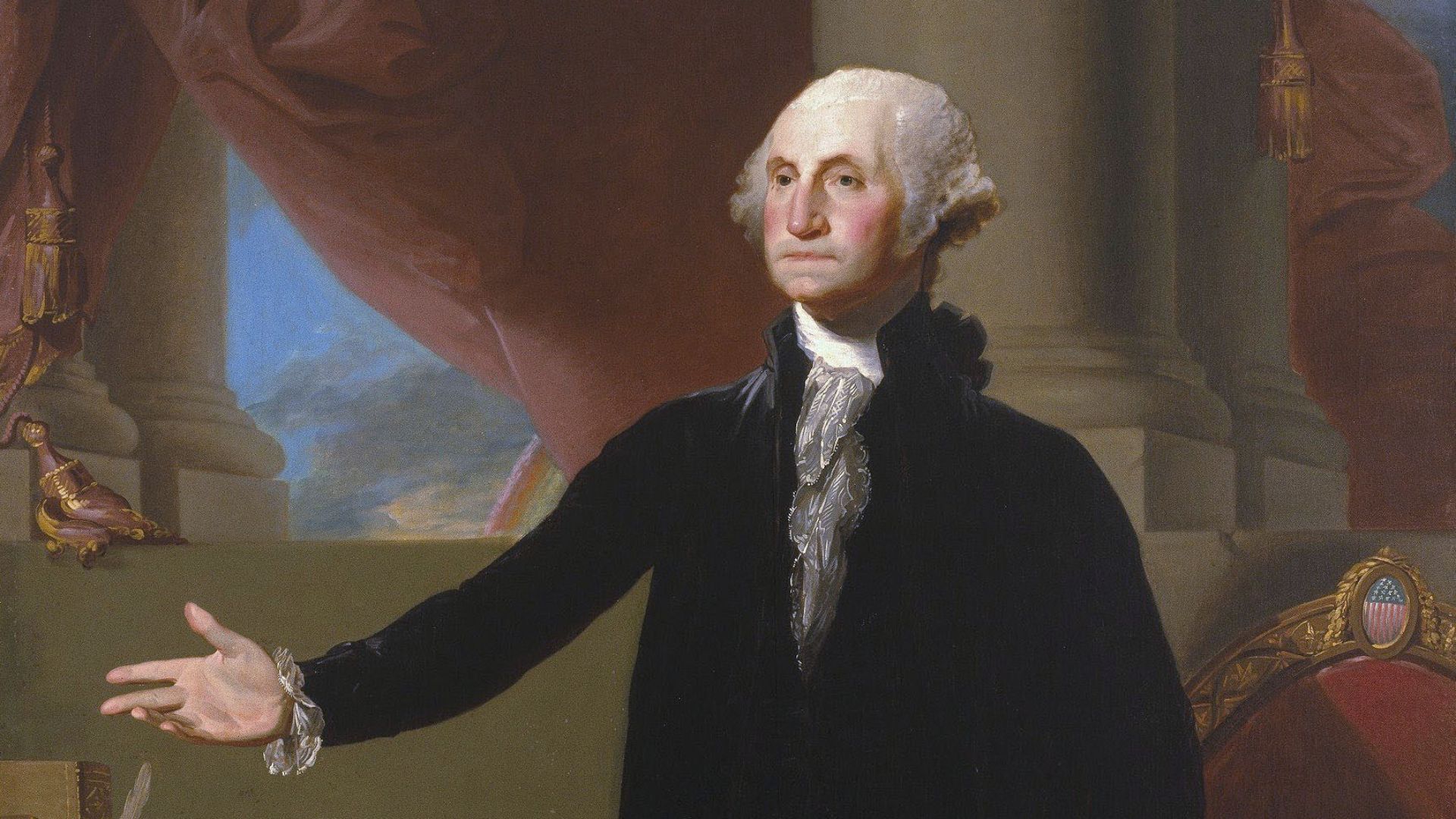
As the colonies were under the King of Britain before achieving their independence, they needed to figure out how exactly the president would differ, but Washington already had a few ideas. Although many proposed that they refer to him as “His Highness the President” or “His Majesty,” he didn’t feel comfortable being so similar to a monarch. Instead, he simply went by “Mr President,” setting the standard for the future.
Under his leadership, he hoped to guide America as one nation—this didn’t go according to plan.
 Gilbert Stuart, Wikimedia Commons
36. They Split In Two
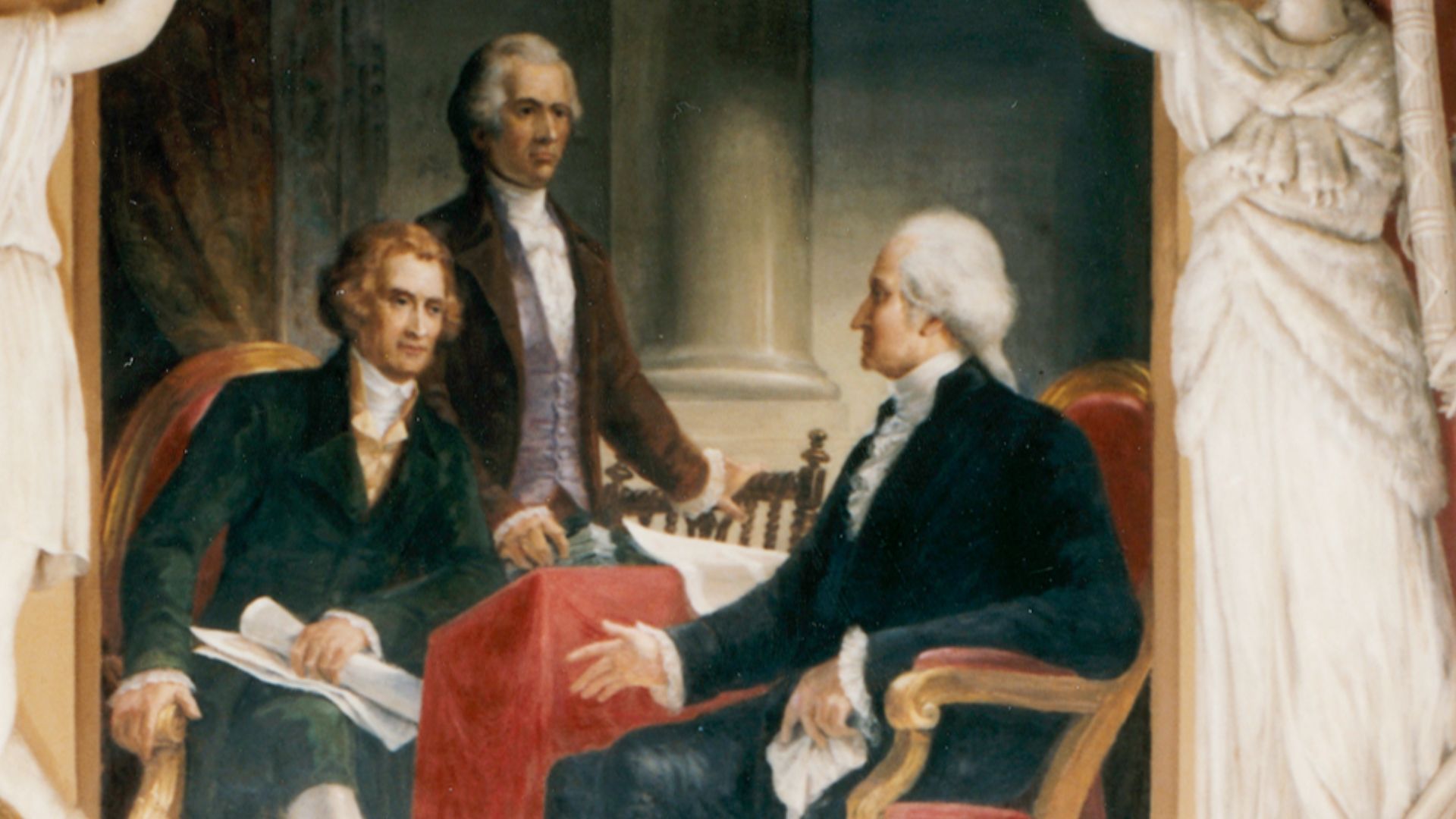
George Washington may have envisioned America united under one banner, but since people will always disagree about something, this was much easier said than done. Two of his closest advisors, Thomas Jefferson and Alexander Hamilton, often found themselves at odds, so they eventually split up. This was the foundation of America’s two-party system, as Jefferson created the Jeffersonian Republicans, while Hamilton formed the Federalist Party.
Washington was certainly a strong and effective leader—but he didn’t want to do it forever.
37. He Wanted To Stop
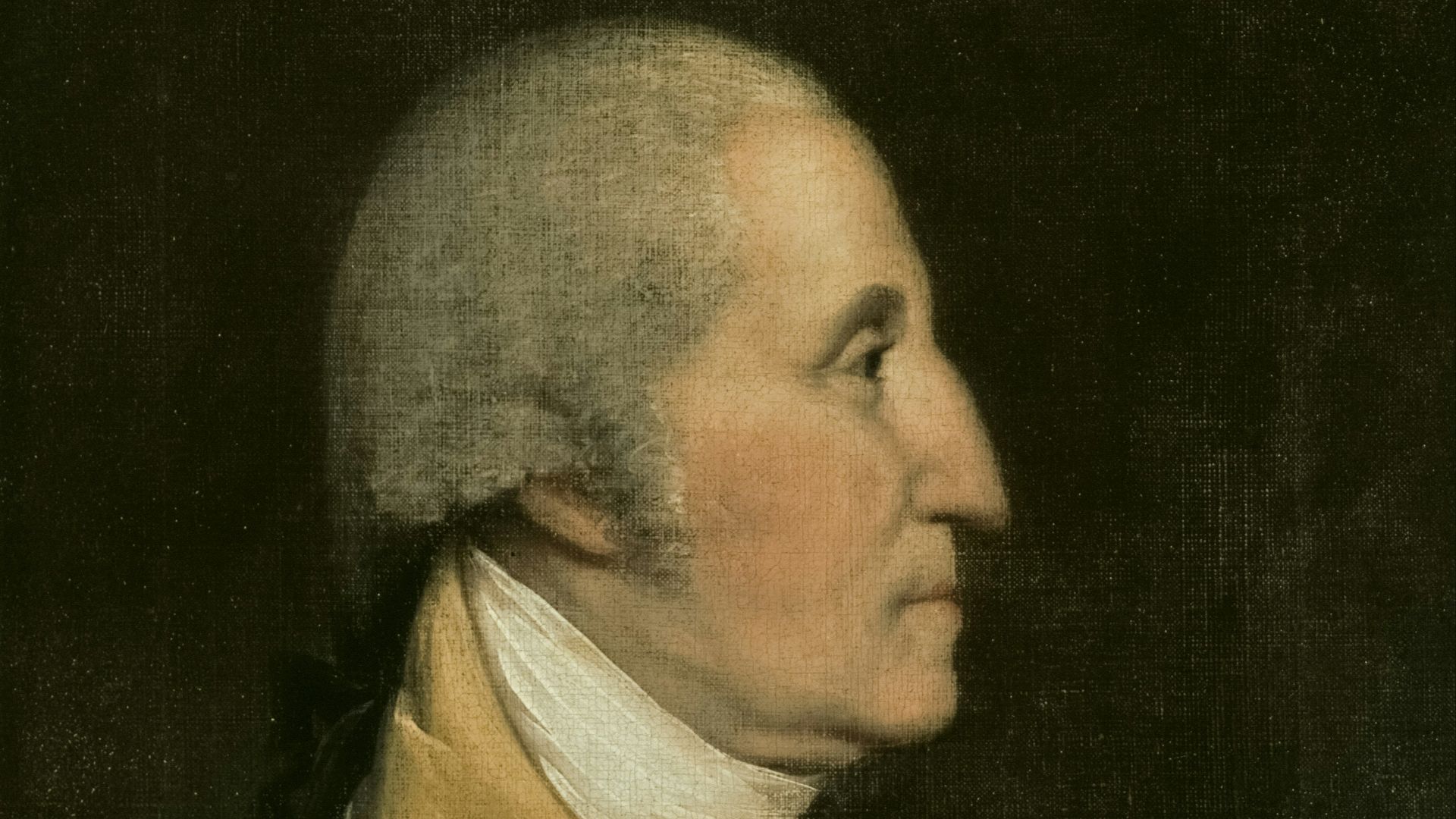
By the end of his first term as president, George Washington had long since grown sick of his position and all the stress that came with it. Not to mention that his health was steadily declining, prompting Martha to insist he leave the presidency behind. Considering all the factors, his goal was to stick out his first term and retire right after.
He was exhausted, and nothing would stop him from finally having some rest—almost nothing.
 The Cleveland Museum of Art, Unsplash
38. They Were Very Persuasive
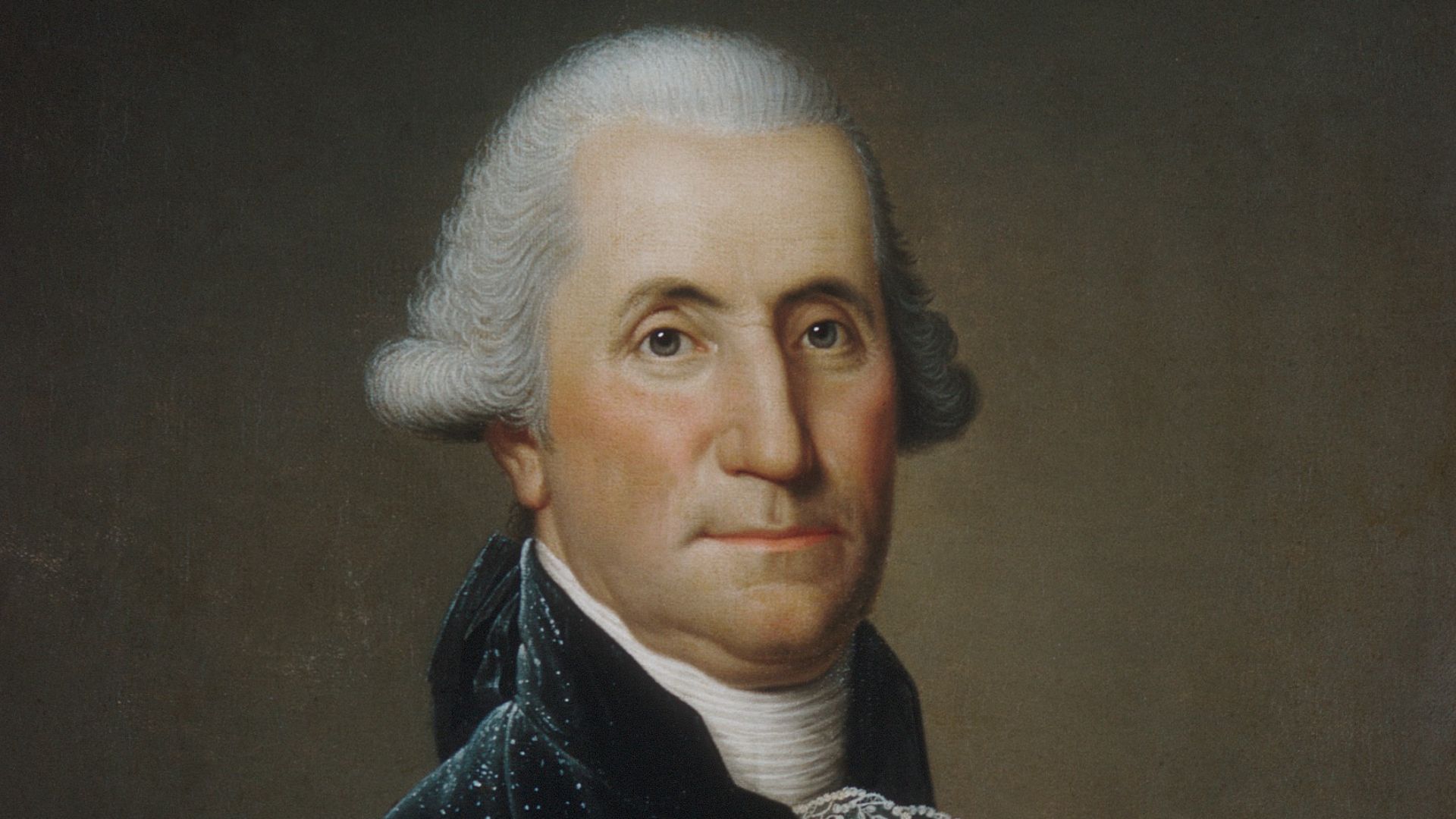
Once news got out that Washington was planning to hang up his career after his first term, he instantly received an influx of people pushing him to run again, including Jefferson and Hamilton. In fact, Hamilton told the president that, to the president’s supporters, Washington’s retirement would be “deplored as the greatest evil”.
With the massive outpour of support for his second term, Washington suddenly wasn’t so sure about his decision anymore.
 Adolf Ulrik Wertmüller, Wikimedia Commons
39. He Was Still Popular
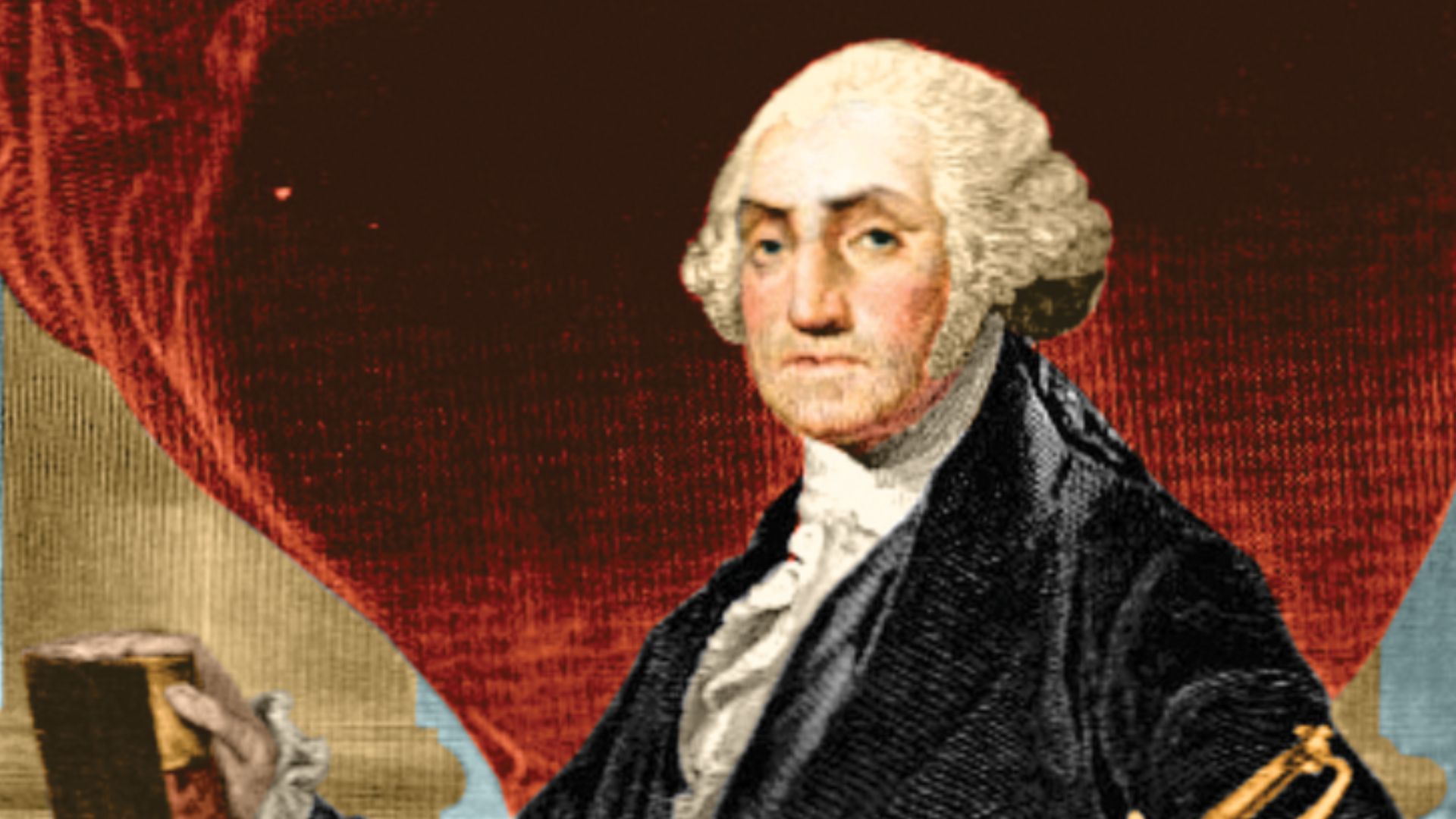
Hearing the countless voices urging him to run for the presidency again, Washington soon agreed not to retire and joined the race as the 1792 election approached. It turns out that people had never stopped admiring him, and once again, he received a unanimous vote, electing him as President of the US.
However, he wouldn’t always make the most popular decisions.
 Alonzo Chappel, Wikimedia Commons
40. He Stayed Out Of It
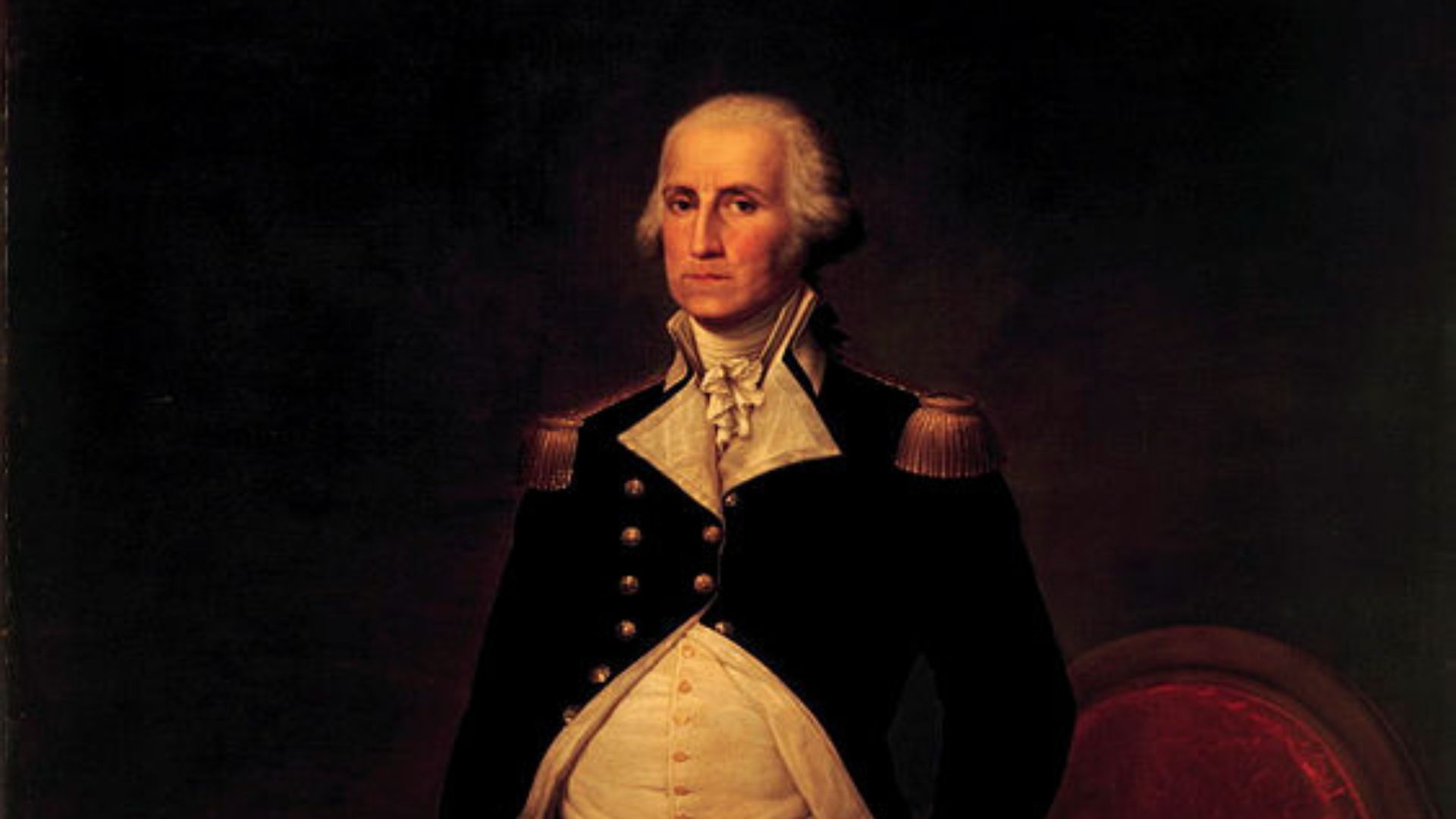
Although France had proven such an integral ally to America during the Revolution, the US wouldn’t return the favor—and it was all due to Washington’s decision. When it was France’s turn for revolution, the last thing the president wanted was to risk America in a new conflict, so he ultimately declared that the US would remain neutral.
Unfortunately, it seemed Washington was doomed to make poor decisions—especially in the view of one man.
 Luis Cadena, Wikimedia Commons
41. He Didn’t Agree With Him
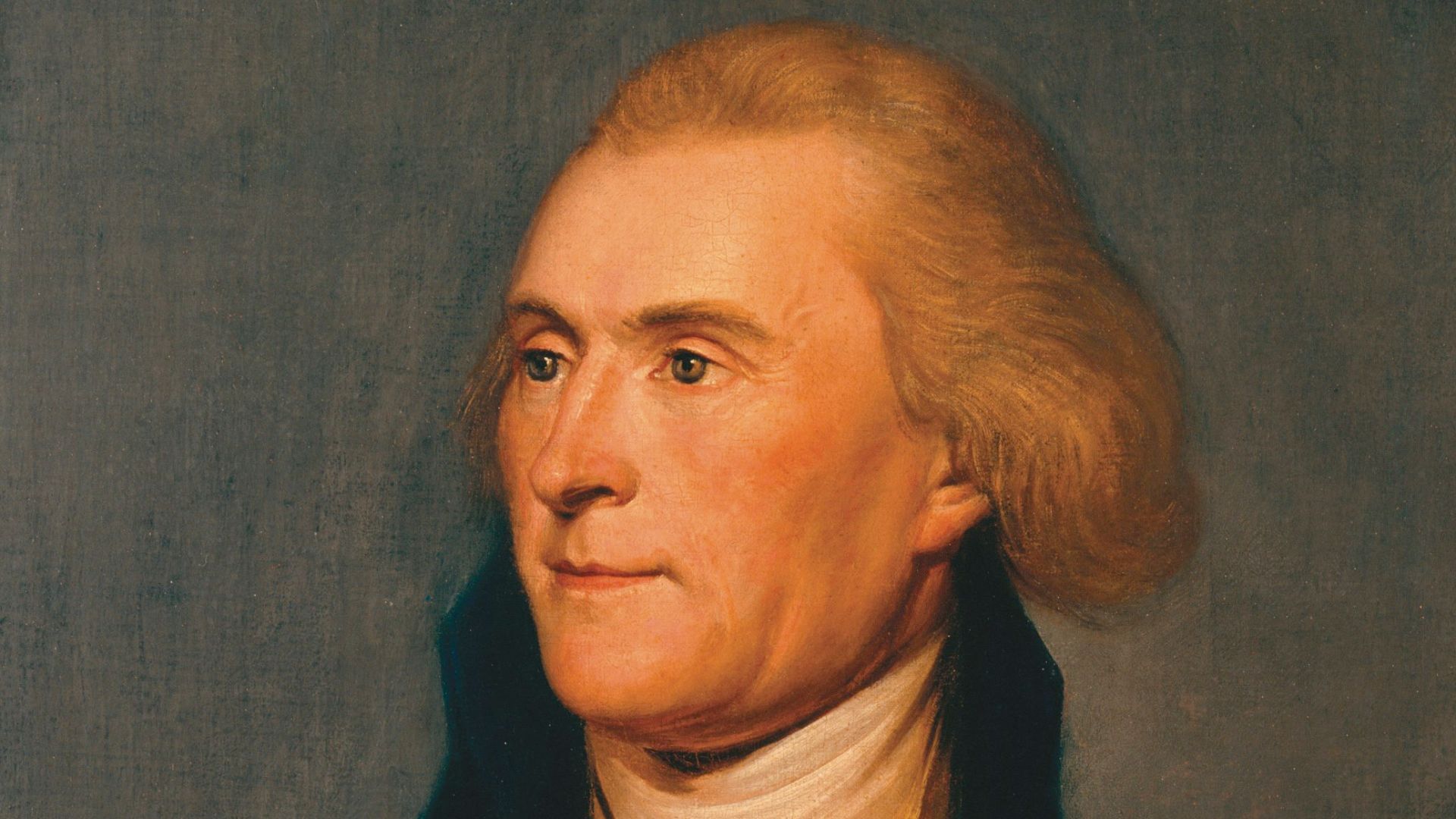
Not only did America seem to turn its back on its former allies, but with the Jay Treaty that George Washington had ratified in 1794, the US was becoming more chummy with the British. As the treaty would open up trade with Britain, Jefferson feared this would only upset France—and could even set the stage for another widespread conflict.
Soon enough, Washington would have much more to worry about than Jefferson’s criticisms.
 Charles Willson Peale, Wikimedia Commons
42. They Turned On Him
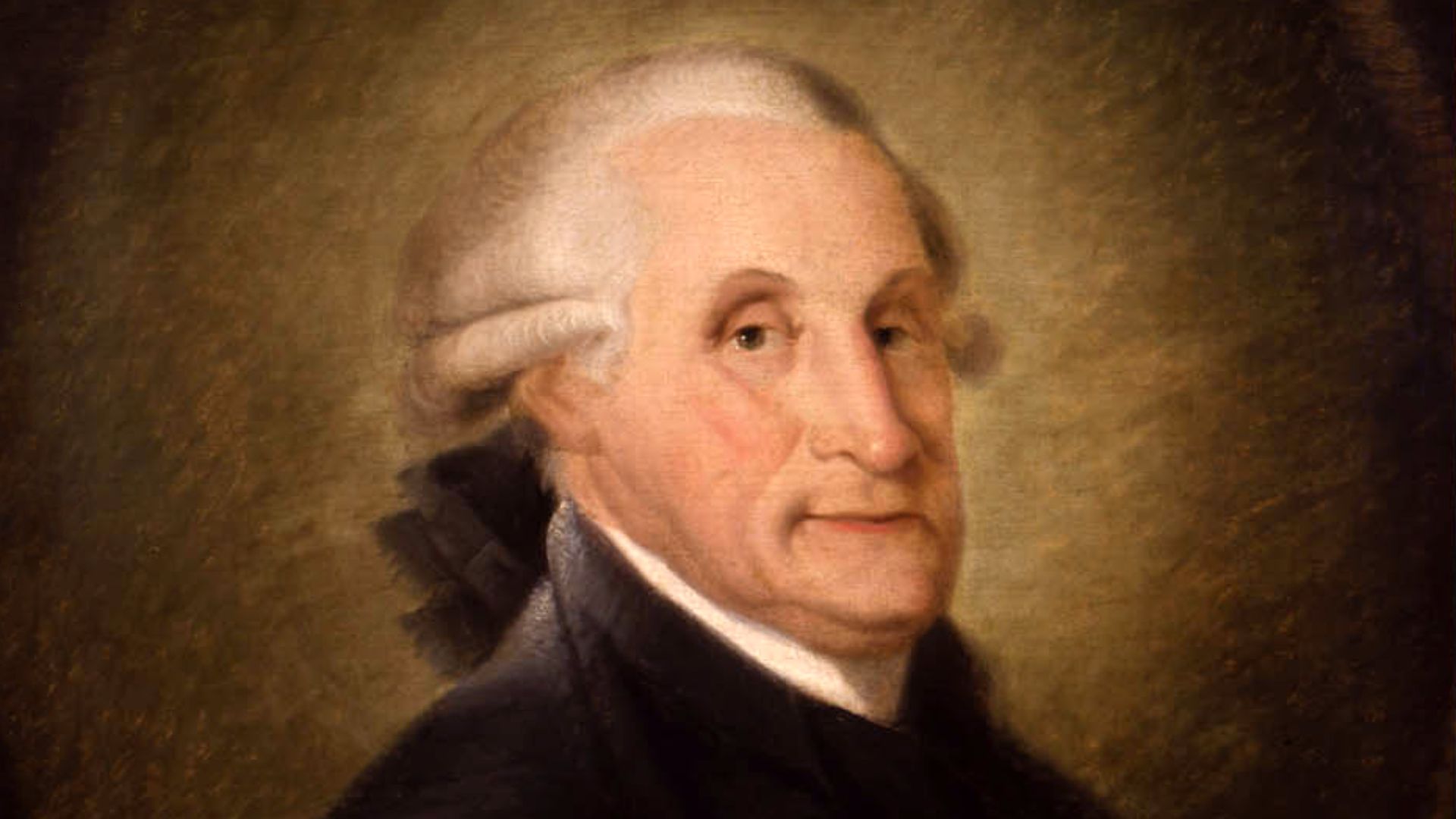
Washington only continued on to a second term because of all the praise and affirmation he received during his first, but this wasn’t the case anymore. His number of opponents grew and became much more vocal, criticizing him as an ineffective leader at best and a greedy, self-serving one at worst.
He knew he couldn’t continue, but he needed the right person to help him say goodbye.
 Christian Gullager, Wikimedia Commons
43. He Revised It All
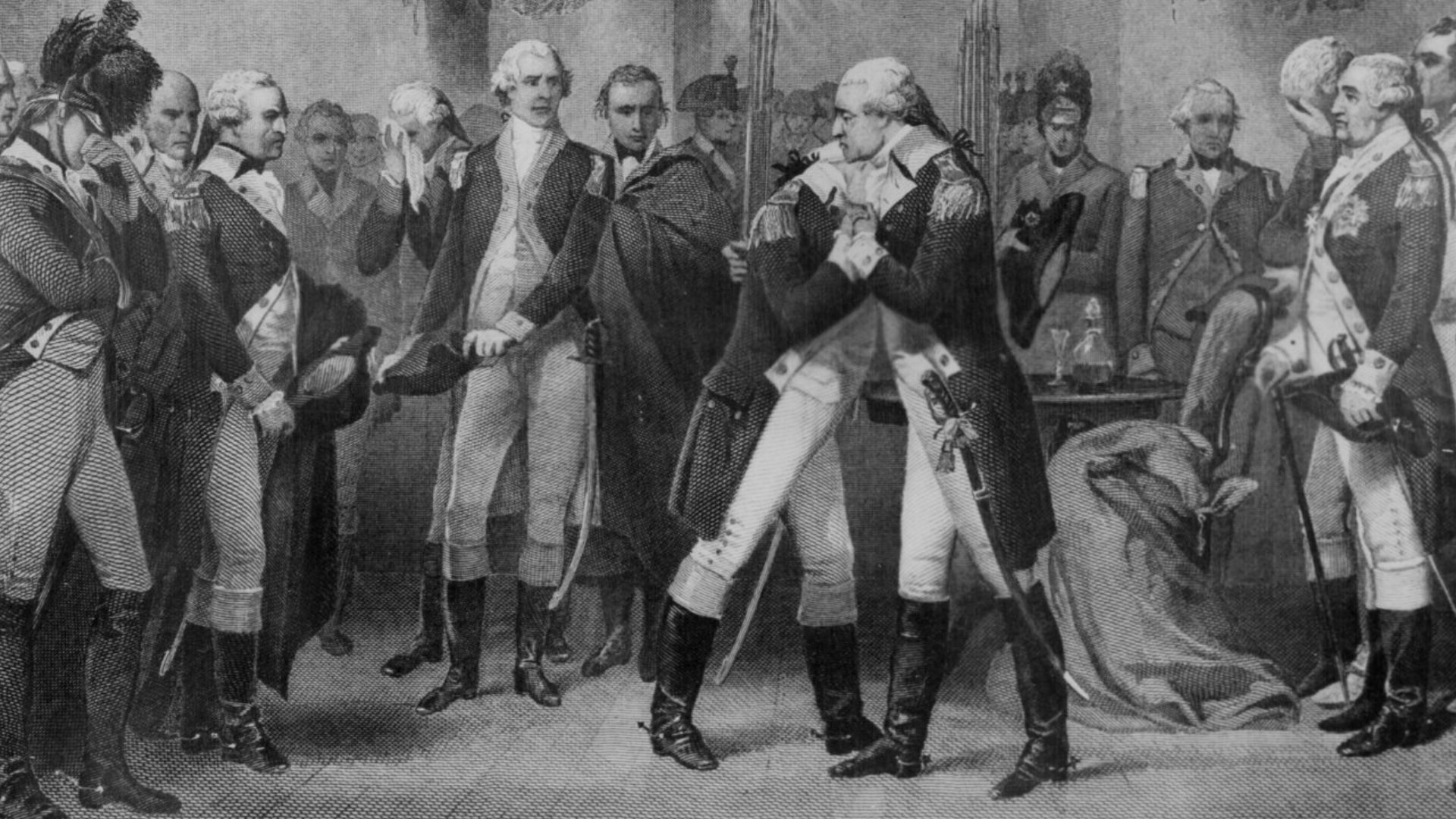
By this point, George Washington had a reputation for his powerful speeches, and after deciding that this second term would be his last, he knew he would have to go out with a bang. As his retirement drew near, he enlisted James Madison to write his farewell address. However, the result wasn’t exactly to his liking, so he instead brought in Hamilton, who completely rewrote almost all of the address before Washington finally approved it.
Sadly, this wouldn’t be the last time he said goodbye before the turn of the century.
 Alonzo Chappel, Wikimedia Commons
44. He Came Down With Something
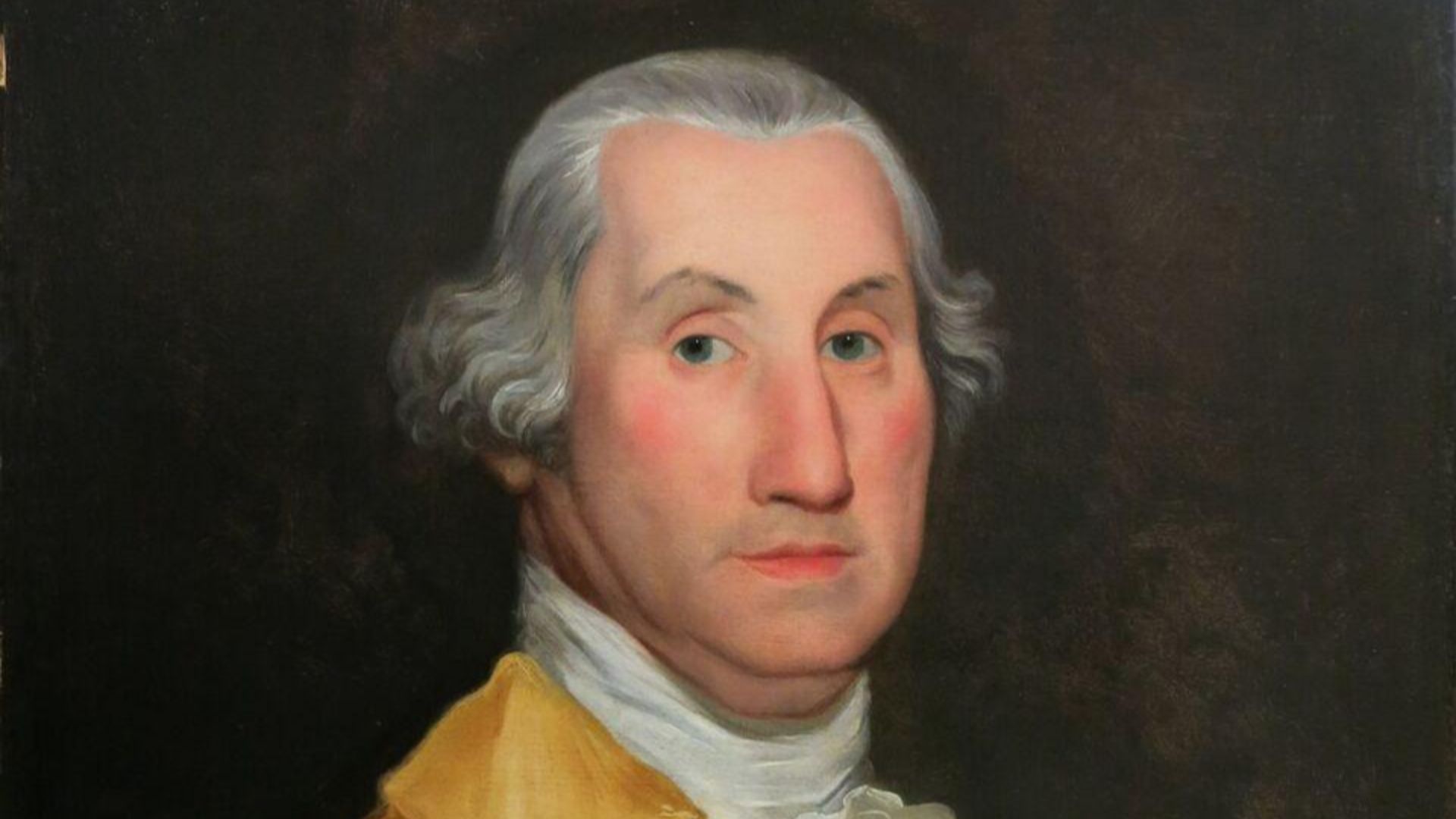
After officially retiring from office in March 1797, Washington returned to Mount Vernon to live out the rest of his life as a businessman—but this wouldn’t be for long. One day, two years later, he spent nearly five hours out in the freezing rain inspecting the farms on his plantation before heading inside for dinner. To make matters worse, he didn’t change out of his soaking clothes for the rest of the evening, causing him to develop a sore throat.
Unfortunately, it was soon clear that this was much worse than the common cold.
 Joseph Wright, Wikimedia Commons
45. They Called For Help
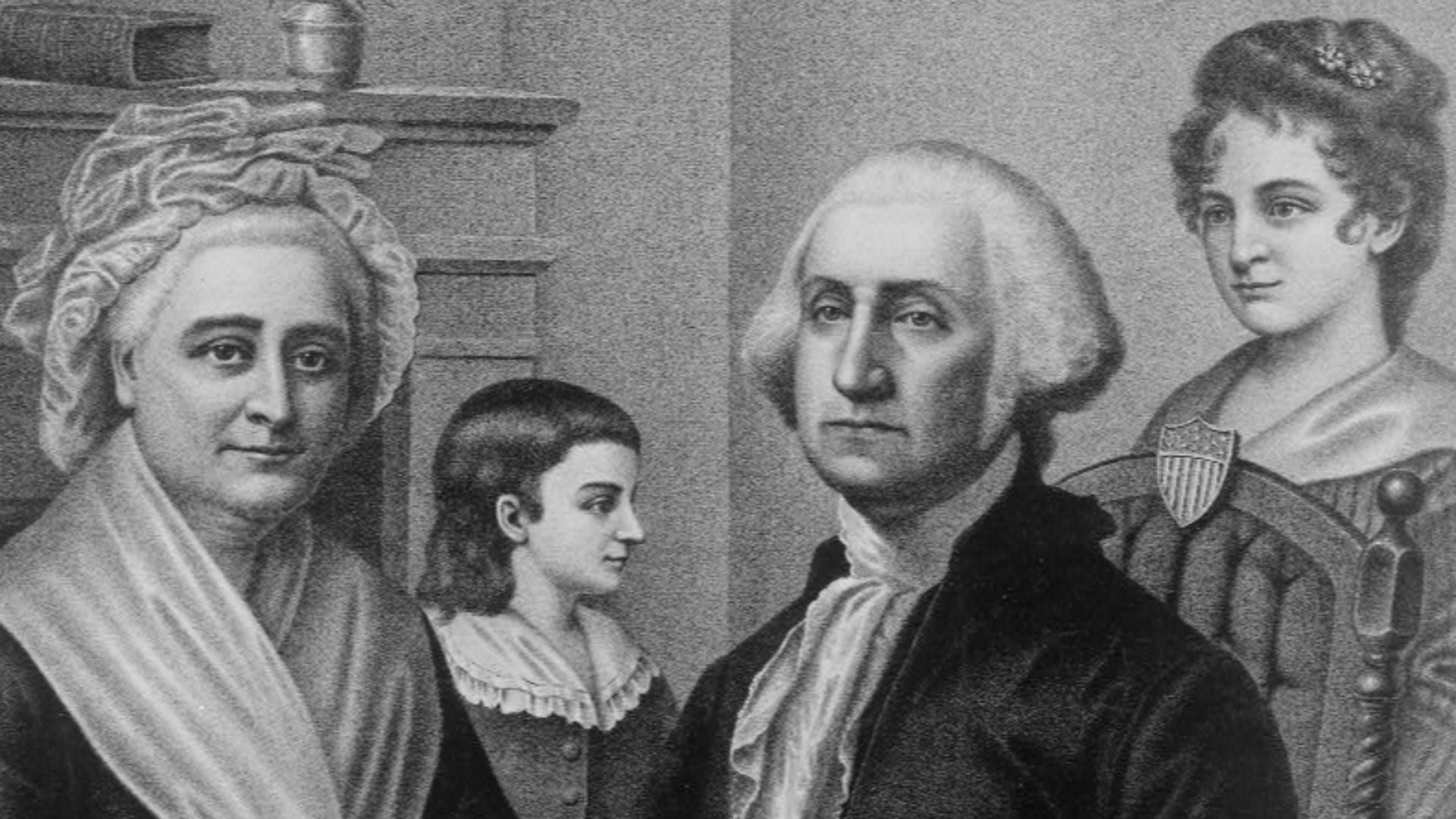
At first, George Washington believed his sore throat was nothing to worry about, but as he awoke the next day, his condition had become so severe that he could hardly breathe. Following the common treatment of bloodletting, he had his estate overseer extract almost a whole pint of his blood. However, his family didn’t believe this was adequate, and they called on three different doctors to come and help him.
They tried everything they could think of to treat him—but it wasn’t enough.
 Kurz & Allison., Wikimedia Commons
46. They Weren’t Helping
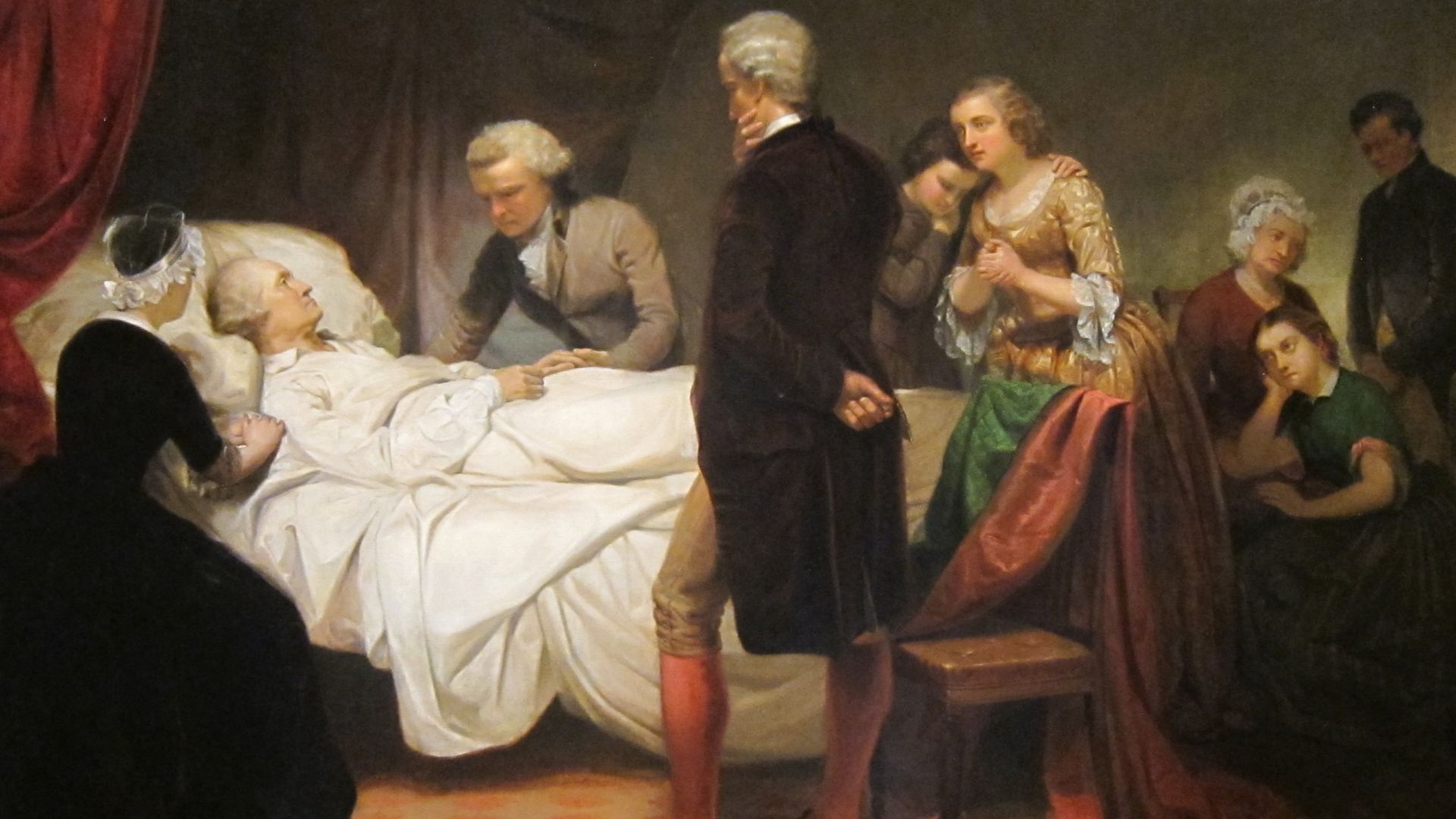
Washington’s doctors rushed to Mount Vernon with the utmost urgency, hoping to treat whatever illness he was suffering from, but their course of action wasn’t too different from his own. Draining him of about five more pints of blood, they soon discovered that it wasn’t doing anything to alleviate his symptoms. One of the doctors suggested a tracheotomy, but this idea was immediately overruled as the other two didn’t know how to perform it.
Realizing that his end was drawing near, Washington still had a few things to take care of.
 Junius Brutus Stearns, Wikimedia Commons
47. He Gave Him Instructions
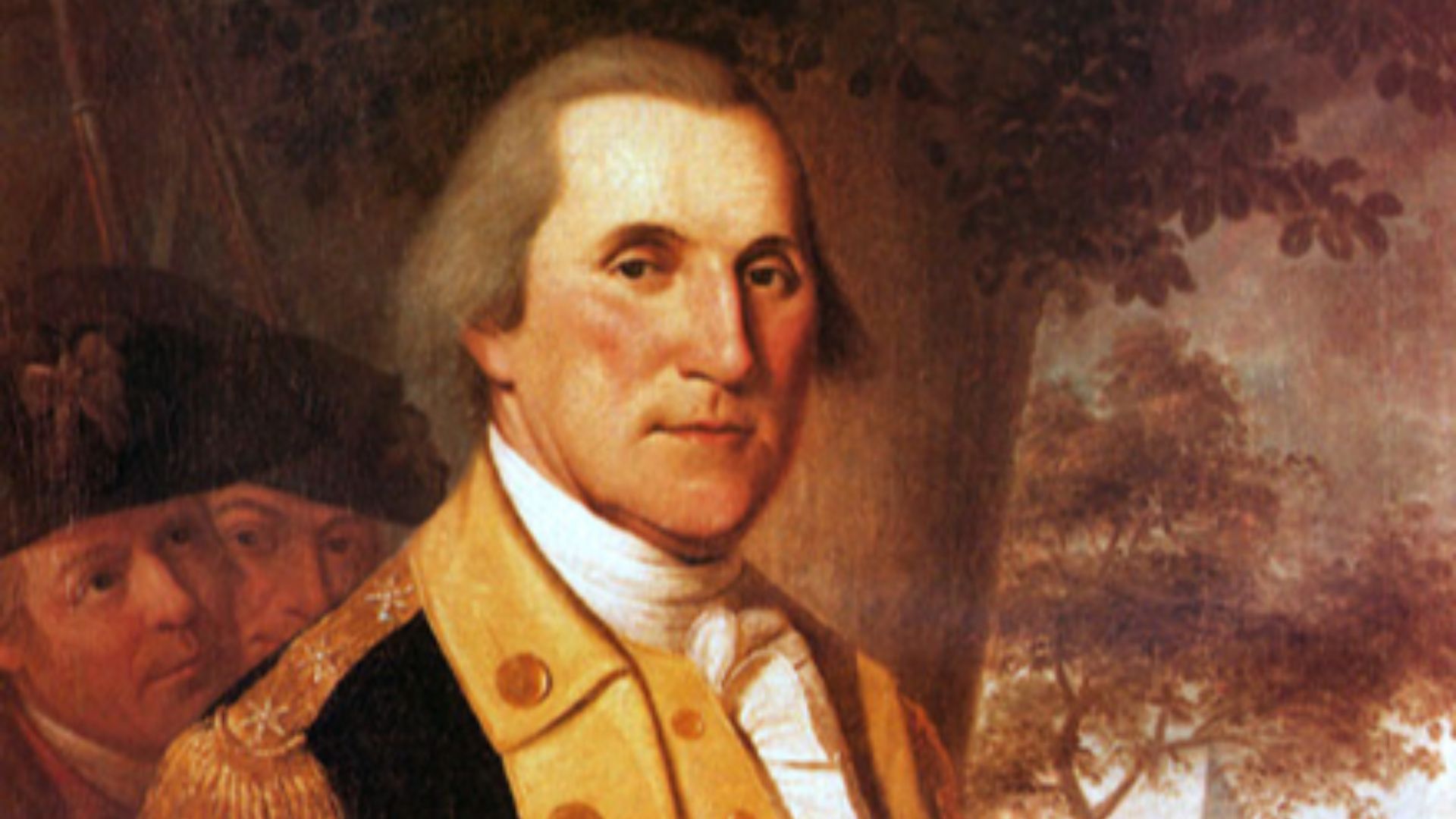
While it had certainly come out of the blue, Washington greeted his end with the same courage he showed in life, but he was nervous about one thing. The prospect of accidentally being buried alive terrified him, so he left orders for his staff to wait three days before laying him to rest. Finally, on the night of December 14, 1799, he took his last breath, mere moments after speaking his final words to Martha—“Tis well”.
At the time, Washington’s illness was somewhat of a mystery—but not anymore.
 James Peale / After Charles Willson Peale, Wikimedia Commons
48. They Figured It Out
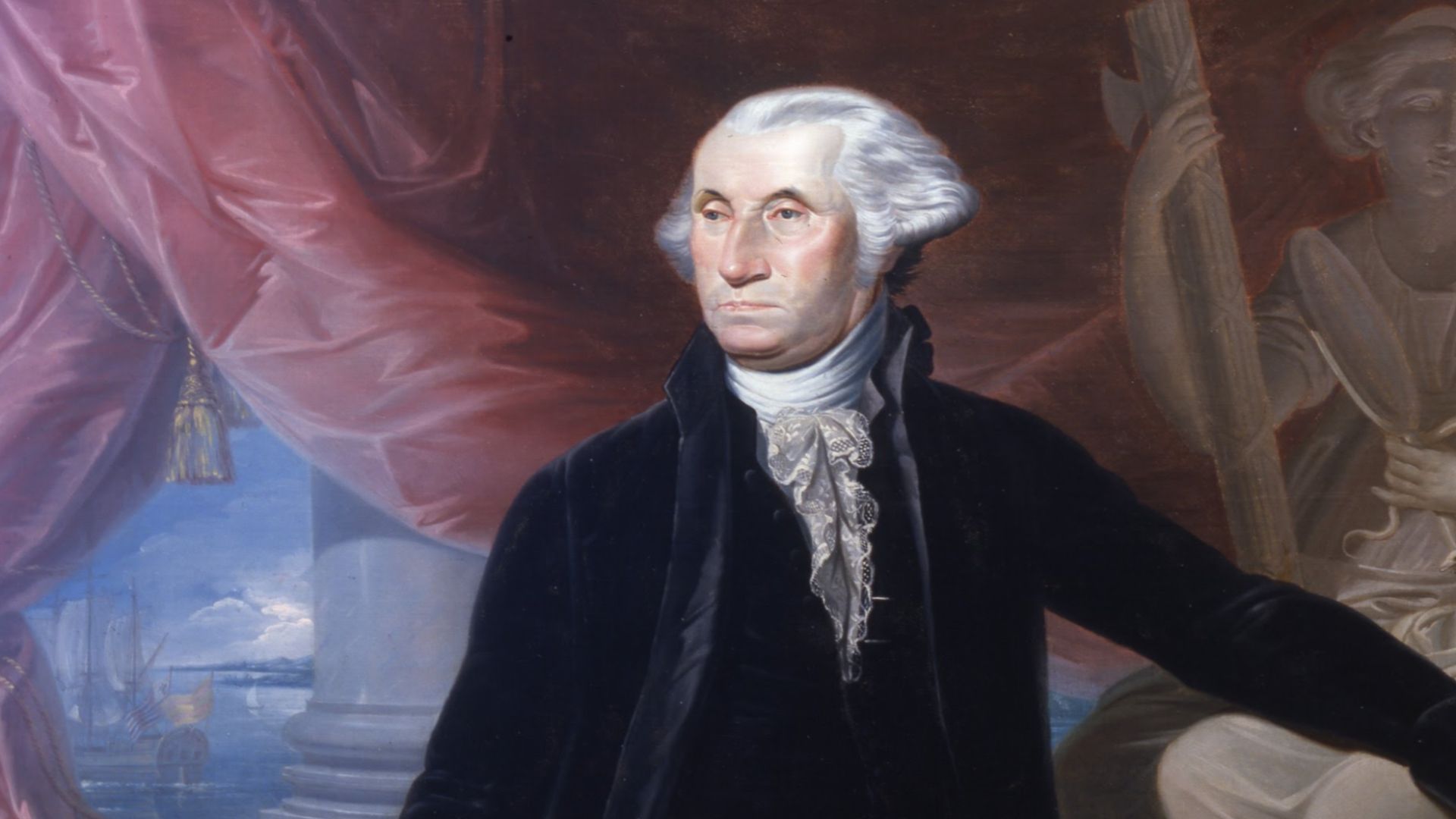
While there is no way to know for sure what illness ultimately took Washington’s life, scholars in the centuries since have come up with several ideas. The most widely believed theory is that he developed a particularly nasty case of epiglottitis, and while his doctors thought they were helping him, their treatments likely only made his suffering worse.
Despite all the qualities many applauded him for, he was hardly as perfect as some chose to see him.
 Giuseppe Perovani, Wikimedia Commons
49. He Didn’t Do Enough
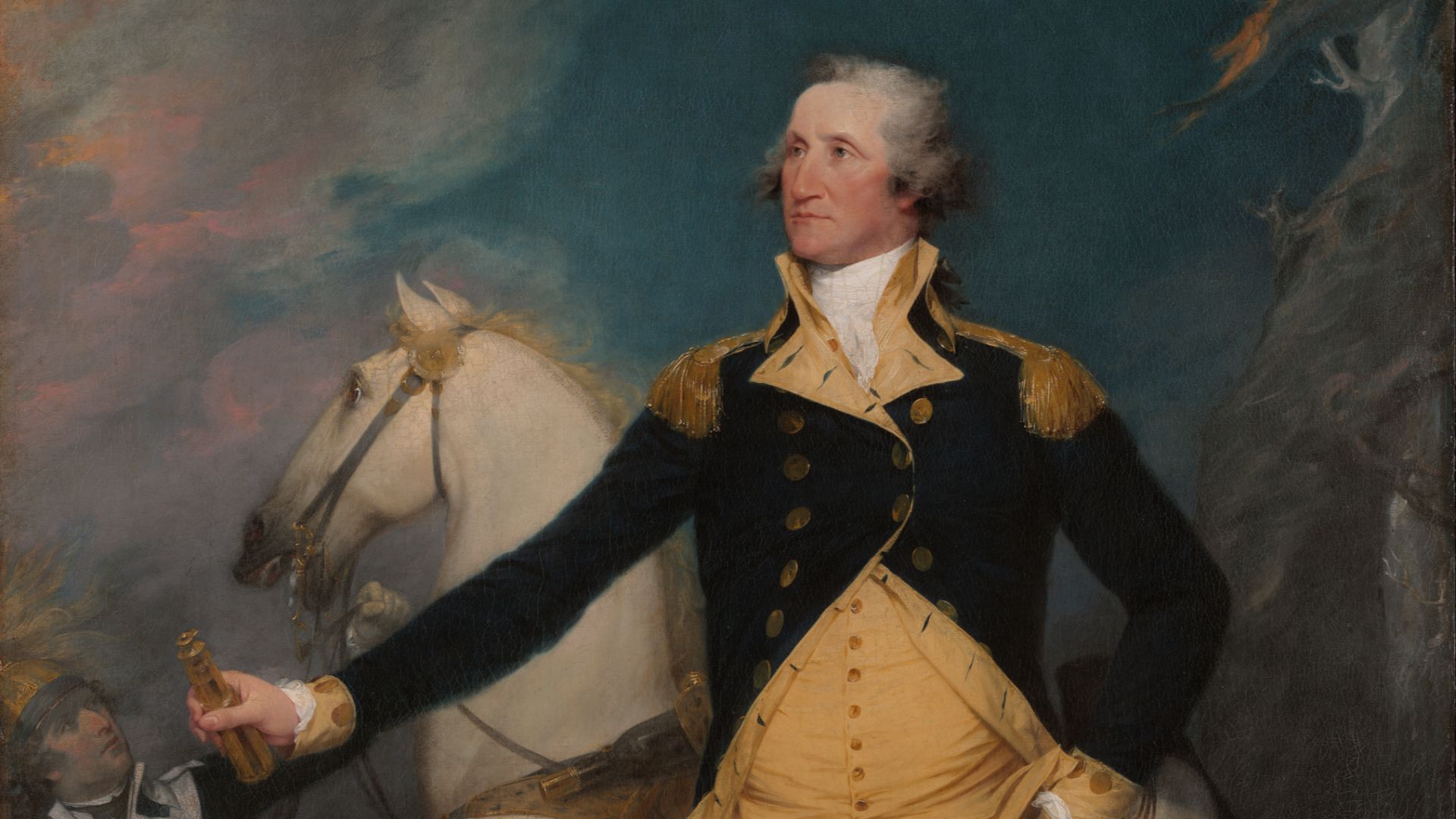
Among his greatest attributes, it’s important to recognize that for many, Washington played the part of a villain. One of the biggest criticisms against him is that, beyond owning slaves himself, he also allowed slavery to flourish under his leadership. While some assert that he called for its abolition on several occasions, this was little more than an opinion he developed later in life without any real actions to back it up.
Nonetheless, he remains one of the most iconic figures in American history—if not the most iconic.
 John Trumbull, Wikimedia Commons
50. He Was Immortalized
Although he was never the pinnacle of humanity that many believed him to be, and his career as an army commander was far from flawless, George Washington remains the most recognizable American leader in history. Keeping his legacy alive, the US has honored him through the names of several major landmarks, as well as both the state of Washington and the nation’s capital.
You May Also Like:
Revolutionary Facts About The Founding Of The United States Of America
Strange But True Facts About The Revolutionary War