
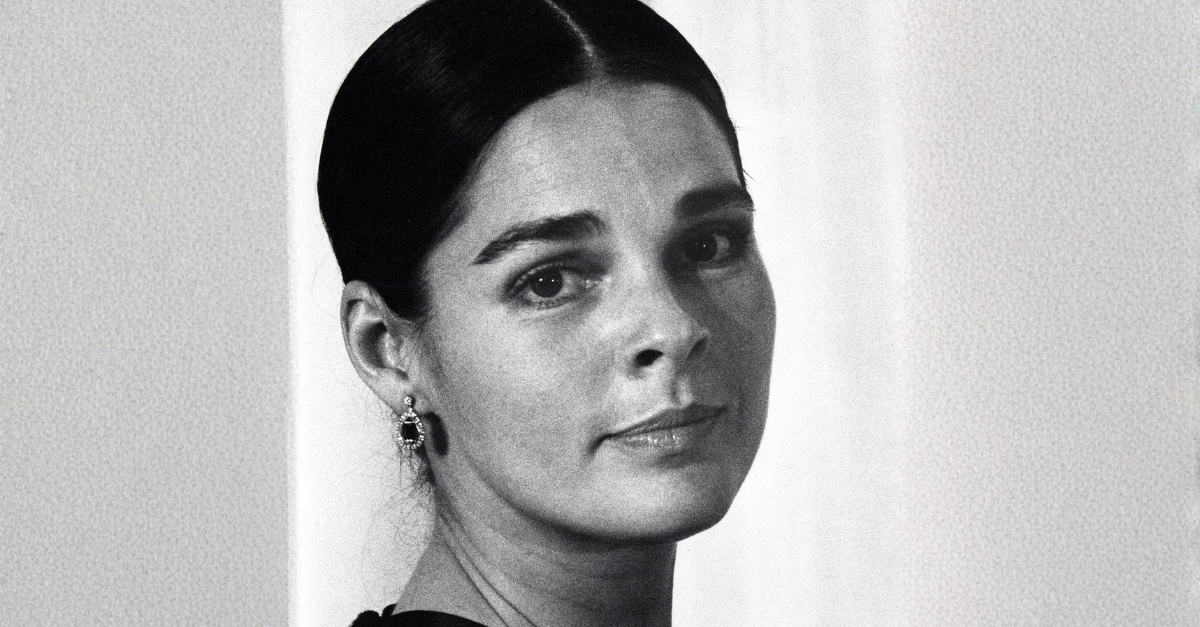
35. It Was A Disaster
The critics were not big fans of Players or MacGraw’s performance in it. One called her “simpering,” and another was more brutal. Brendan Gill, writing for The New Yorker, said that MacGraw was “unable to recite even the simplest lines with conviction”. The film barely broke even, and some even called it a “disaster”.
Failure was new to MacGraw, but it wouldn't stay that way for long.
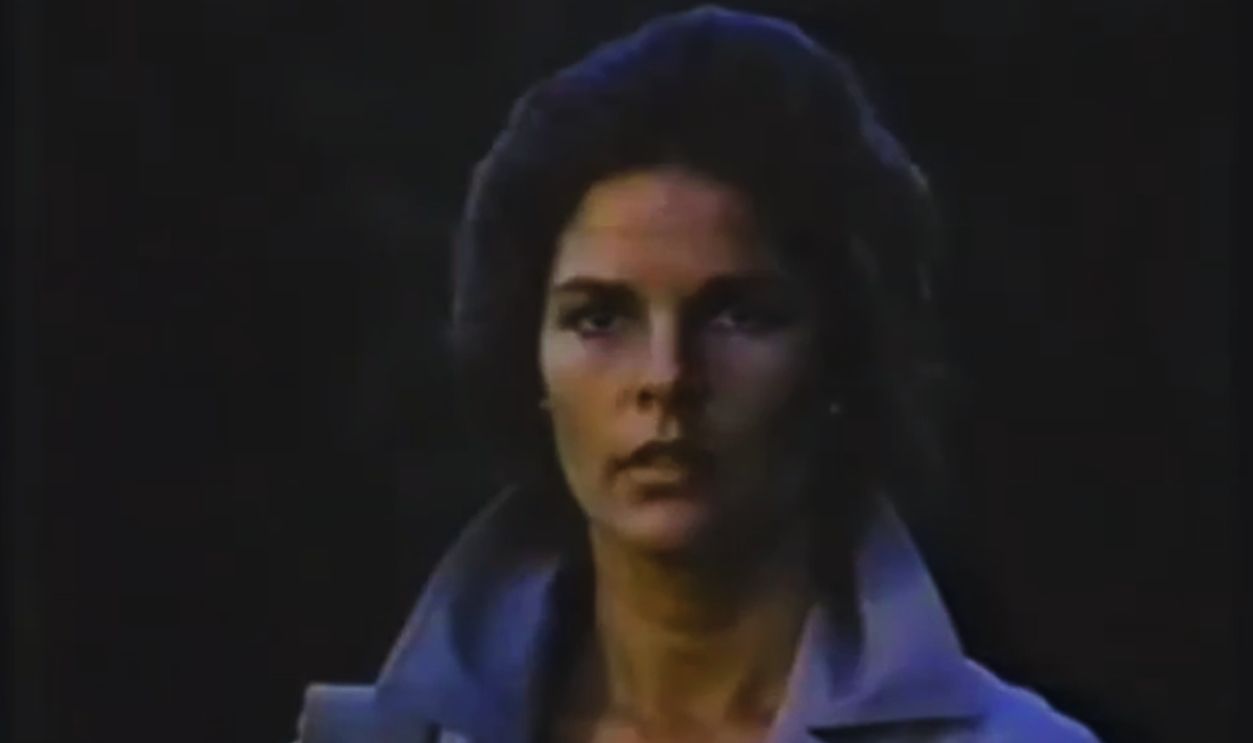 Screenshot from Players, Paramount Pictures (1979)
36. Just Tell Me What You Want
MacGraw followed up Players with Just Tell Me What You Want opposite Alan King. While certainly not as heavily criticized as Players, critics said of MacGraw’s work, “she is animated and playful for the first time in memory”. The Stinkers Bad Movie Awards nominated Just Tell Me What You Want For The Most Painfully Unfunny Comedy award.
MacGraw was ready to give up on films altogether.
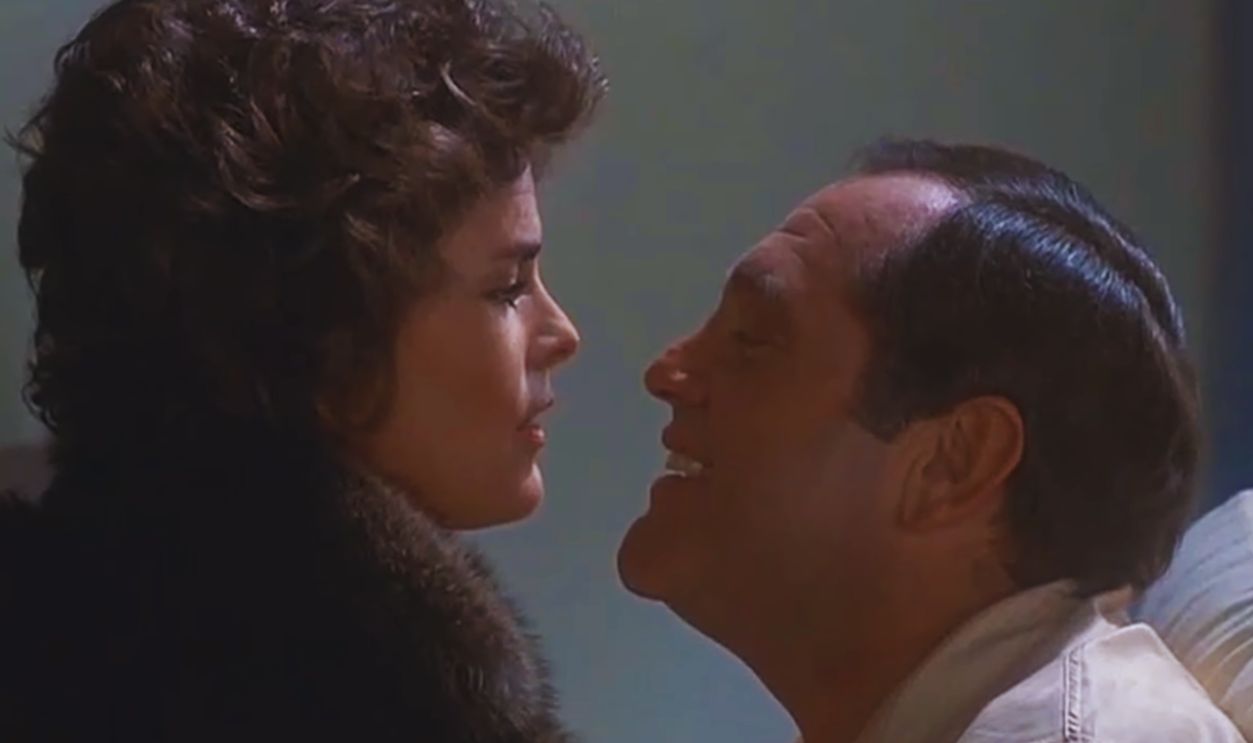 Screenshot from Just Tell Me What You Want, 20th Century Fox (1980)
37. She Tried TV
MacGraw may have been giving up on films, but there was still television. She dipped her toe in with the miniseries The Winds of War. This was a good place to start, as it had a respectable cast of other moviestars, like Robert Mitchum. It also went on to become “the most watched miniseries up to that time”.
Her first foray into TV was a success. Her second would become infamous.
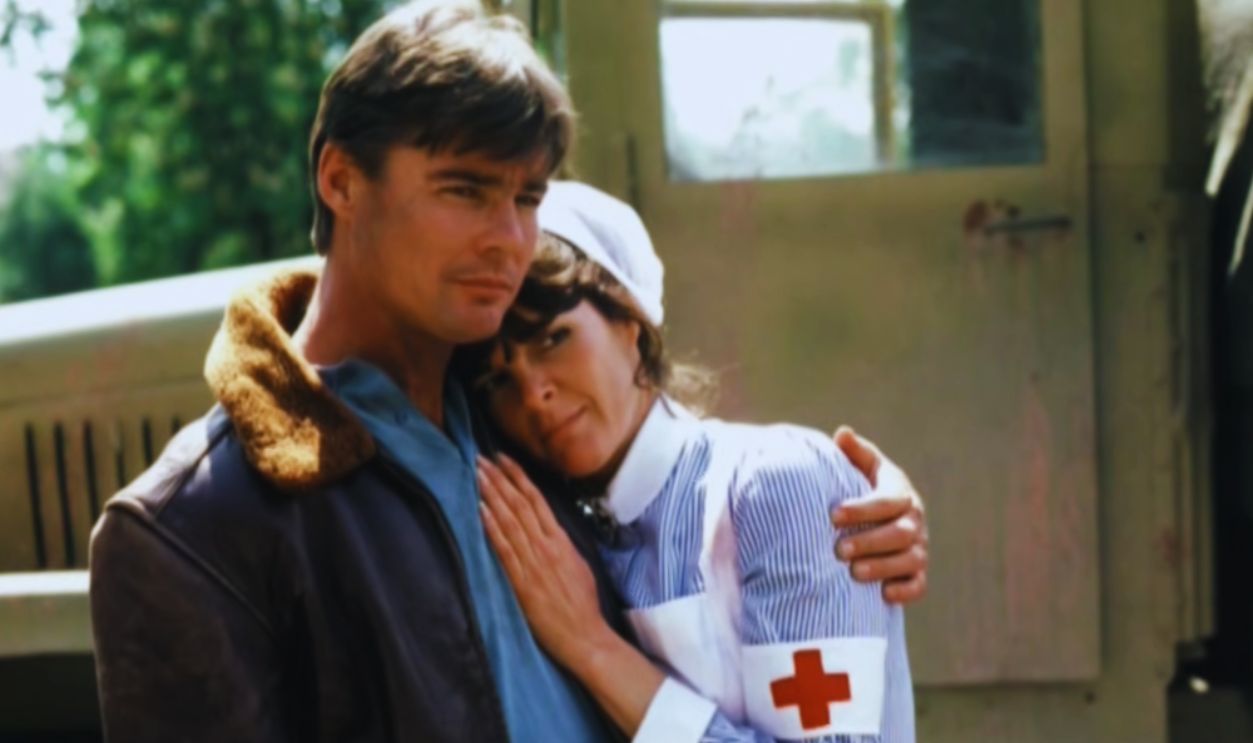 Screenshot from The Winds of War, ABC / Paramount Television (1983)
38. She Made TV History
In 1985, MacGraw joined the cast of the prime-time soap opera Dynasty as Lady Ashley Mitchell. Little did she know, but she was about to become a part of one of the most talked-about cliffhangers in TV history. The end of MacGraw’s season on Dynasty featured a wedding. When the writers had terrorists attack the wedding, they knew they were making TV history.
The thing was, MacGraw didn't really know what was happening.
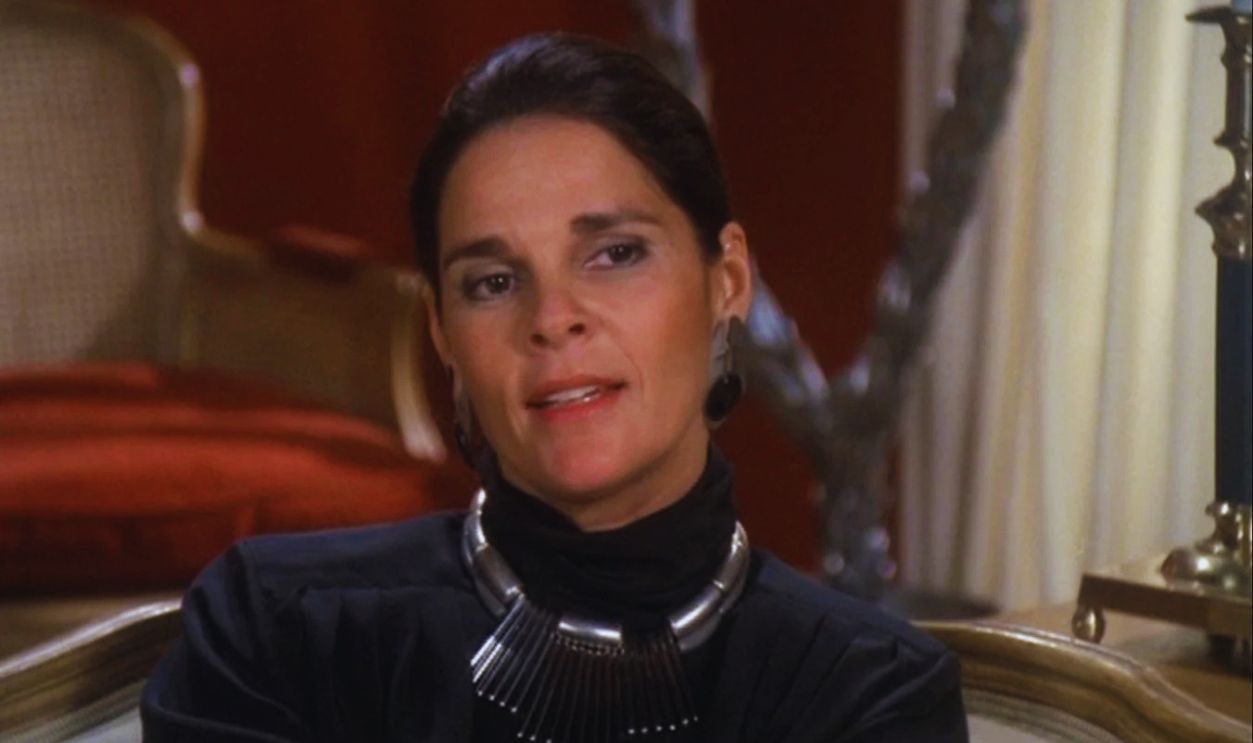 Screenshot from Dynasty, Aaron Spelling Productions/20th Century Fox Television (1981–1989)
39. She Was In The Dark
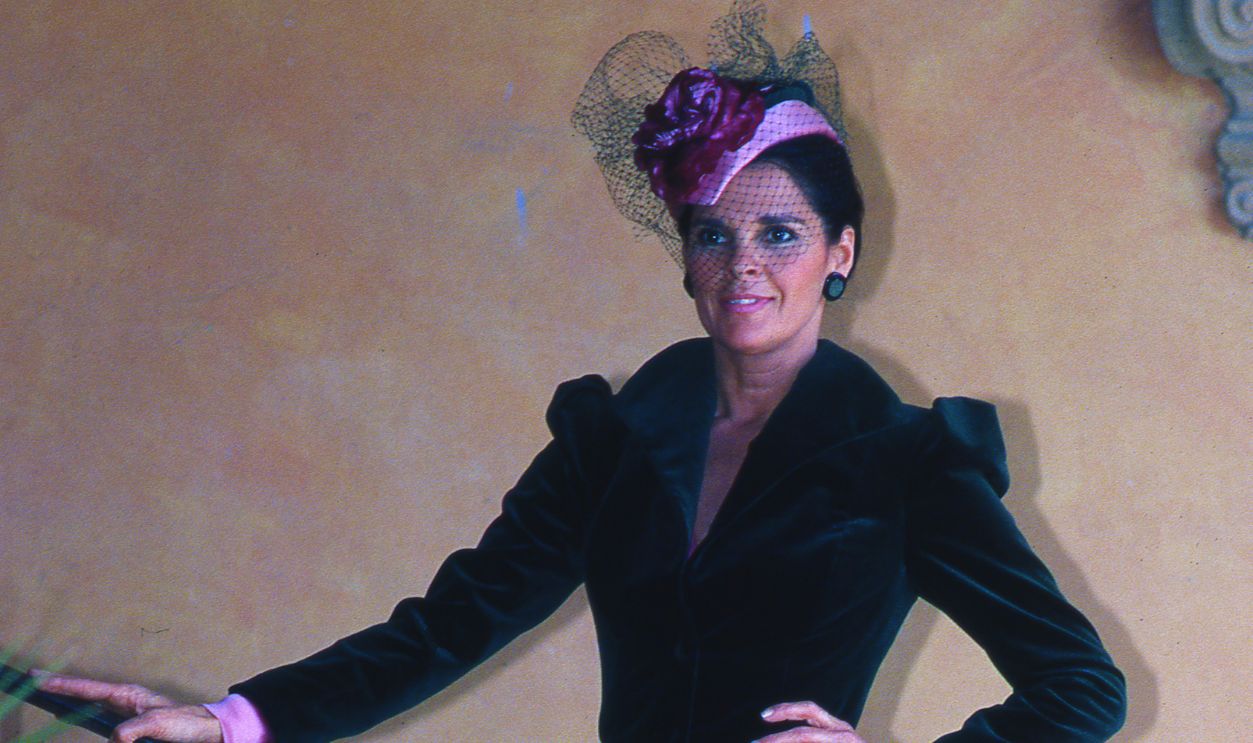
In order to keep this Dynasty cliffhanger a secret, the writers didn’t tell all of the cast who was going to survive the massacre. Most of the cast were lying on the ground, either injured or deceased, and the idea was that the audience would be on the edge of their seats, wondering who had survived. A confused MacGraw didn’t know if she should close her eyes or leave them open.
When she asked, she found out her character’s fate.
40. She Was Covered In Blood
Between shots, the associate producer on Dynasty was personally spraying fake blood all over the cast. In her confusion, MacGraw asked the associate producer if she should close her eyes or leave them open. His remark was, “Closed, stupid. You’re dead”. And that was the end of MacGraw’s career on Dynasty.
But things in her personal life were almost as tragic.
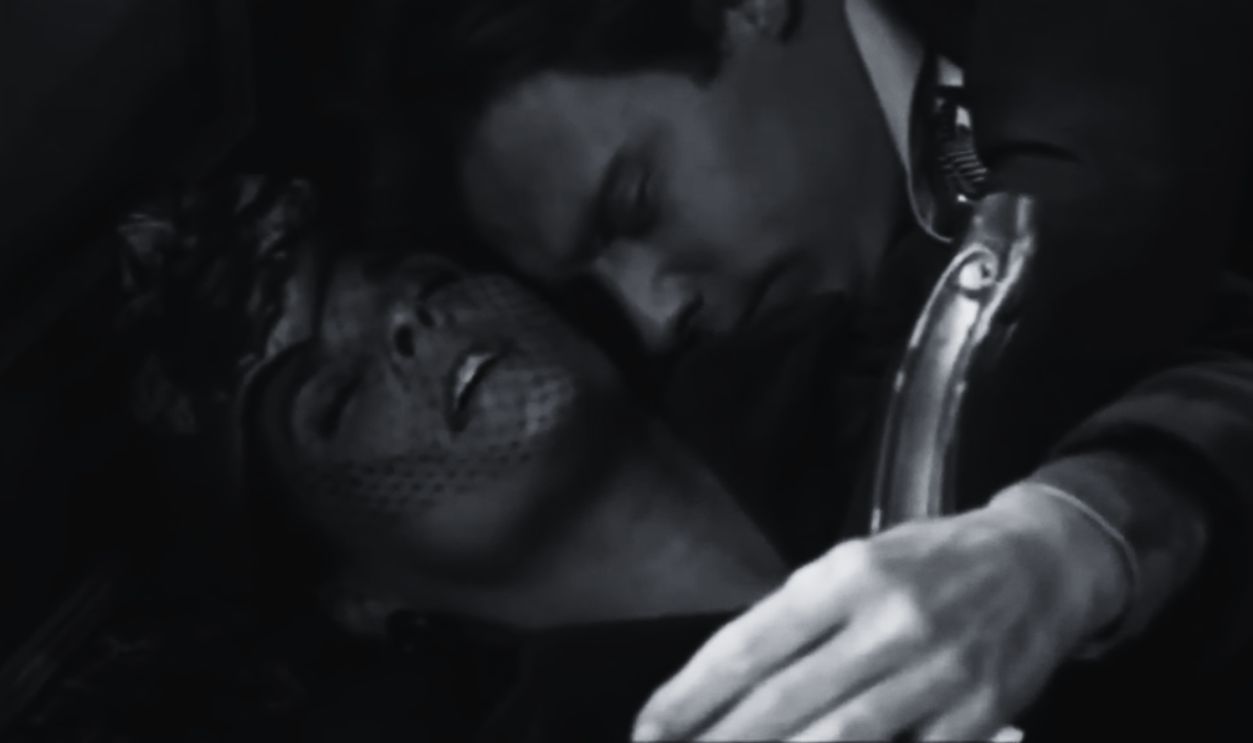 Screenshot from Dynasty, Aaron Spelling Productions/20th Century Fox Television (1981–1989)
41. She Reached Out For Help
In 1985, MacGraw was struggling with her drinking and pretty much figured she had some kind of love addiction. Well, Betty Ford could only help her with the former. She checked herself into Ford’s clinic and tried for sobriety. After a long battle, she emerged clean.
MacGraw was in her 40s and had to figure out what to do with her life.
42. She Felt Like A Loser
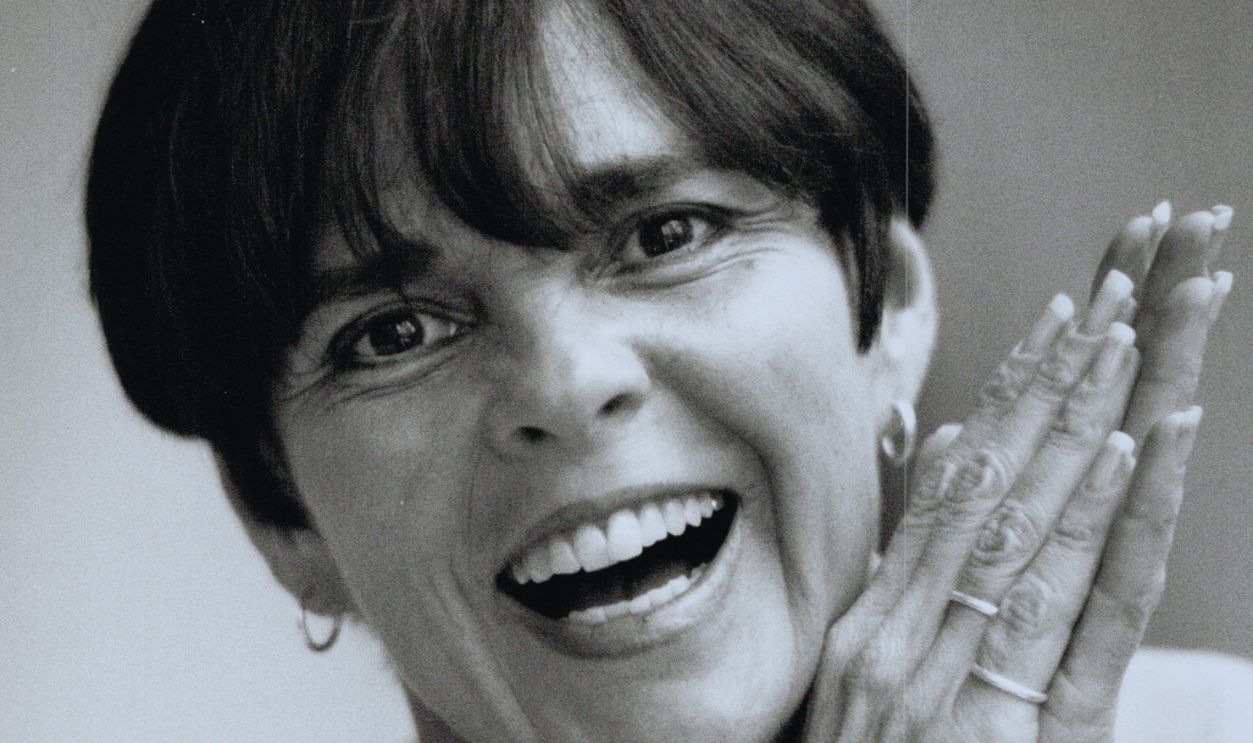
While she was trying to figure out her next step, tragedy struck. In the mid 1990s, her home in Malibu caught fire. This might have been an omen that it was time to leave LA. She packed her bags and moved to Tesuque, New Mexico. She later said she left LA so she “wouldn’t feel like such a loser”.
Soon, she’d return to movies but only for a very personal reason.
43. She Helped Her Son
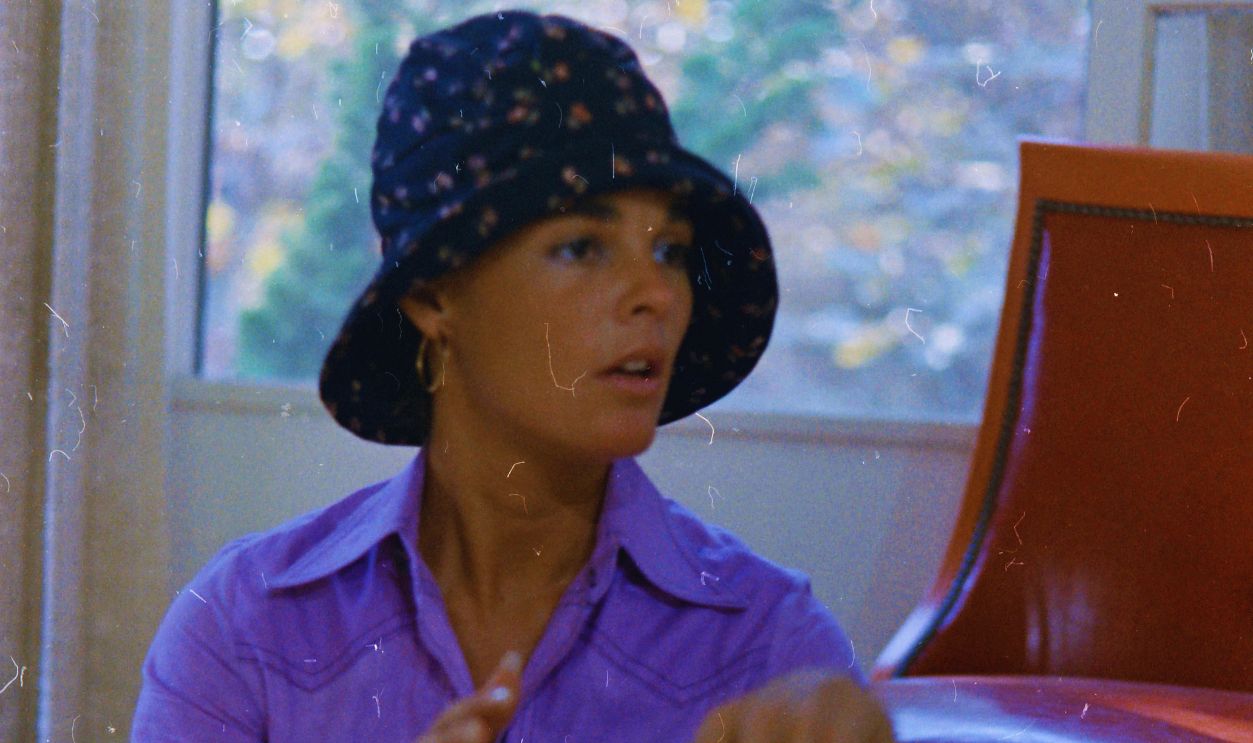
In the years following her recovery, MacGraw did some TV work. In 1997, she supported her son’s film career by appearing in his second feature as a director. Glam is a dark film about Hollywood and also features Tony Danza. Kevin Thomas from the Los Angeles Times called Josh Evans “fearless”, but this film was a little too arty for mass audiences.
In addition to helping out her son, MacGraw also hoped to help our furry friends.
44. She Loves Animals
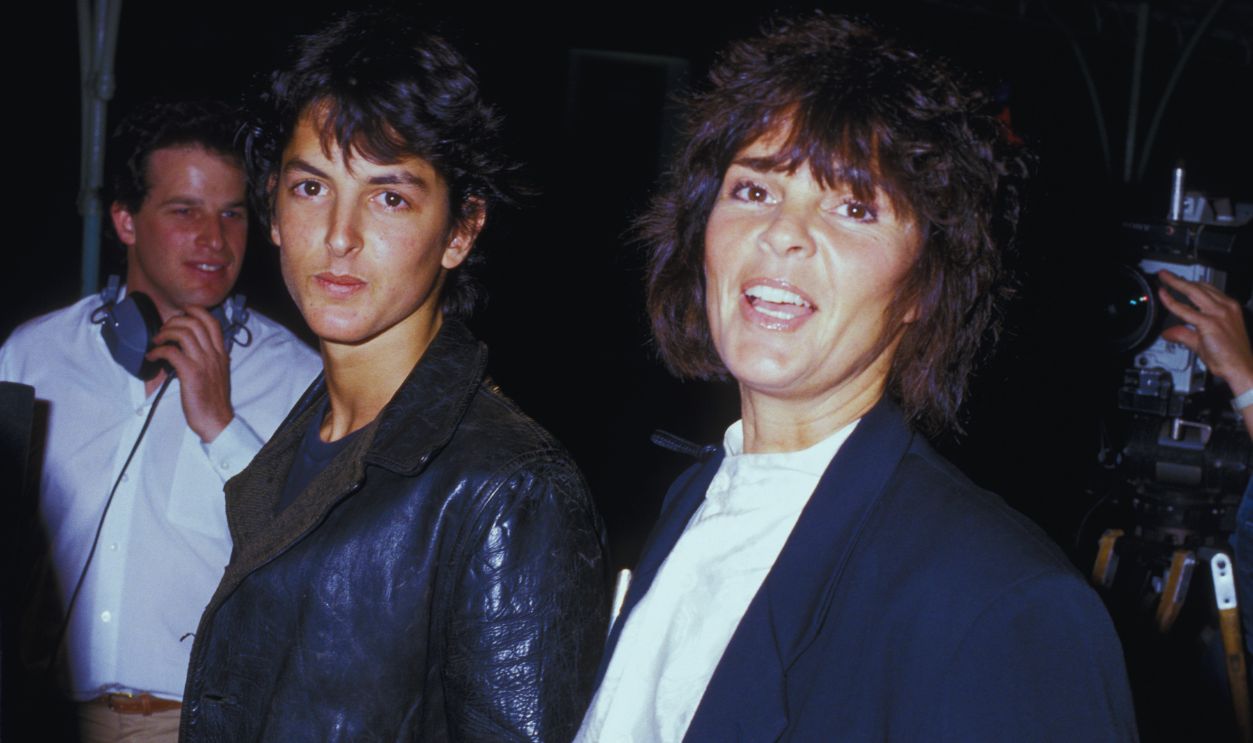
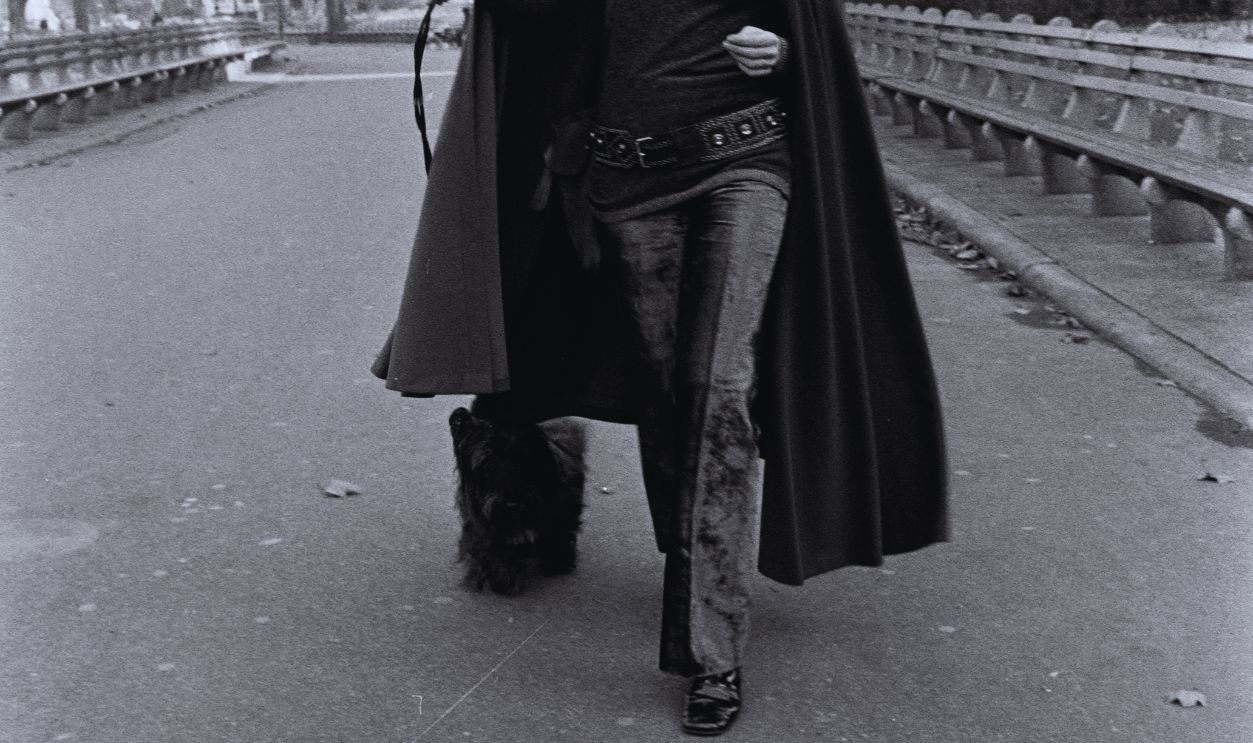
MacGraw has shown her love for animals in many ways. She made a Public Service Announcement for PETA to remind those evacuating due to wildfires to bring their pets with them. She lobbied to end the practice of cockfighting in New Mexico. She also has her own pets: six Scottish Terriers at last count.
She also focused on healing herself.
45. She Hit the Mat
While in her 50s, MacGraw discovered the healing powers of yoga. Her video, Ali MacGraw Yoga Mind and Body, had a huge impact. In 2007, Vanity Fair magazine declared that she had been instrumental in bringing yoga to the masses in America. MacGraw had successfully pivoted her life away from acting.
And then she surprised everyone—and herself—by pivoting back.
 Screenshot from Ali MacGraw: Yoga, Mind & Body, Warner Home Video (1994)
46. She Was Still Nervous
After a 10-year break from acting, MacGraw got an offer to appear on Broadway. The Celebration was the English version of a disturbing Danish play about a dysfunctional family. Even after all her years as an actor, she told New York magazine that she was very nervous about acting on stage. MacGraw’s troubled life was a source of inspiration for her role.
But MacGraw shouldn't have felt insecure. She’s earned her fair share of positive attention.
47. She Got Her Share Of Recognition
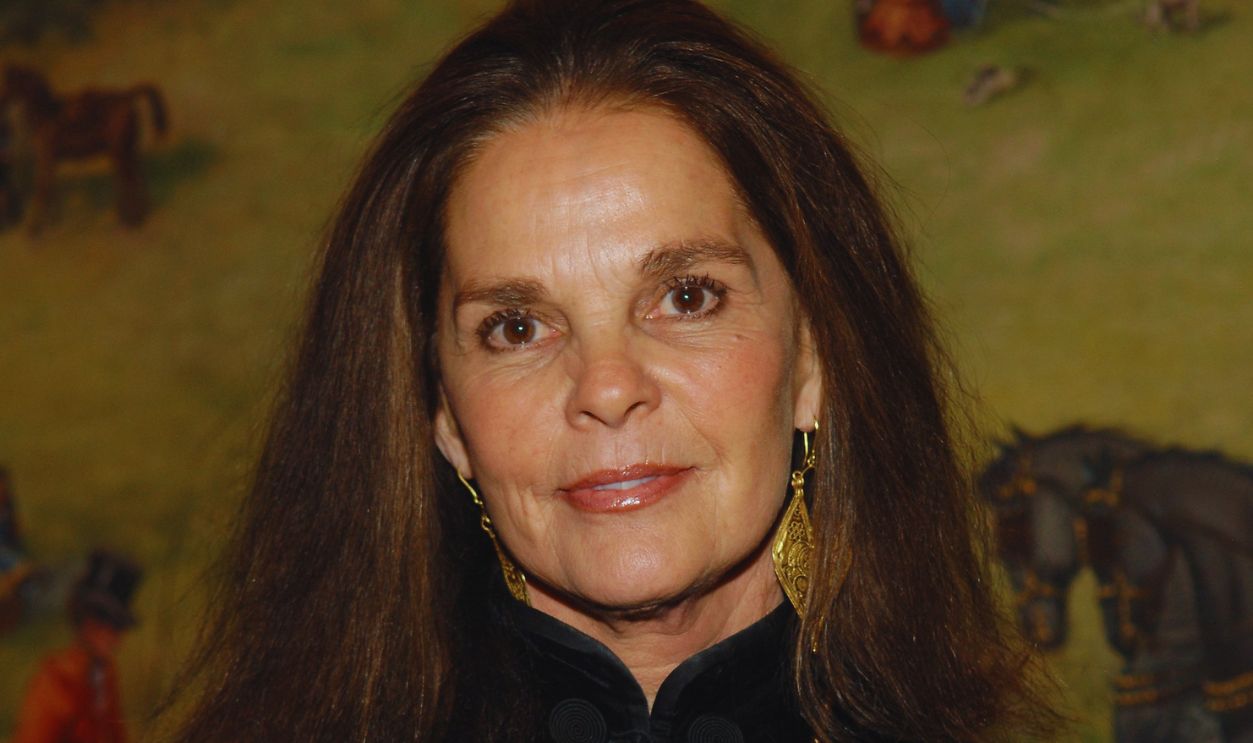
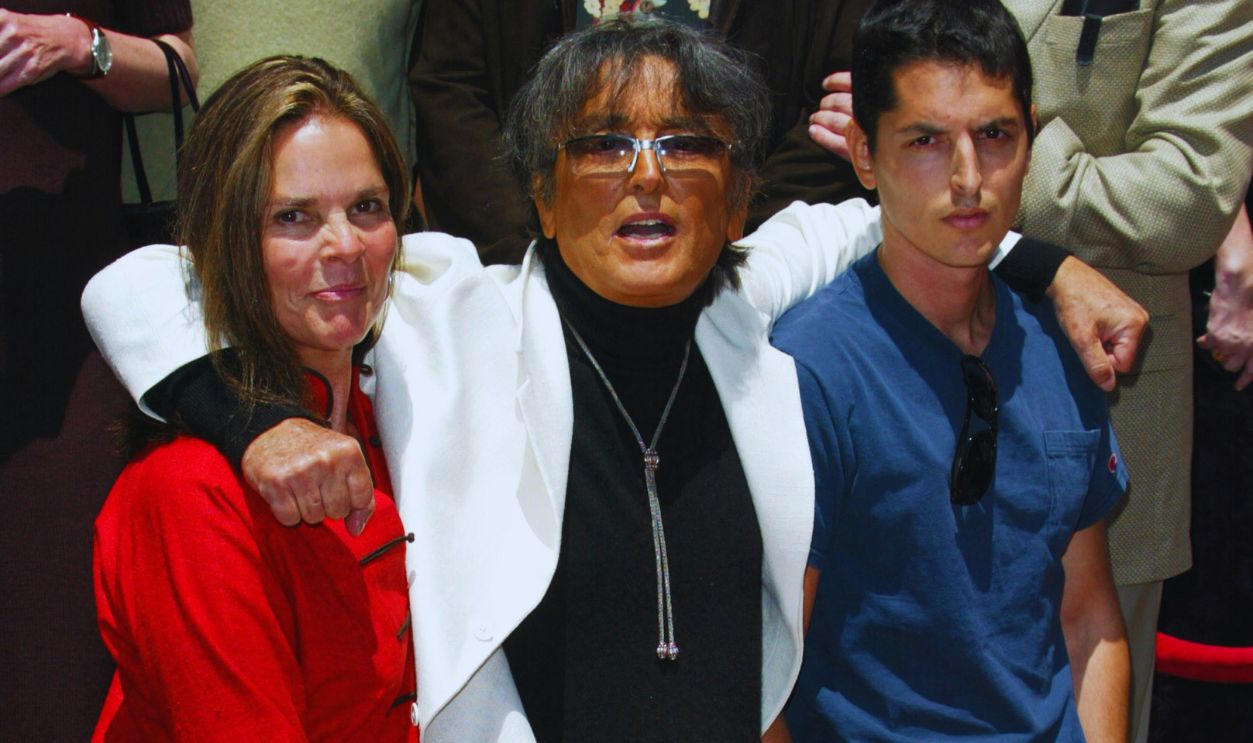
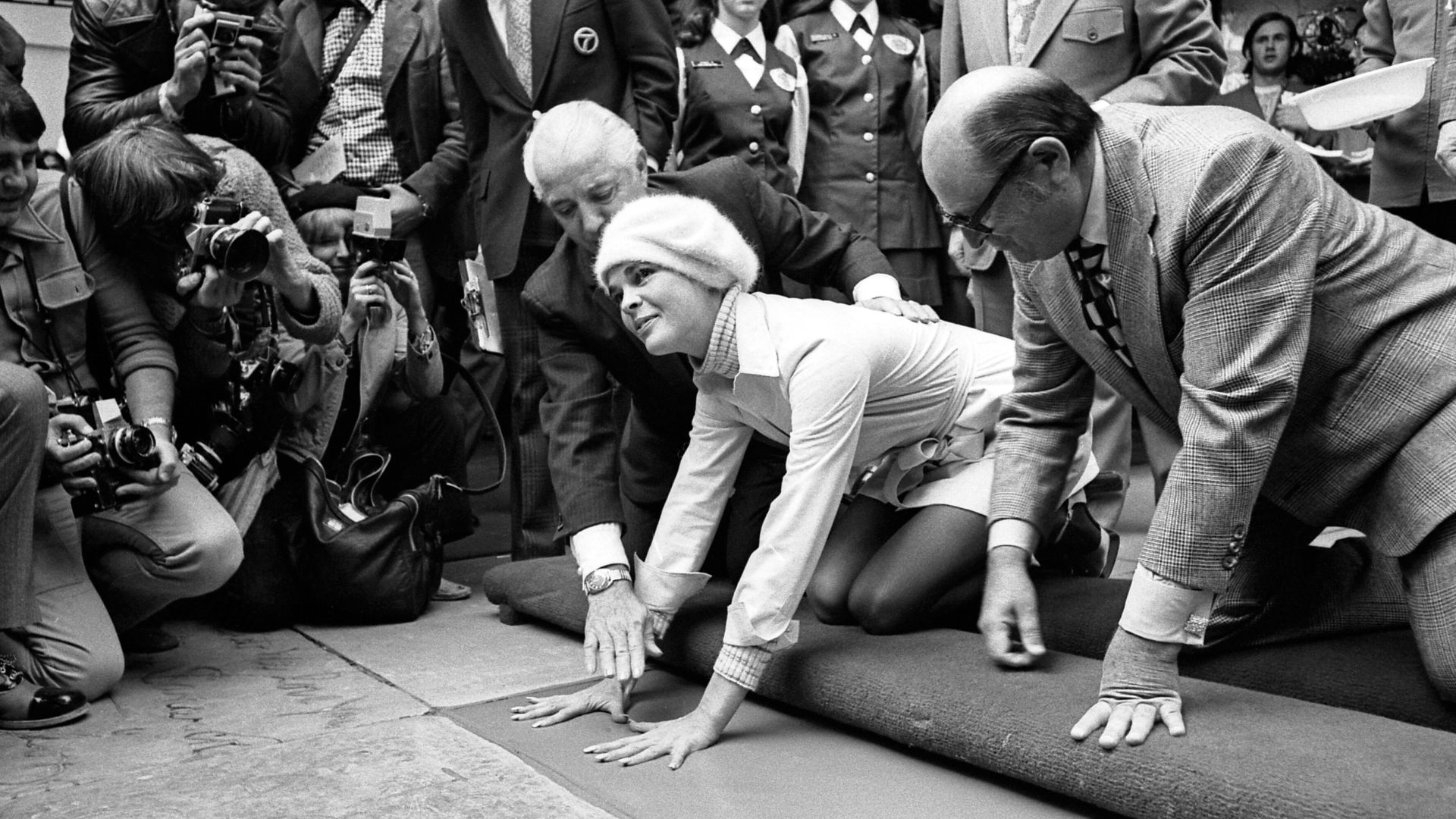
In her lifetime, MacGraw has been noted for her beauty and talent. In 1991, she made People magazine’s “50 Most Beautiful People” list. GQ magazine named her in a list of the “Sexiest 25 Women in Film Ever” edition. For her acting, she got her handprints in Grauman's Chinese Theater in 1972, and her star on the Hollywood Walk of Fame in 2021, alongside Love Story costar Ryan O’Neal.
There’s another list she’s on that’s very lucrative.
48. She Was At the Top
Early in her career, in 1971, MacGraw earned her spot on a prestigious list. She was the top female on the list of Hollywood stars’ bankability. The men above her were names like John Wayne, Clint Eastwood, Paul Newman and even her future husband, Steve McQueen. Sadly, it was only MacGraw who didn't have a lifelong career as an A-list actor.
But don’t worry. We’ll always remember her for one single line of dialogue.
 Harry Chase, Los Angeles Times, Wikimedia Commons
49. She Was The First
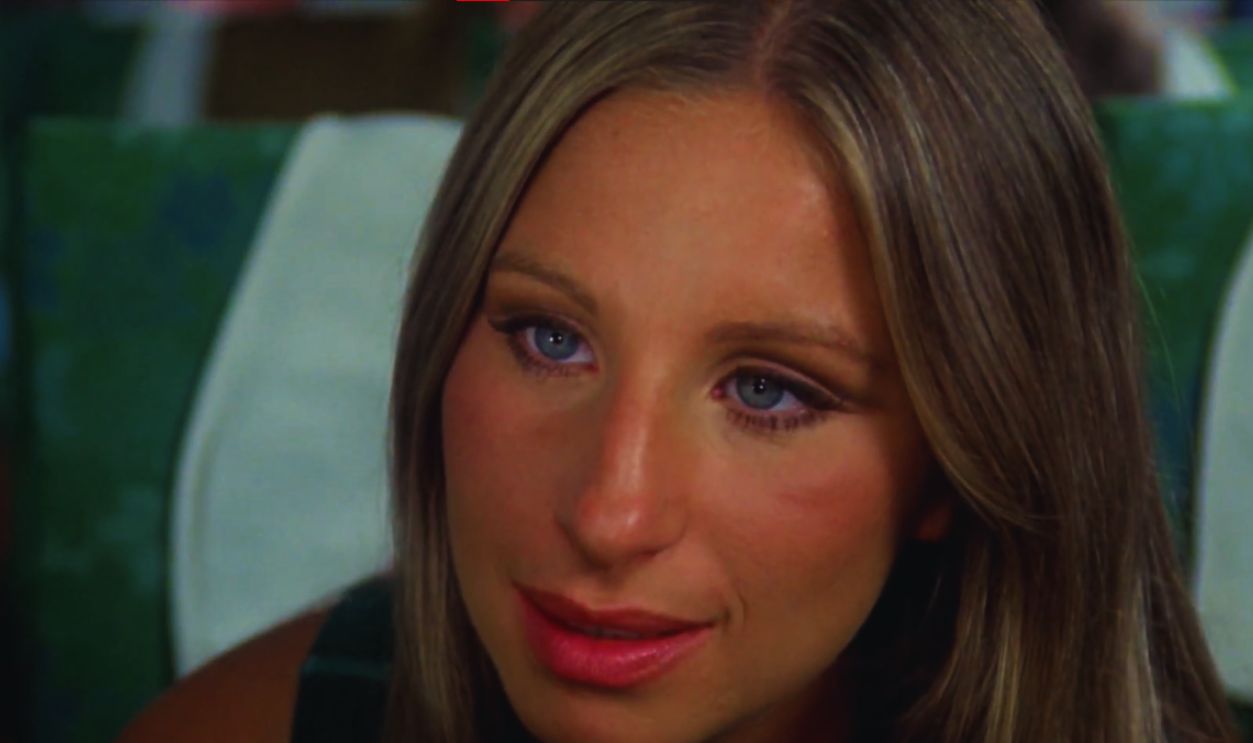
In Love Story, MacGraw has the often-referenced line “Love means never having to say you’re sorry”. The next year, Barbra Streisand said it to O’Neal in the comedy What’s Up, Doc? O’Neal’s hilarious reply was that it was the “dumbest thing” he’d ever heard. They also used variations of it in The Simpsons and iZombie. In an ad for The Abominable Dr Phibes, the tag line read, "Love means never having to say you're ugly”.
Sometimes, an apology can feel really good.
 Screenshot from What's Up, Doc?, Warner Bros. (1972)
50. She Deserved An Apology
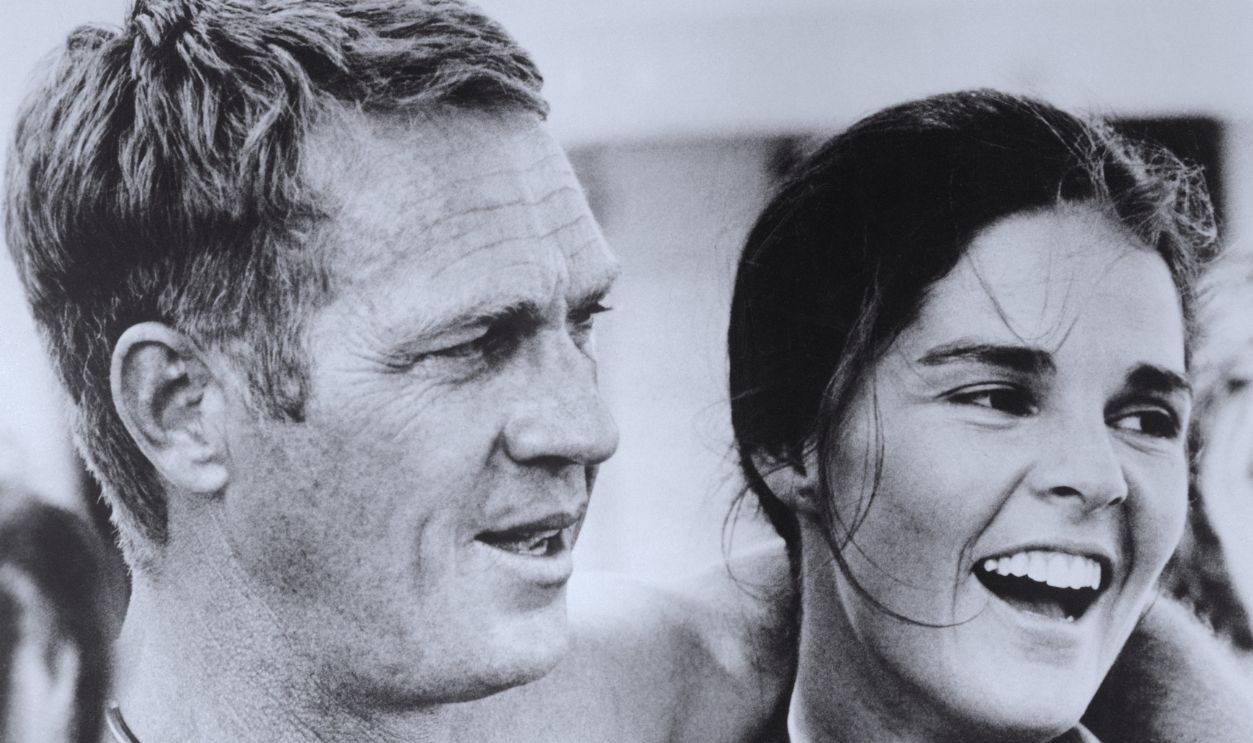
After her divorce from McQueen, MacGraw never remarried but became a serial dater with men like Peter Weller and Warren Beatty. It seemed that her marriage to McQueen had damaged both her career and her desire for long-term relationships. We don’t know if McQueen ever had the chance to say he was sorry, but some say that he never got over MacGraw.
You May Also Like:
Scandalous Affairs That Rocked Old Hollywood
Marie McDonald, The Original Gone Girl
Robert Walker, The Nice Guy Who Finished Last
Sources: 1, 2, 3, 4, 5, 6, 7, 8, 9, 10, 11, 12, 13, 14, 15, 16, 17, 18, 19, 20, 21,