
27. She Was Laid To Rest In The Kremlin
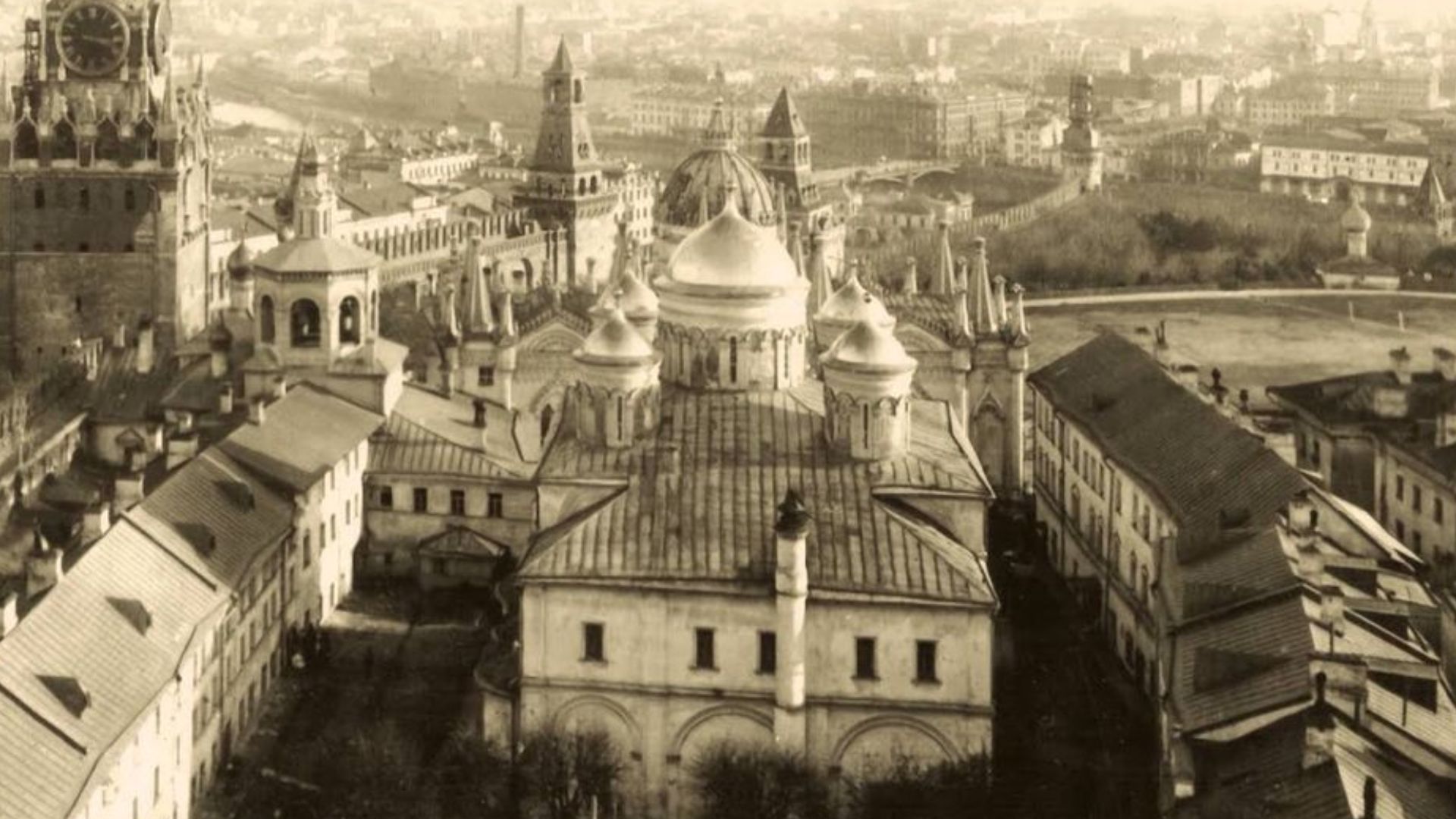
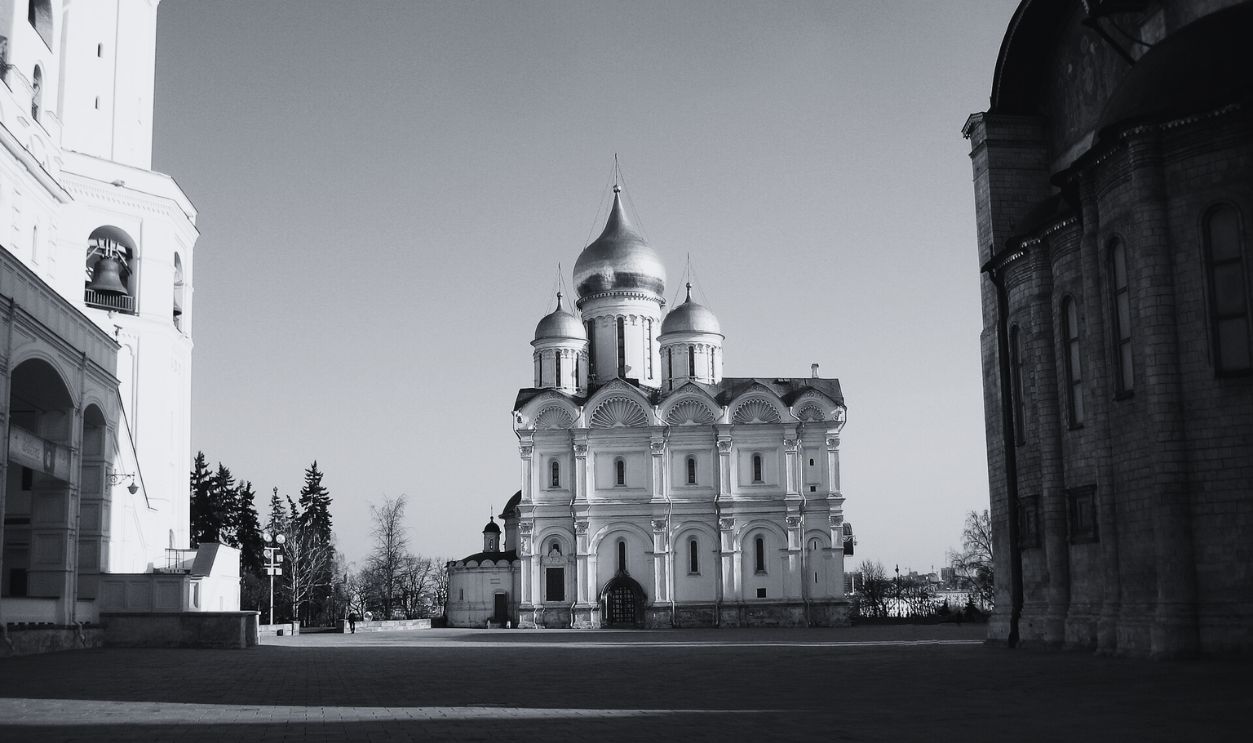
Following her passing, Romanovna’s body was carried to one of the most sacred sites in all of Russia: the Voznesenskii Monastery—also known as the Ascension Convent—within the walls of the Moscow Kremlin itself. There, alongside the other royal women of the realm, the first Tsaritsa of all Russia was given a burial befitting her unprecedented title.
For nearly four centuries, that was where she would rest.
 Unknown authorUnknown author, Wikimedia Commons
28. Her Remains Were Moved
In 1929, the Voznesenskii Monastery was destroyed. Romanovna’s resting place, untouched since the 16th century, was suddenly gone. Her remains, along with those of the other royal women buried there, were carefully transferred to the basement of the Cathedral of Archangel Michael—also located inside the Moscow Kremlin.
She wasn’t the only one resting uneasily.
29. Her Loss Broke Ivan
Romanovna’s passing shattered the already fragile mind of her husband, Ivan. Sources describe her loss as a “profound personal blow” to the tsar—one that reportedly worsened his already volatile temperament and fragile mental state. With Romanovna gone, there was no one left to restrain Ivan from his bloodier desires. And Russia was about to feel the consequences.
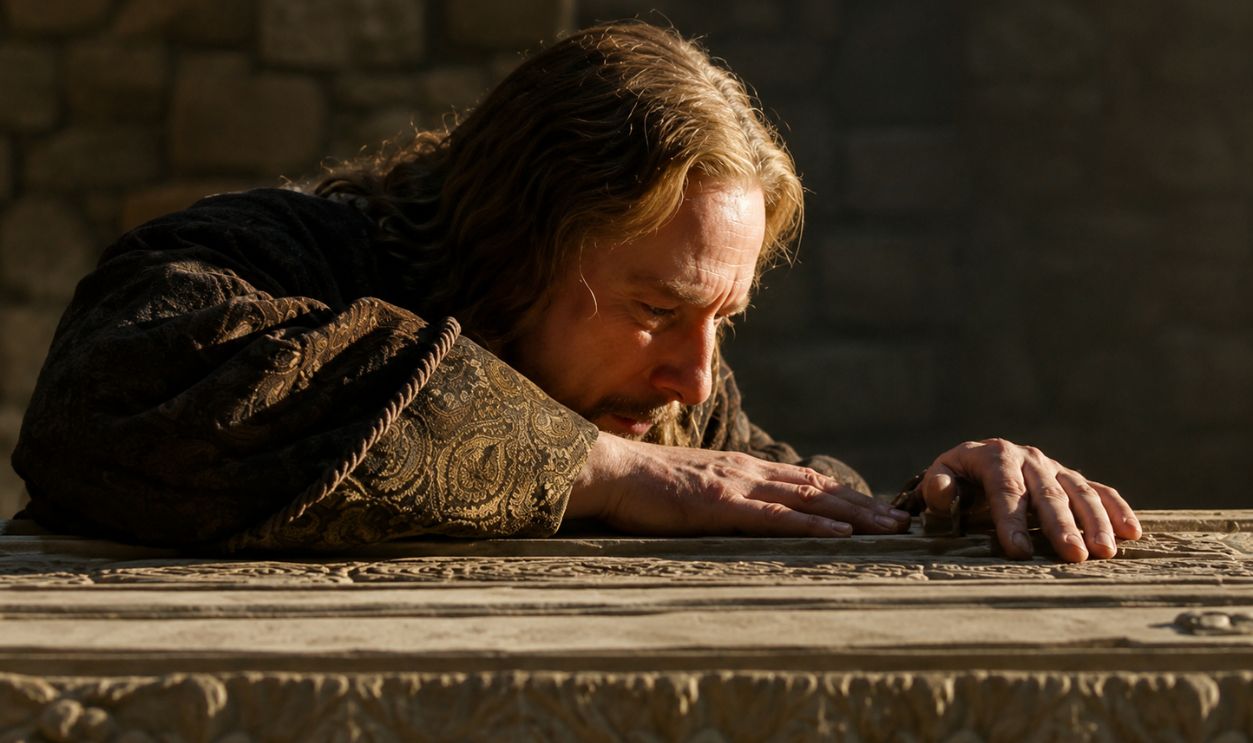 Screenshot from Ivan the Terrible, ZDF Studios (2020)
30. Her Husband Went Off The Rails
Romanovna’s passing didn’t just devastate Ivan personally—it dismantled the political structure around him. The Chosen Council, an informal advisory body led by Ivan’s favorites, had been a stabilizing force at court during her lifetime. However, without Romanovna to back them up, their influence “waned and then disappeared in the early 1560s”.
Even Ivan knew that nothing would ever be the same without her.
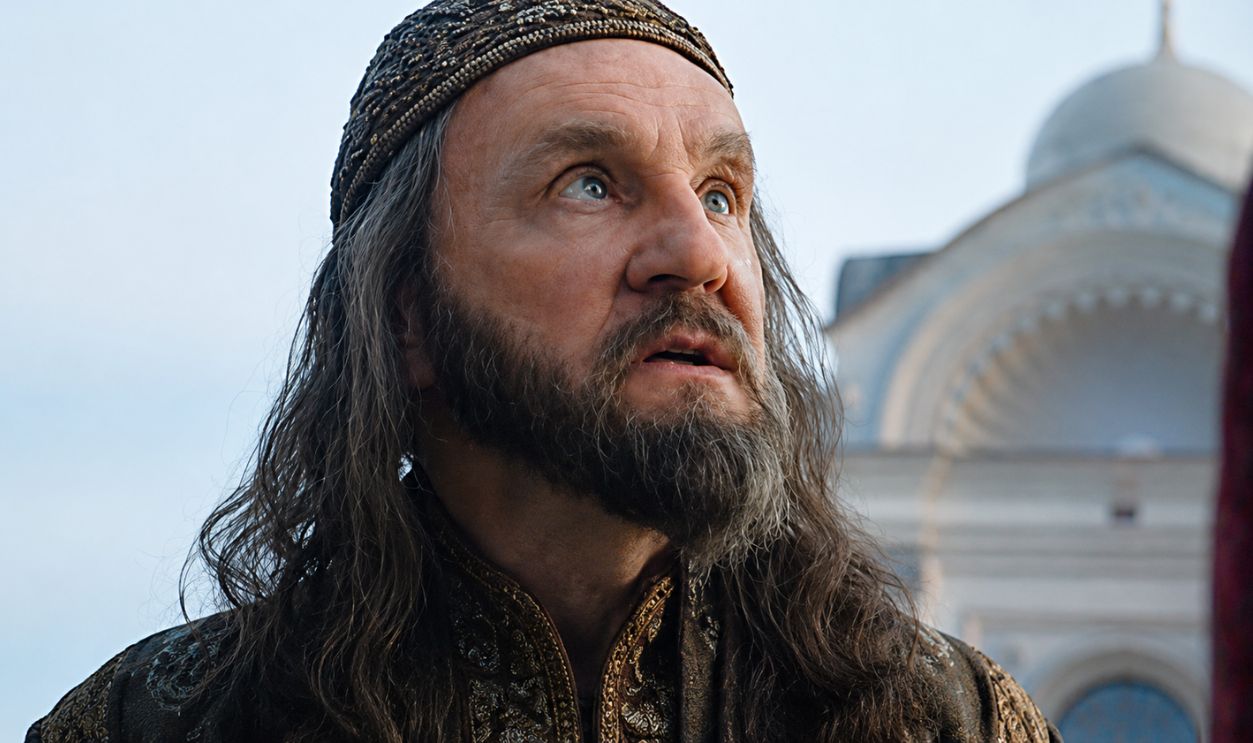 Screenshot from Ivan the Terrible, ZDF Studios (2020)
31. She Was Ivan’s Greatest Regret
In his later years—after he had already earned the title “Terrible”—Ivan made a confession that would echo through history. The aging tsar reportedly admitted that “if she [Romanovna] had not [passed], none of the gruesome things he did would have happened”. The brutality he became infamous for, in his own telling, may just have been his expression of grief at losing Romanovna.
Her final words to him might have changed that.
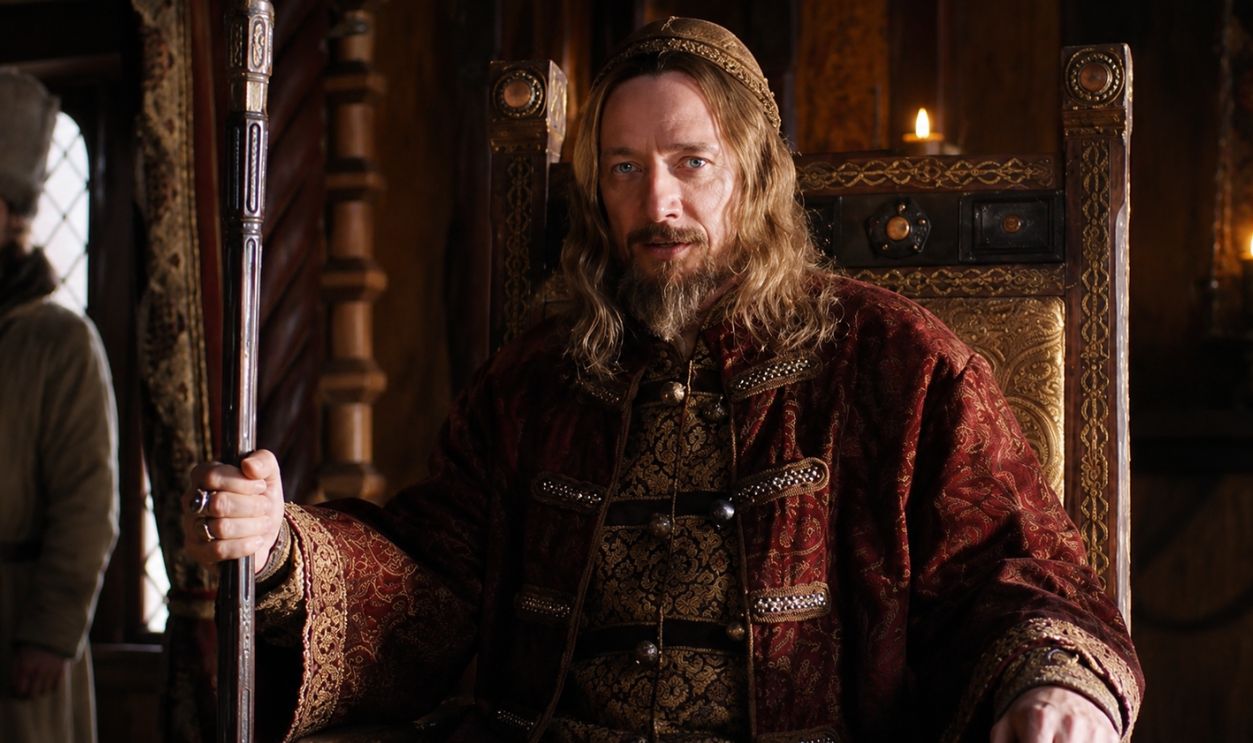 Screenshot from Ivan the Terrible, ZDF Studios (2020)
32. She Had A Final Request
In her final moments, according to legend, Anastasia Romanovna made one last plea to her husband. Whatever happened to him after she was gone, she begged him not to marry a pagan. Ivan, in his grief and fury, did not honor her final wish. Soon after burying his first Tsaritsa, he married Maria Temryukovna—a Circassian princess and exactly the kind of bride Romanovna had warned him against.
He had reason to believe that she may not have been of sound mind.
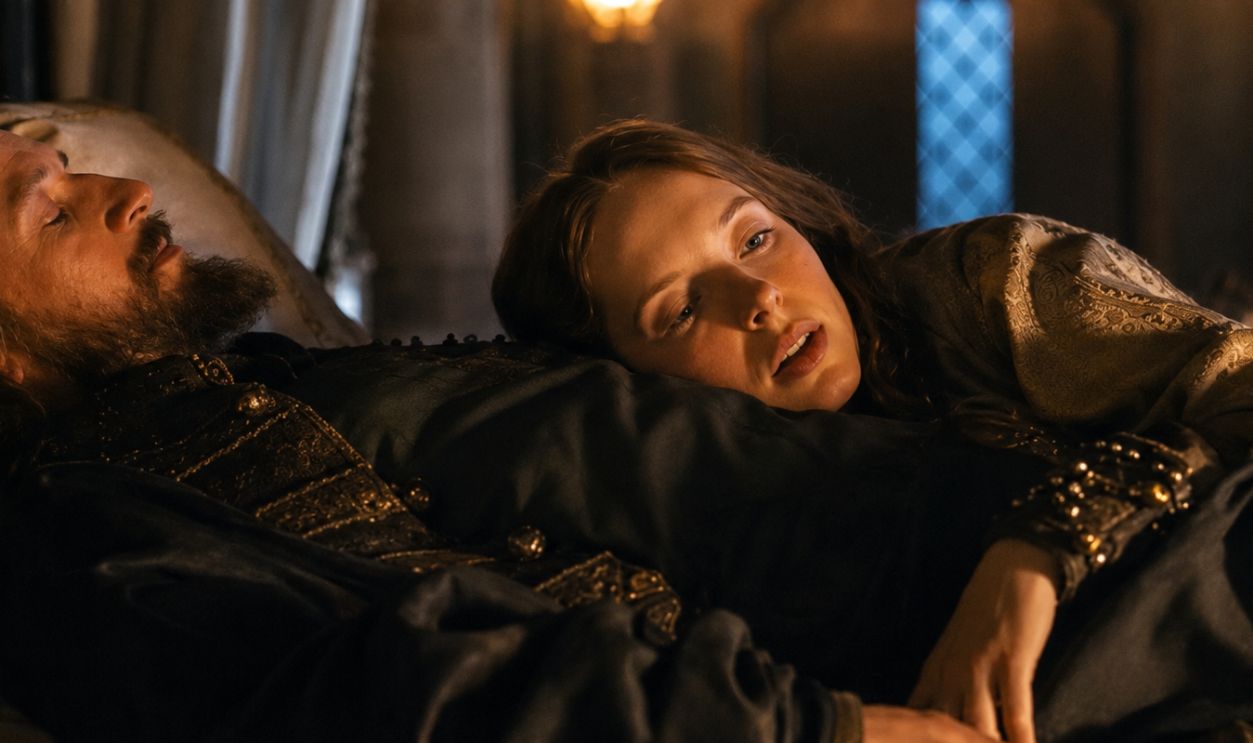 Screenshot from Ivan the Terrible, ZDF Studios (2020)
33. She May Have Been Poisoned
In the immediate aftermath of Romanovna’s passing, Ivan didn’t just grieve—he came undone. The tsar suffered a severe emotional collapse and, worse, became convinced that his beloved wife’s end had not been natural. He suspected that the boyars who had resented Romanovna at court had finally found a way to be rid of her: through poison.
He had no proof. But he had power.
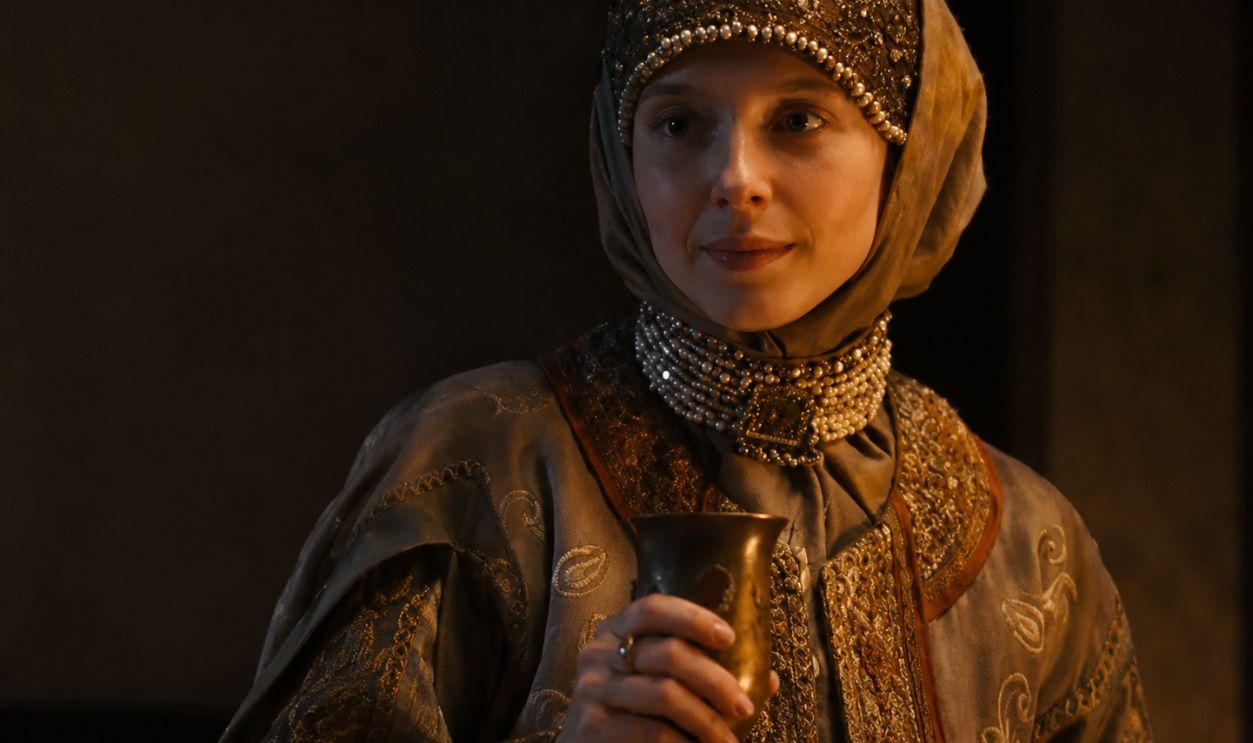 Screenshot from Ivan the Terrible, ZDF Studios (2020)
34. Her Husband Sought Revenge
Lacking any actual evidence that the boyars had poisoned Romanovna, Ivan did what only a tsar could: he made them pay anyway. Ivan had a number of boyars rounded up, subjected to brutal interrogation, and, ultimately, executed. Whether any of them had a hand in the Tsaritsa’s end was beside the point. Ivan needed someone to blame.
It was the first taste of what was coming.
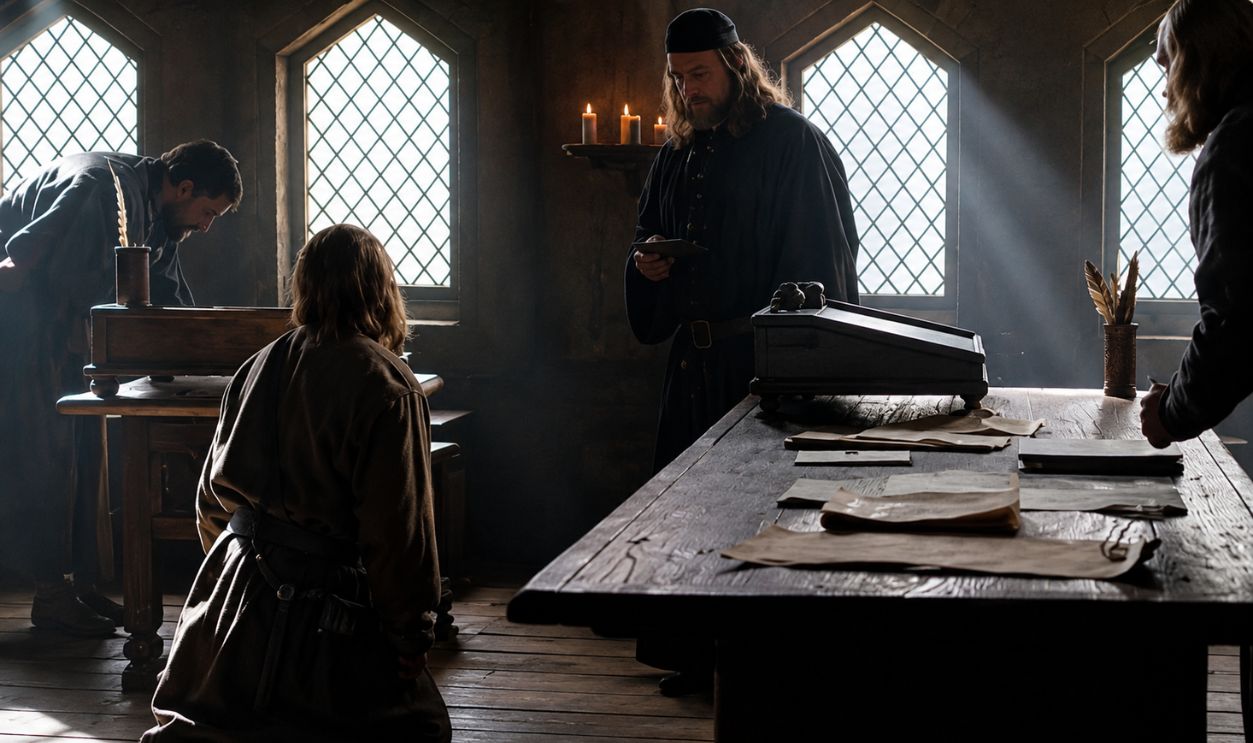 Screenshot from Ivan the Terrible, ZDF Studios (2020)
35. She Reawakened An Old Grudge
Ivan’s suspicion that the boyars had poisoned Romanovna didn’t arrive in a vacuum. The young tsar had spent his childhood at the mercy of those same boyars, who had reportedly mistreated him during his vulnerable early years. Whatever fragile peace he had made with the aristocratic class shattered the moment Romanovna was gone.
Her legacy would not be what she had hoped.
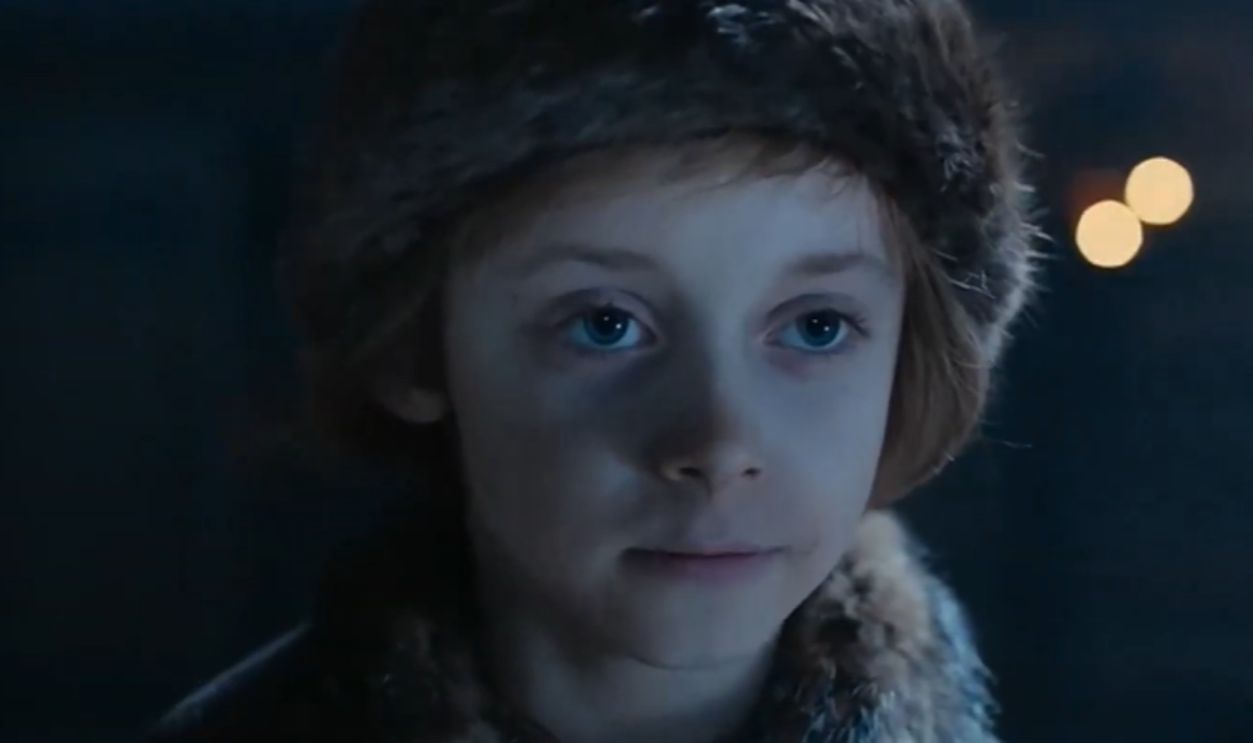 Screenshot from Ivan the Terrible, ZDF Studios (2020)
36. Her Passing Birthed The Oprichniki
The most consequential decision of Ivan’s reign came directly out of his grief for Anastasia Romanovna. In response to her passing—and the poisoning he was certain had caused it—the tsar created a fearsome new corps of black-clad enforcers known as the oprichniki. They answered only to him, dressed only in black, and existed for one purpose: to terrorize on his behalf.
But Ivan might not have been wrong to seek revenge.
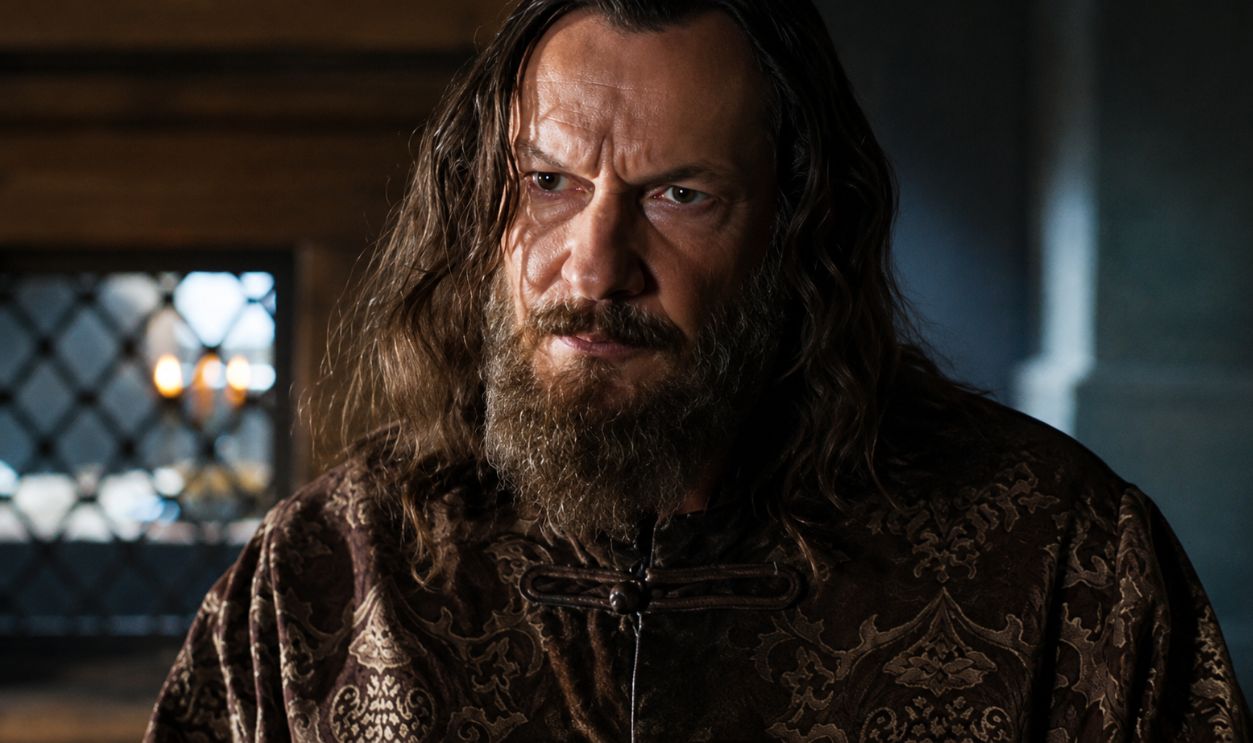 Screenshot from Ivan the Terrible, ZDF Studios (2020)
37. Her Remains Became Evidence
For over 400 years, the question of whether Anastasia Romanovna had truly been poisoned remained an open one. Then, in the 1990s, a team of archaeologists and forensic experts opened her tomb and began a thorough examination of her remains. What they found would offer the closest thing to a verdict that history would ever deliver on Ivan’s long-held suspicion.
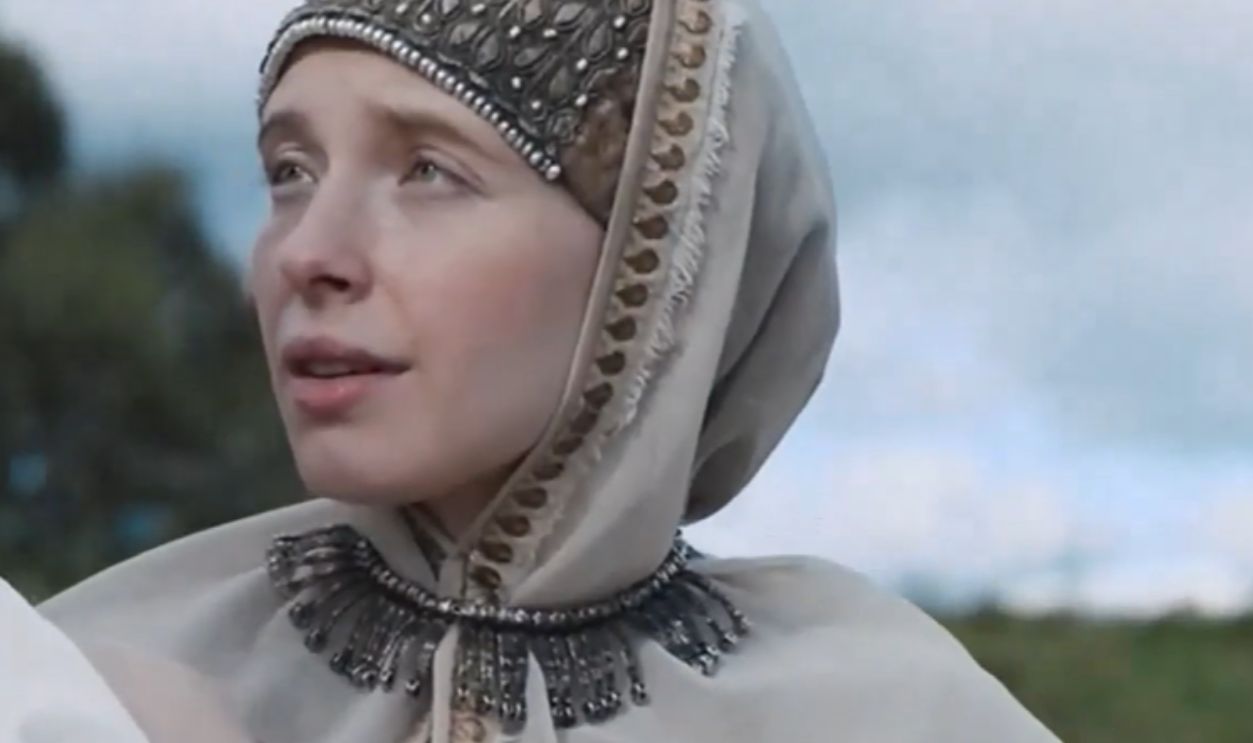 Screenshot from Ivan the Terrible, ZDF Studios (2020)
38. Her Body Held A Toxic Secret
Using a technique called neutron activation analysis, modern scientists were able to peer into Romanovna’s 16th-century remains and detect the chemical traces left behind. The result was staggering: acute mercury poisoning, confirmed beyond reasonable doubt. The boyars it seemed had, in fact, poisoned the Tsaritsa of all Russia.
But there’s another interpretation of that same evidence.
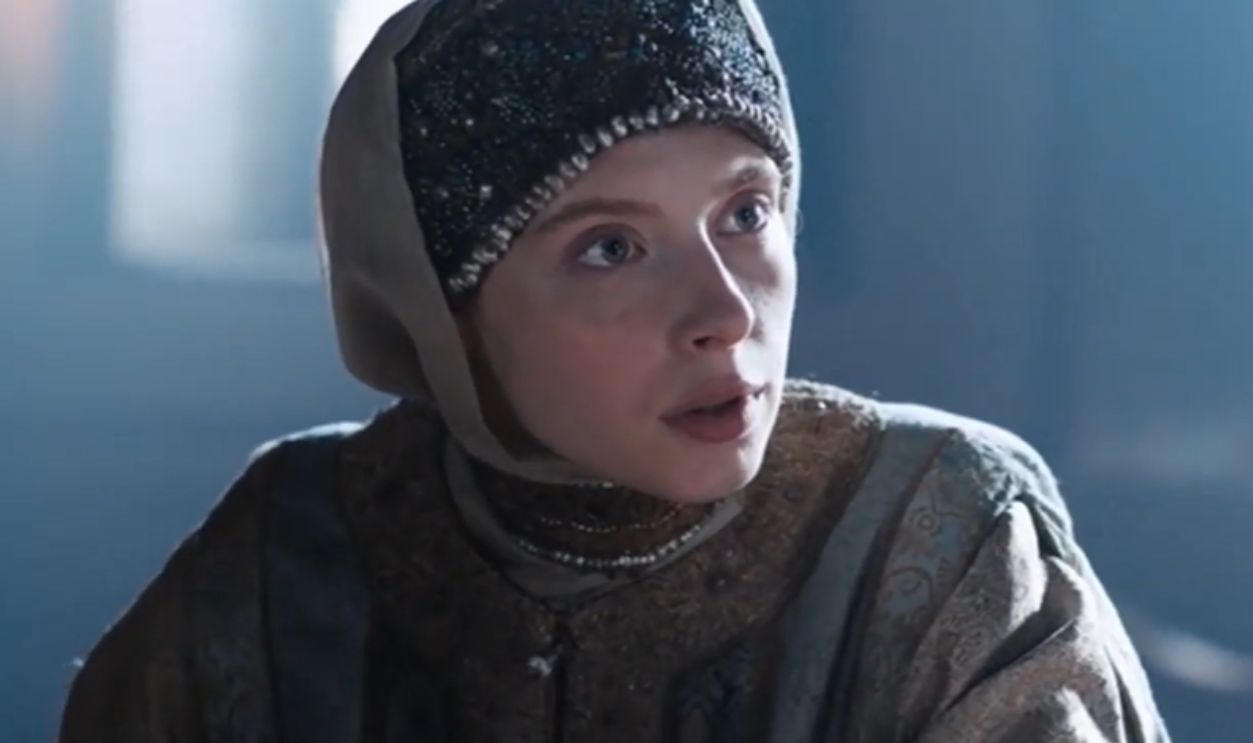 Screenshot from Ivan the Terrible, ZDF Studios (2020)
39. She Was Mercurial
The finding of acute mercury poisoning came with a giant asterisk. In Romanovna’s era, mercury was actually used as a medical treatment for a range of ailments, which meant its presence in royal remains was hardly unusual. But the experts who examined Romanovna were emphatic on one point: the levels of mercury in her bones were far higher than any medicinal dose could explain.
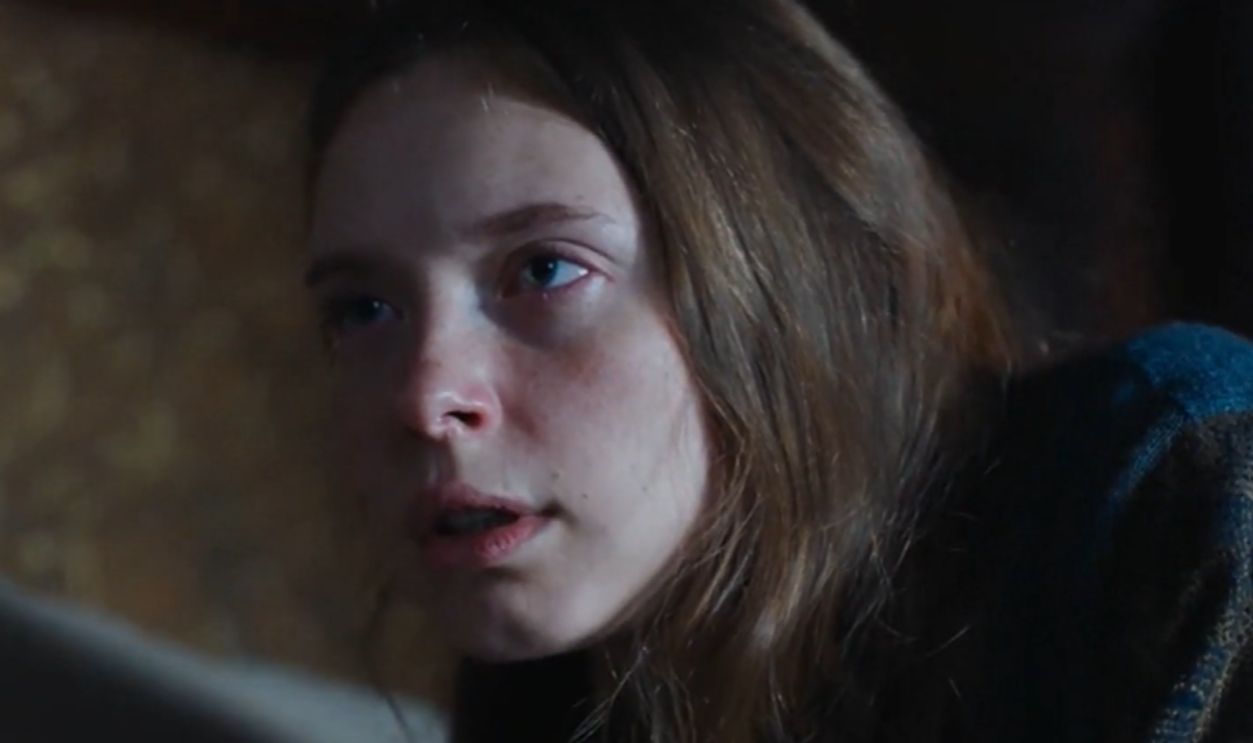 Screenshot from Ivan the Terrible, ZDF Studios (2020)
40. She Was Just Seeking Treatment
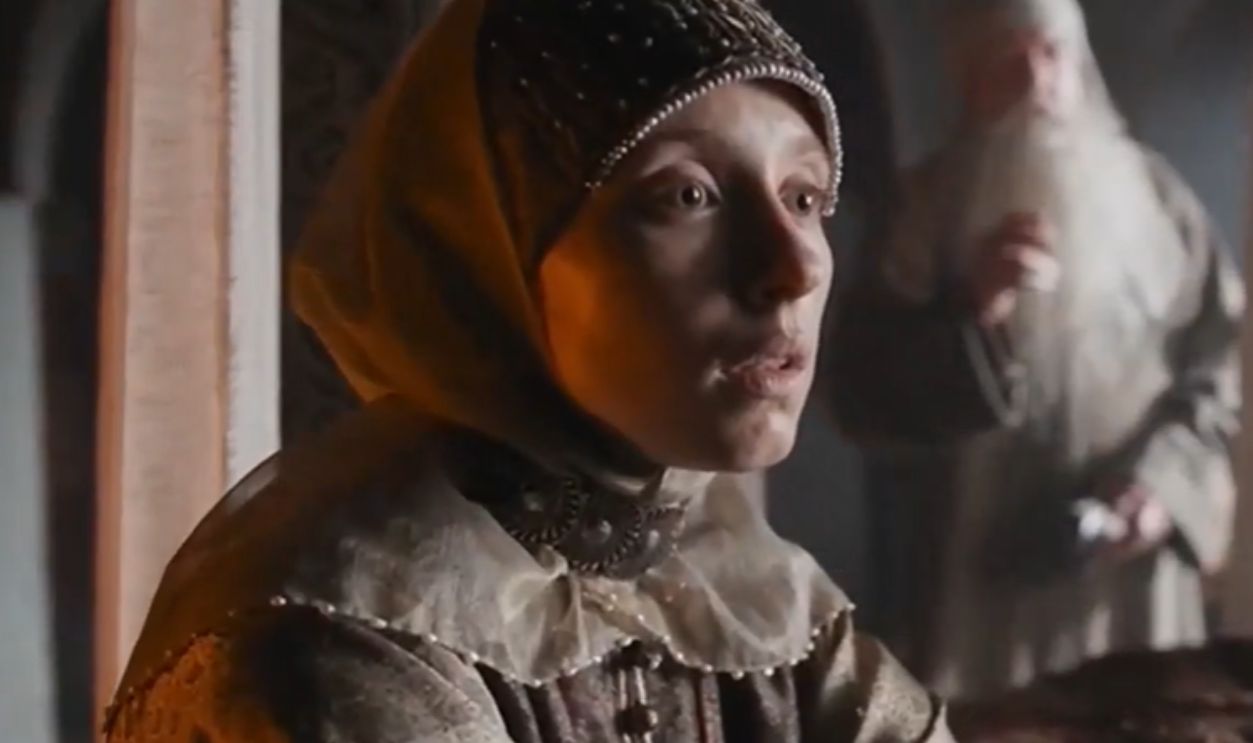
Even with the mercury readings, the question of whether Anastasia Romanovna was poisoned remains unsettled. Many of the royal remains from that era carry similarly elevated levels of toxic substances, raising a darker possibility: perhaps the tsaritsa wasn’t poisoned with malicious intent. The treatment for her illness may have been the very thing that did her in.
Whatever the truth, Romanovna would be the one getting the last laugh.
 Screenshot from Ivan the Terrible, ZDF Studios (2020)
41. Her Son Ended A Dynasty
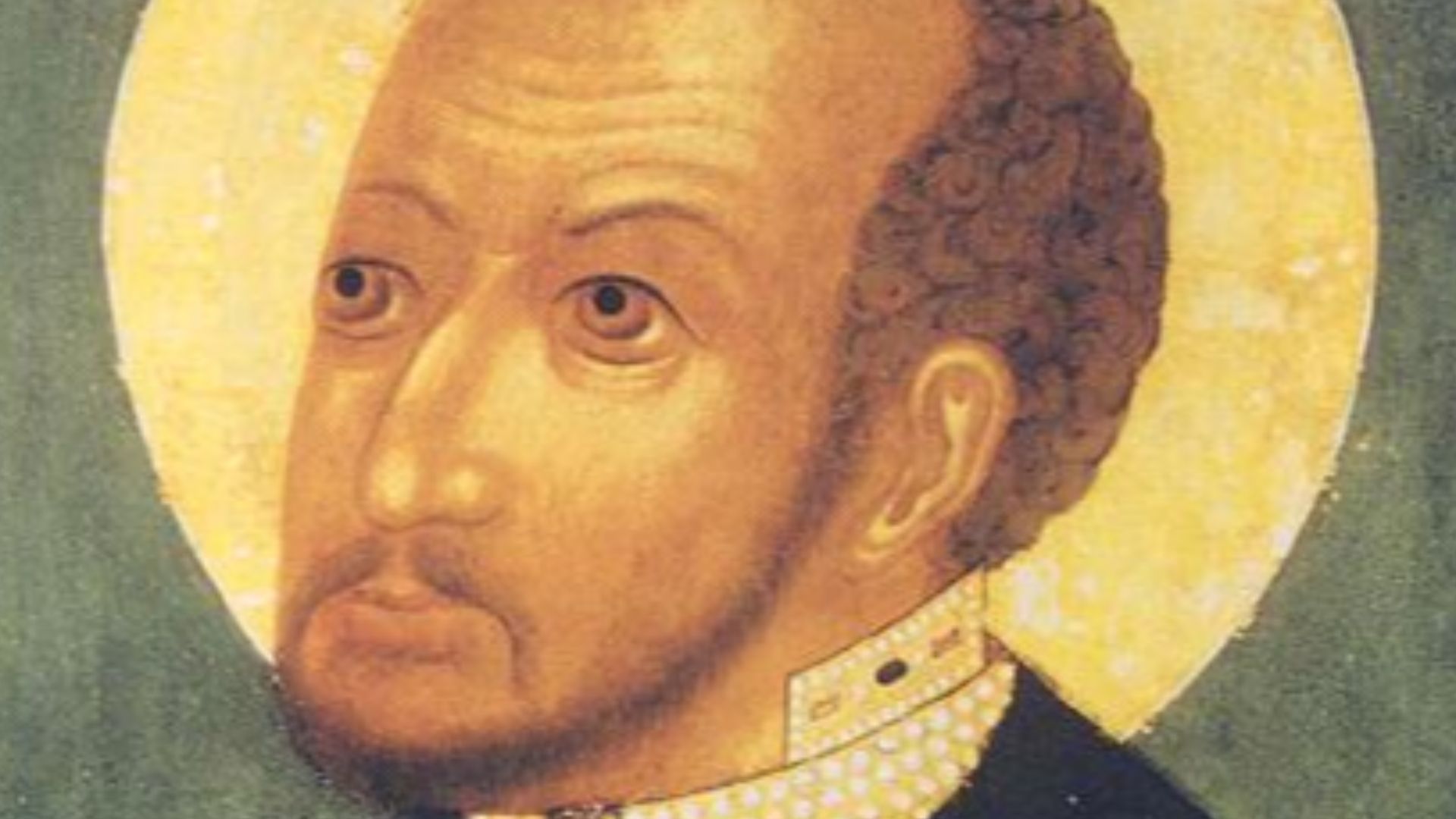
Romanovna’s sole surviving heir, Tsar Feodor I, ruled Russia from 1584 to 1598—and when his reign ended, so did something far older. Feodor passed on without leaving a child behind, and with him went the entire Rurik dynasty, the bloodline that had governed Russia for centuries. His childlessness plunged the country into the chaotic period known as the Time of Troubles.
In doing so, however, he unwittingly cleared the path for an entirely new ruling house: his mother’s own family.
 Unknown authorUnknown author, Wikimedia Commons
42. She Linked Two Dynasties
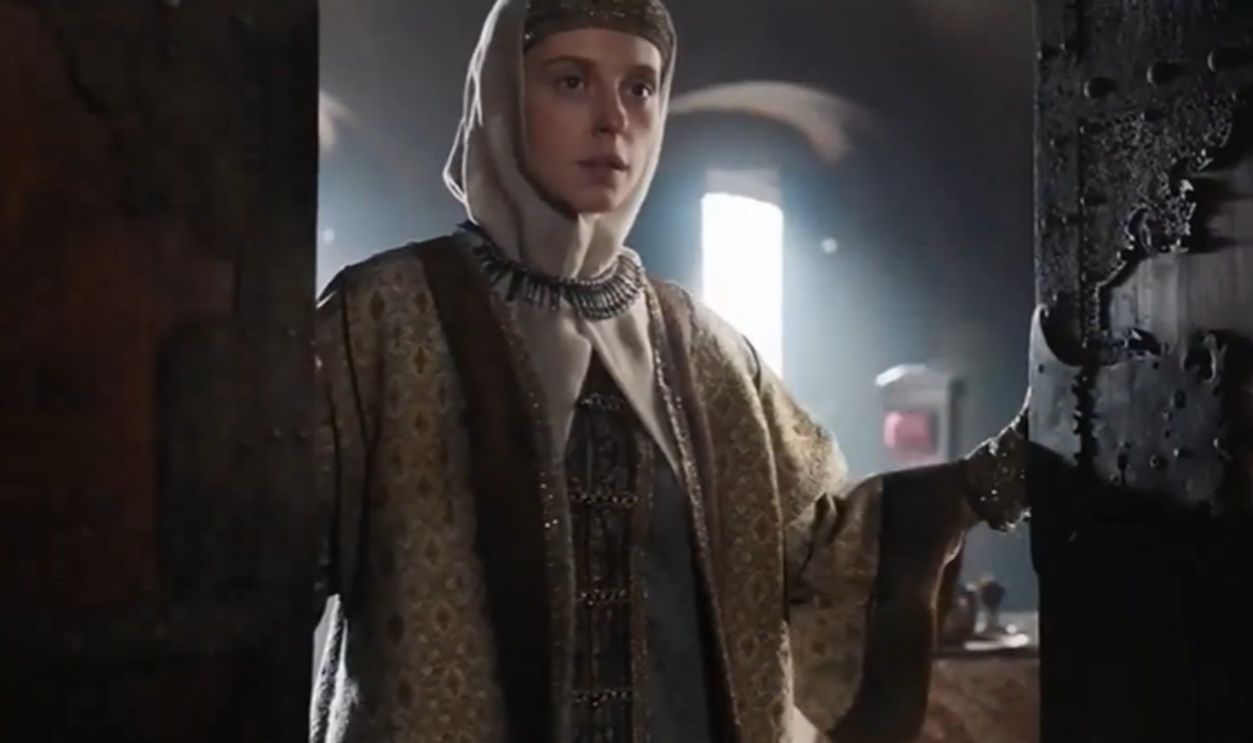
Without ever intending to, Anastasia Romanovna became one of the most consequential figures in Russian history—not just as Ivan’s wife, but as a literal bridge between empires. By her marriage to a Rurikid tsar and her blood ties to a family that would one day produce a new dynasty, she became, as one source puts it, “the link between the two main ruling dynasties in Russian history, the Rurik dynasty and the Romanov dynasty”.
Two of Russia’s most famous houses ran straight through her.
 Screenshot from Ivan the Terrible, ZDF Studios (2020)
43. She Started The Romanovs
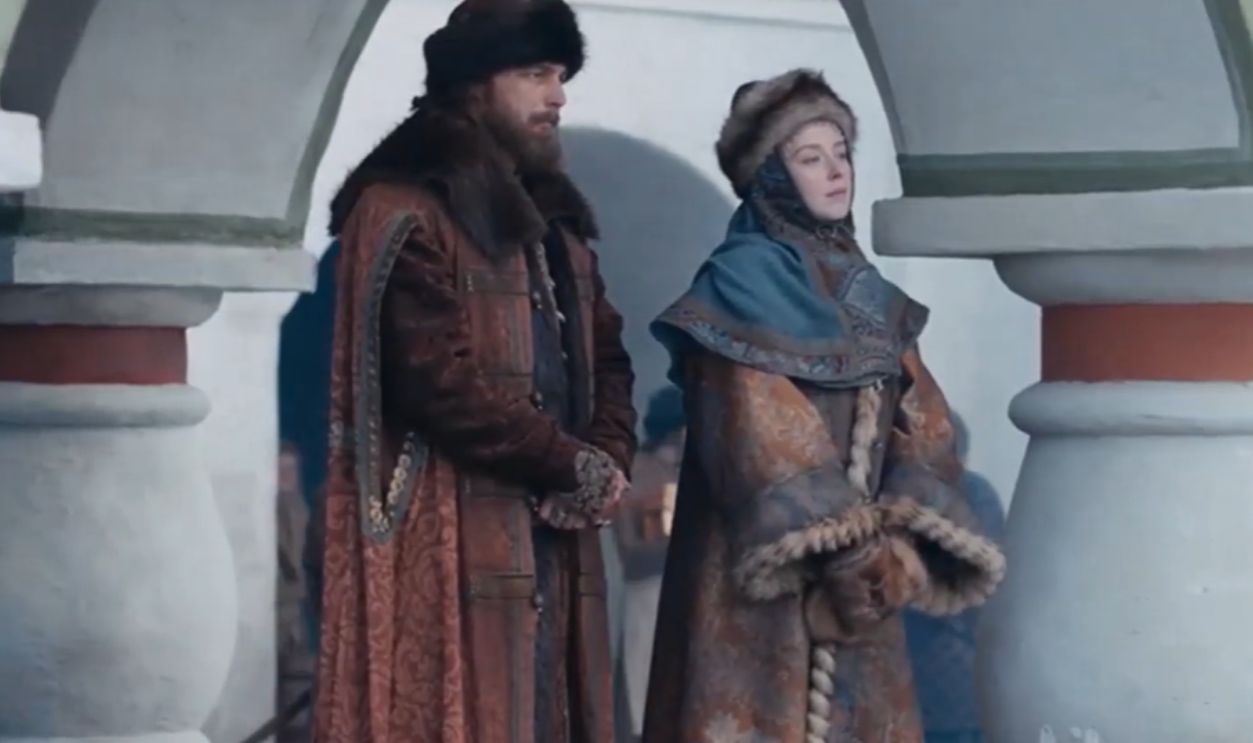
The Romanov name itself can be traced directly back to Romanovna’s family. Her brother, Nikita Romanovich, fathered a son named Feodor Romanov—the first member of the family ever to use the surname “Romanov”. Feodor chose the name in honor of his grandfather—Romanovna’s father whom she had lost in 1543.
The dynasty that would rule Russia for the next three centuries was, in essence, named after her dad.
 Screenshot from Ivan the Terrible, ZDF Studios (2020)
44. Her Bloodline Took The Throne
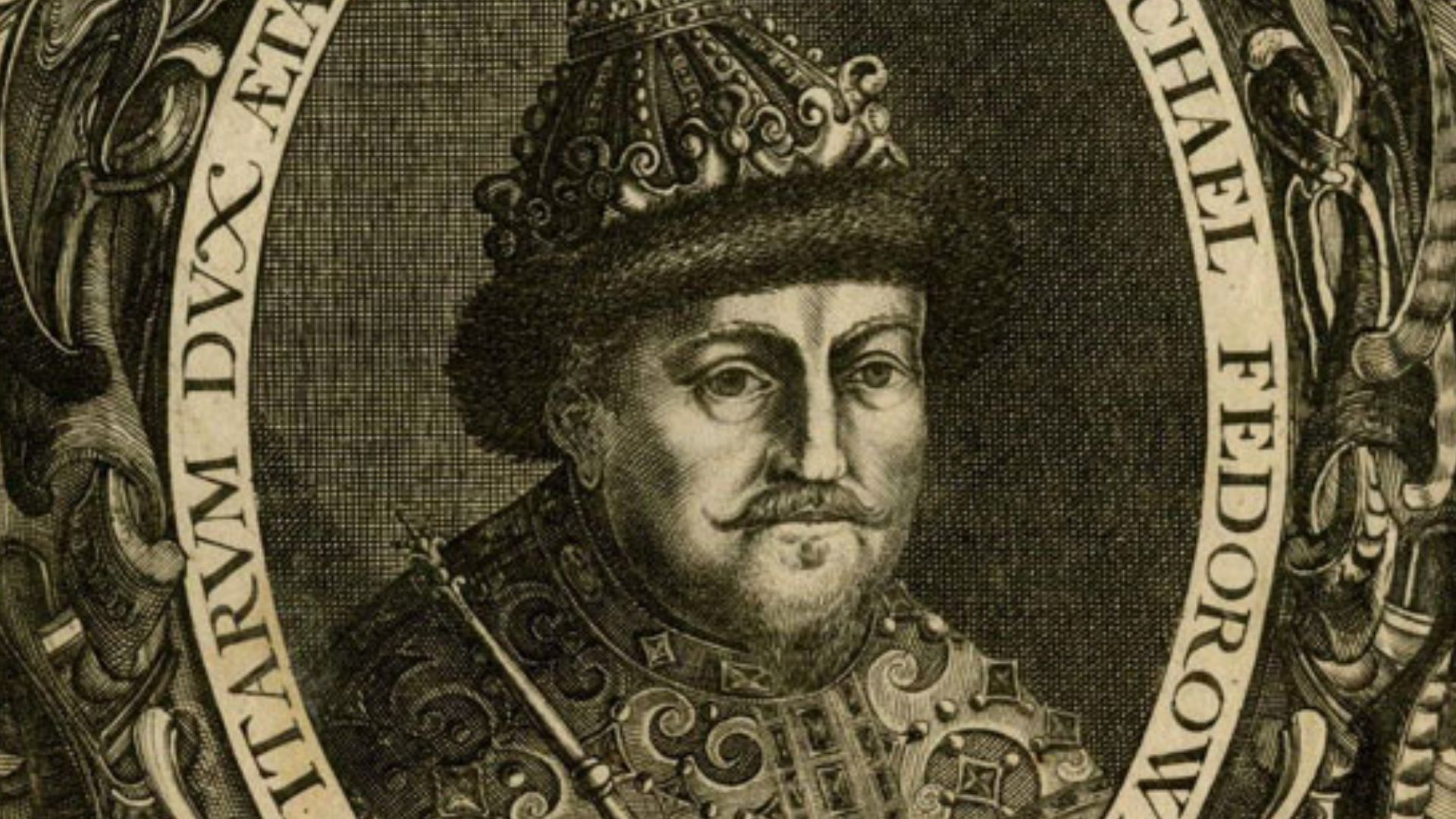
When the Time of Troubles finally drew to a close, the search for a new tsar led directly back to Romanovna’s family. With Ivan’s direct line extinct, Russian authorities looked to the mother of the last Rurikid tsar to find his successor—and that meant looking to Romanovna. The man they ultimately chose was none other than her brother Nikita’s grandson: Michael I, also known as Mikhail Romanov.
Romanovna’s relatives now sat where she had once stood.
 Adam Olearius, Wikimedia Commons
45. She Got Her Own Imperial Order
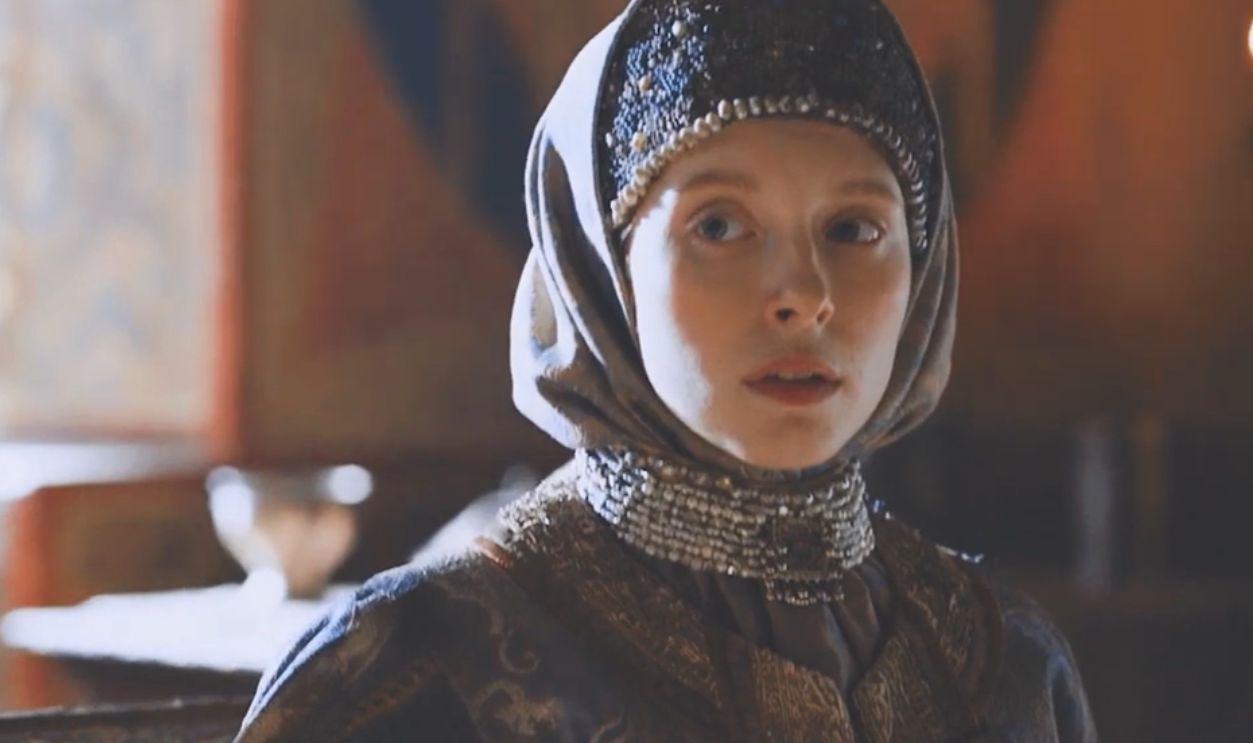
Romanovna’s memory continues to shape Russian history to this day. In August of 2010, the Head of the Russian Imperial House, Grand Duchess Maria Vladimirovna of Russia, established a new honor known as the Imperial Order of the Holy Great Martyr Anastasia. The order was created both in tribute to the Holy Great Martyr Anastasia, and in lasting memory of Tsaritsa Anastasia Romanovna herself.
 Screenshot from Ivan the Terrible, ZDF Studios (2020)
46. Her Order Honors Modern Women
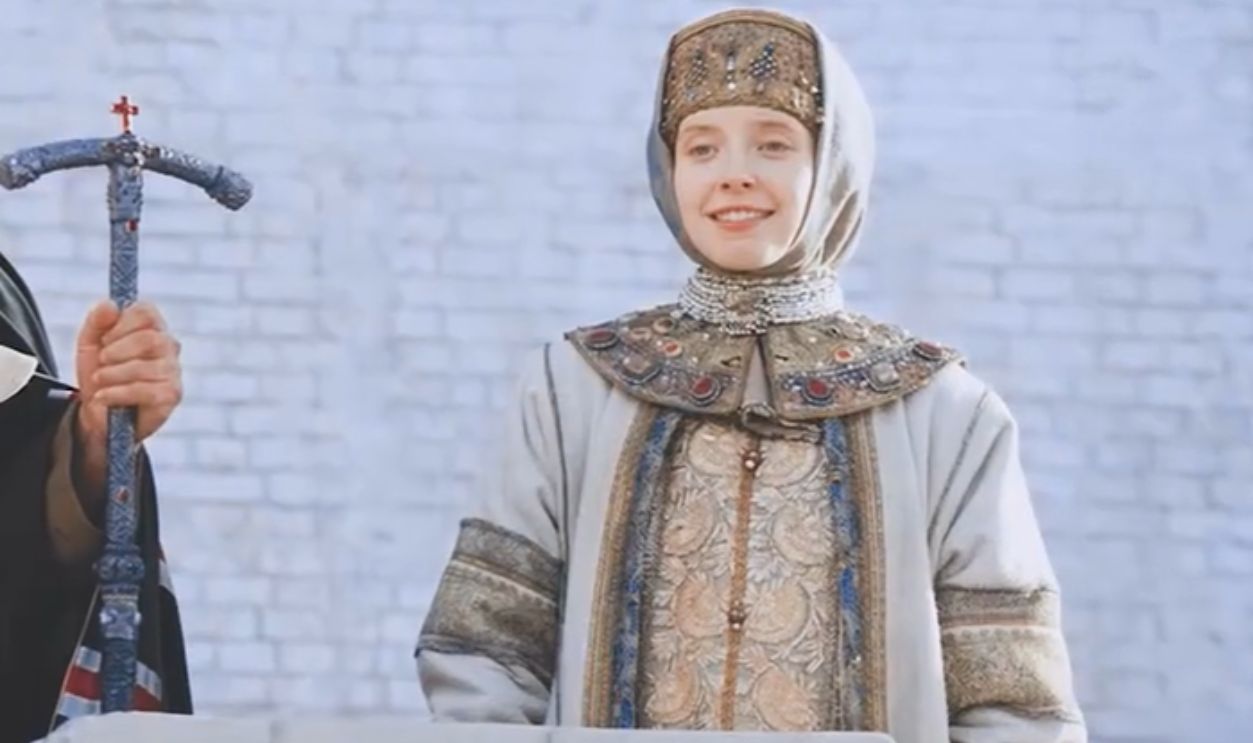
Unlike her husband, Romanovna’s legacy has inspired faith instead of fear. The Order of the Holy Great Martyr Anastasia is granted to women who have distinguished themselves in fields ranging from charity and culture to medicine, education, and science. Only those whose work has served the nation and society get the honor—exactly the kind of legacy Romanovna herself was known for in life.
 Screenshot from Ivan the Terrible, ZDF Studios (2020)
47. She Inspired A Ballet
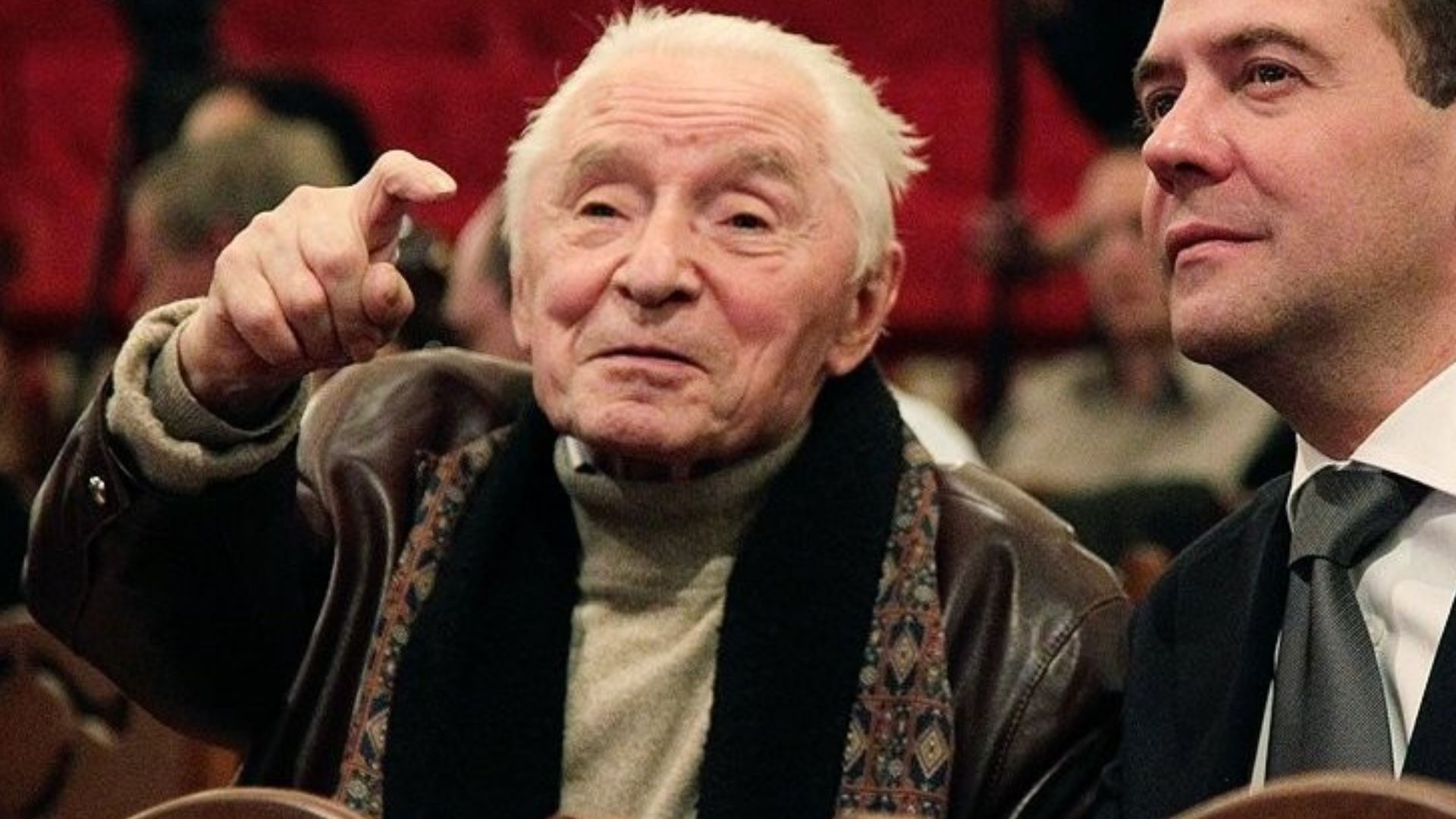
Romanovna’s story has proven so compelling that it eventually made its way onto the ballet stage. In 1975, choreographer Yuri Grigorovich’s ballet Ivan the Terrible premiered at the Bolshoi Theatre. Natalia Bessmertnova danced the role of Romanovna opposite Yuri Vladimirov’s Ivan IV. The ballet traced their meeting, their marriage, her poisoning at the hands of the boyars, and Ivan’s descent into darkness after her loss.
 www.kremlin.ru, Wikimedia Commons
48. Her Husband Never Found Another Like Her
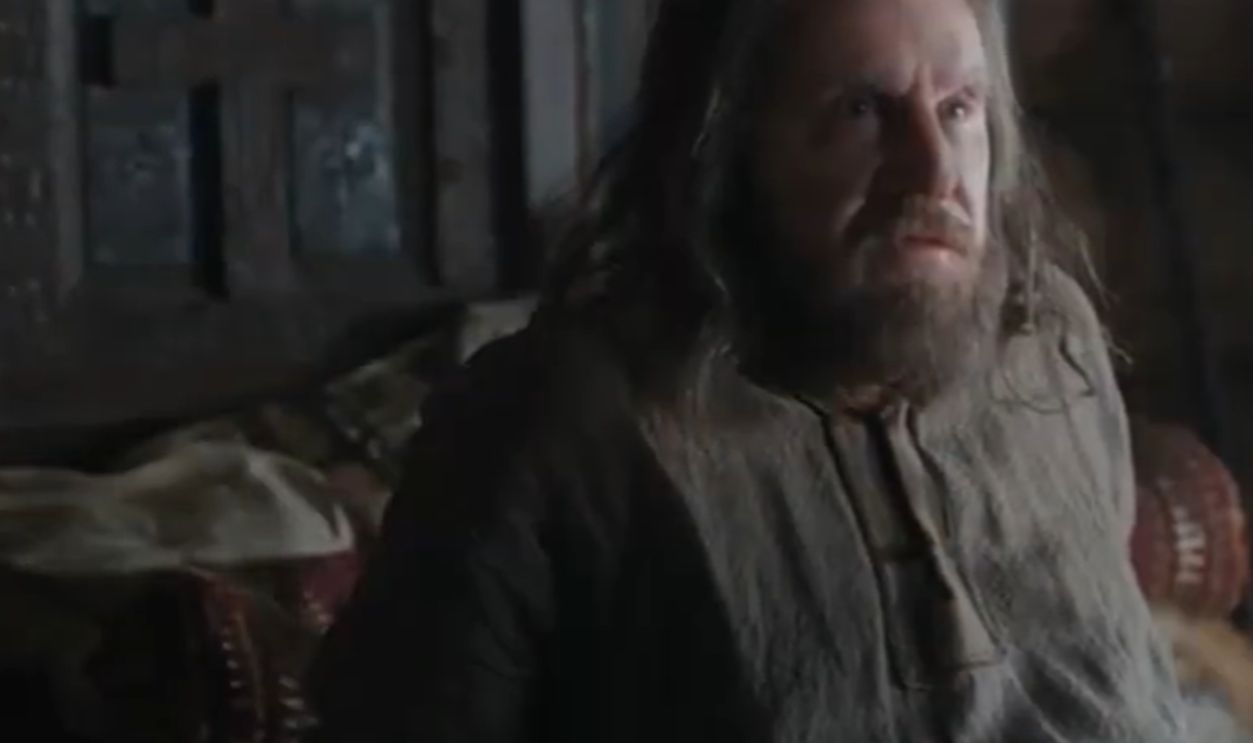
In the years that followed Romanovna’s passing, Ivan married seven more times—each match a hollow attempt to fill the space she had left behind. None of them succeeded. The fates of those later wives read like a litany of horror: poisoned, imprisoned, drowned, banished, and worse. Romanovna had been his one true love—the beauty to his beast. The terrific to his terrible.
 Screenshot from Ivan the Terrible, ZDF Studios (2020)
49. Her Beast Showed His Horrific Side
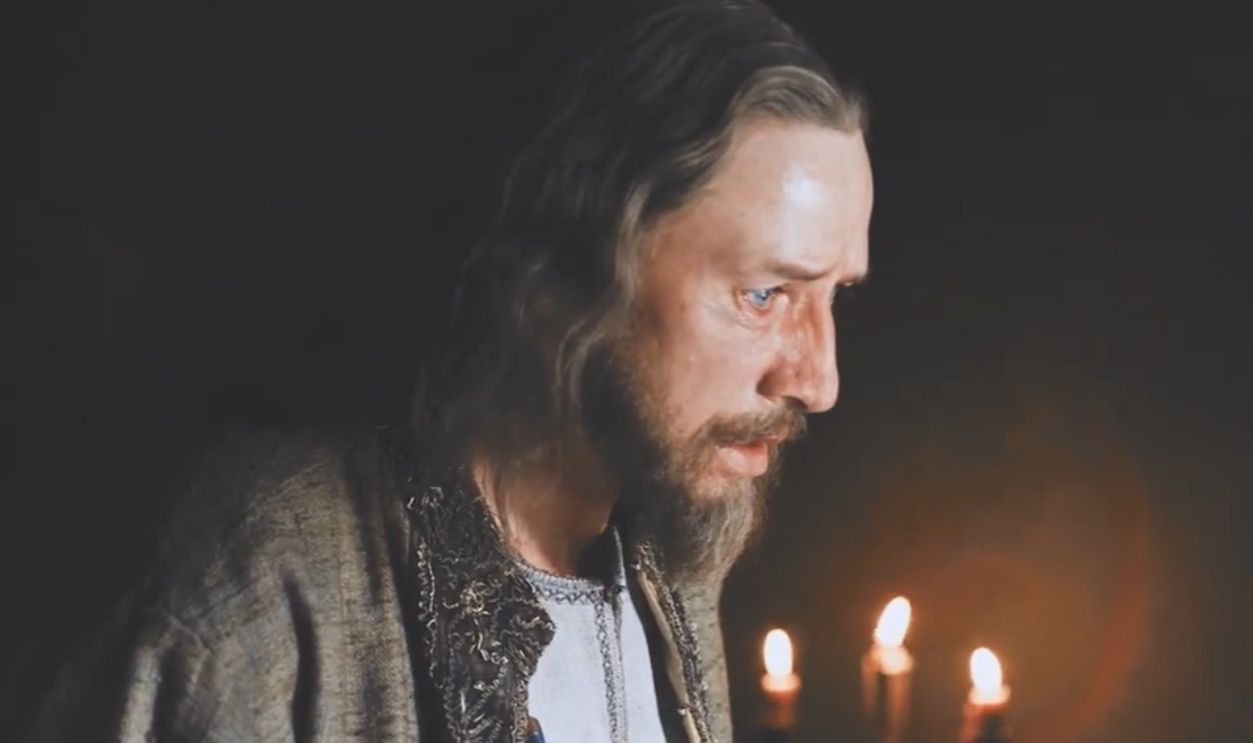
That archetype was cemented in 1581, in a terrible incident. That day, Ivan the Terrible was in a particularly violent mood. When he saw his pregnant daughter-in-law walking around in clothing that he didn't approve of, for whatever reason, he absolutely snapped. He viciously attacked her, and her screams brought Tsarevich Ivan, his only living son with Anastasia Romanovna, running to see what was happening. The son managed to pull the father off of his wife—but the violence was just getting started.
 Screenshot from Ivan the Terrible, ZDF Studios (2020)
50. It All Came To A Tragic End
Tragically, after Ivan attacked his daughter-in-law, she suffered a miscarriage. Ivan and the Tsarevich continued to argue. Then, mad with rage, Ivan finally truly snapped. He grabbed his royal scepter and smashed it into his son's temple. One of his advisors, who was witnessing the fight, ran to stop him, but Ivan struck him as well. The Tsarevich fell to the ground, blood pouring from his head. The sight of his own son and heir lying bleeding on the ground finally snapped Ivan back to reality. He threw himself on top of his boy, sobbing, kissing his face, and crying, "I've killed my son! I've killed my son!"
Anastasia Romanovna, mercifully, never lived to see it.
 Screenshot from Ivan the Terrible, ZDF Studios (2020)
You May Also Like:
Miserable Facts About Catherine Dolgorukova, The Most Hated Woman in Russia
Imperial Facts About the Tsars