
42. It Was A New Era
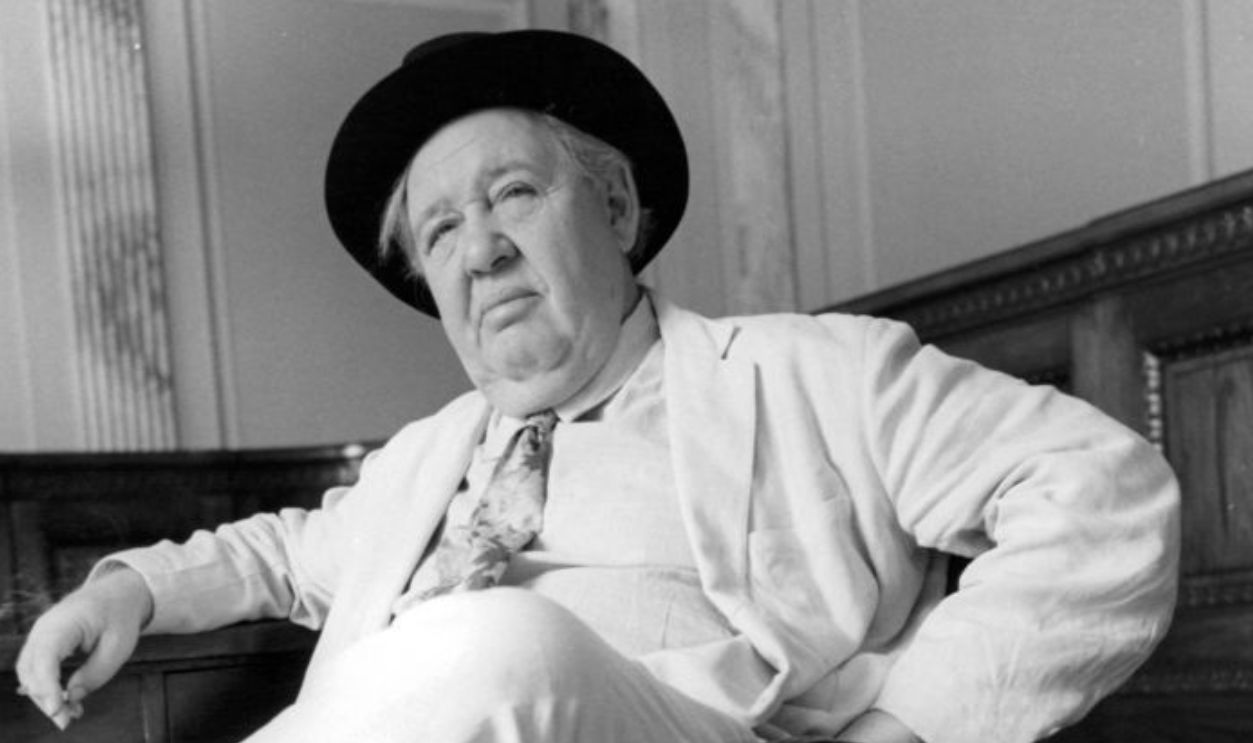
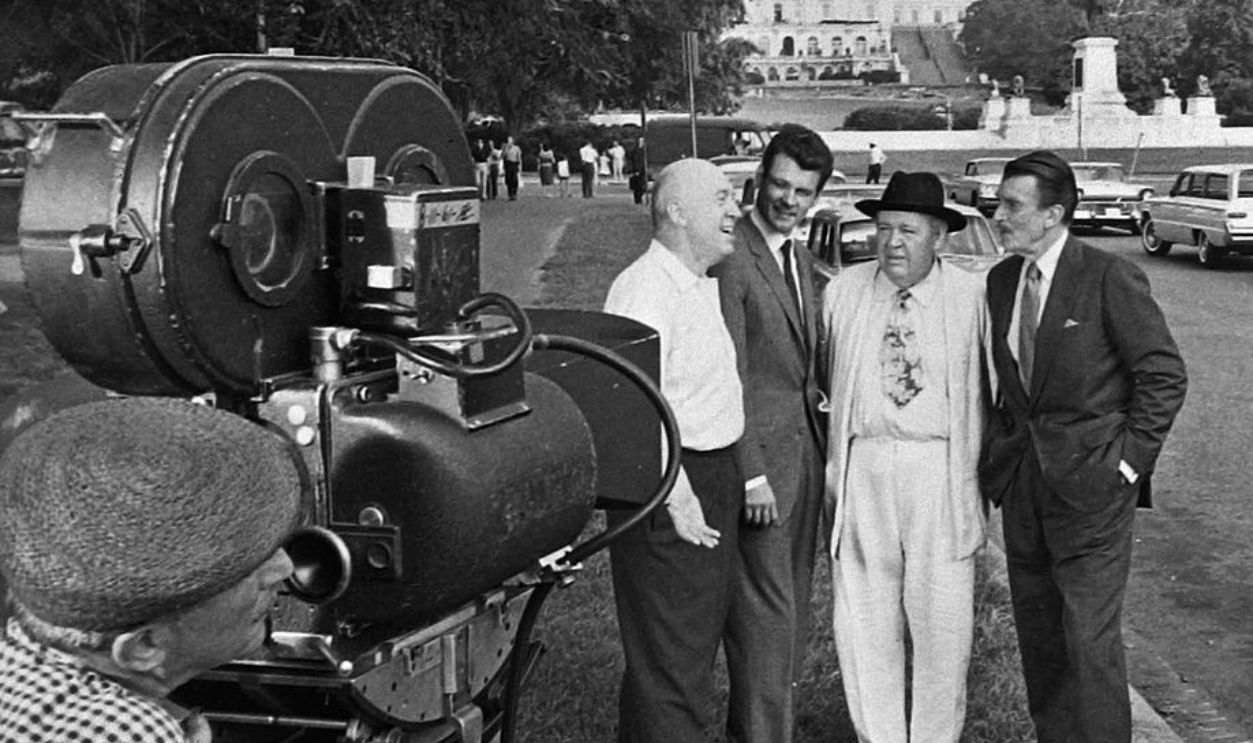
Laughton’s final film role was in Otto Preminger’s Advise & Consent. This political drama was a huge hit, and it also seemed to usher in a new era in film. One character admits to a gay relationship. Also, one scene takes place in a gay bar, and it was the first big-budget production to do this since WWII.
Sadly, Laughton wouldn’t have the opportunity to work in this new era of Hollywood.
43. He Checked Himself In
Advise & Consent was released on July 7, 1962. That same month, Laughton found himself in Cedars Lebanon Hospital with a ruptured disc. After surgery, toward the end of November, they sent him home. Sadly, once at home, Charles Laughton went into a coma. He passed on December 15, 1962. They listed the causes as kidney and bladder cancer.
After a long time of mourning, Elsa Lanchester had a big announcement.
44. He Shared Too Much
In Lanchester’s 1983 book, she shocked the world by coming out and calling Laughton gay. Sure, most Hollywood insiders already knew, but fans were more in the dark back then. She said that he had simply told her the truth. He’d even mentioned that he’d done it with a man right there on the couch they had in the living room. Apparently, Lanchester bought a new couch immediately.
Of course, everyone had a big—and obvious—question for Lanchester.
45. He Was A Great Actor
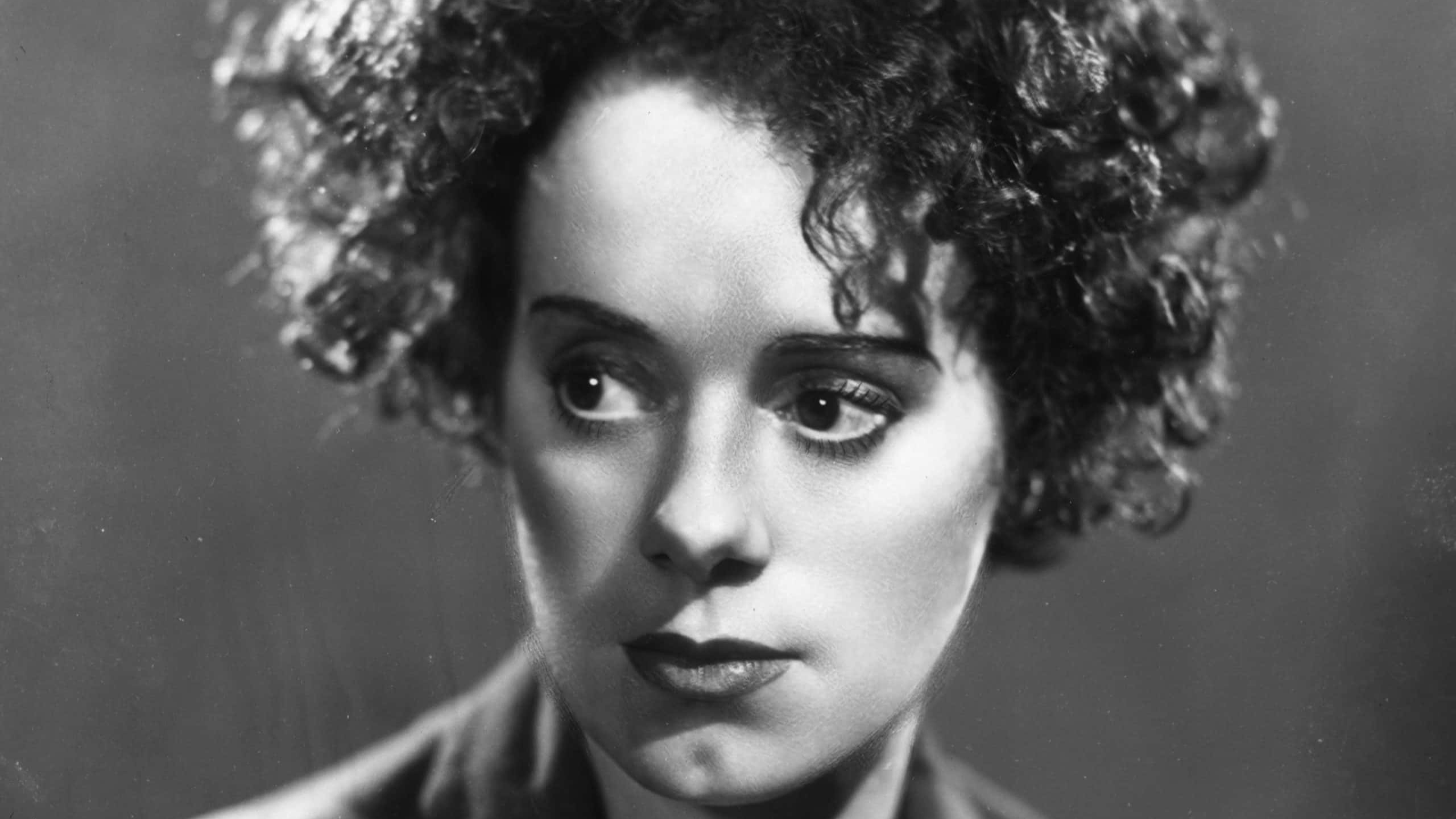
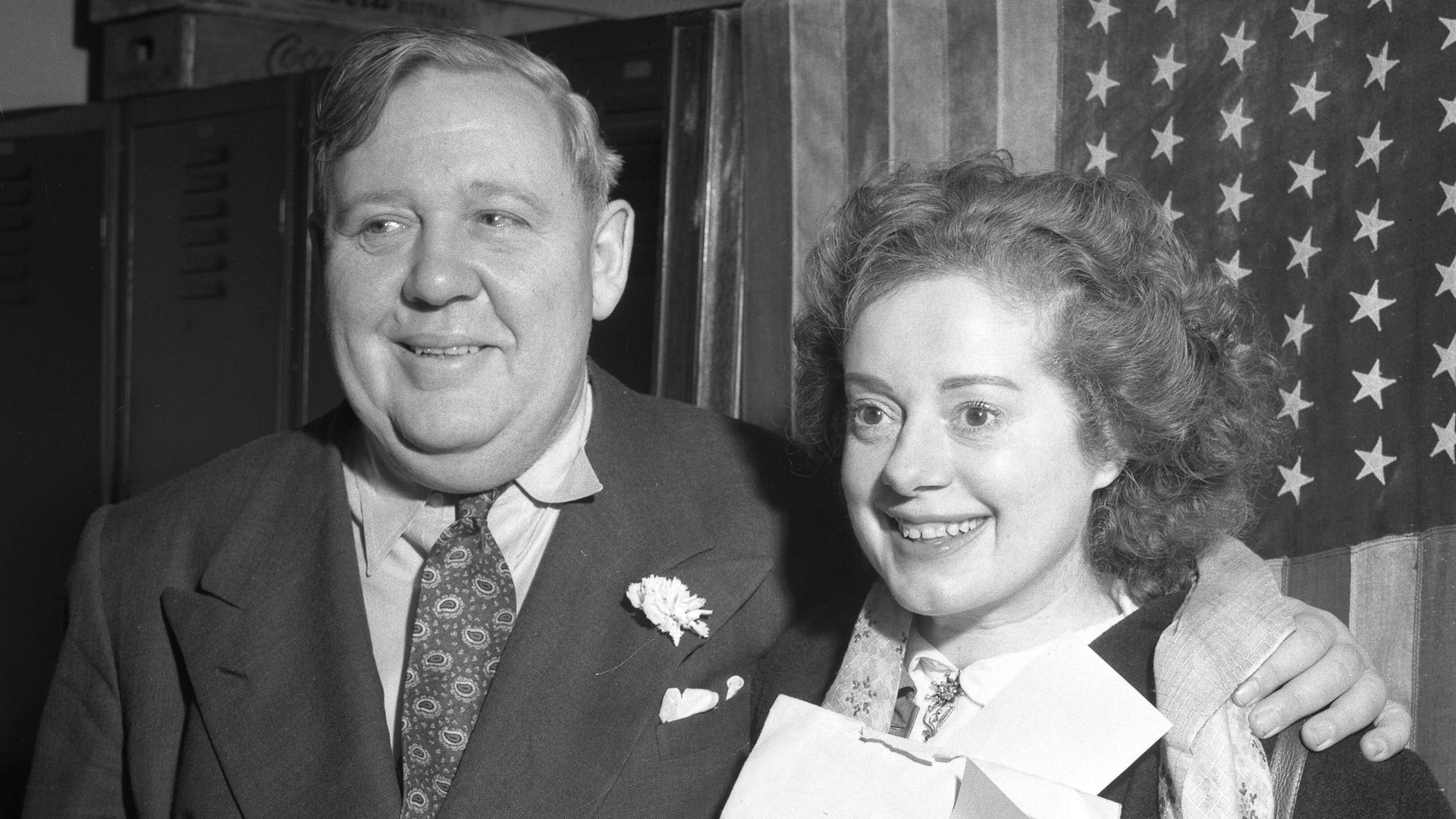
After her big announcement, many wanted to know if Elsa Lanchester knew that Charles Laughton was gay before she married him. She said that she hadn’t known. If anyone showed any surprise at this, she just reminded them that her husband was a “great actor” after all.
But once she did know, she accepted her husband completely.
 Los Angeles Times, Wikimedia Commons
46. He Made A Friend
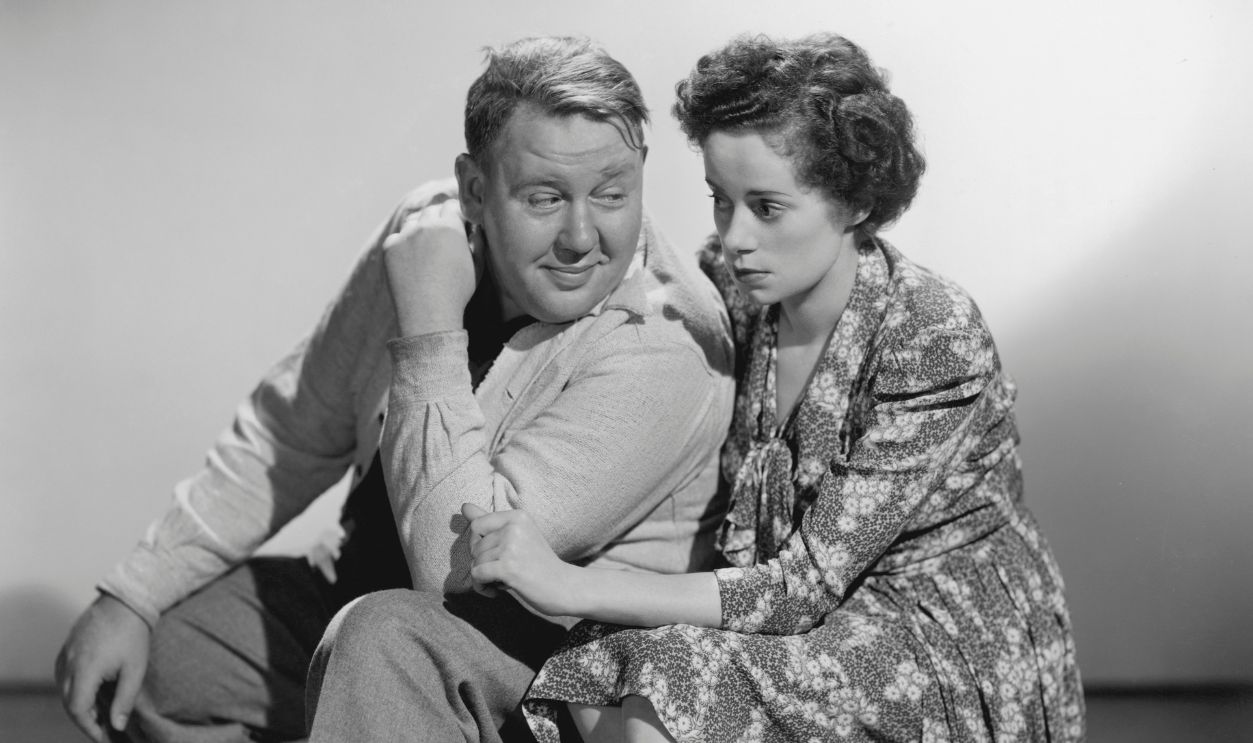
In her autobiography, Lanchester writes about Laughton’s relationship with a man she called “Clyde”. Some believe that Clyde was actually Hollywood hustler Scotty Bowers, who was famous for providing same-gender dates for Hollywood celebs. Apparently, Laughton and Clyde had a special relationship, where Laughton provided a personalized tutoring to the educationally bereft Clyde.
Clyde appreciated this, and made it up to Laughton in an important way.
 John Springer Collection, Getty Images
47. He Had His Back
Lanchester stated in her book that it was Clyde who let Laughton know that the producer of The Night of the Hunter, Paul Gregory, was double-crossing Laughton and taking money from him. Apparently, Gregory suggested that Clyde do the same. When Clyde refused, Lanchester said he became a friend of both Laughton and her.
As it turns out, Laughton’s gay life was not always kept hidden.
48. They Helped Him Relax
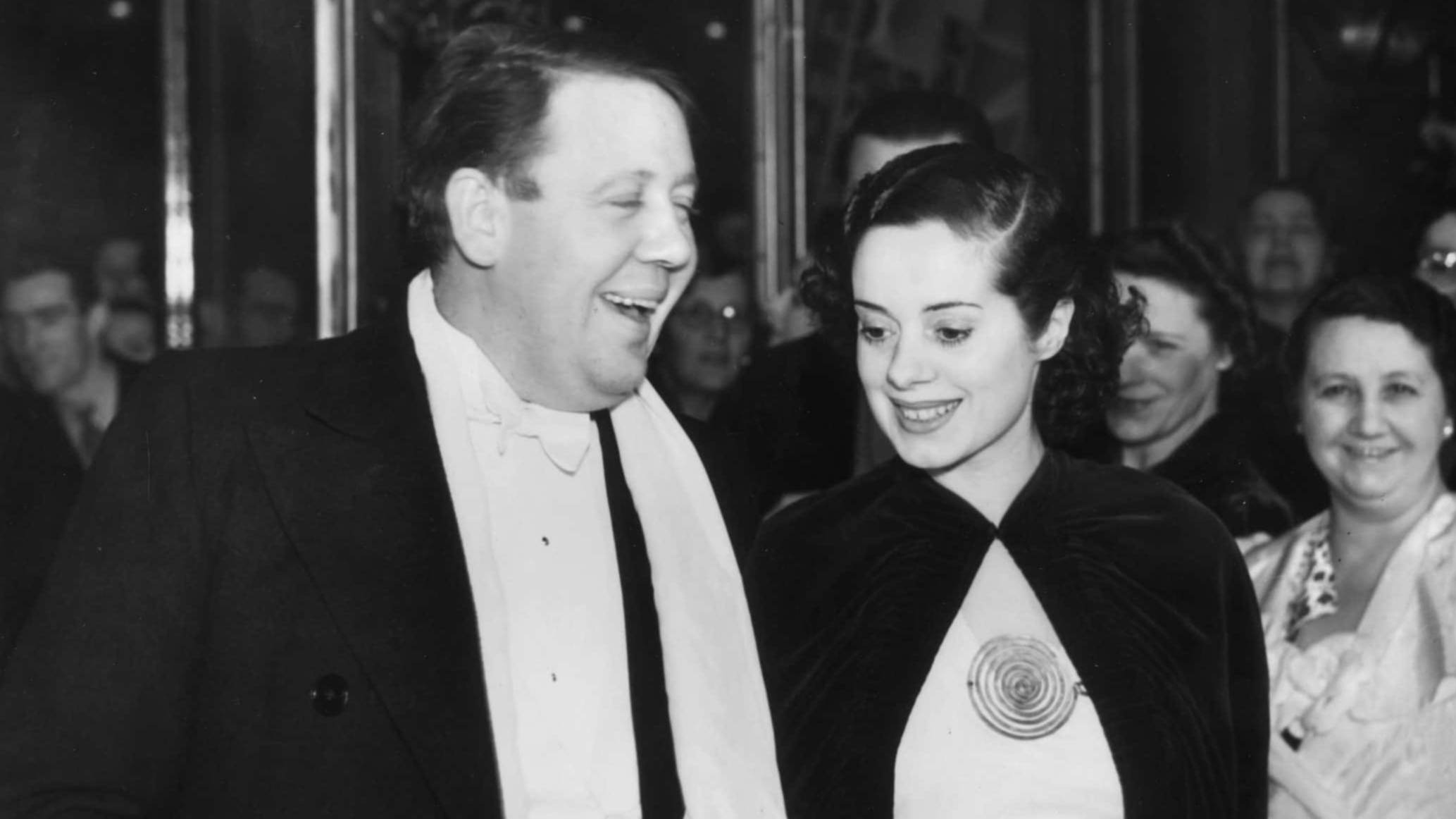
Sometimes, it seemed that Laughton didn’t care who knew about his male "friends". People who worked with him said that he often invited some of these young men to film sets. Apparently, they helped him relax. As he aged, he got more and more comfortable with being gay.
Some neighbors helped.
 ullstein bild Dtl., Getty Images
49. He Found Some Peace
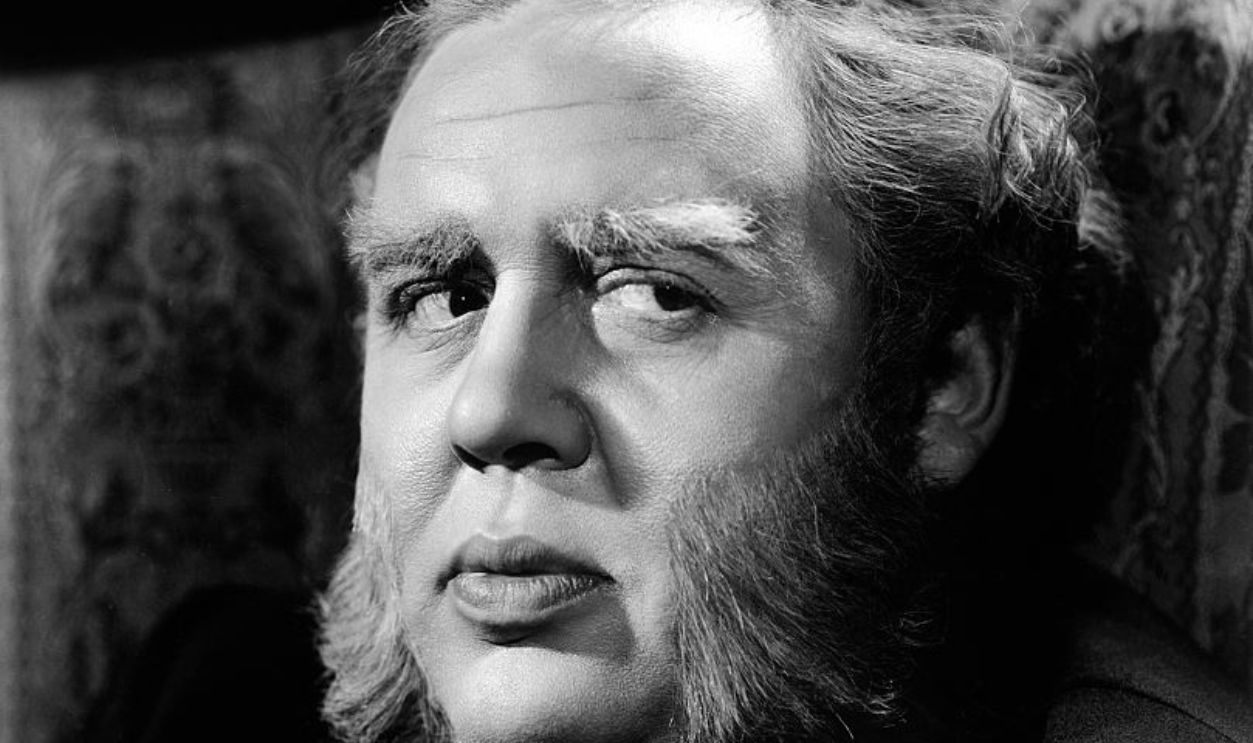
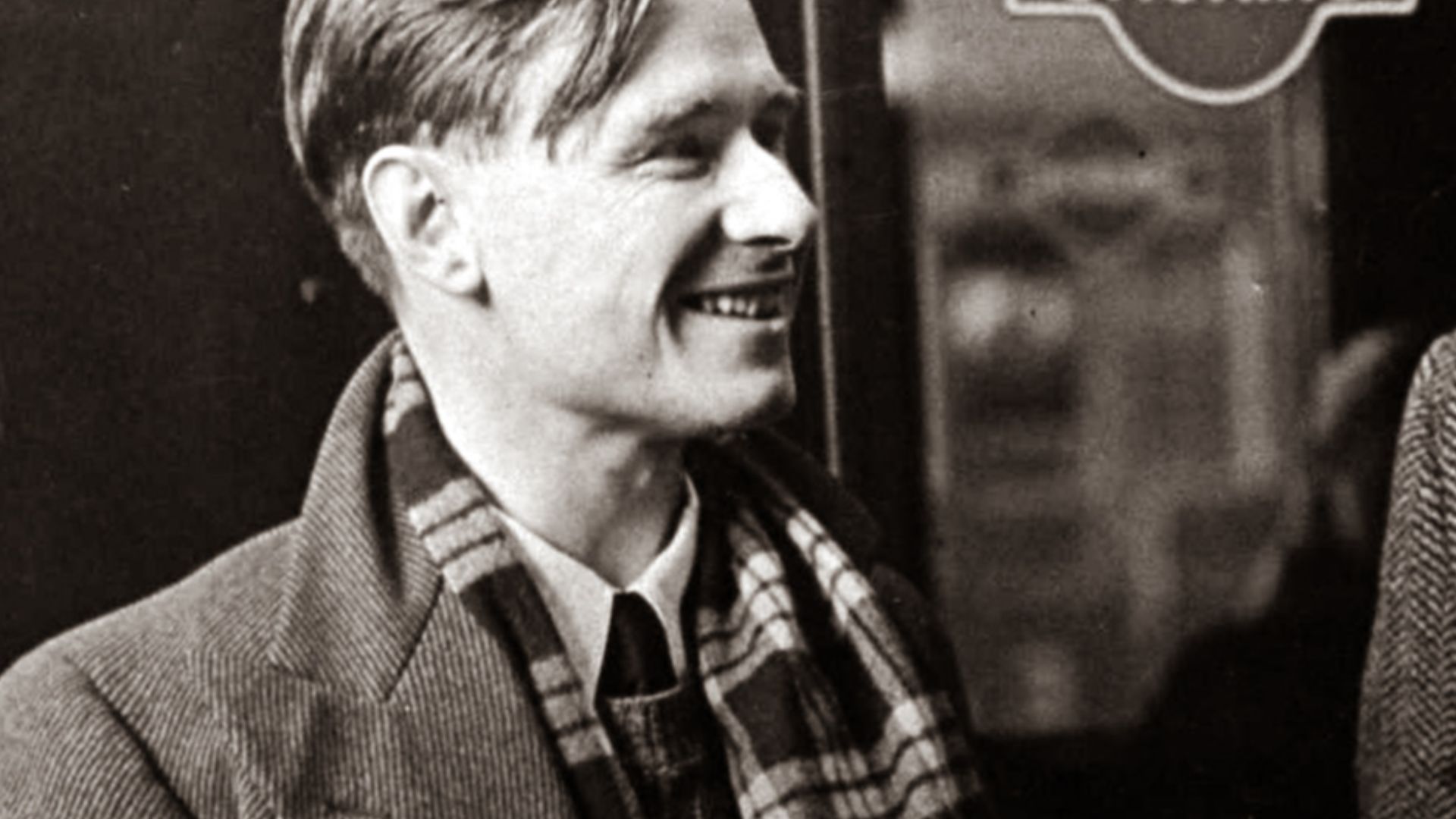
Many accounts about Laughton’s life mention his feelings of loathing about being gay. In the latter part of his life, he and Lanchester moved to a Santa Monica house that just so happened to be next door to the outspoken gay writer Christopher Isherwood and his partner. Apparently, the two couples became friends, and Laughton learned a few lessons about gay pride.
He also found another sense of pride.
 National Media Museum from UK, Wikimedia Commons
50. He Found Pride In His Country
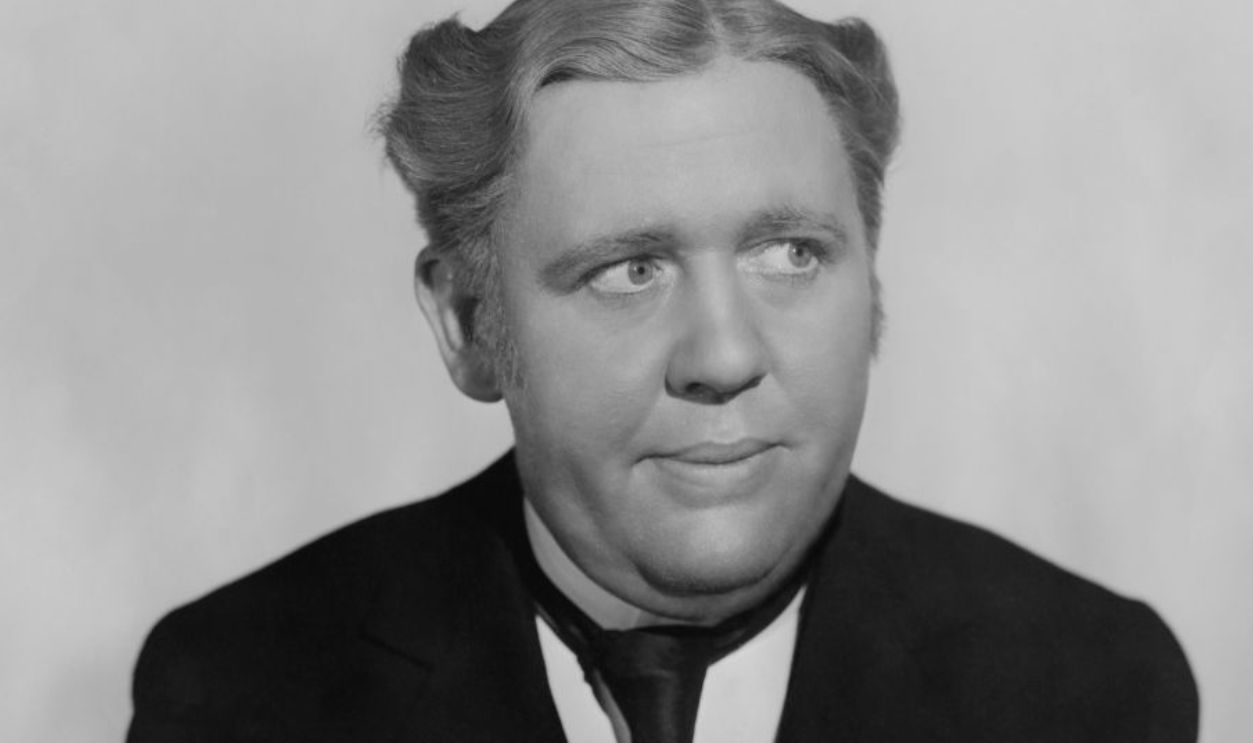
Many wondered how Charles Laughton felt about moving to America. Back in 1935, Laughton had to recite the Gettysburg Address in the film Ruggles of Red Gap. At the time, he was considering becoming an American, and the words of the address made him very emotional. In fact, he showed so much emotion that test audiences thought he was a tittering, embarrassing mess. The studio had to cut some of Laughton's close-ups from the final reel, turning it into the masterpiece we know today.
 Universal History Archive, Getty Images
You May Also Like:
Eerie Facts About Maila Nurmi, The Horror Muse
Psycho Facts About Anthony Perkins, Horror’s Leading Man
Shocking Facts About Vincent Price, More Than A Horror Actor
Sources: 1, 2, 3, 4, 5, 6, 7, 8, 9, 10, 11, 12, 13, 14, 15, 16, 17, 18, 19, 20, 21, 22, 23, 24, 25, 26, 27, 28, 29, 30, 31