
He Lacked Ambition
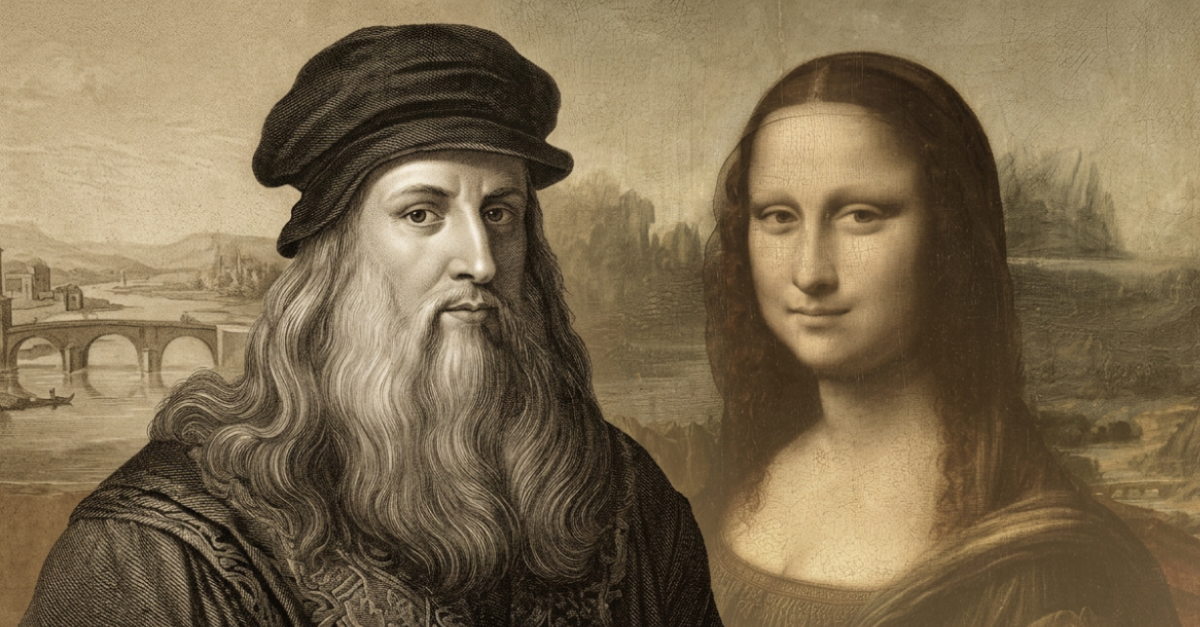
Renaissance artist Leonardo da Vinci made such groundbreaking contributions to painting, anatomy, architecture, and engineering that he’s often seen as the ultimate genius. But the reality is more surprising. Despite his extraordinary talent, da Vinci struggled to focus on any one thing for long. He left countless projects unfinished, and some of his contemporaries even saw him as lacking drive. In fact, many historians believe that even his most famous work, the Mona Lisa, was never truly finished.
So what kept one of history’s greatest minds from reaching his full potential? The answer lies in a series of distractions—some intellectual, some personal, and a few that were downright scandalous.
1. His Parents Weren’t Married
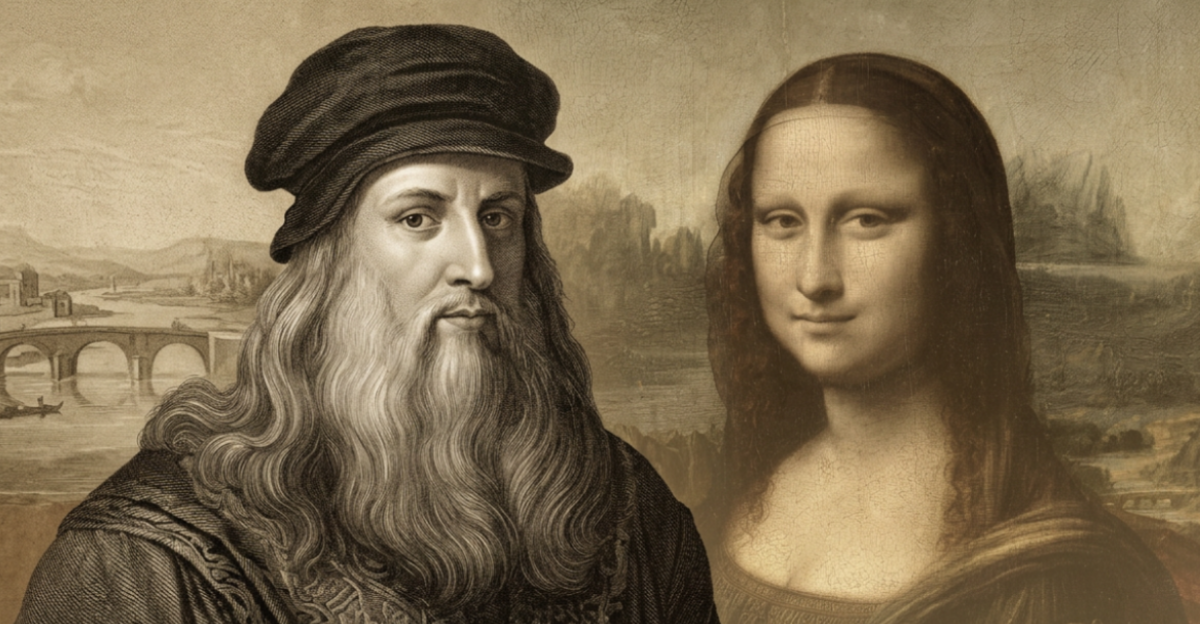
While the exact date of Leonardo da Vinci’s birth is a little vague—somewhere around April 15, 1452—we do know that his parents were not husband and wife. Piero da Vinci was his father, and his mother was from the lower classes. Her name was Caterina di Meo Lippi, and she was more than a bit of a mystery.
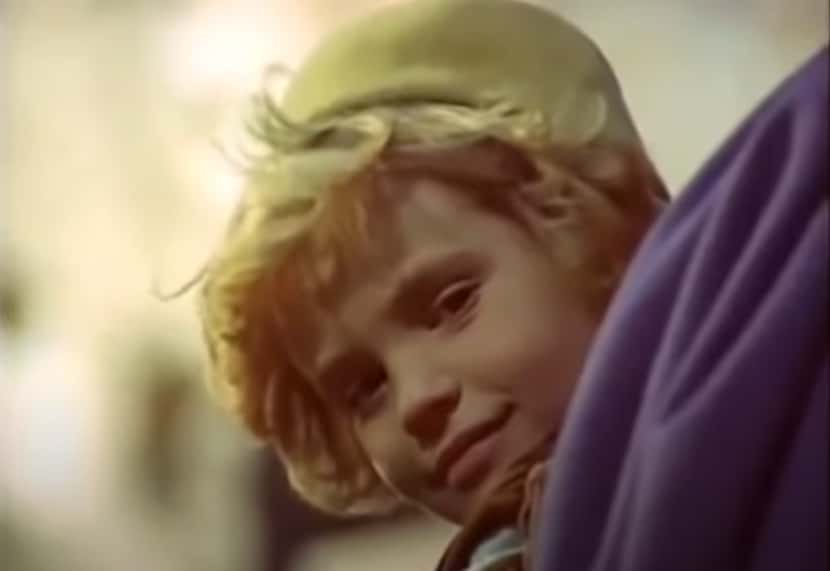 Screenshot from The Life of Leonardo Da Vinci, RAI (1971)
2. We’re Not Sure About His Mother
Some speculate that da Vinci’s mom was actually a slave with roots in North Africa. Another account has Caterina as a teenage orphan from a nearby hamlet. After she gave birth to da Vinci, most believe that she married a farmer because the situation was getting more and more awkward. Still another story claims that Caterina pledged herself to another man even before she became pregnant with Leonardo.
Only one thing is clear: da Vinci had very little time with his mother.
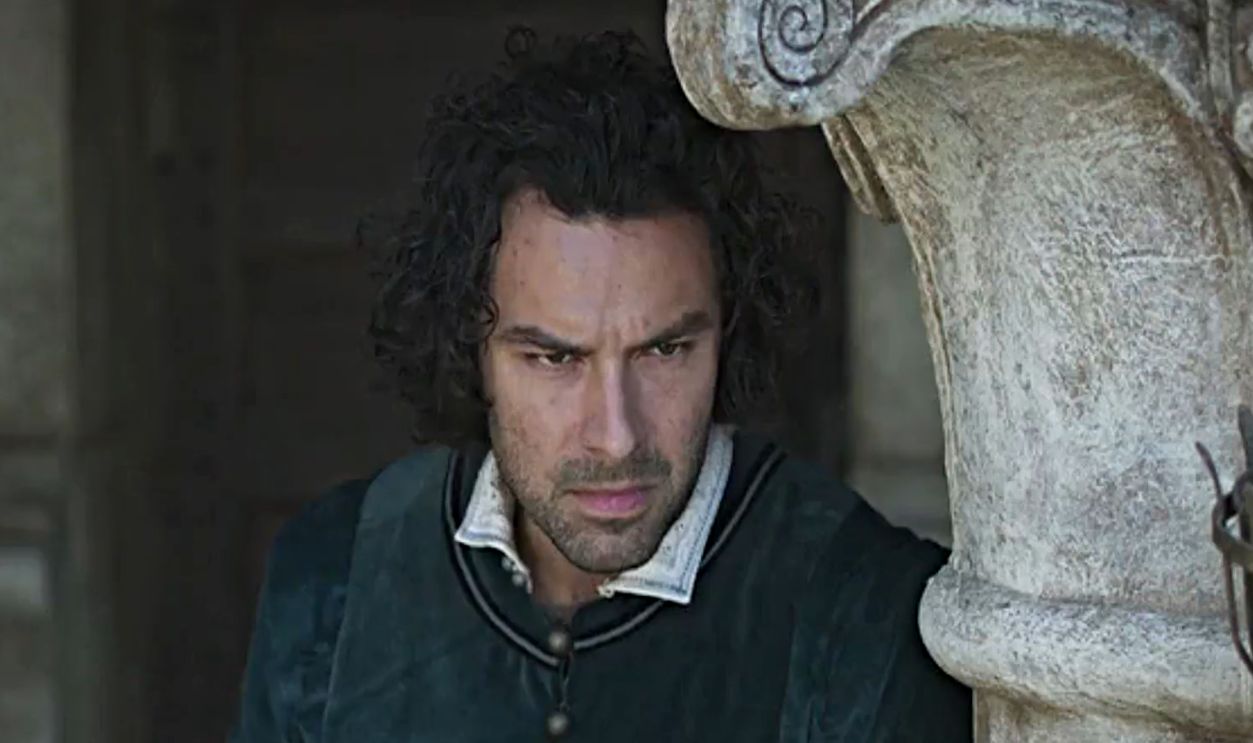 Screenshot from Leonardo, Sony Pictures Television (2021)
3. He Didn't Have His Parents
After spending just one year with his mother, Dad got custody. But as it turned out, he ultimately dumped little Leondaro off at his parents’ place. So, Leonardo da Vinci grew up under the care of his 80-year-old grandfather, Antonio, and his 60-year-old grandmother Lucia. In the meantime, his dad was too busy getting remarried. That happened more than once, which resulted in da Vinci having an astonishing 16 half-siblings.
It sounds like a difficult start to life, but he did have luck on his side.
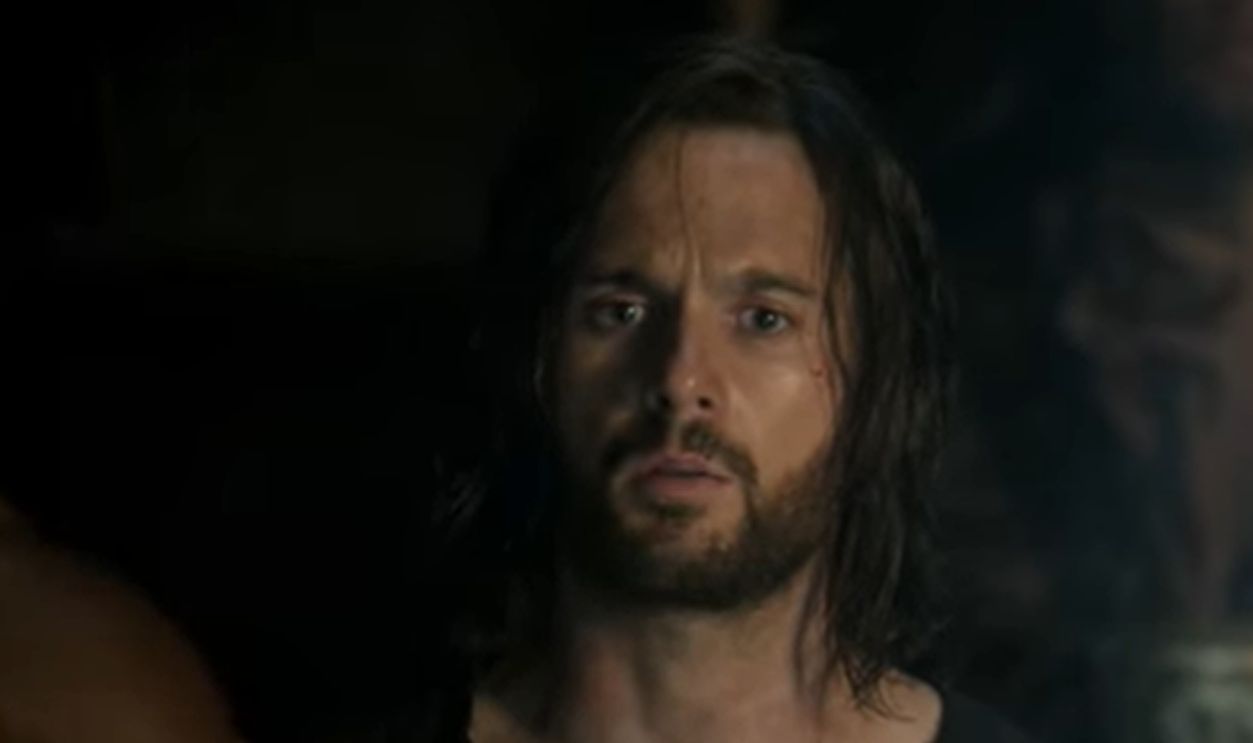 Screenshot from Da Vinci's Demons, STARZ (2013–2015)
4. He Was Lucky
In case you’re feeling sorry for Leonardo da Vinci not having a traditional family life, hold on. You see, if da Vinci had been born legitimately, his father might have expected him to follow in his footsteps, which was to be a notary. But being illegitimate meant that da Vinci could pursue what he wanted in life.
And what he wanted was to be an artist.
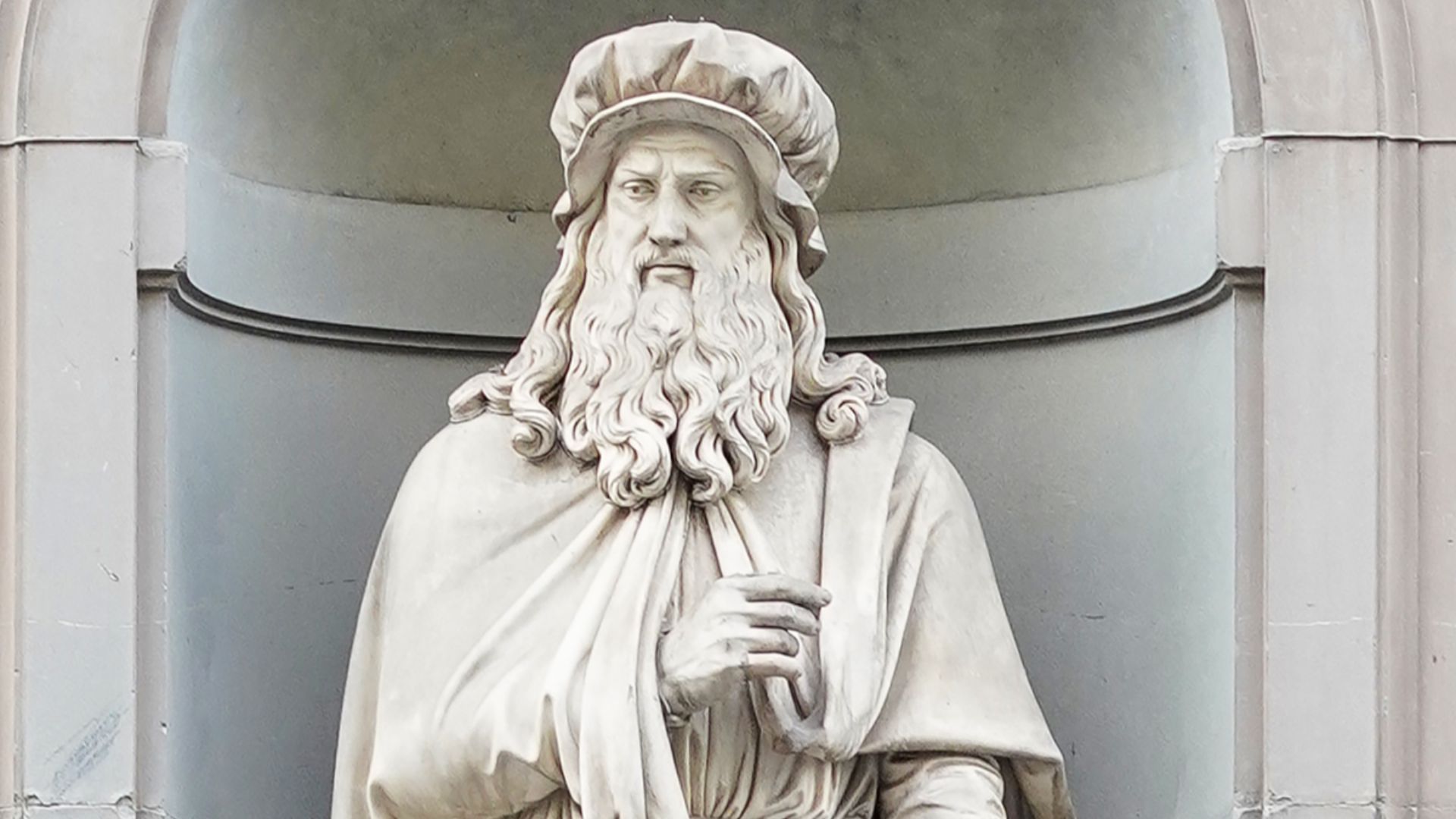 Wikibusters, Wikimedia Commons
5. He Was Left-handed
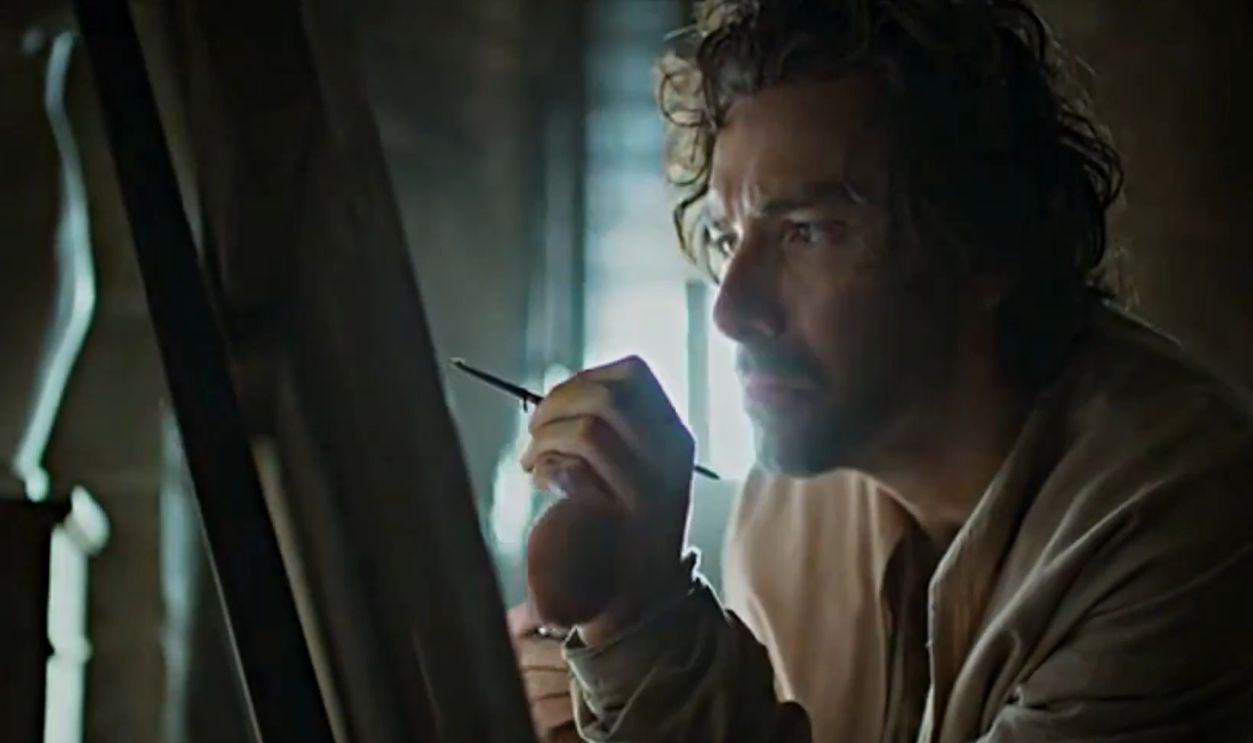
When da Vinci first picked up a pen, he used his left hand. Worse still was the fact that all the letters he put on paper came out backward. One reason for this was that it may have been the only way he could keep his hand from smearing the ink. Aside from his backward letters, one thing was apparent early. Da Vinci could really draw.
And destiny seemed intent on helping his career along.
 Screenshot from Leonardo, Sony Pictures Television (2021)
6. He Arrived In A Beautiful City
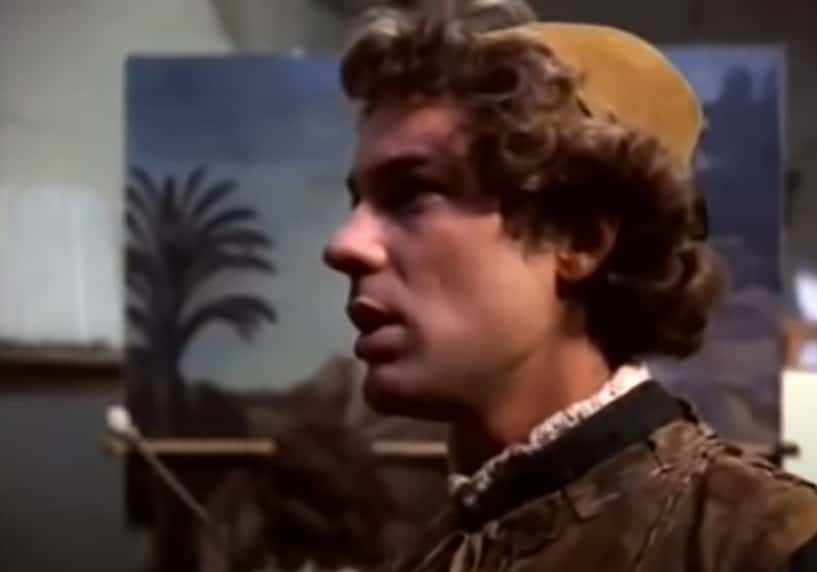
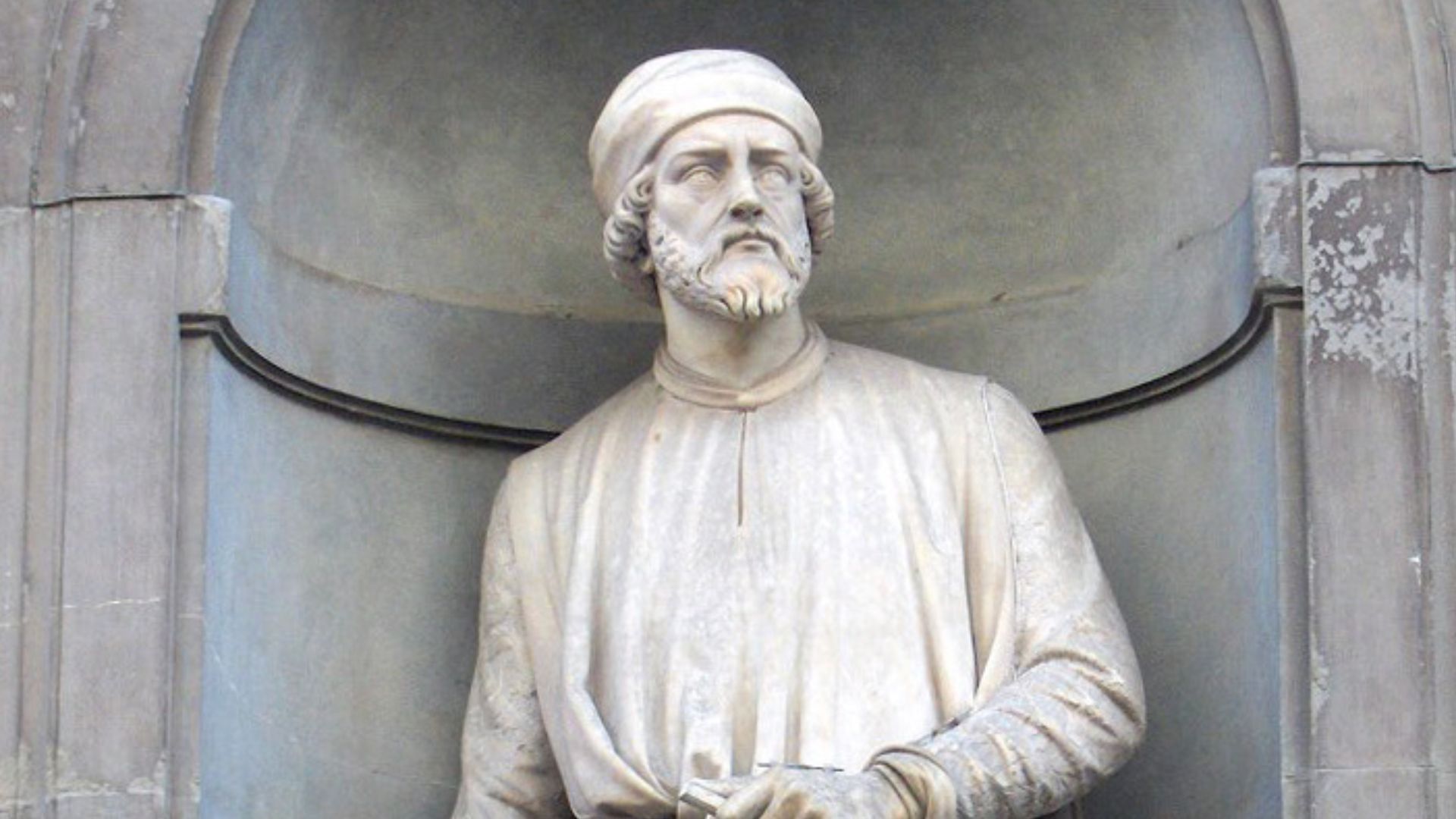
When Leonardo da Vinci was 12, his dad called for him to join him in Florence. Da Vinci arrived to a beautiful city filled with rich people living in elaborate homes filled with art. Even the city itself felt like an art gallery, as there were works by Brunelleschi, Ghiberti, and Donatello on display. In Florence, art mattered even more than food, as wood-carvers outnumbered butchers.
But what was da Vinci going to do in this art-filled city?
 Screenshot from The Life of Leonardo Da Vinci, RAI (1971)
7. His Father Saw His Talent
Luckily, Dad had a client named Andrea del Verrocchio, and he was an artist. When da Vinci turned 14, his father arranged for his son to become a studio boy to Verrocchio. This was a huge break for da Vinci as Verrocchio was a leader in Florentine painting and sculpture. Also, Verrocchio’s master was none other than Donatello himself.
But the very talented da Vinci wouldn’t stay a studio boy for long.
 Original uploader was Frieda (dillo a Ubi) at it.wikipedia, Wikimedia Commons
8. He Wasn’t Ordinary
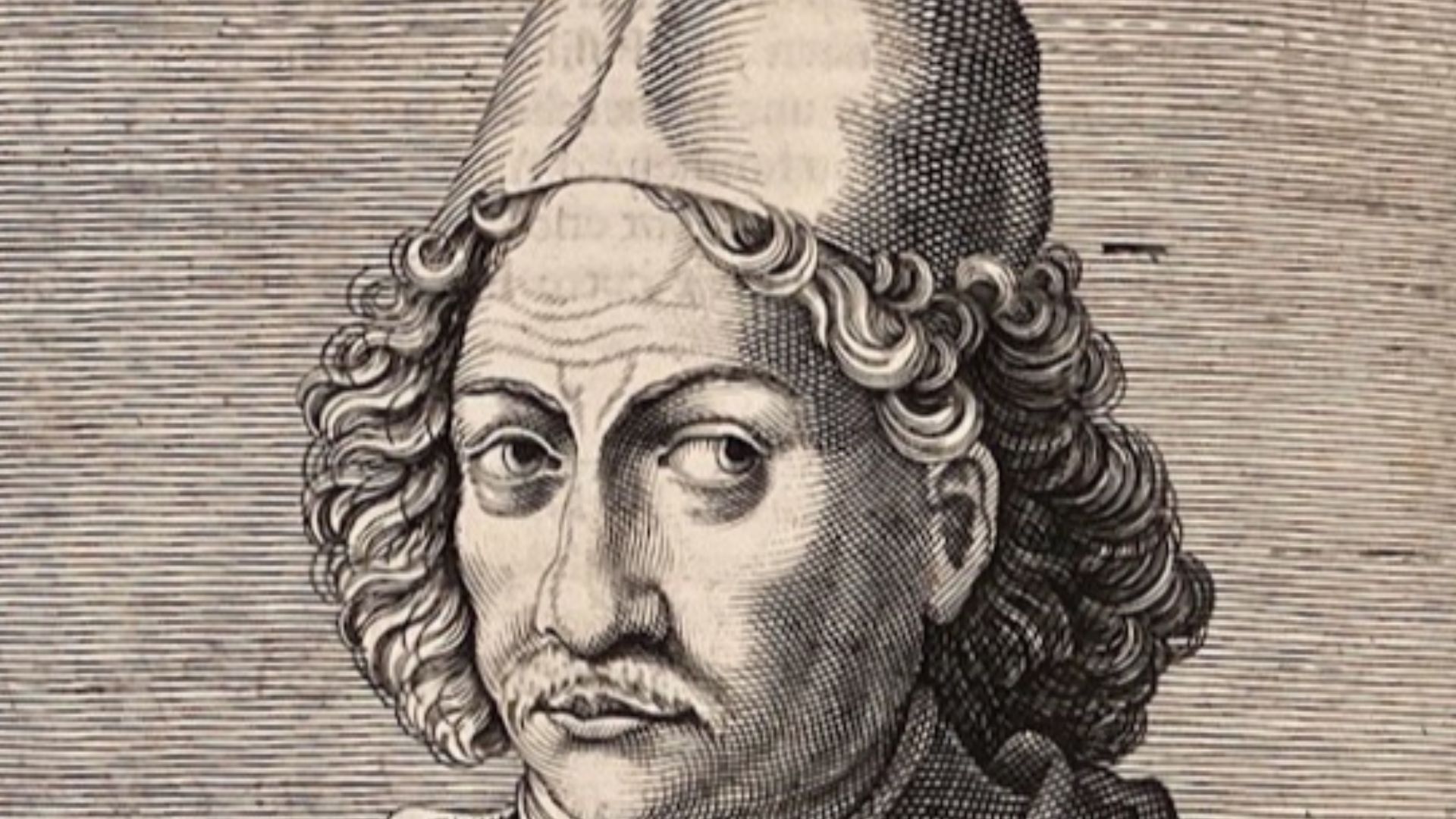
Over time, Verrocchio took on Leonardo da Vinci as an apprentice, carrying on work with him after Donatello passed. It was almost immediately apparent that da Vinci was no ordinary apprentice. In 1475, da Vinci got a break when Verrocchio allowed him to work on an angel in his “Baptism of Christ”. When Verracchio saw what da Vinci had done with his brush, he made a stunning decision.
 Nicolas de Larmessin, Wikimedia Commons
9. He Made His Teacher Look Bad
According to legend, Verracchio took one look at da Vinci’s painting skill on “Baptism of Christ", and he knew something was very clear. His apprentice was a better painter than he was. Because of this, Verracchio decided that he would no longer paint at all. Luckily, he had sculpture to fall back on.
But da Vinci involved himself in that as well.
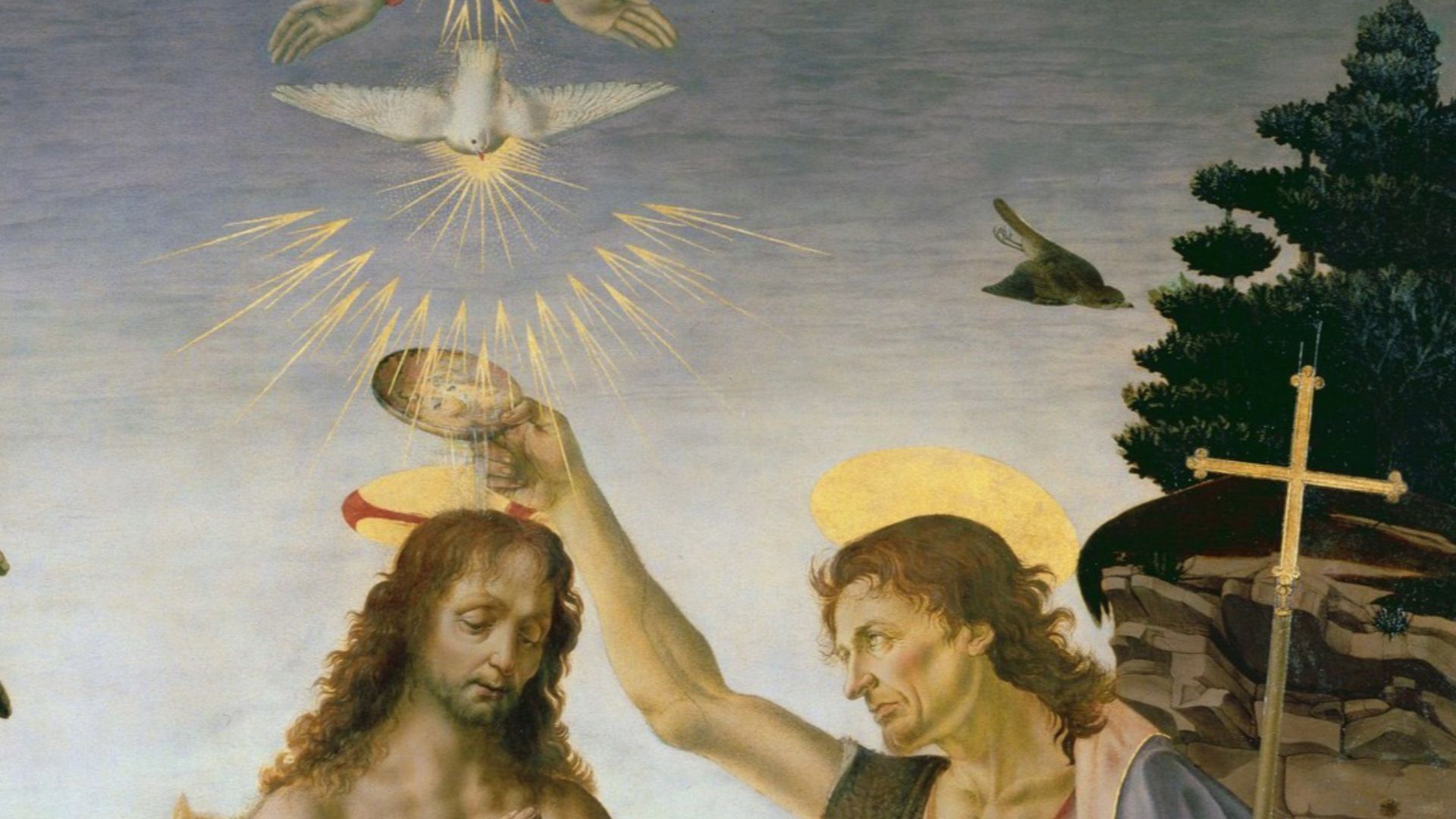 Andrea del Verrocchio / Leonardo da Vinci, Wikimedia Commons
10. He Was Good-Looking
While Michelangelo’s famous “David” sculpture was still a few years away, Verrocchio had his own David to sculpt. Since Leonardo da Vinci was hanging around the studio, and since he was a very attractive young man, many believe that Verrocchio had his protege pose for him. Historian Walker Isaacson described Verrocchio’s David as “a slightly effeminate and strikingly pretty boy of about fourteen”.
But da Vinci was clearly more than a pretty face.
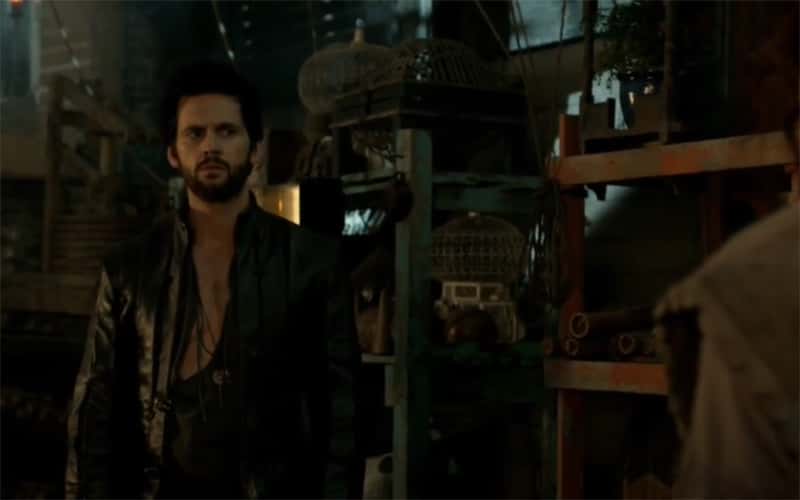 Screenshot from Da Vinci's Demons, STARZ (2013–2015)
11. He Learned A Lot Of Different Things
Da Vinci remained in training with Verroccchio for seven years, and during that time he learned not only about painting but also about engineering and metal work. Hanging around with Verracchio also exposed da Vinci to an education in drafting, chemistry, metallurgy, plaster casting, leather working, mechanics, and woodwork.
It sounded like da Vinci was in danger of becoming a jack of all trades instead of a master of one.
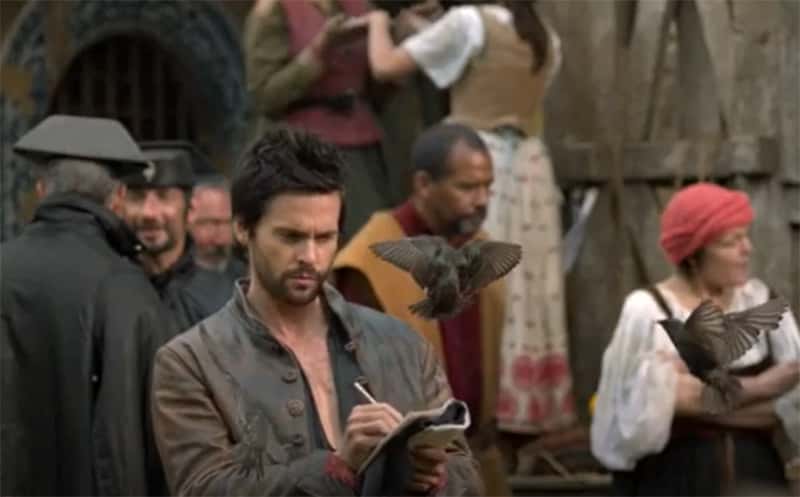 Screenshot from Da Vinci's Demons, STARZ (2013–2015)
12. He Was Faithful to His Master
In 1472, when Leonardo da Vinci was 20, he already qualified as a master in the Guild of Saint Luke. His father had even provided him with a workshop of his own. But even though da Vinci had one-upped Verracchio at painting, he remained faithful to him. They collaborated and even lived together.
But there may be another reason why da Vinci stuck with Verracchio.
 Screenshot from Da Vinci's Demons, STARZ (2013–2015), Modified
13. He Lacked One Important Thing
While da Vinci had no shortage of talent, there was something missing. Some scholars feel that he lacked ambition. So, wouldn’t it make sense for da Vinci to stay with Verracchio? If he didn’t have a strong drive to be famous, it would make sense to stay with someone he felt safe with.
Well, da Vinci was about to feel very unsafe.
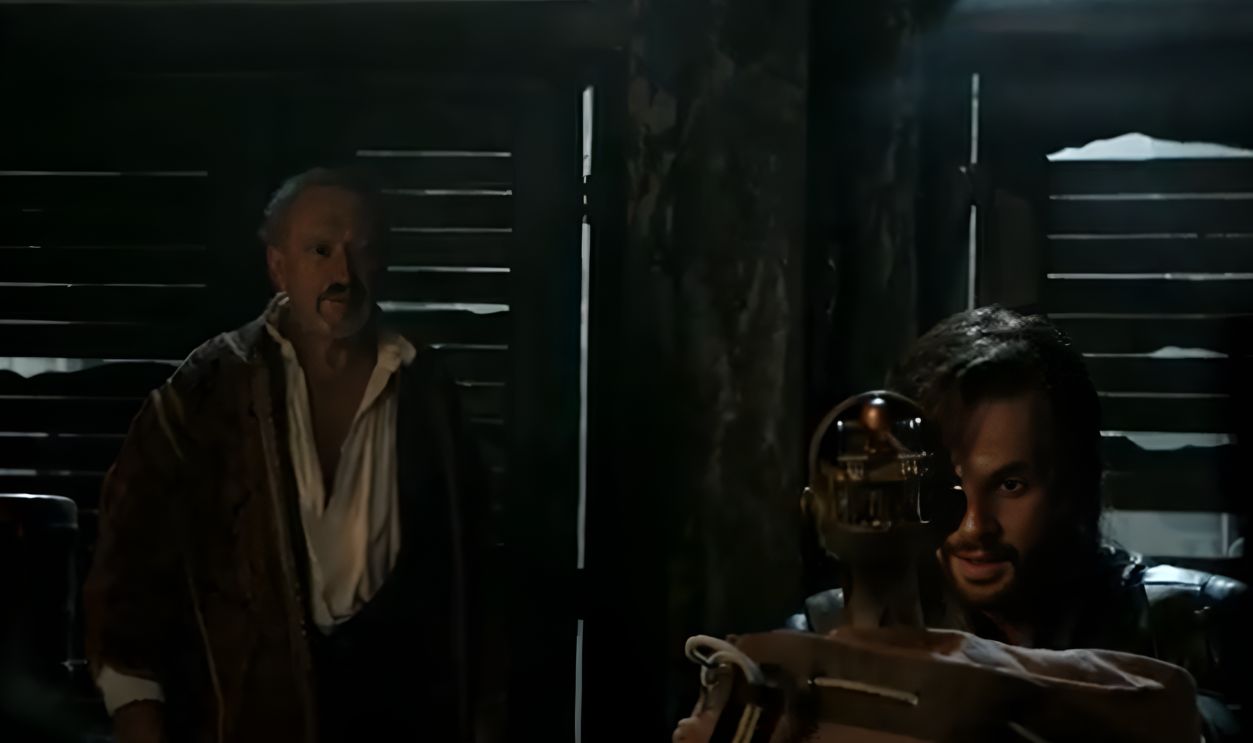 Screenshot from Da Vinci's Demons, STARZ (2013–2015), Modified
14. He Got Into Trouble
In 1476, da Vinci got into some serious trouble. At 24 years old, he and three friends landed in hot water. The four young men had behaved improperly with a fifth man. Depending on who you believe, this fifth man was either an apprentice of a goldsmith or a male hustler.
It didn’t really matter which he was; da Vinci was in serious trouble.
 Screenshot from Da Vinci's Demons, STARZ (2013–2015)
15. He Was Wicked
The authorities of the time were calling what da Vinci and his buddies did with the fifth young man “wickednesss”. While da Vinci waited for his punishment, he had time to imagine the worst. There could be a fine, an exile, or humiliation in front of the people of Florence.
It looked like the end of da Vinci’s career and maybe even his life.
 Screenshot from Da Vinci's Demons, STARZ (2013–2015)
16. He Might've Had An Influential Friend
Da Vinci had luck on his side. One of his friends who joined him in the “wicked” event was Leonardo de Tornabuoni. The good news was that he was related to Lorenzo de' Medici, who was part of the family that unofficially ruled Florence. Many believe that de’ Medici threw his weight around to get his relative off the hook. And because it was the same incident, da Vinci got off as well.
Da Vinci was a free man, but now he had to face his father.
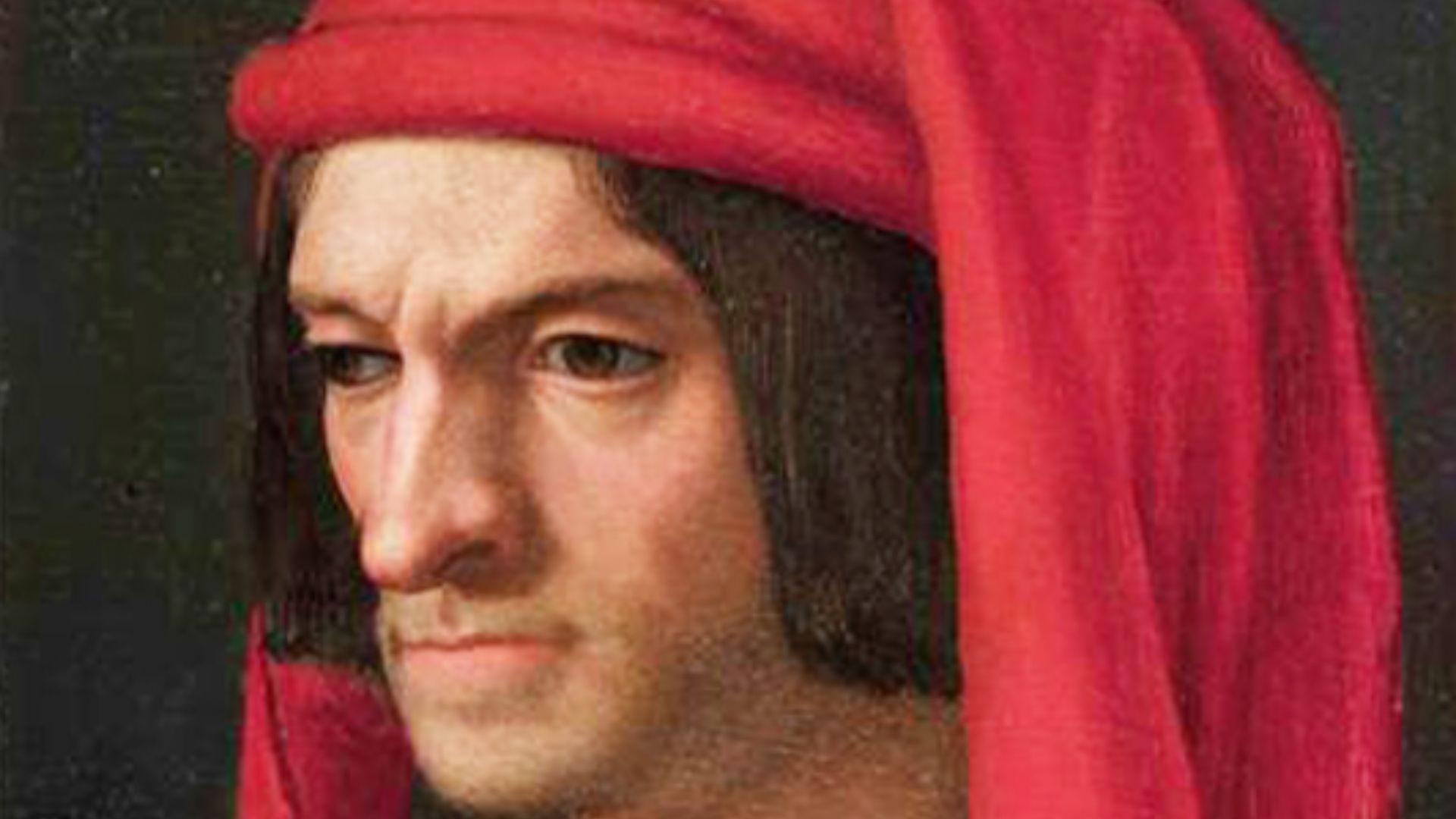 Workshop of Bronzino, Wikimedia Commons
17. He Made His Escape
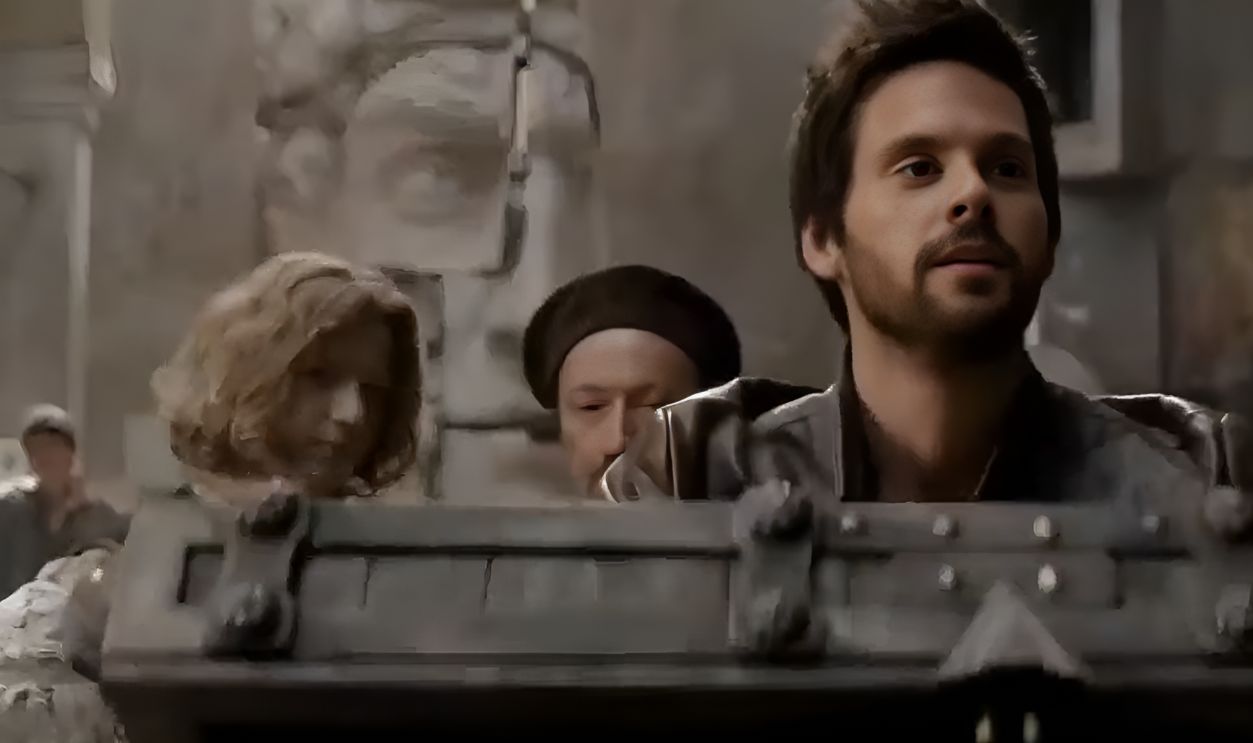
By this time, da Vinci’s dad had remarried and had sons that were, first of all, not illegitimate and second of all, not involved in a scandal. So, you’d probably assume that da Vinci’s father disliked his son’s run-in with authorities. Da Vinci knew that it was a good time to make an exit. He found a project in nearby Pistoia and took off.
But he was not through with Florence yet.
 Screenshot from Da Vinci's Demons, STARZ (2013–2015), Modified
18. He Made A Triumphant Return
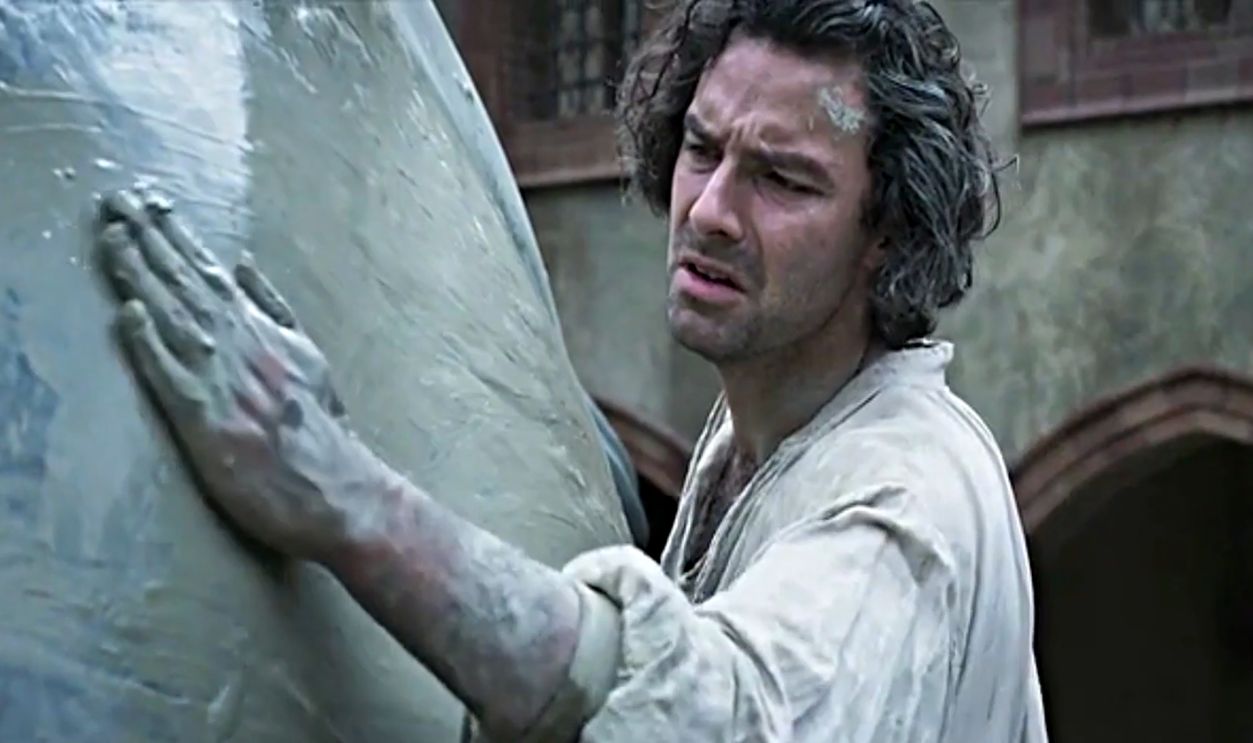
Da Vinci lay low in Pistoia and then, in 1478, got a call to return to Florence. This came in a commission to paint an altarpiece that would go in the Chapel of Saint Bernard. This small chapel was right in Florence’s town hall, so getting a commission was a big deal. It was also da Vinci’s first commission apart from Verrocchio.
This could make or break his career.
 Screenshot from Leonardo, Sony Pictures Television (2021)
19. He Met The Elite
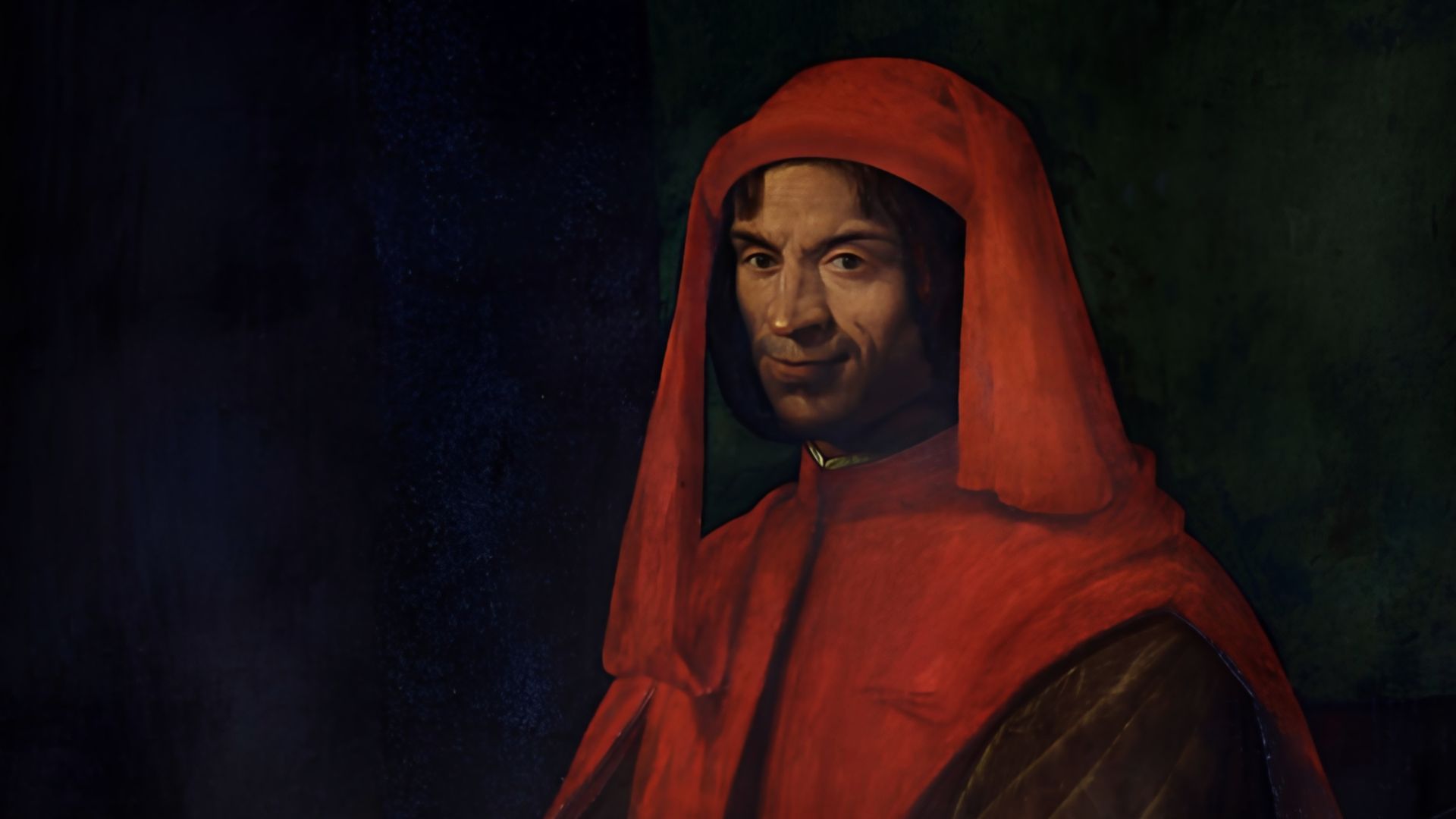
Remember, it was the Medici family that had bailed out da Vinci when he was in lockup for inappropriate involvement with another man. And also remember that the Medici family was basically and unofficially running Florence at the time. One biographer believes that in 1480, da Vinci was actually living with the influential Medicis. Through them, he had a chance to meet up with the most important artists, philosophers, and poets at the time.
But all this networking kept distracting da Vinci from the work he needed to finish.
 Macchietti Girolamo, Wikimedia Commons
20. He Was Busy
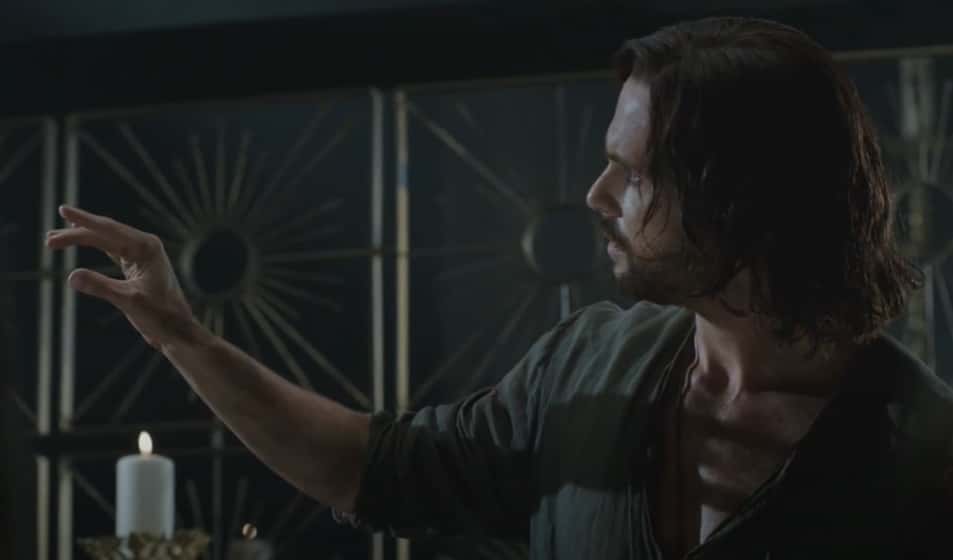
Da Vinci was still working on the Chapel of St Bernard when he got another commission. This was to paint the Adoration of the Magi for the monks of San Donato. Things were looking good for da Vinci with two commissions on the go at the same time. He didn’t see any reason to stop with two and sent a letter to Ludovico Sforza, who was the Duke of Milan. Somehow da Vinci had suddenly become very ambitious.
But maybe he was biting off more than he could chew.
 Screenshot from Da Vinci's Demons, STARZ (2013–2015)
21. He Was A Quitter
The letter da Vinci sent to the Duke bragged about what he could do in other fields besides painting. In fact, he made it sound as if painting was more of an afterthought in his career. The letter focused on his abilities in weapon design and engineering. When the Duke responded positively, da Vinci quit his two commissions and headed to Milan.
It seemed that da Vinci was saying goodbye to Florence, but some wondered why.
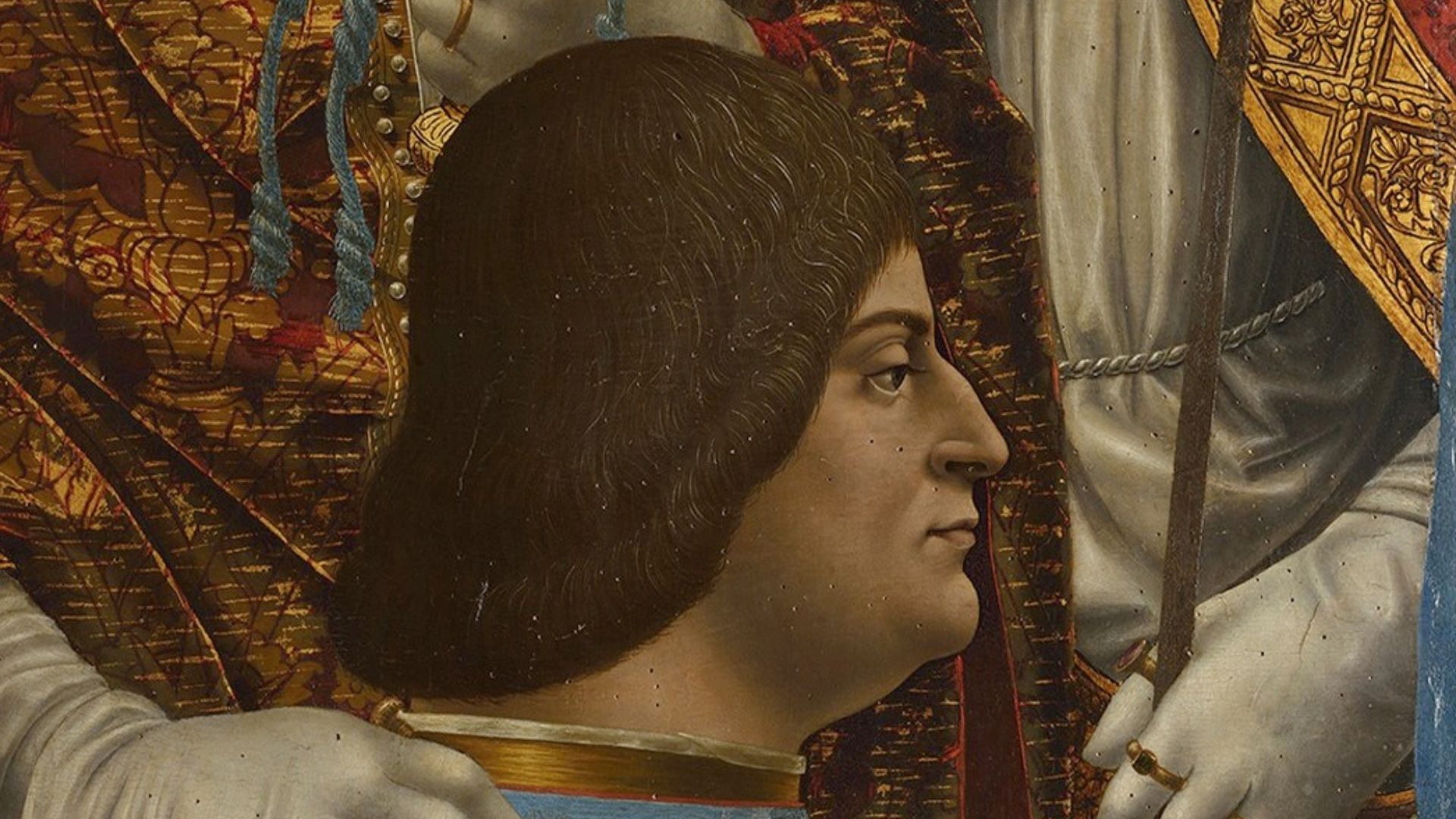 Unknown Master, Italian (active 1490-1520 in Lombardy), Wikimedia Commons
22. He Was Ignored
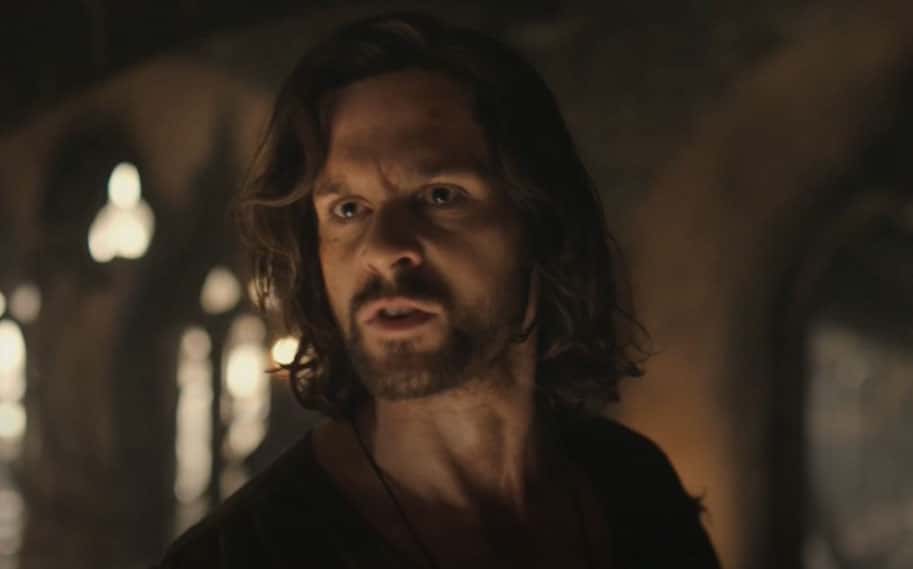
The thing was, da Vinci wasn't exactly crushing it in Florence. Sure, he’d painted Ginerva de’ Benci, and it’s now a masterpiece at the National Gallery in Washington. But when Lorenzo Medici presented a list of the best painters in Florence to the pope, Da Vinci’s name was glaringly absent. The list included Botticelli, Perugino, and Ghirlandaio, and these guys got the chance to paint the Sistine Chapel.
Da Vinci must have been wondering why he wasn’t on that list.
 Screenshot from Da Vinci's Demons, STARZ (2013–2015)
23. His CV Had Some Holes
It seemed weird that Lorenzo Medici hadn’t included da Vinci on the list of the best painters in Florence. But was it so weird? For one thing, da Vinci hadn’t done any work in fresco. So, that was a glaring omission. But there was something more serious. Da Vinci had so carelessly walked away from his two commissions. It didn’t show a real commitment to his work.
Whether or not that actually played a role in him being skipped over for the job of a lifetime, it was goodbye, Florence, and hello to a new life in Milan.
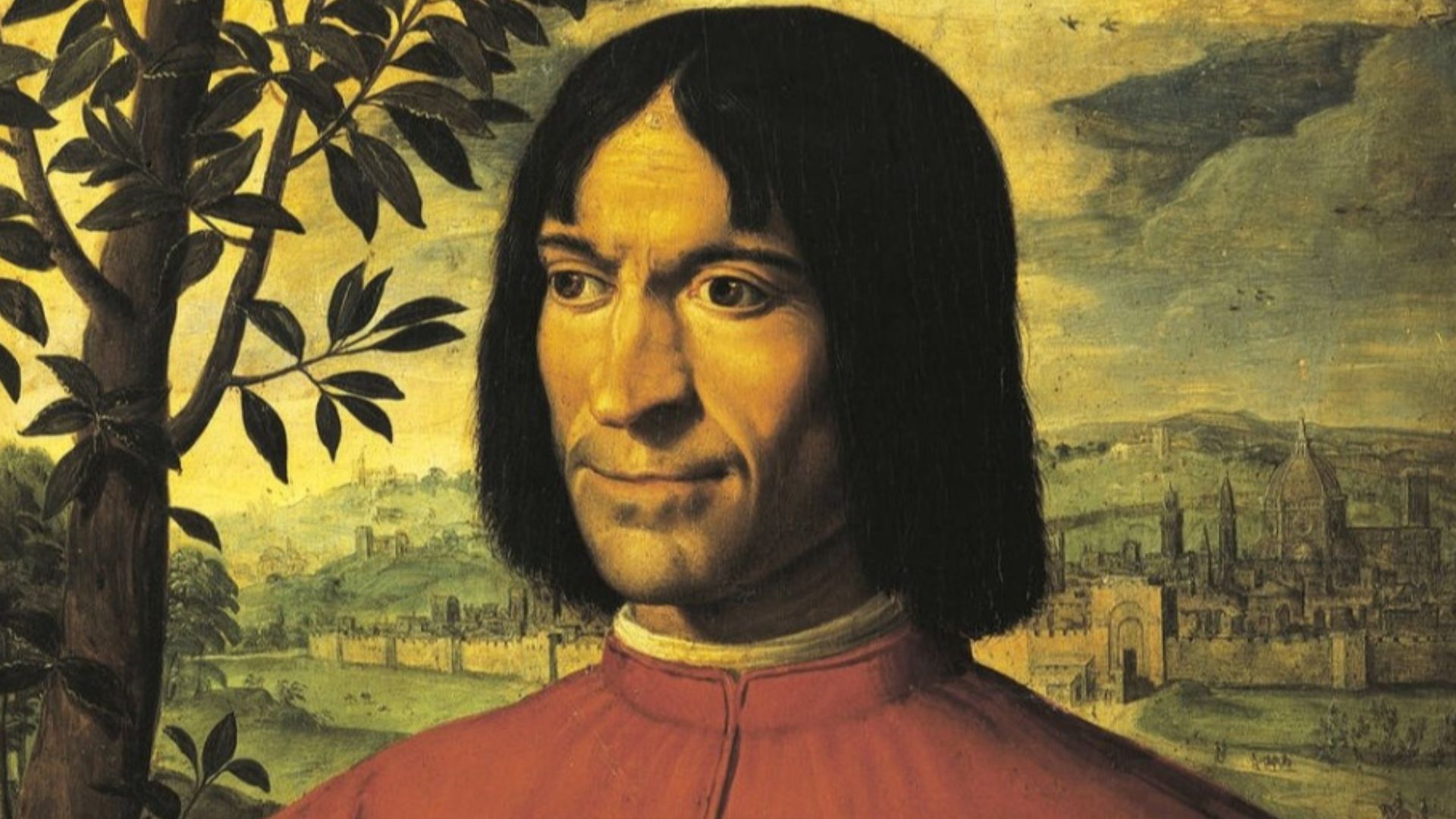 Girolamo Macchietti, Wikimedia Commons
24. He Might've Partnered Up With A Monster
It’s not clear whether da Vinci knew exactly what he was getting into with the Duke of Milan. You see, according to some theories, this duke was only a duke because he’d heartlessly poisoned his own nephew. Because of this, Milan suffered numerous attacks by its many rivals. So, when da Vinci started his tenure with the duke, he had to take on his own monstrous personality.
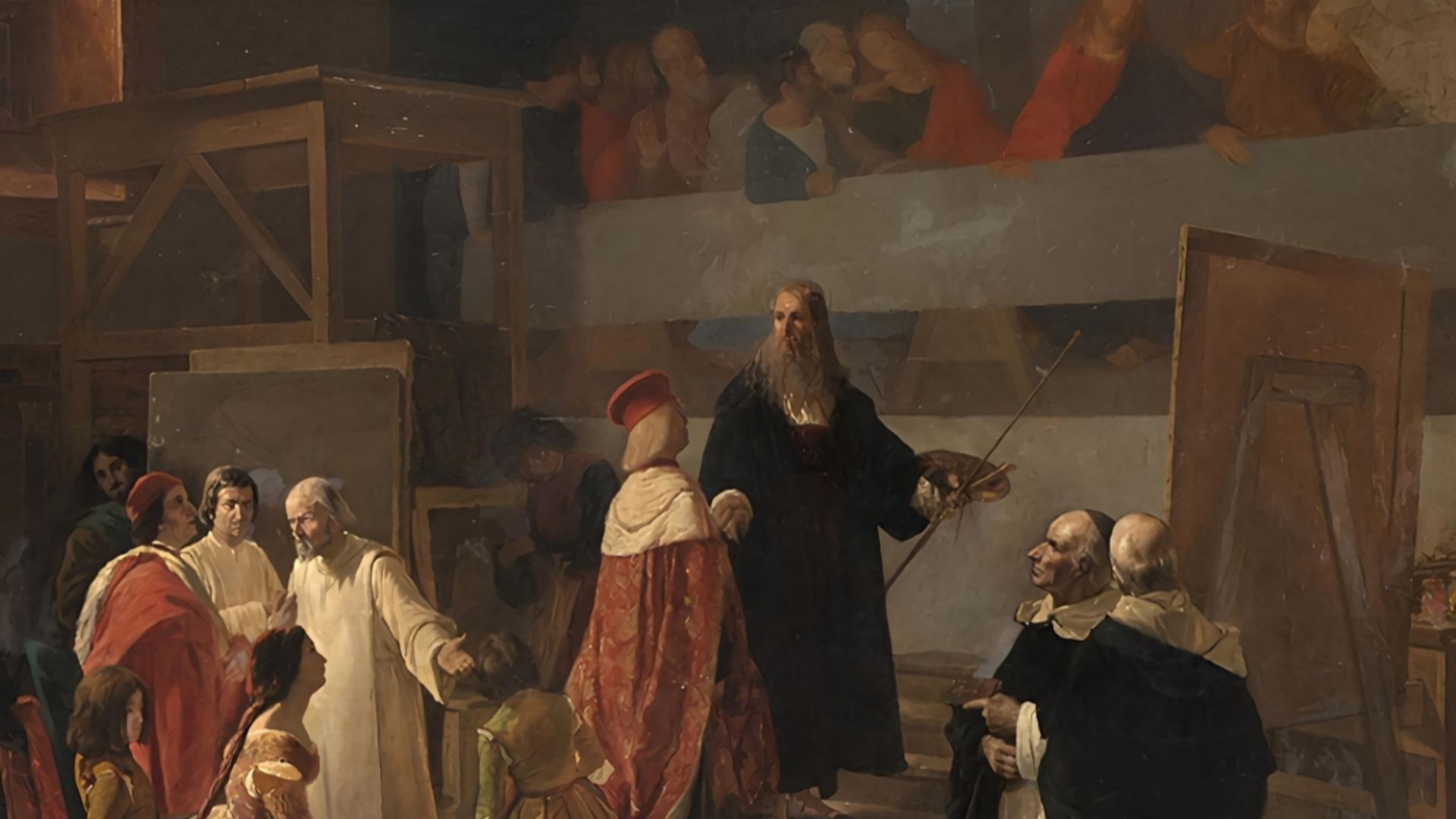 Cherubino CornientiUnknown authorUnknown author, Wikimedia Commons
25. He Designed Some Scary Stuff
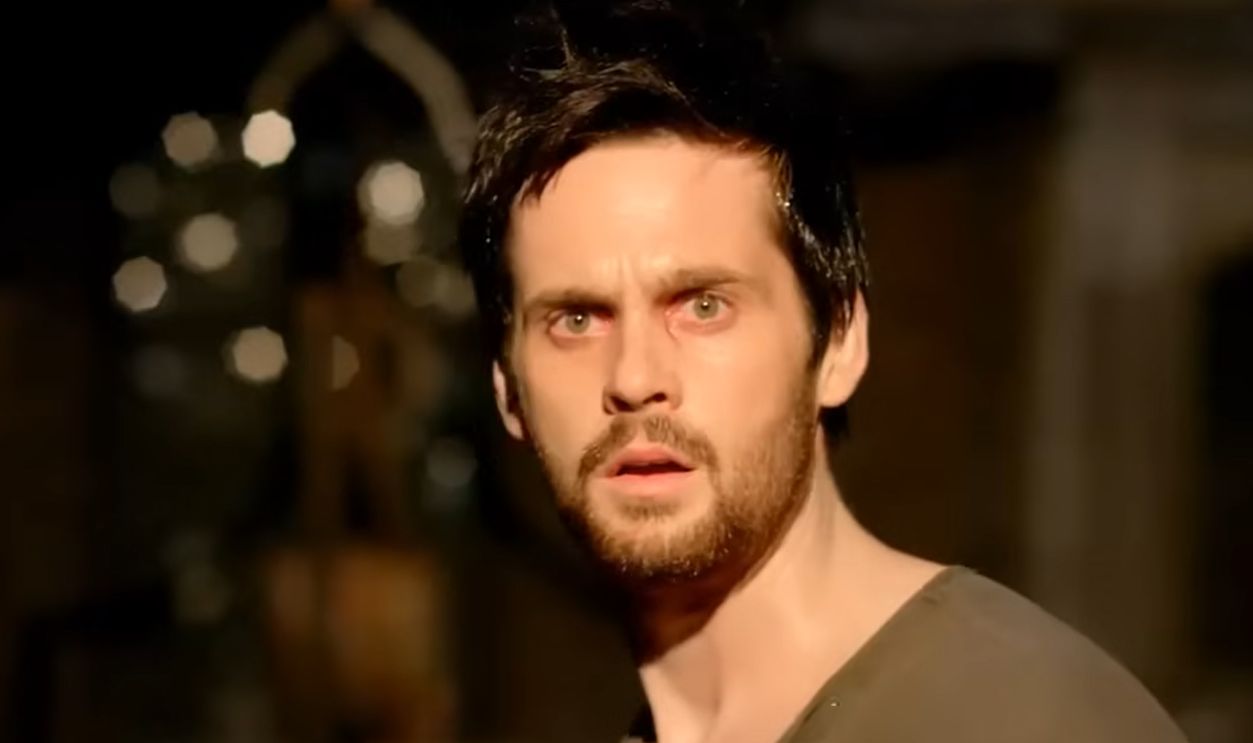
Since the Duke of Milan was almost constantly defending the city, da Vinci came up with some rather frightening devices to help the duke. He drew a machine that looked like organ pipes, which would increase the "speed and intensity" of firing. He designed a huge crossbow that launched missiles. Perhaps his most disturbing image was a plan for a chariot that was also able to slice men in half.
Luckily, da Vinci also took the time to paint.
 Screenshot from Da Vinci's Demons, STARZ (2013–2015)
26. He Wasn’t Good With Deadlines
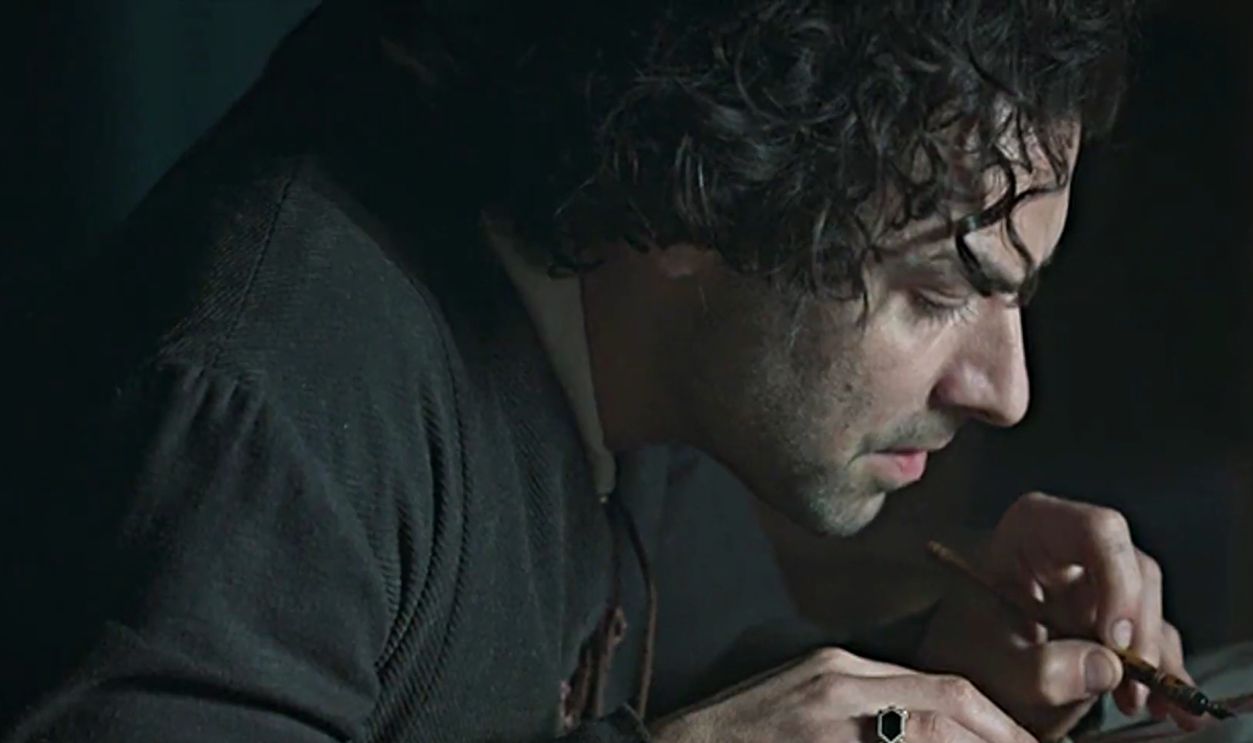
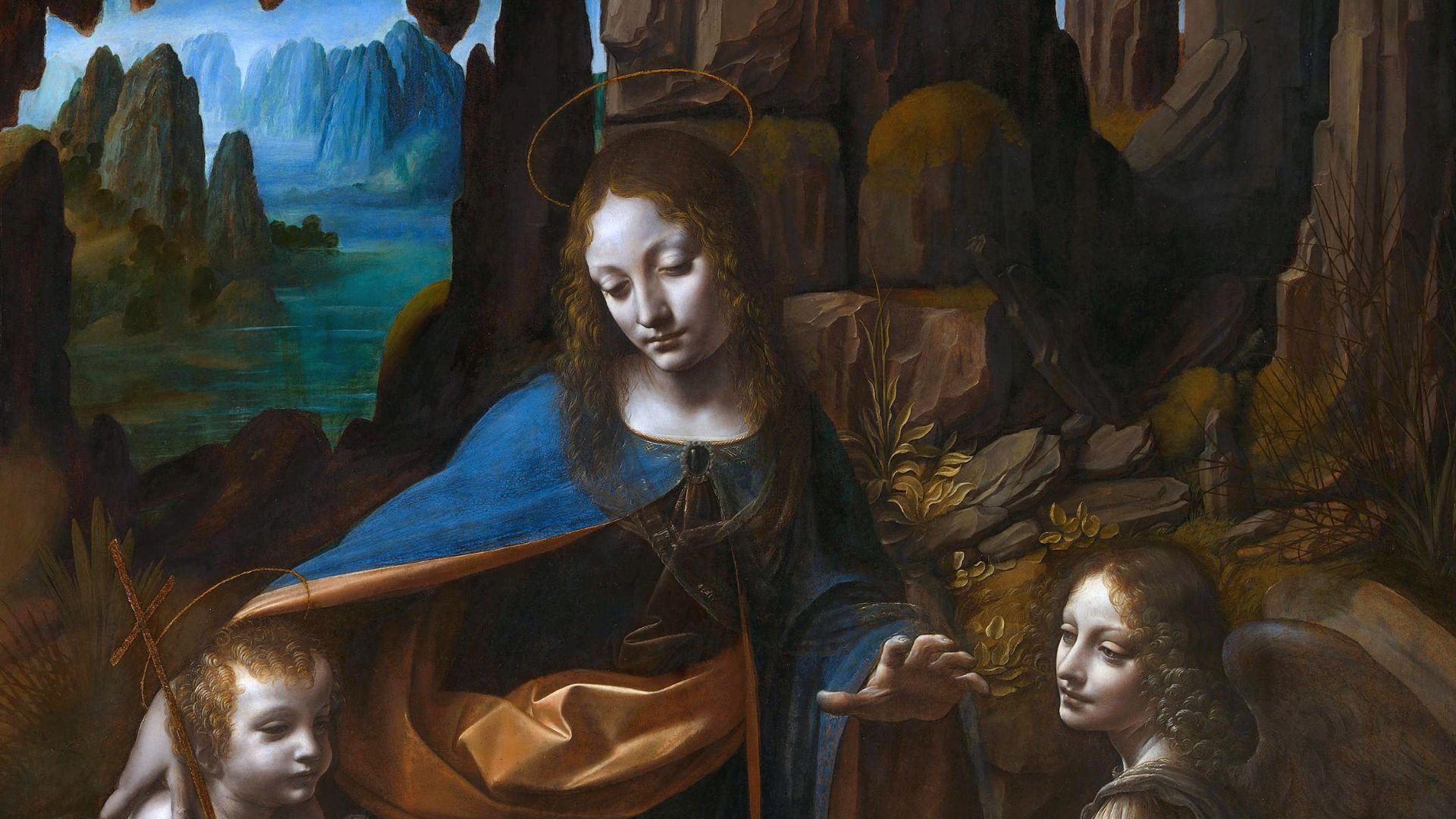
While in Milan, da Vinci received a commission for the paintings for an altarpiece. The commission was for the Virgin of the Rocks and two side panels, and it came from the Confraternity of the Immaculate Conception. His helpers would be two brothers: Ambrogio and Evangelista de Predis. Da Vinci and the brothers received a due date of December 8, 1483.
This gave him seven months to finish and install the work. But da Vinci and due dates don’t have a very good history.
 Screenshot from Leonardo, Sony Pictures Television (2021)
27. He Was In Demand
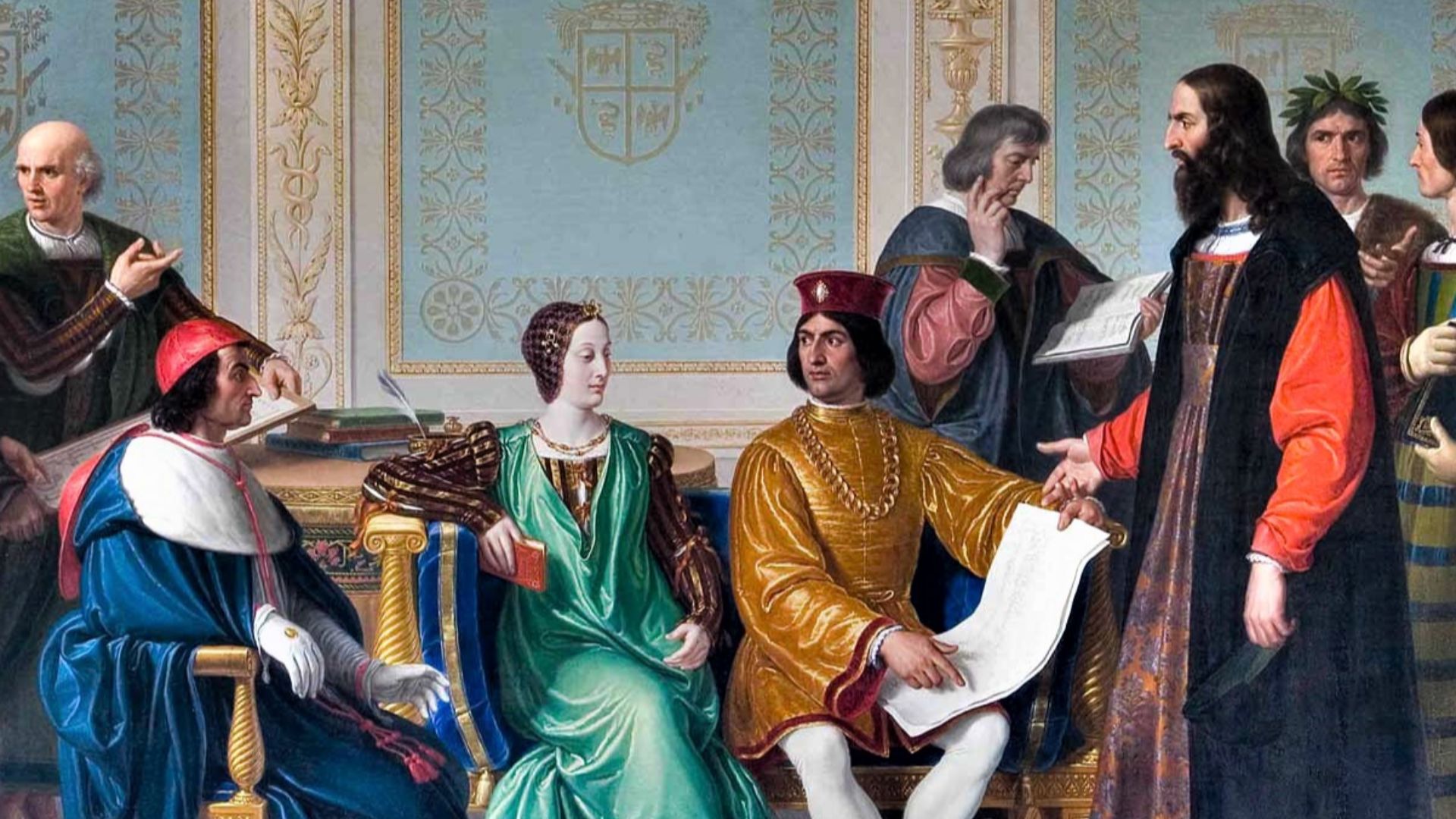
In 1485, da Vinci allegedly put the Virgin of the Rocks aside and went to Hungary. His boss, the Duke of Milan, had sent him there to meet up with King Matthias. While there, da Vinci got another commission, this time for a Madonna. In 1490, he was a consultant on a new cathedral in Pavia. The duke also kept da Vinci busy with designs for floats, monuments to horses, and even a cupola.
It was a busy time, and it seemed that da Vinci had forgotten about Virgin of the Rocks.
 Giuseppe Diotti, Wikimedia Commons
28. He Went Into Over Time
After working on Virgin of the Rocks for a couple of months, da Vinci received his first payment: 100 lire. From then on until he finished the work, he received 40 lire a month. Somewhere between 1490 and 1495, da Vinci said that they had already spent an astonishing 800 lire just on the central panel.
Clearly, they needed more money.
 Leonardo da Vinci and workshop, Wikimedia Commons
29. He Played Hard Ball
Da Vinci and Ambrogio asked the Confraternity for 1200 more lire to finish the altarpiece and they got a measly 100 more. Da Vinci disliked this, so he brought in his intimidating friend, the Duke of Milan, to defend him. He then stated that if he didn’t get the money he needed, he would remove the paintings from the altarpiece.
Da Vinci was playing hardball.
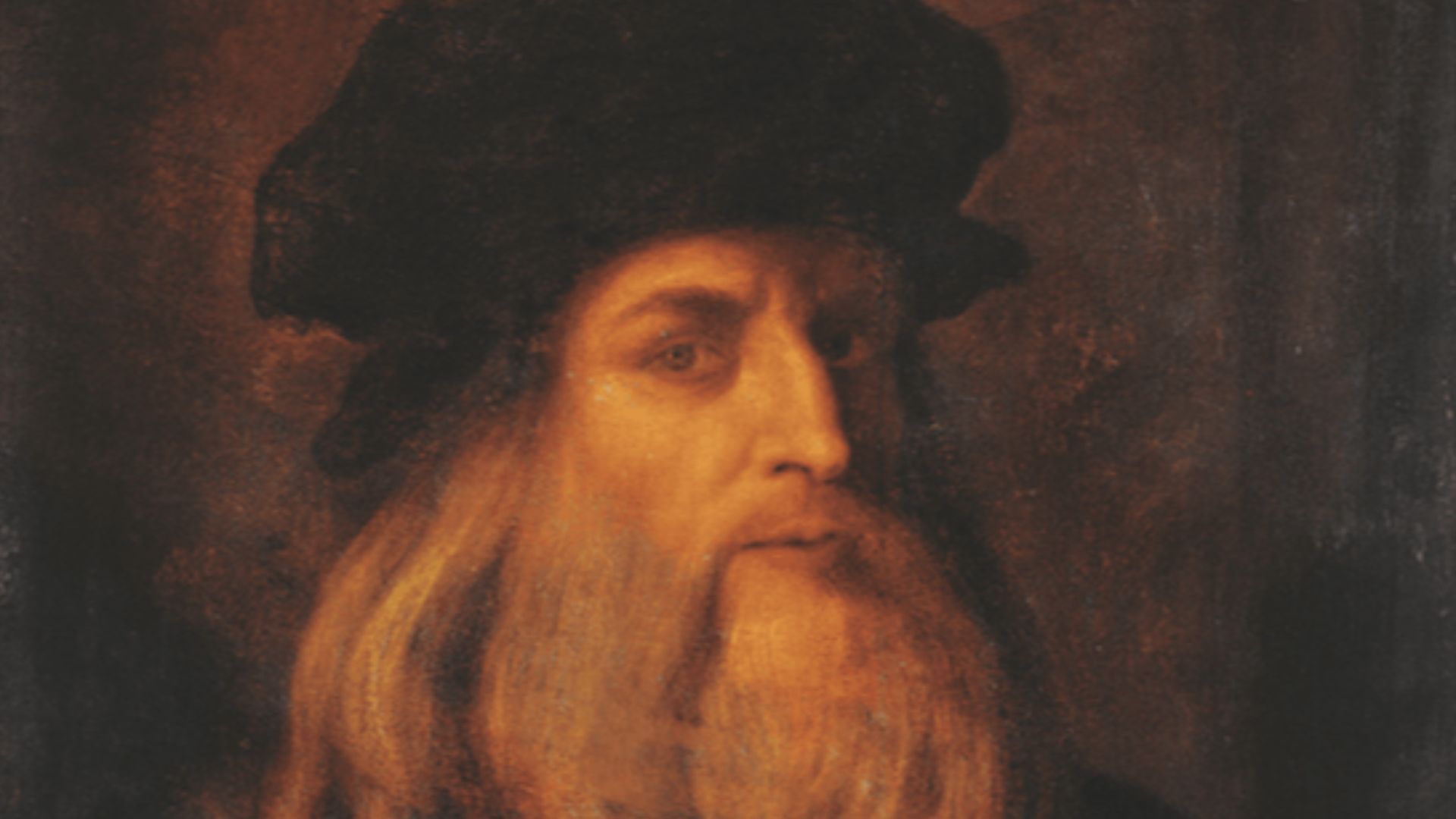 Formerly attributed to Leonardo da Vinci, Wikimedia Commons
30. He Went Big
Meanwhile, the Duke of Milan wanted da Vinci to build a huge equestrian monument. Da Vinci made a design for it, and it was outrageously big. In fact, it would even be larger than Donatello's equestrian monument “Gattamelata” in Padua and the one by Verrocchio “Bartolomeo Colleoni” in Venice. Da Vinci got as far as making a model and plans for casting the monument.
But then real life got in the way.
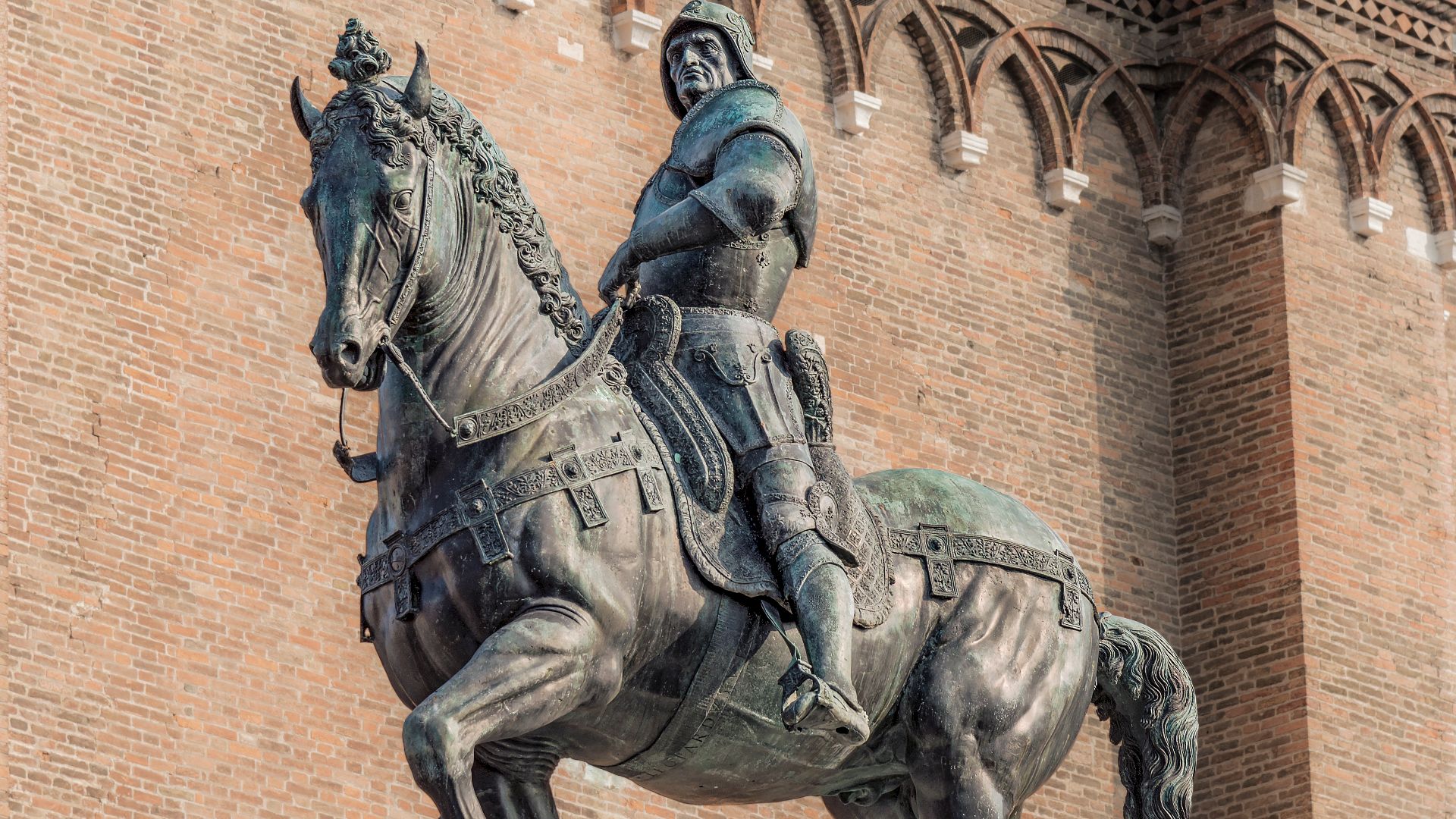 Didier Descouens, Wikimedia Commons
31. He Lost His Materials
The Duke of Milan had more on his mind than equestrian monuments. The French were preparing to take over Milan, and he needed defense. In November 1494, the Duke heartlessly gave the metal put aside for da Vinci’s monument to his brother-in-law. He would use it to make a cannon that would hopefully keep the French out of Milan.
Well, this cannon wasn't quite big enough.
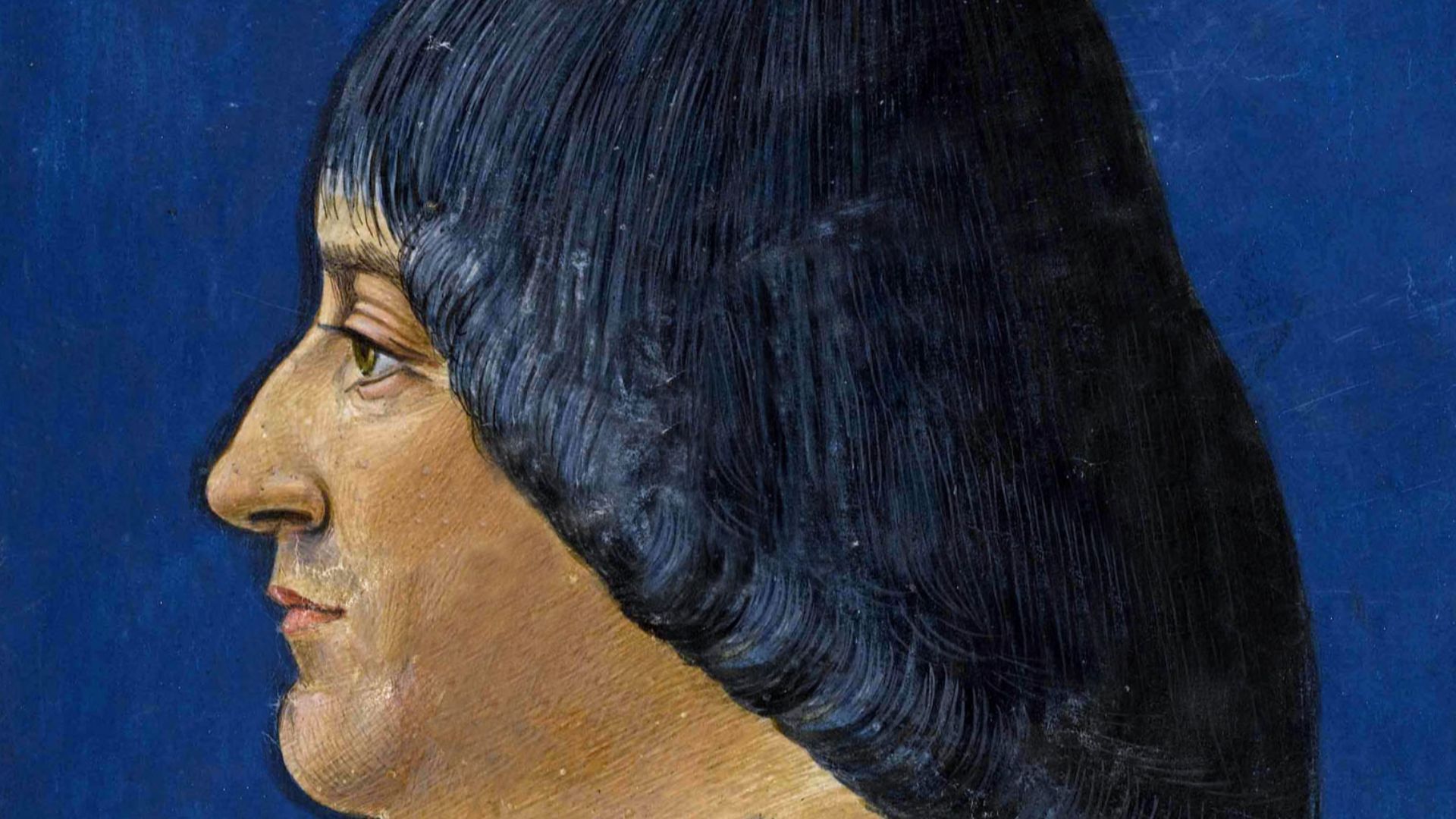 Giovanni Ambrogio de Predis, Wikimedia Commons
32. He Had To Flee
During all this conflict about getting paid for Virgin of the Rocks, the French had taken over Milan and thrown da Vinci’s benefactor, the Duke of Milan, out. Da Vinci fled to the safety of Venice and then back to Florence. Here, he received a workshop and got down to drawing again.
But there seemed to always be trouble waiting for da Vinci.
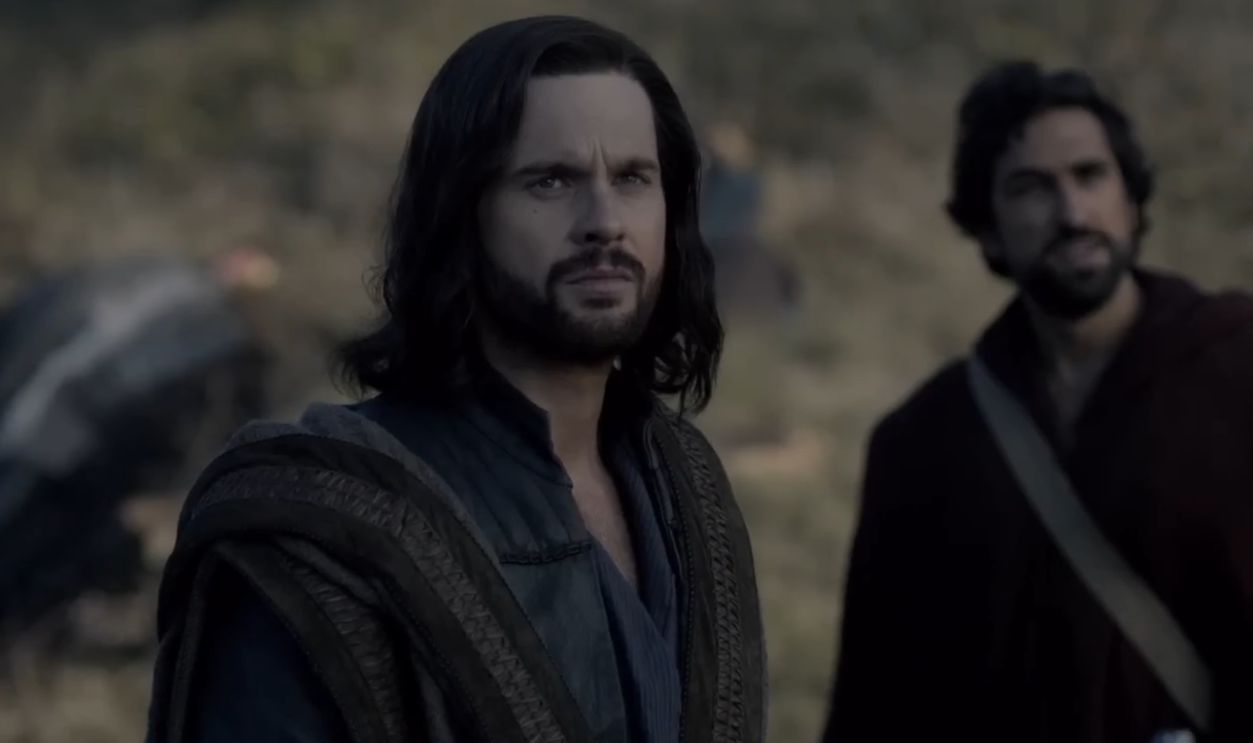 Screenshot from Da Vinci's Demons, STARZ (2013–2015)
33. He Met A Little Devil
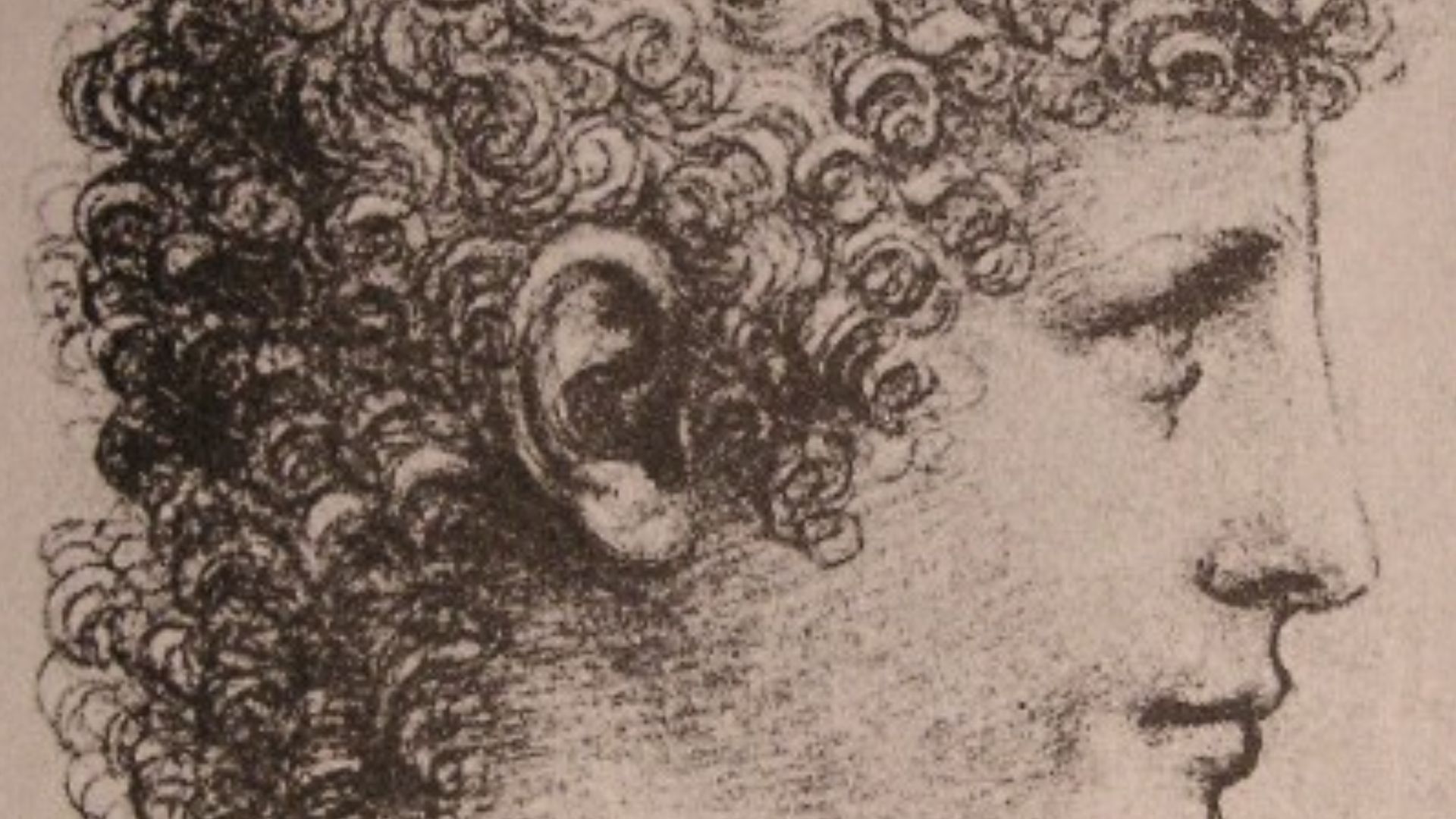
In 1490, da Vinci took on an assistant called Salai, sometimes known as Il Salaino. This name means “The Little Unclean One” or “the devil” and we know why. You see, shortly into his employment, da Vinci had a list of complaints. This included accusations of theft, lying, and being a glutton. As it turned out, Salai had allegedly taken money and expensive objects from da Vinci and gone on a shopping spree for new clothes.
Sounds like a good reason for dismissal, but there was a complication.
 Leonardo da Vinci, Wikimedia Commons
34. He Kept Him Close
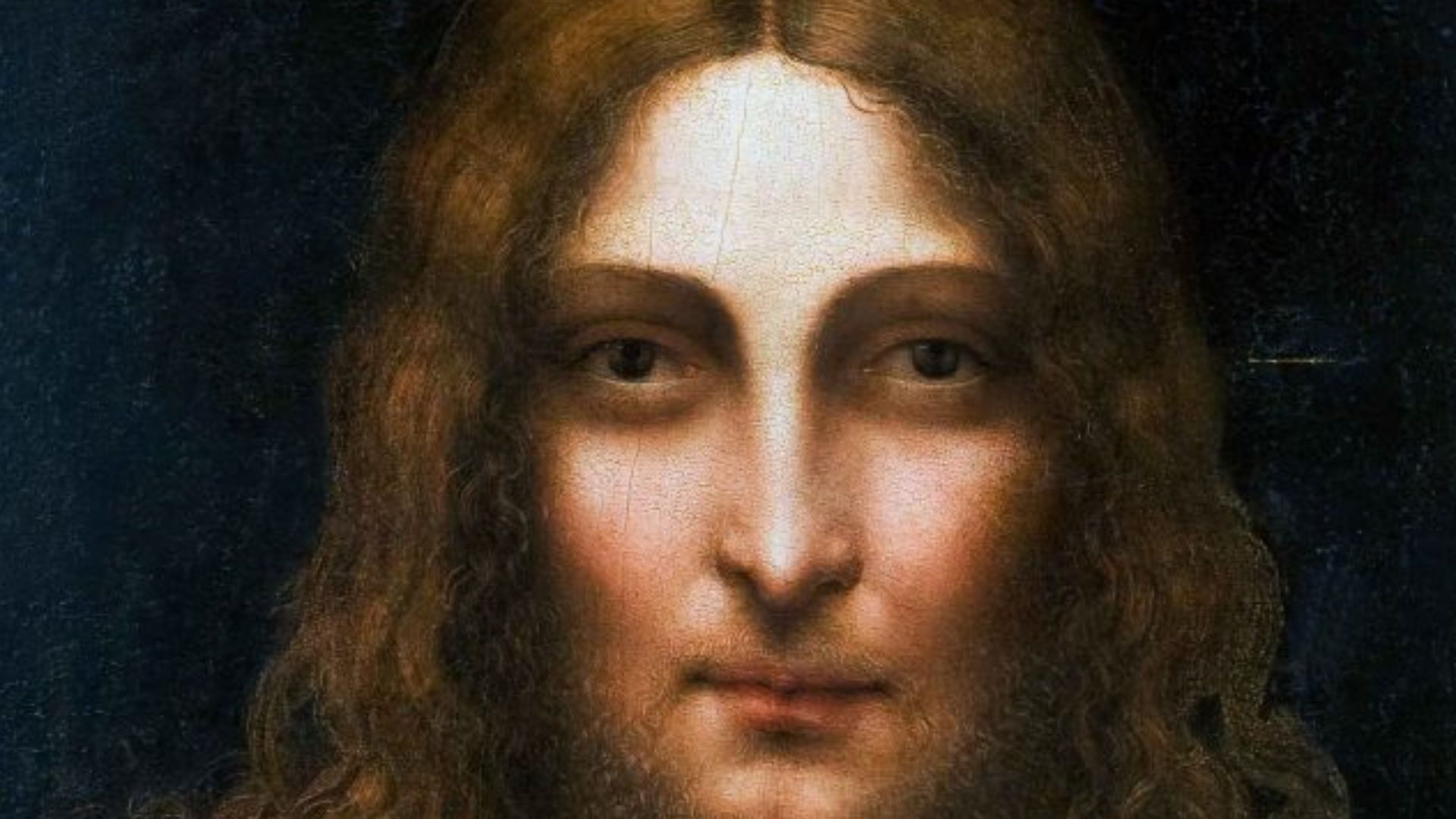
Da Vinci must have had a soft spot for his assistant Salai. In spite of his sins, da Vinci kept Salai in his house for thirty long years. Salai’s work as a painter didn’t compare to da Vinci's other students, but there must have been something about the “little devil” that da Vinci liked. And just like that, he was yet another distraction in da Vinci’s life.
Soon, da Vinci would hit the road again.
35. He Drew Maps
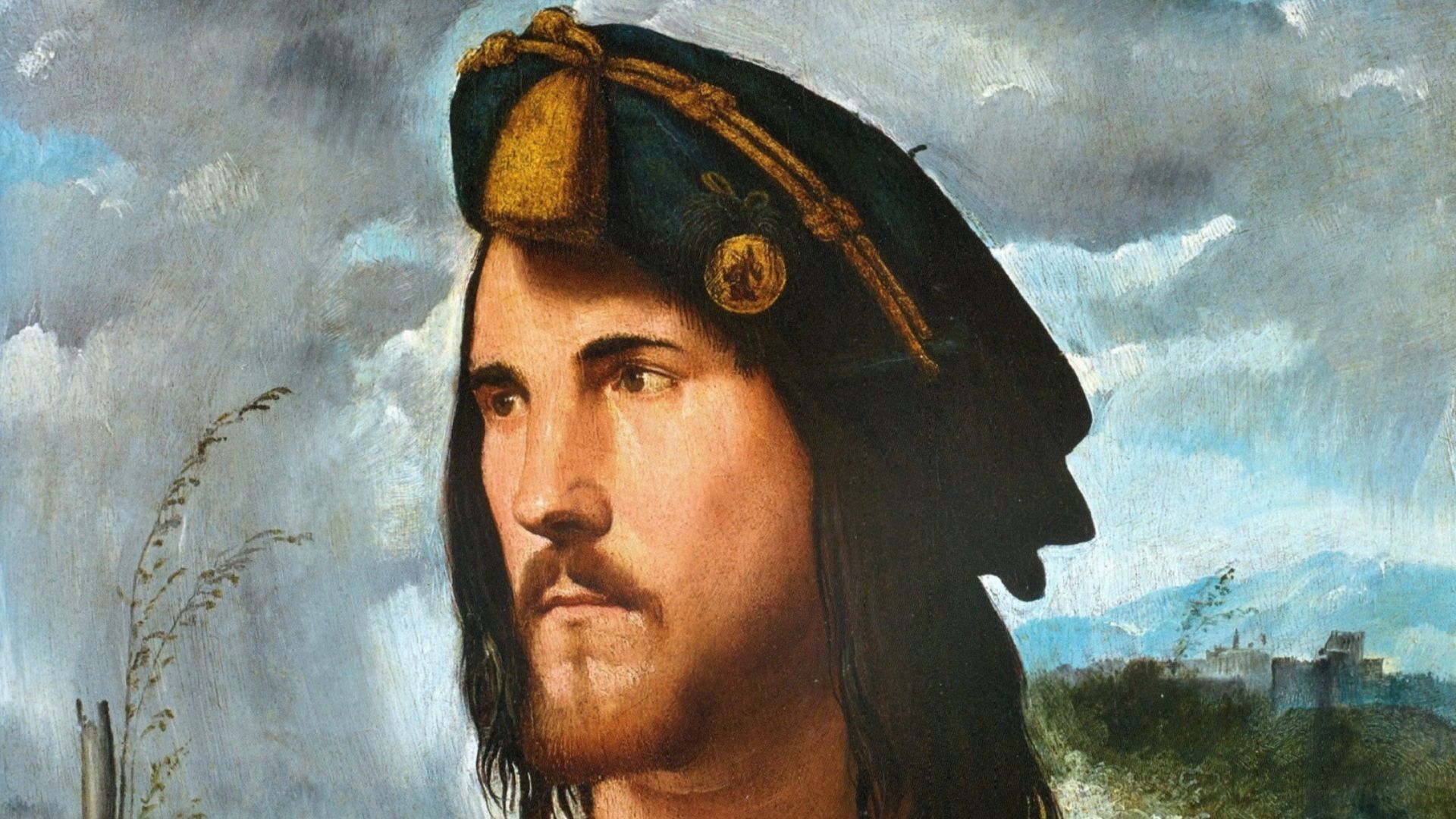
In 1502, da Vinci began an association with Cesare Borgia, who was the illegitimate son of Pope Alexander VI. Da Vinci got this position by drawing a map so Borgia could see his stronghold. The map impressed Borgia enough to hire da Vinci and let him travel around Italy with him as map drawer and battle engineer.
Meanwhile, da Vinci still owed someone a painting.
 Altobello Melone, Wikimedia Commons
36. He Fulfilled His Promise
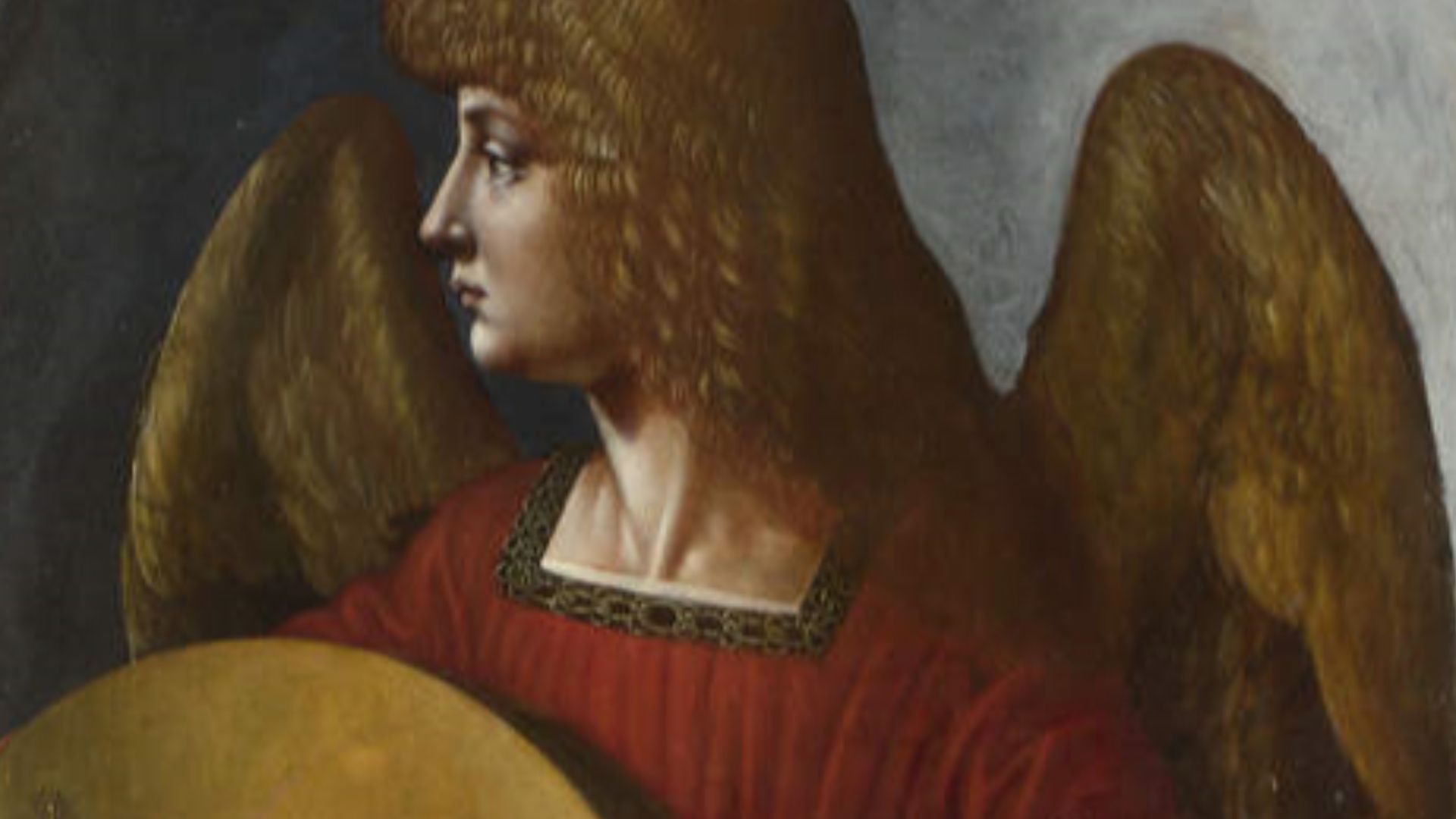
By 1503, da Vinci and the de Perdis brothers still had not received what they thought they deserved for painting the Virgin of the Rocks. In fact, one of the brothers, Evangelista, had already passed before getting paid. On August 18, 1503, more than 20 years after the due date, da Vinci finally decided it was time. He had the painting delivered and mounted in the altarpiece. Ambrogio got just two payments that came in at 200 lire.
It was time for da Vinci to return to Florence.
 Giovanni Ambrogio de Predis, Wikimedia Commons
37. He Painted Lisa
In 1503, da Vinci walked away from his work with Brogia and went back to Florence. Lucky for us that he did, because he was now working on a portrait of Lisa del Giocondo. She was the model that would become the inspiration for da Vinci’s most coveted piece of art: the Mona Lisa.
But there were more distractions in store for da Vinci.
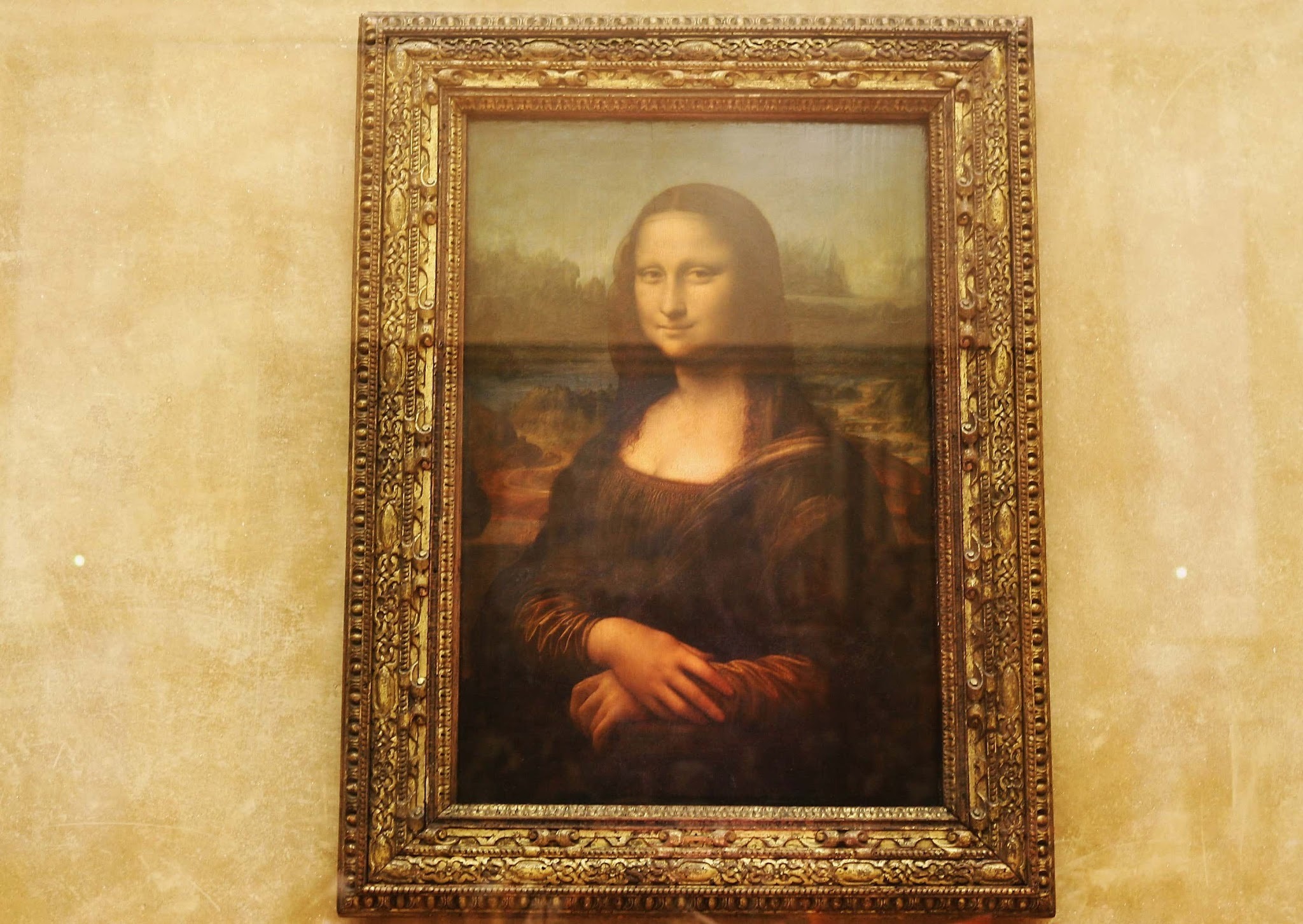
38. His Friendship Paid Off
Da Vinci had maintained an almost lifelong friendship with the Medici family. This would soon pay off, as in 1513, one of the Medicis became pope. This was Giovanni Medici, who became Pope Leo X. Da Vinci saw it as an opportunity to move to Rome, where he lived in the Belvedere Courtyard in the Apotolic Palace.
Of course, he’d have to find a way to make himself useful to Leo X.
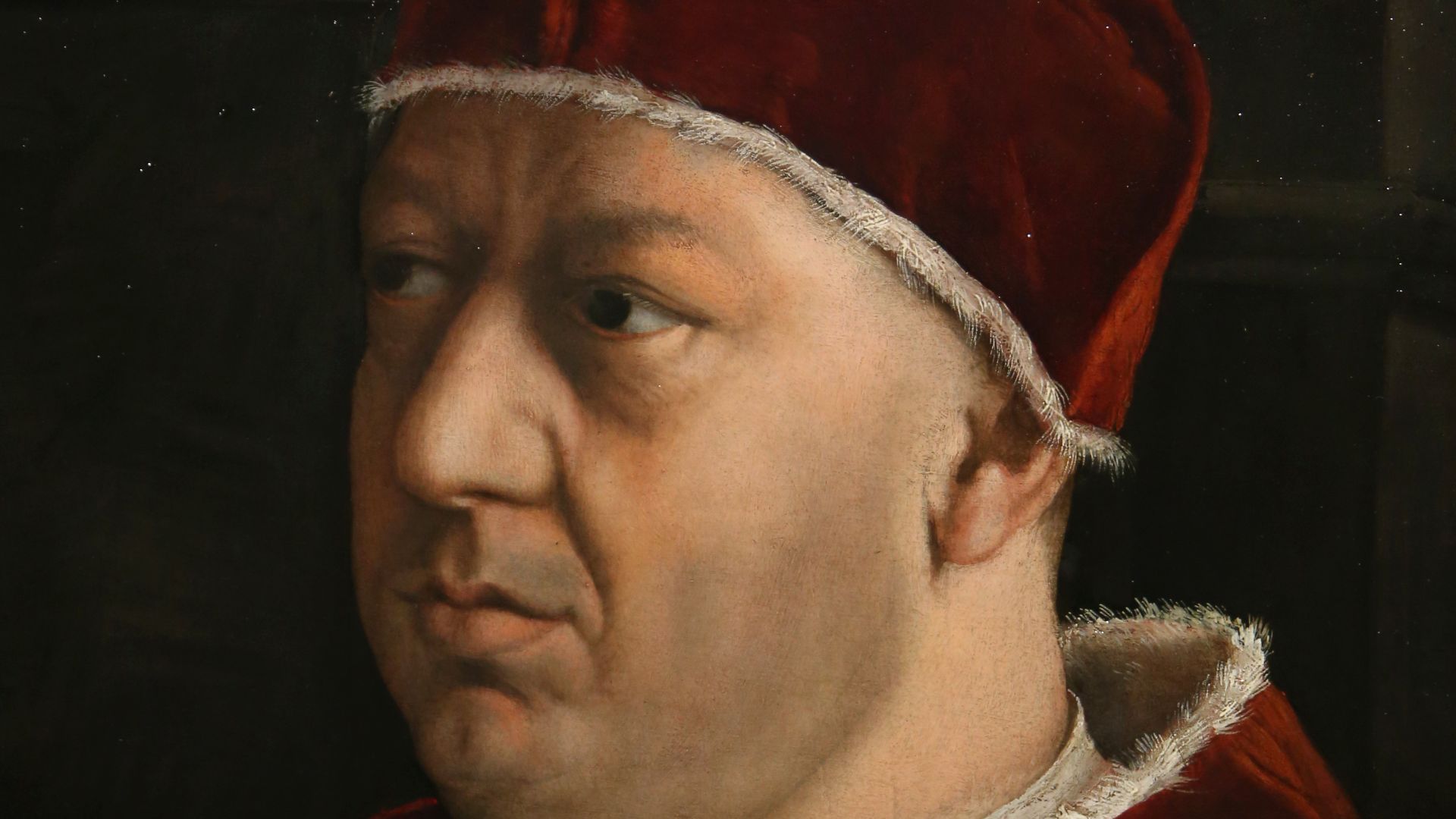 Francesco Bini, Wikimedia Commons
39. He Made The Pope Mad
Da Vinci soon got a commission from the pope, but, according to legend, da Vinci made the mistake of ignoring the commission and working on making a new variety of varnish instead. Da Vinci knew he had disappointed Leo X, so he did some scientific research to win him back. His idea was to cut open cadavers to see how the vocal cords worked. This did nothing to win the pope back.
Da Vinci needed a way out.
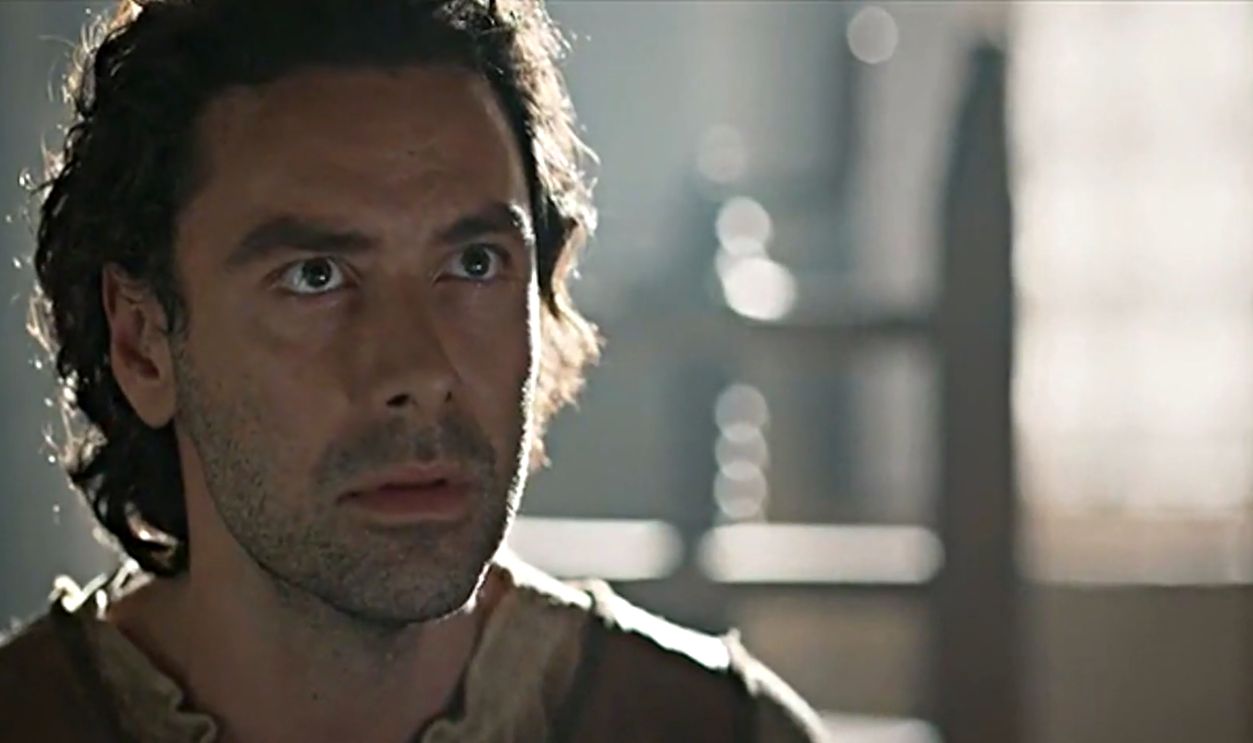 Screenshot from Leonardo, Sony Pictures Television (2021)
40. A Letter Saved Him
In 1513, da Vinci’s health was on the decline. Many believe that he had more than one stroke. So, da Vinci was in a real rut. His health was poor, and he was living in the court of a pope who didn't really like him. That’s when a letter came from the King of France. He wanted da Vinci, and he wanted him now.
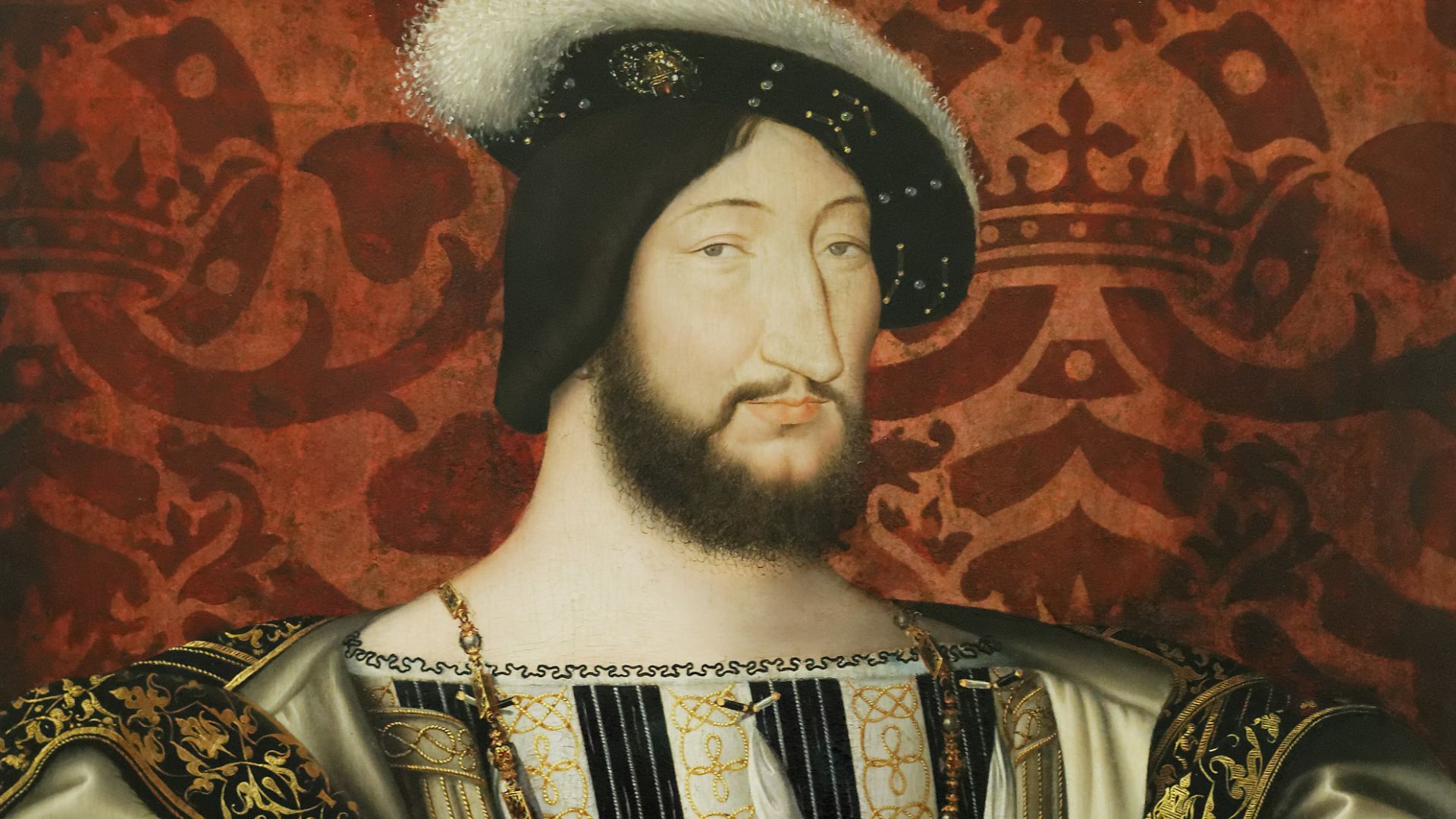 Jean Clouet, Wikimedia Commons
41. He Had A New Friend
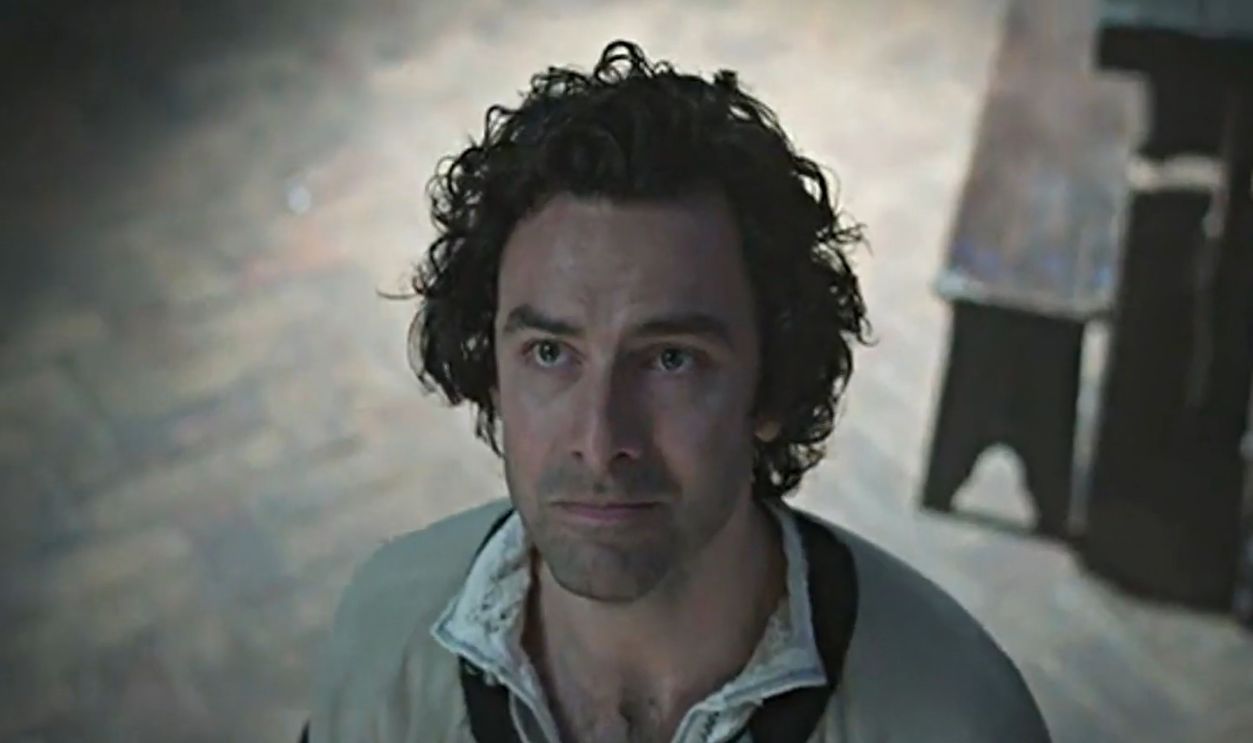
The King of France, Francis I, had forcefully taken Milan once again, and he wanted da Vinci by his side. Da Vinci didn’t have to think twice and was soon working with Francis I on a castle the King wanted at Romorantin, France. The King also had da Vinci construct a large mechanical lion that could do a trick. When the lion walked up to the king, its chest opened up and displayed a bouquet of lilies.
It seemed that da Vinci had forgotten all about the Mona Lisa.
 Screenshot from Leonardo, Sony Pictures Television (2021)
42. He Didn’t Forget Her
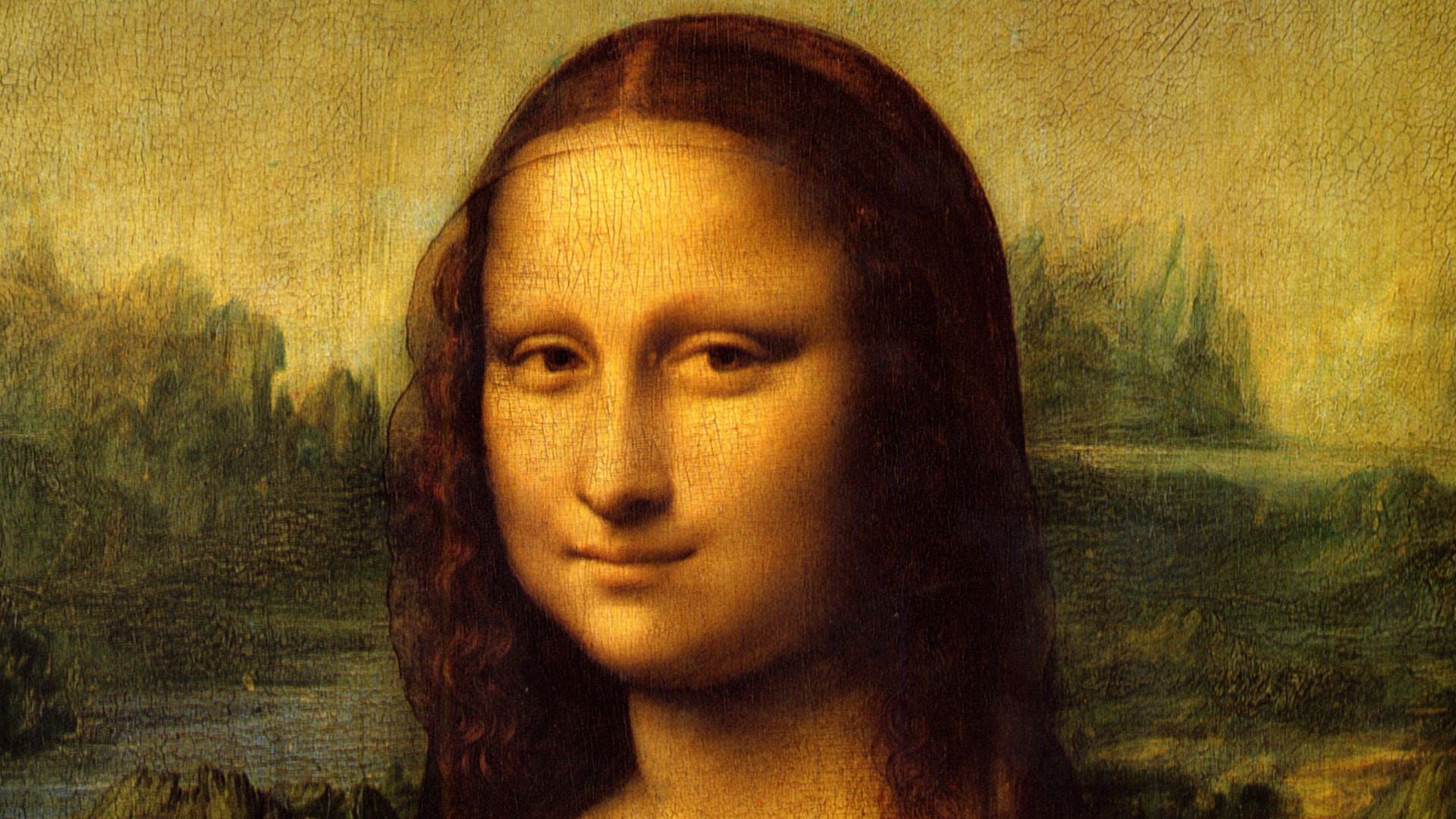
Luckily, da Vinci had brought with him to France one unfinished painting in the hopes to complete it. This was the Mona Lisa. It’s hard to believe that if da Vinci hadn’t packed up this painting, the world would be without what many consider to be the most important painting of all time.
But the Mona Lisa was not the only treasure that da Vinci brought with him to France.
 Leonardo da Vinci, Wikimedia Commons
43. He Was Close With His Student
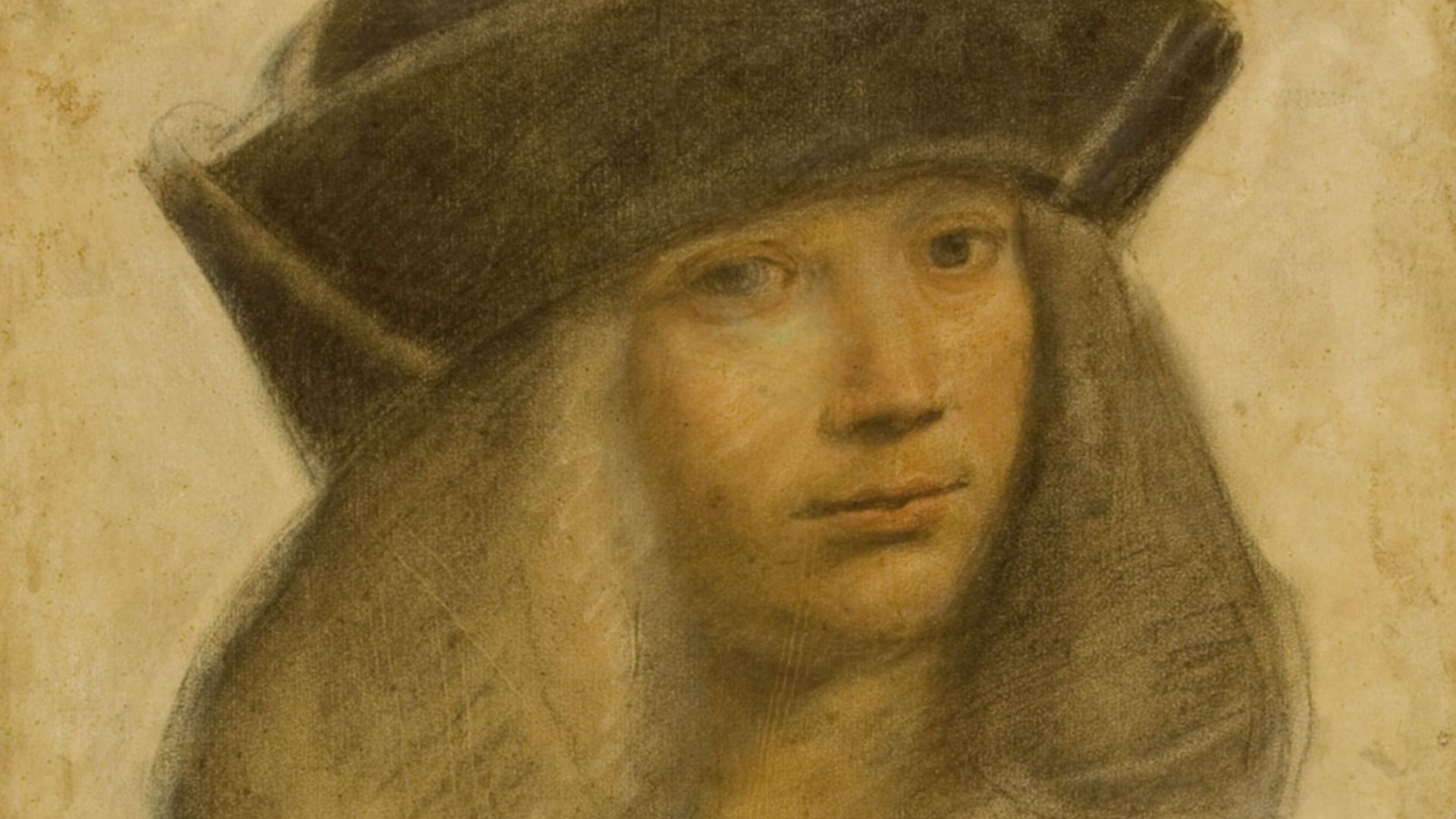
Back in 1506, da Vinci had started tutoring a student named Francesco Melzi. Melzi had accompanied his master to France, and it was he who drew one of the rare portraits of da Vinci. Clearly, da Vinci and Melzi were very close, and many have speculated that they were actually lovers of some sort.
In fact, Melzi stayed with da Vinci until his passing.
 Giovanni Antonio Boltraffio, Wikimedia Commons
44. He Saw That The End was Near
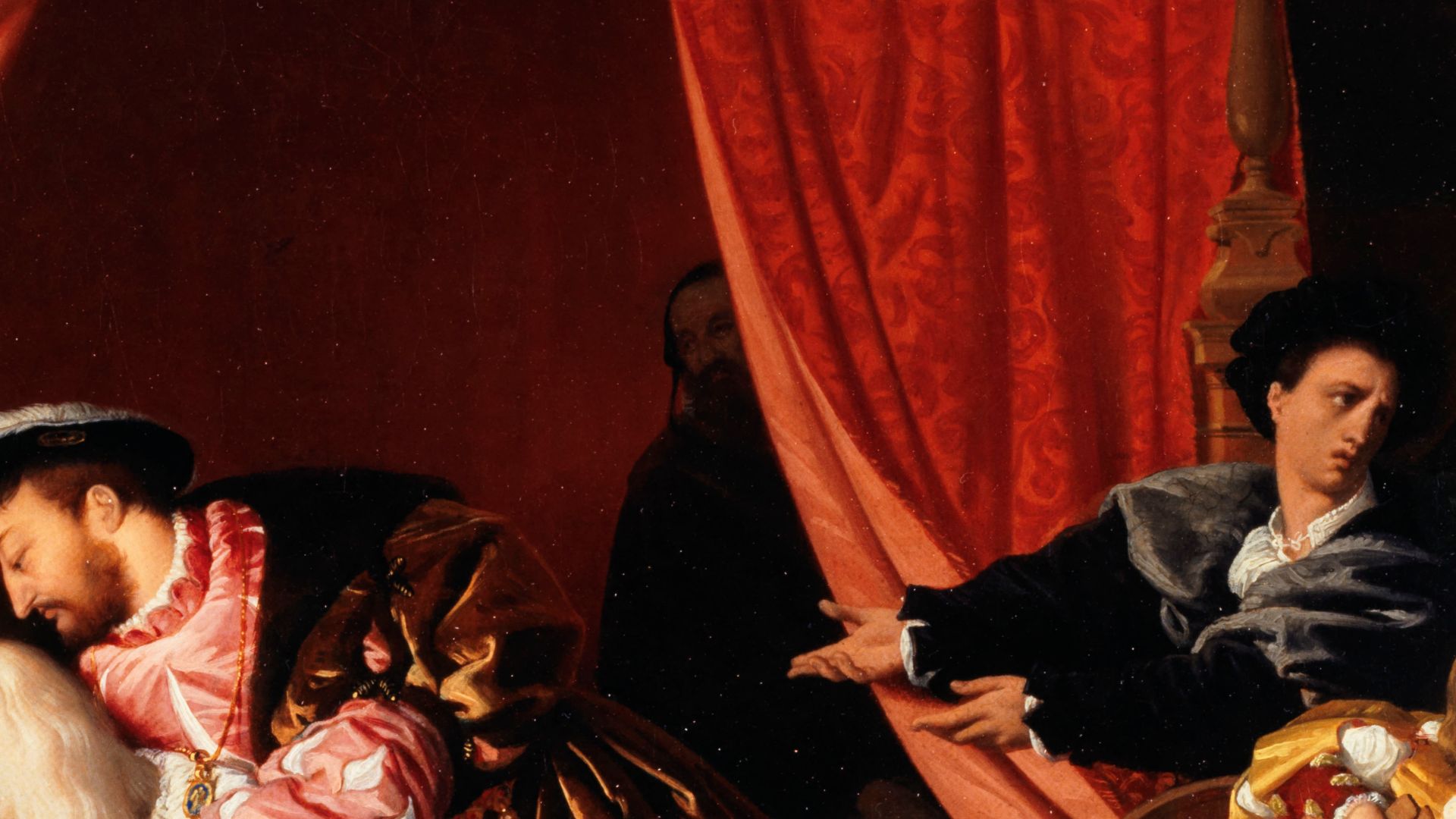
In 1519, da Vinci was very ill and knew that he had little time left on earth. His only regret was that he hadn’t done enough for his art. As he became more ill, he called for a priest and wanted to give his confession to. He’d become quite close to the king, and the story goes that the king held da Vinci’s head in his arms as da Vinci passed.
But it might not have been the King that da Vinci was closest to.
 Jean-Auguste-Dominique Ingres, Wikimedia Commons
45. He Took Care Of His Students
Da Vinci had worked out how he wanted his funeral to go. His image was for 60 beggars carrying candles to walk behind his casket. But what was surprising was what he wanted done with his assets. Almost everything went to his student Melzi, and some even went to “the little devil” Salai.
Years later, these gifts would lead to some interesting speculation.
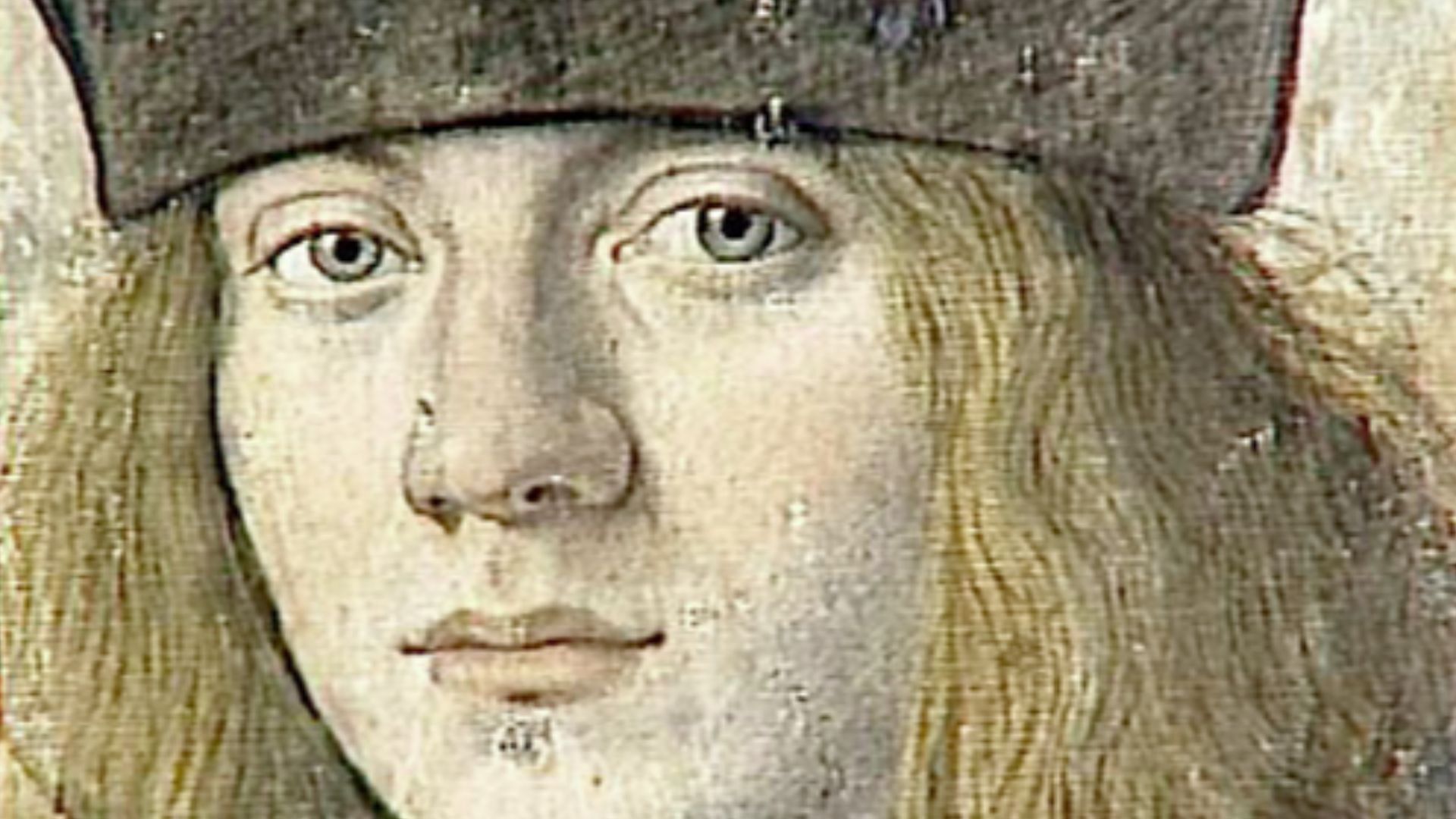 Francesco Melzi, Wikimedia Commons
46. He Loved Men
As the years passed, historians have looked closely at da Vinci’s relationship with both Melzi and Salai. As early as the 16th century, many were writing about da Vinci being gay. Later, Sigmund Freud continued this belief in his book Leonardo da Vinci, A Memory of His Childhood. Walter Isaacson’s 2017 biography of the painter clearly stated that he believed there was evidence that supported the theory that da Vinci had had intimate relationships with both Melzi and Salai.
But what really is astounding is how curious da Vinci was about the world.
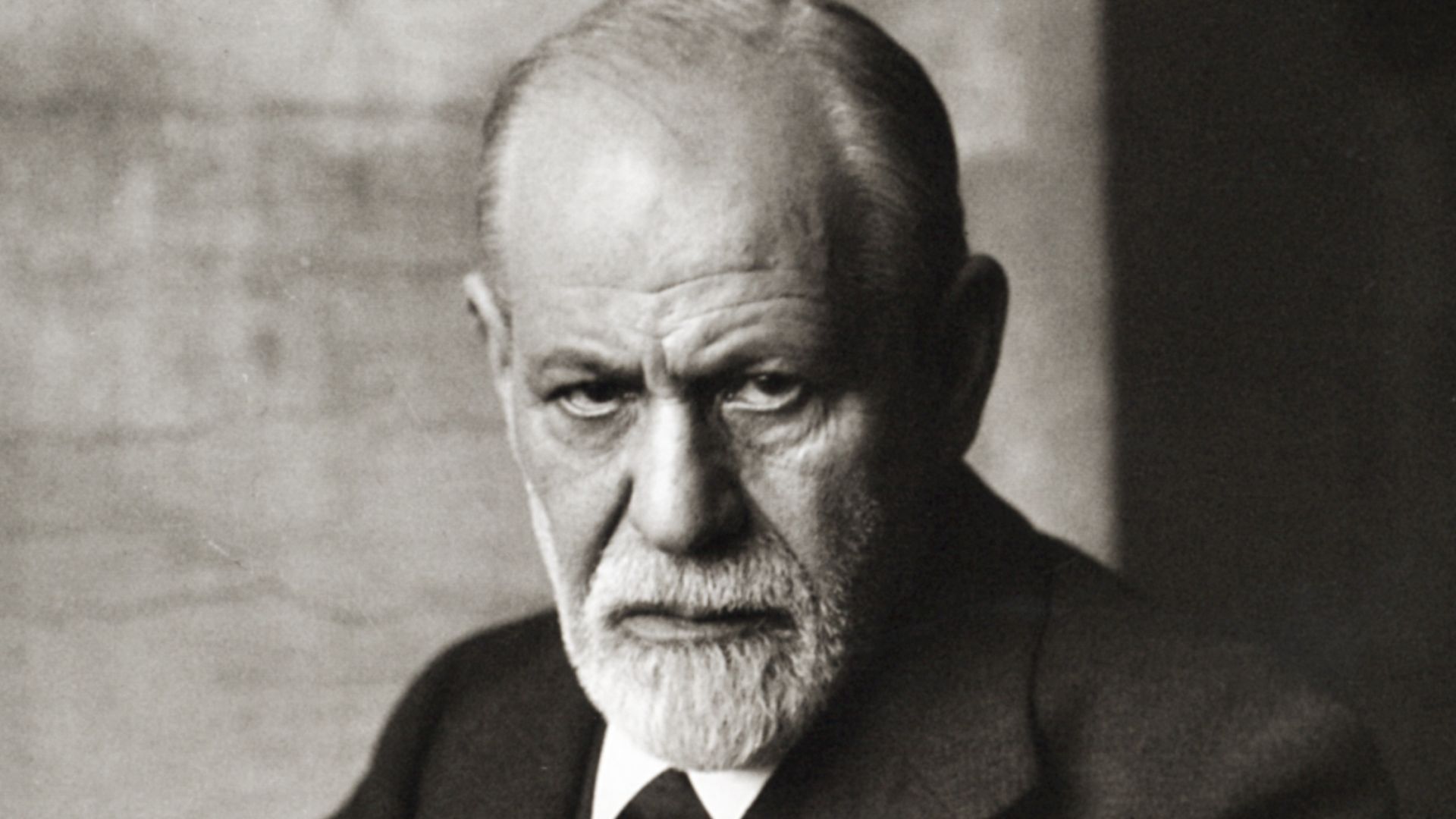 Ferdinand Schmutzer, Wikimedia Commons
47. He Didn’t Have Enough Time
Da Vinci was so much more than a painter. He had interests in music, engineering, and astronomy. He also wanted to answer childlike questions like “why is the sky blue?” “what sneezing and yawning is”, and a curiosity about human suffering, including spasms, paralysis, sweating, fatigue, hunger, sleep, thirst, and lust. Da Vinci didn’t always get answers, but that was only because more questions kept popping into his head.
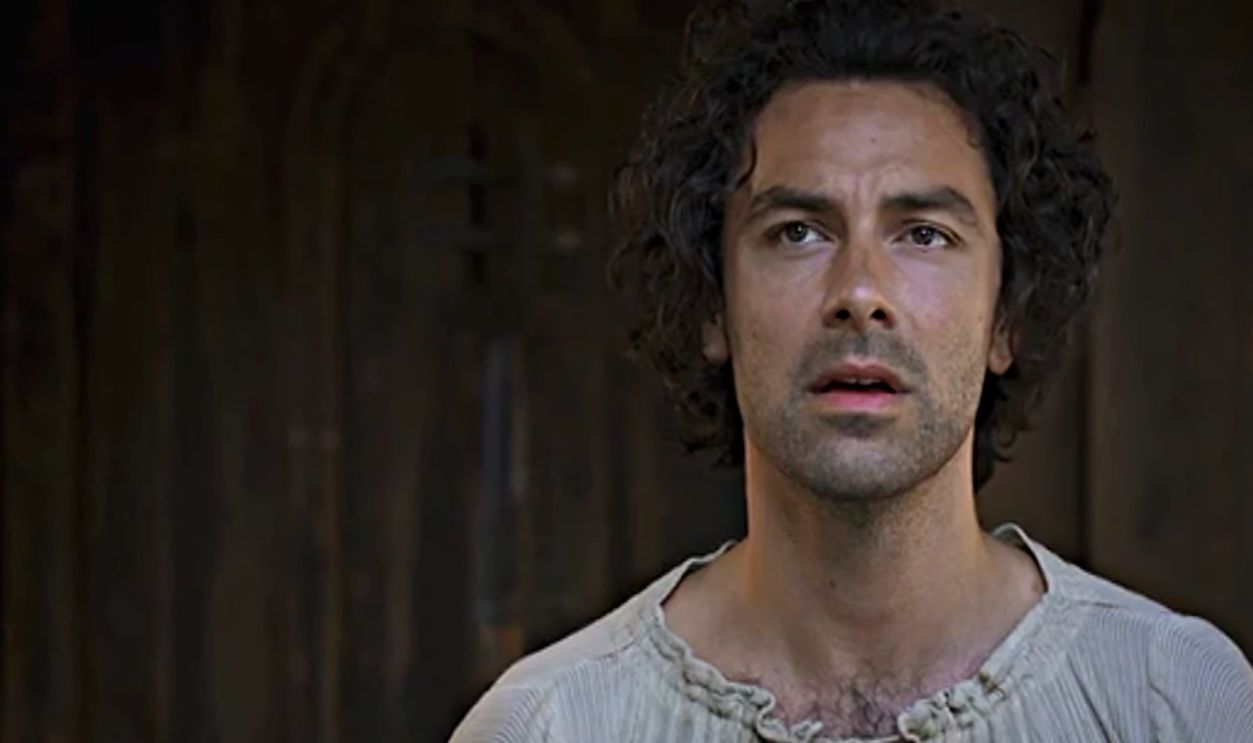 Screenshot from Leonardo, Sony Pictures Television (2021)
48. He Had A Good Excuse
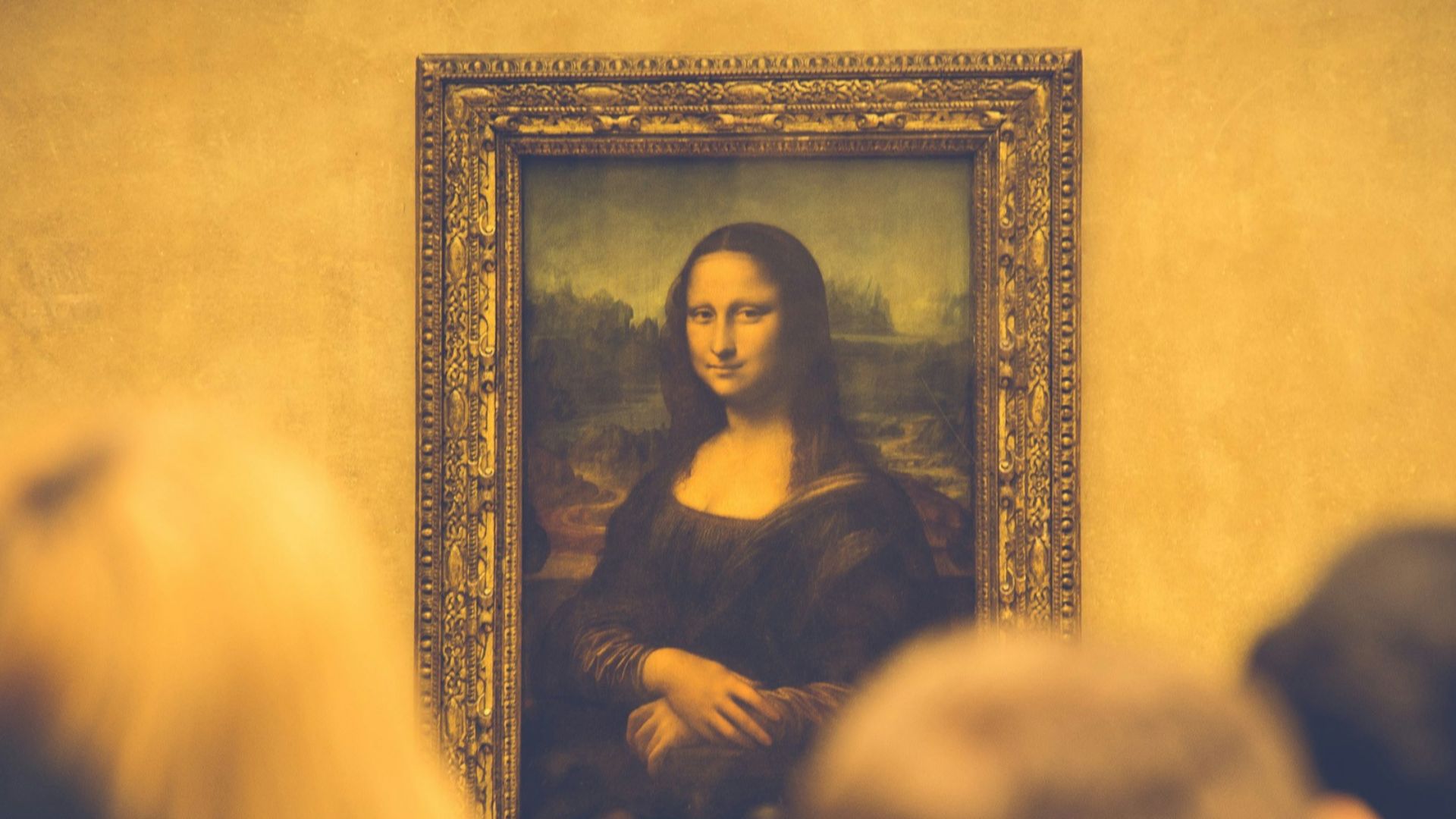
Yes, a lot of what da Vinci set out to do, he never finished. Even his greatest work, Mona Lisa, never received the finishing touches it needed. Allegedly, paralysis had struck his right arm, and that condition may have prevented him from finishing Mona Lisa.
But it didn't stop him from taking copious notes.
49. He Was Ahead Of His Time
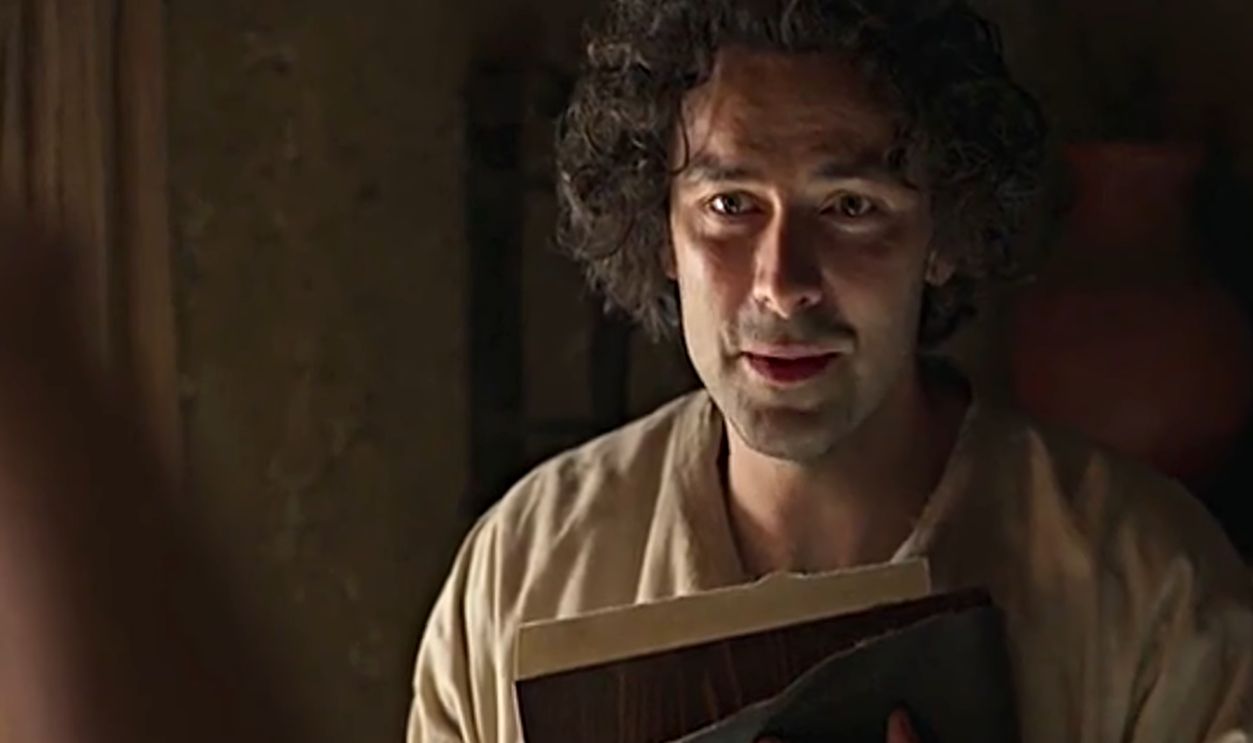
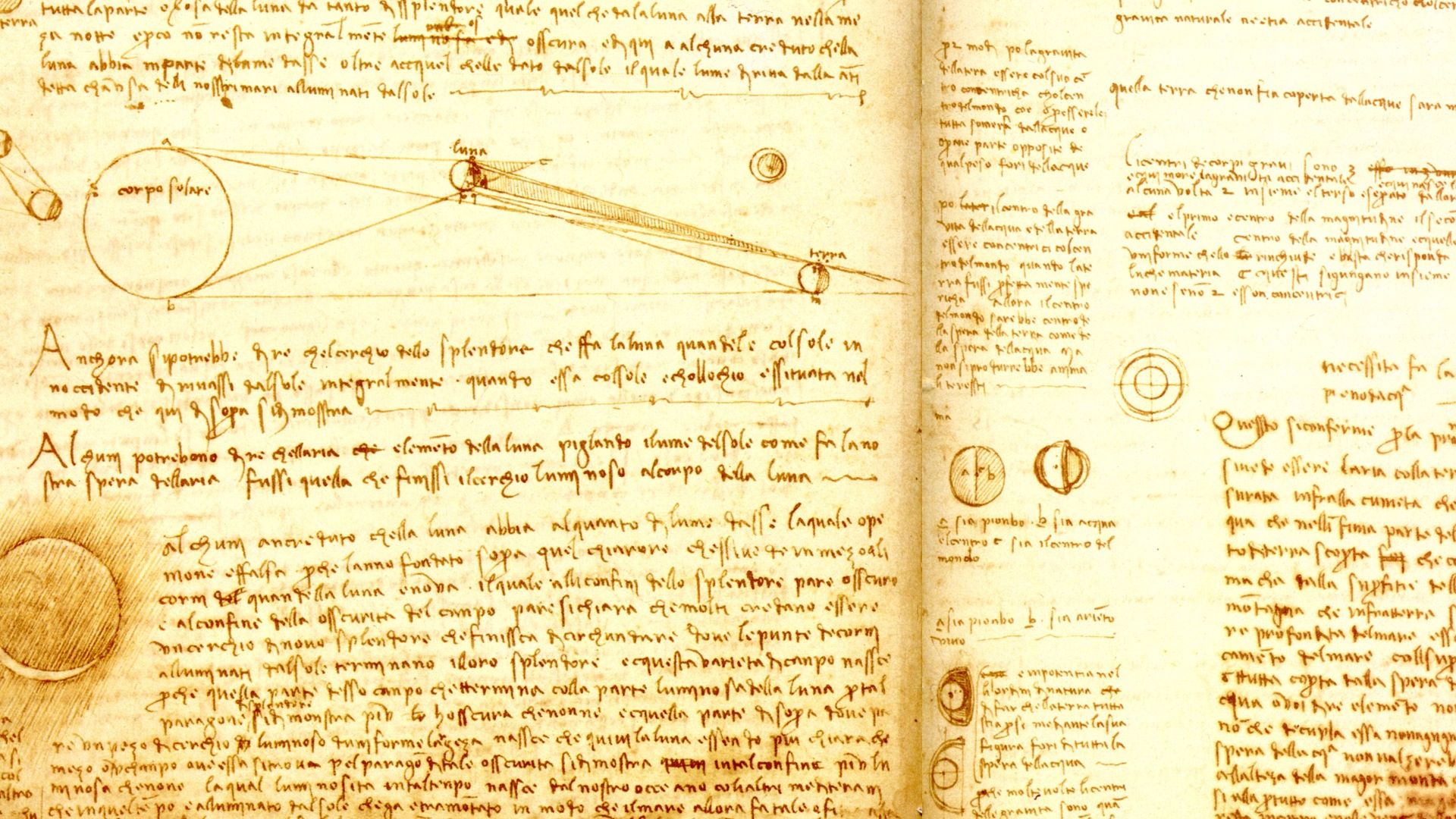
Da Vinci always seemed to have a notebook nearby. He needed them for his spontaneous inspirations. In the end, these notebooks were more than 7000 pages long, and they include his ideas about geology, botany, and human anatomy. These notebooks show how da Vinci was sometimes hundreds of years ahead of his time.
They even inspired a modern day genius.
 Screenshot from Leonardo, Sony Pictures Television (2021)
50. He Was An Inspiration
Leonardo’s notebooks are a rare insight into what da Vinci was thinking about in his unparalleled lifetime. They are currently scattered across the world. One set of notes about fossils, water movement, and the moon ended up in an interesting place. In 1994, Bill Gates paid over $30 million for the da Vinci notebooks known as Codex Leicester.
 Leonardo da Vinci (1452-1519), Wikimedia Commons
You May Also Like:
Voltaire, The Renegade Philosopher
People No One Believed—But Who Turned Out To Be Right