

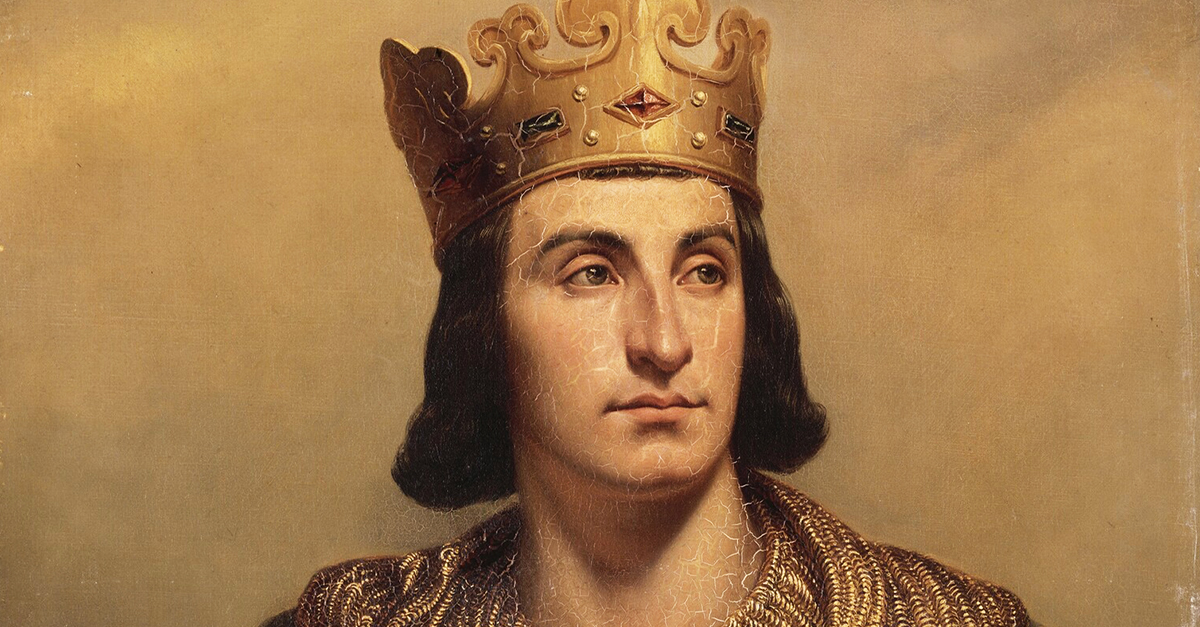
31. He Locked Her Up
Philip had taken Ingeborg and put her in a prison. Well, the prison was a castle, so maybe it wasn’t that bad. The reality was that she was not free to go as she pleased. While he had Ingeborg locked away, Philip was free to play. Three years after their bizarre marriage, Philip had found another bride—I guess there was no shortage when you were the King of France. In June 1196, Philip married Agnes of Merania.
Of course, according to the Pope, this meant that Philip had two wives, which was a big no-no.
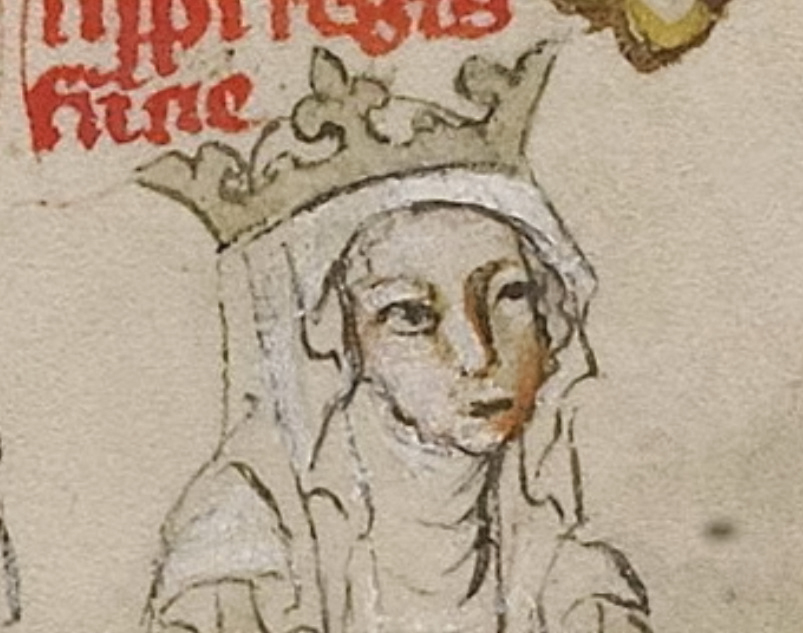
32. He Said It Wasn’t A Marriage
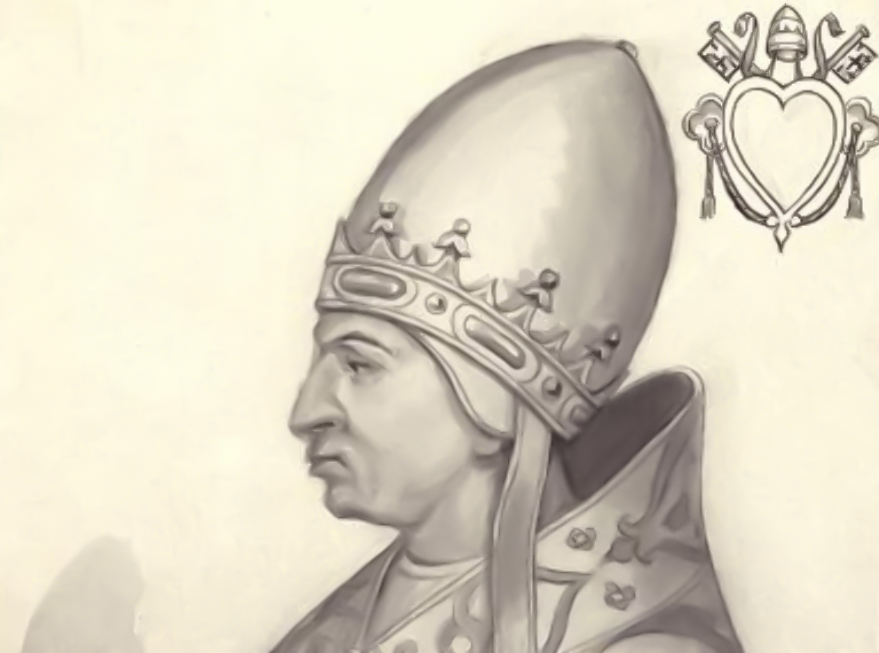
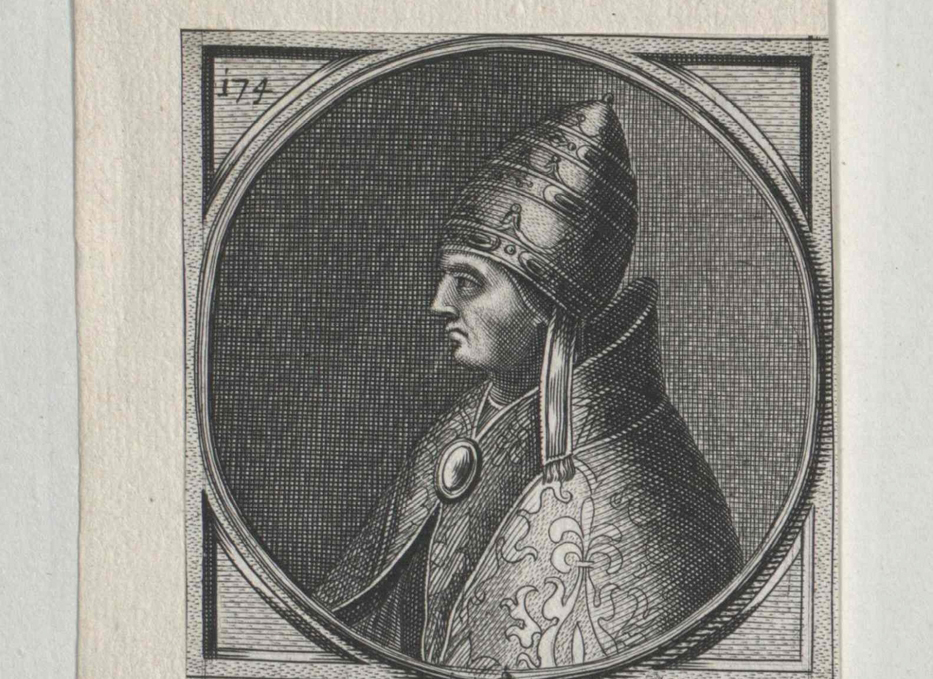
When the Pope got wind of Philip’s marriage to Agnes, he wanted to put a stop to it. He said that the marriage between Philip and Agnes wasn’t a marriage at all. Philip heard what the Pope had to say and did absolutely nothing. He continued to live with Agnes as husband and wife. Now remember there was no internet or phones, so it took a while for the Pope to find out. But when he did, he was more than a little angry.

33. They Were Out
When, in 1199, the Pope found out that Philip was ignoring him, he put all of France under an interdict. This meant that France was now outside of the world that the Pope had jurisdiction over. This was pretty serious business if your country is determined to be Catholic. This interdict lasted about a year until something tragic happened to change it. In the meantime, Ingeborg was still in limbo.
34. She Begged For Help
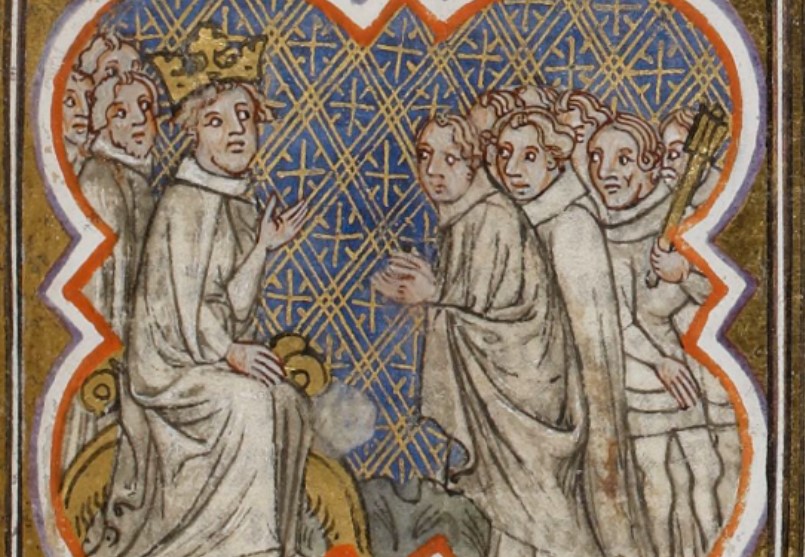
Ingeborg was still in a castle prison, and it turned out that it was certainly no day at the spa. She sent letters to Philip saying that the conditions she lived under were harsh. Her captors in the castle were mistreating her, and she was considering ending her life. Instead of showing his wife compassion, he just changed her location—and it wasn’t to a place that was better. In fact, it was much worse.
 Picryl
35. He Made It Worse
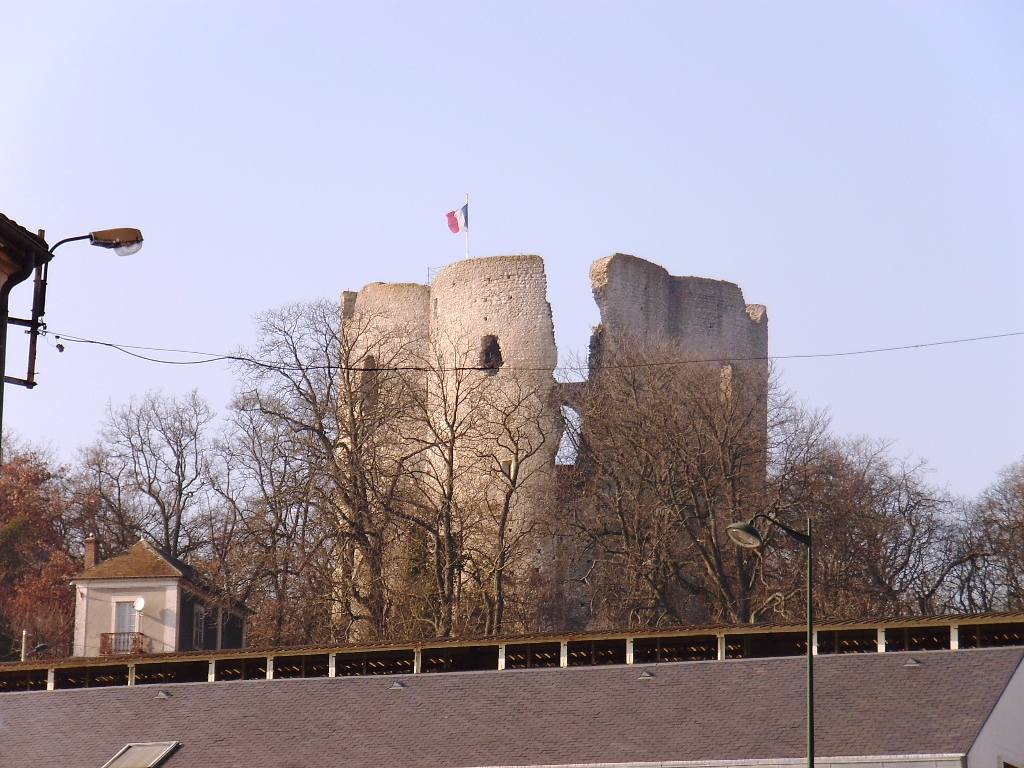
When Philip received news that his wife was in despair, he didn’t do anything to help her. In fact. He made her life even worse: He locked her in a tower. She was a prisoner in the tower, and to make matters even worse, her captors didn’t give her enough food to eat. To add to her discomfort, Philip didn’t allow her to have any visitors. Here she was, the Queen of France and living like a common criminal.
36. He Got The Boot
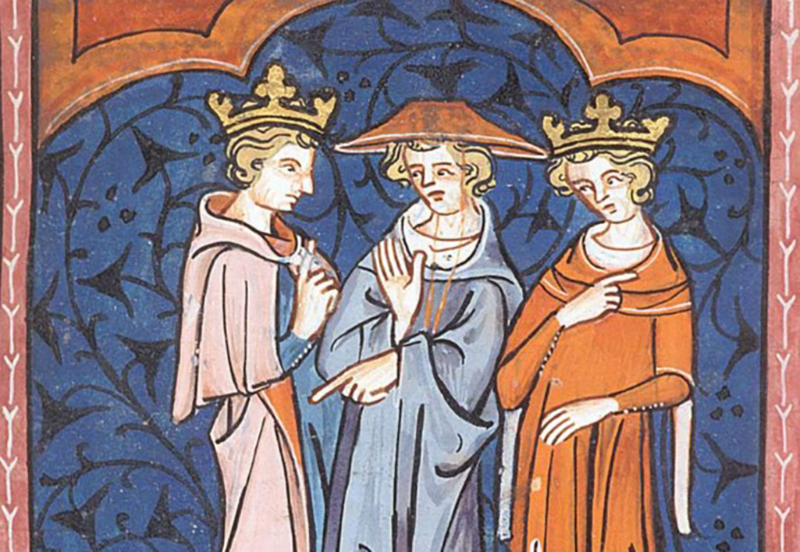
With his bride safely locked away, Philip continued living with his other wife—the one that the Pope had forbidden him to live with. Philip and Agnes had two children, and this made the Pope even angrier. After all, these children were illegitimate. The Pope then went a step further: He kicked Philip out of the church. You’d think Philip wouldn’t care about this. But he did care. He cared a lot. He promised that he would separate from Agnes.
 Picryl
37. It Was Three Time Unlucky
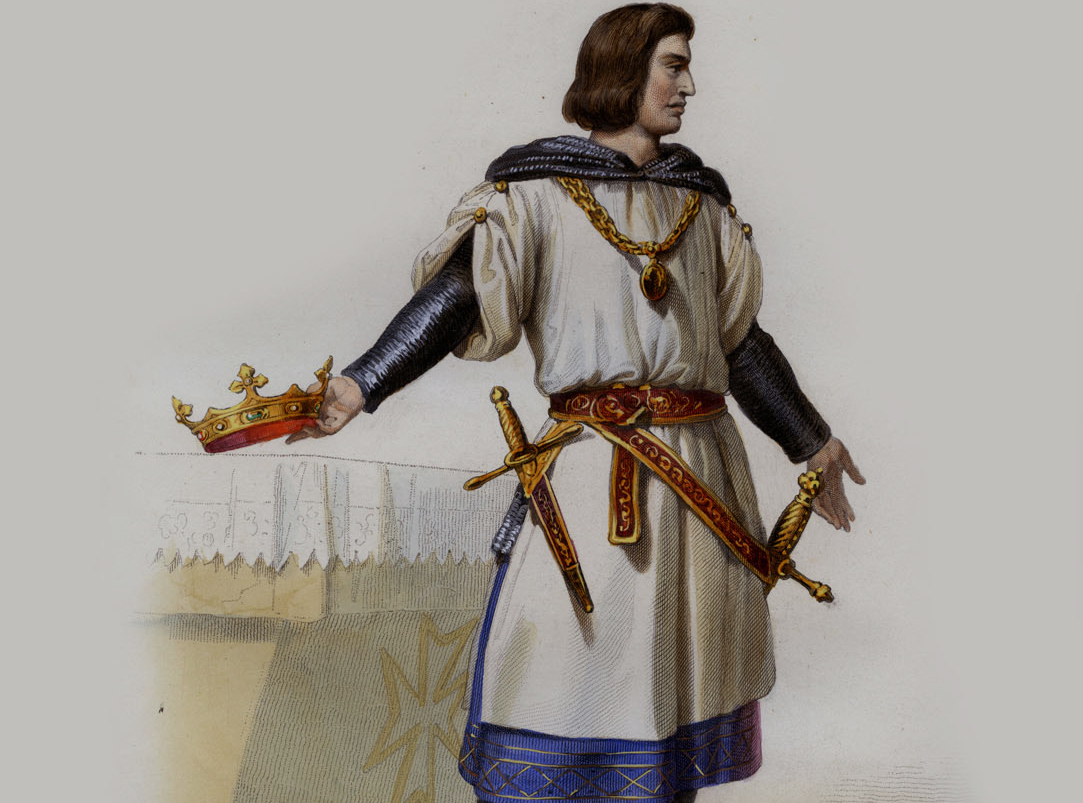
Even though Philip and Agnes were officially separated, she somehow became pregnant with his third child. Child number three was unlucky for Agnes, and she died during delivery. Philip wanted the Pope to declare the children he had with Agnes legitimate, and—in 1201—he begged the Pope to grant him this wish. The Pope, who should have known better, decided to agree because this…well, it would help him politically.
The Pope seemed to now be on Philip’s side—which was going to make Philip’s life much easier. But could Philip count on the Pope for everything he wanted?
38. He Tried Again
Philip was now down to just one wife, but he still didn’t really want her. He made another visit to the Pope and again asked for an annulment of his marriage to Ingeborg. Of course, the Pope wanted to know the reason. So far, Philip had tried a lack of consummation and a false family tree as reasons for annulment. What else could he try?
39. He Went Out On A Limb
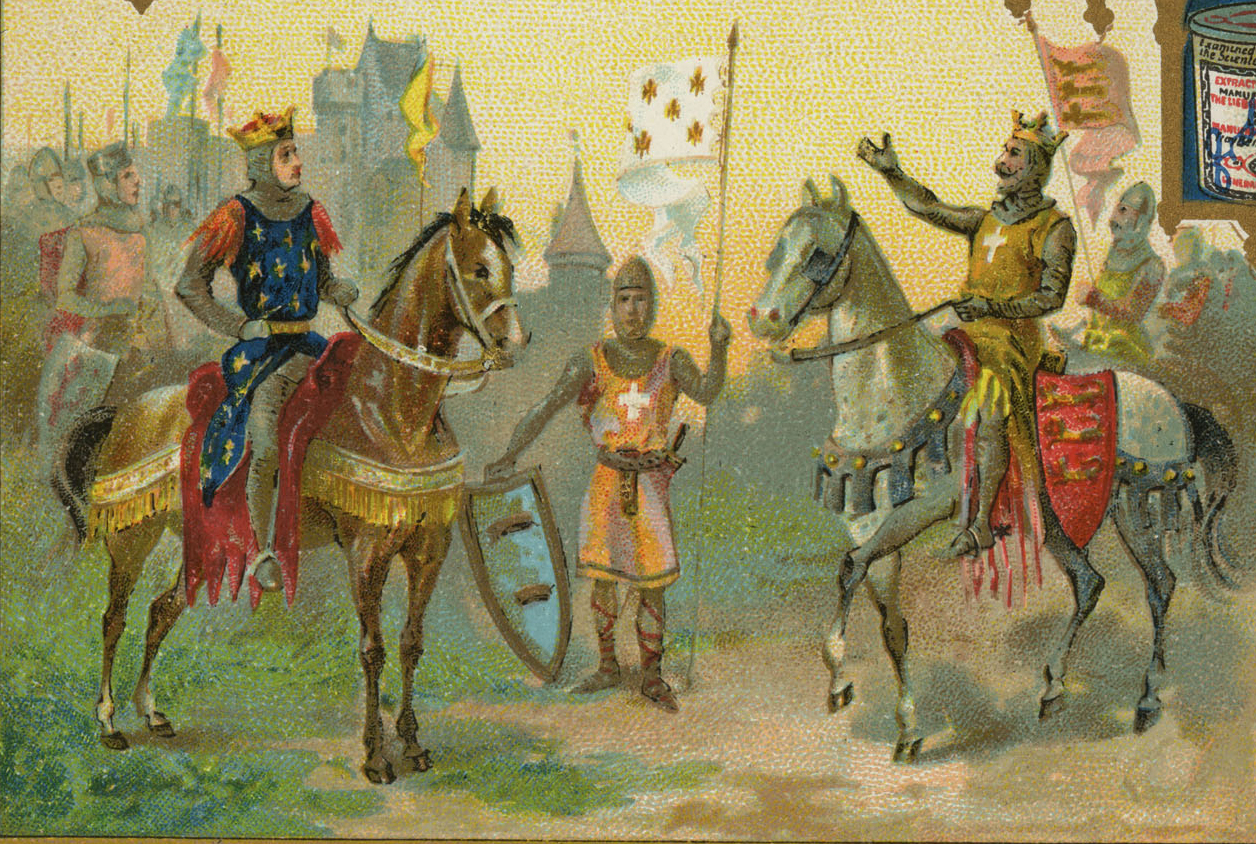
It was time for Philip to get really creative. This time he told the Pope that he needed an annulment because of witchcraft. He said that Ingeborg had used witchcraft, which made it impossible for the two to have marital relations. Even the Pope, who seemed to have Philip’s back at this point, couldn’t get on board with this idea. Philip was stuck with Ingeborg. A wife he had never seemed to want at all.
40. He Had A Change of Heart
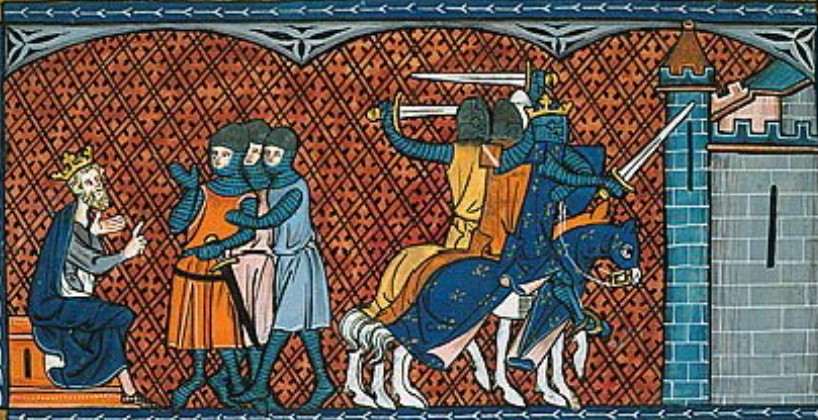
Philip seemed to still have no interest in having Ingeborg as his wife. He did, however, want to have a claim to the throne of the Kingdom of England. He realized that the way to this throne would be easier because of Ingeborg’s ties to the Danish throne. Suddenly Philip wanted his wife back. But after all he’d done to her, did she really want to be with him? What did she see in him anyway?
 Picryl
41. He Was Handsome
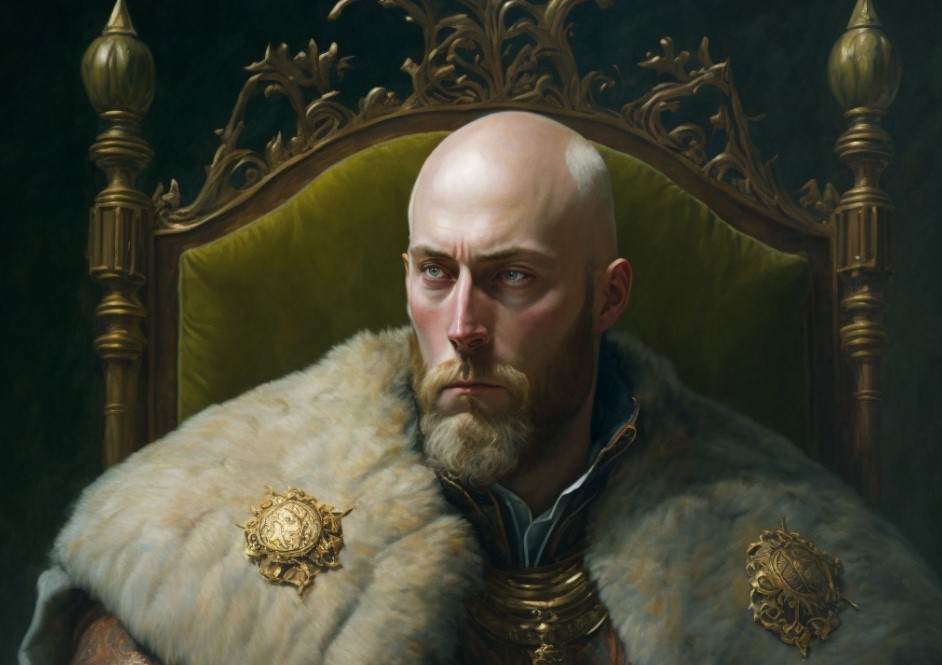
Philip, in spite of treating women badly, was a bit of a catch. By this age, he already had no hair, but people described him as “a handsome strapping fellow”. He enjoyed living well, which included drinking and fooling around with women. Sounds to me like a young Bruce Willis. But what about his personality, what was that like?
42. He Was Generous
Philip may have locked his wife in a tower, but to his friends he was generous. If he didn’t like you, however, you didn’t get much from him. He was quick to judge and was good at strategizing. When he came across a powerful man, he’d be very tough. If he came across someone poor, he’d likely feed them. Also, as we’ll see next, he held a grudge: even against someone as important as the Pope.
 The Lion in Winter (1968), Haworth Productions
43. He Paid Him Back
While the Pope had sometimes supported Philip—and other times not—it was now time for the Pope to need a favor from Philip. There was a group of people in Languedoc who were living a life that went against everything the Catholic Church preached. The Pope asked Philip to help him straighten them out—with whatever force was necessary.
Philip seemed to only remember the times when the Pope didn’t have his back, and so he gave him the same treatment.
 Picryl
44. He Built A Lot of Stuff
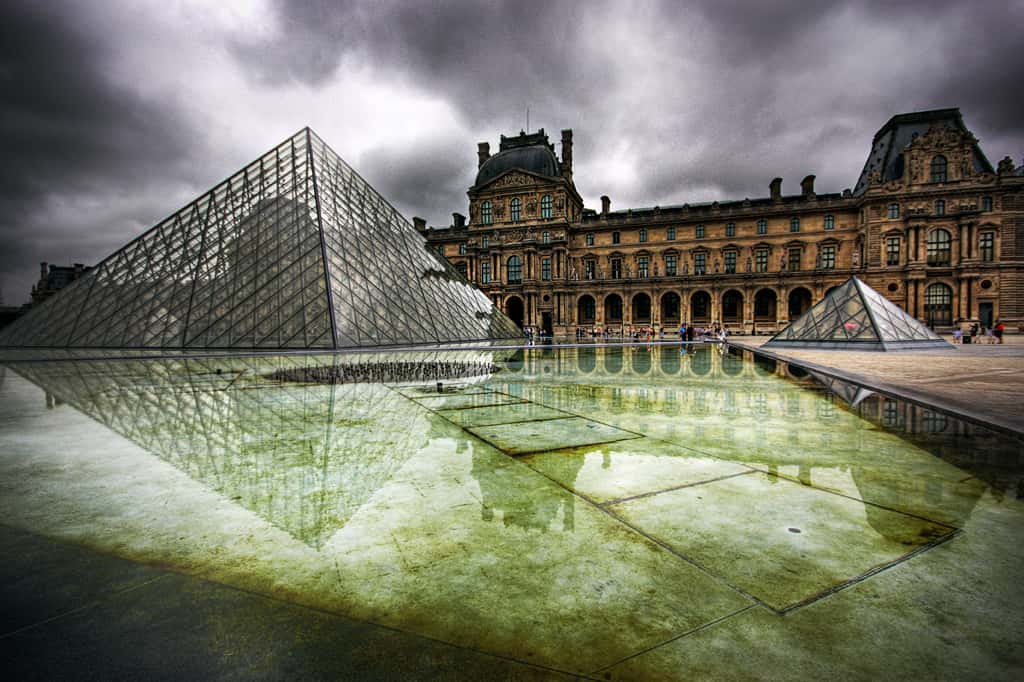
So, what good, if anything, did Philip do for France? He actually did quite a bit. One of the biggest and most useful was to get workers to pave the streets of Paris. He also built the marketplace, Les Halles. While Notre Dame de Paris was already under construction when Philip became King, he did make sure that they completed it. He also oversaw the construction of the Louvre. Of course, back then it wasn't an art gallery but a fortress.
All this construction was a huge boon for Paris and remains a draw for tourists today.
45. He Helped with Education and Drinks
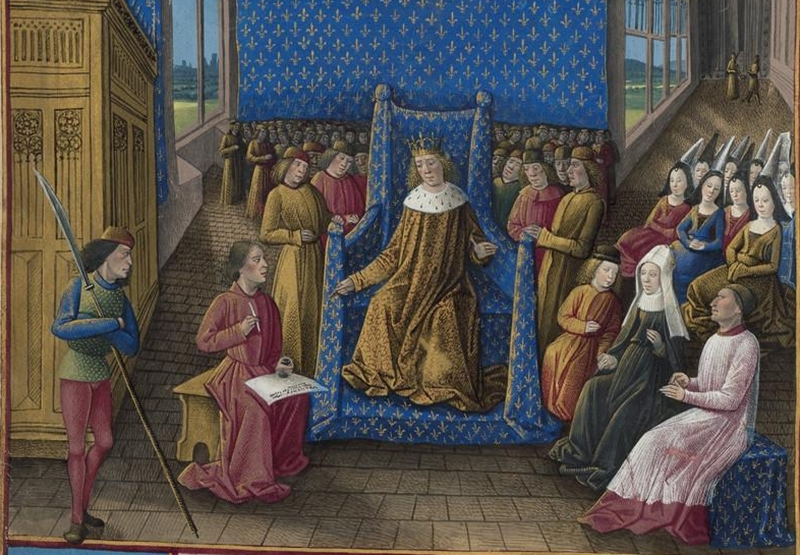
Another area that Philip worked on was education. The University of Paris received a charter from Philip, and Paris became known as the “first city of teachers”. People were comparing it to Athens as far as being a great world civilization. He also helped the grape-crushing industry by creating The Battle of the Wines: a competition that helped make France a leader in all things red, white, and rose.
Probably the biggest change Philip made, however, was how France looked on a map.
46. He Stretched It
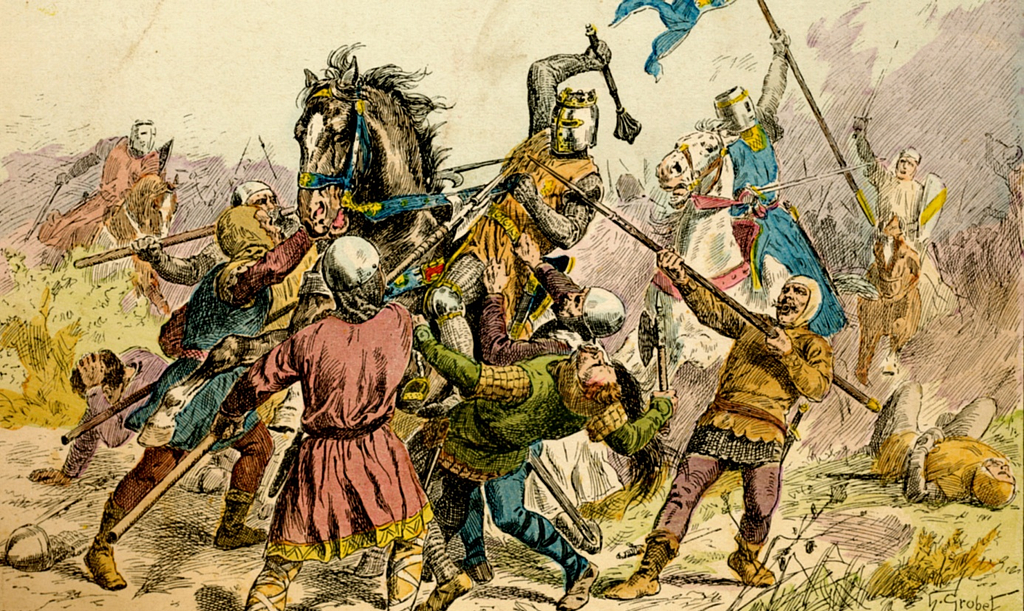
Before Philip, France was a third of the size it was after his reign. Through his sheer will and hard work, he got a hold of the land north of Loire that had long belonged to the English. This was a vital move as it got France to the sea in the north. He really did manage to bring France closer to how we see it on the map today. And what about that deep dark secret? It’s coming up next.
47. He May Have Played For the Other Team
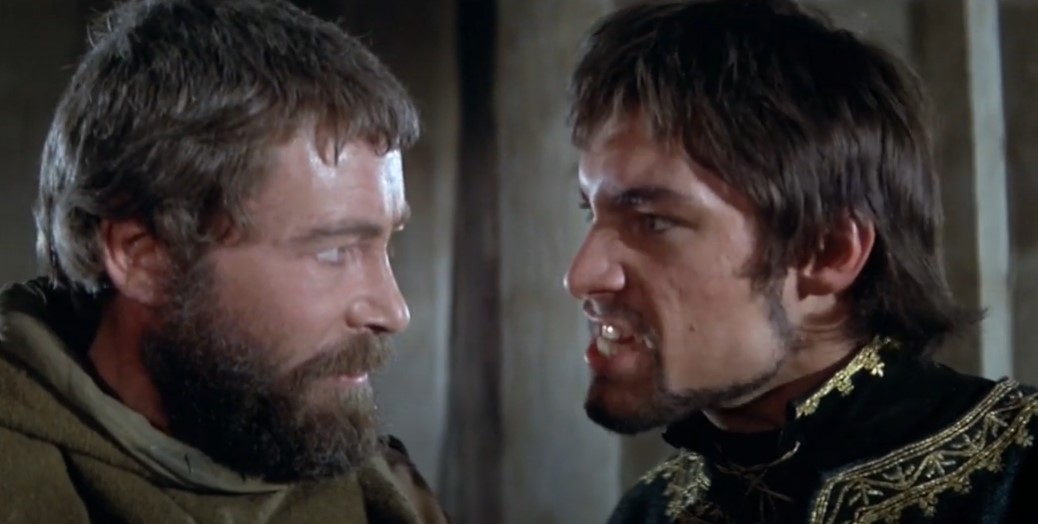
No one ever figured out why Philip turned his back so strongly against some of his wives. In his 1966 stage play, The Lion in Winter, playwright James Goldman shed some light as to why. The play suggests that maybe Philip didn’t like women at all. In the play, Philip and Richard the Lionhearted are in fact lovers. Shocker! But is there anything behind this theory at all?
48. They Shared A Bed
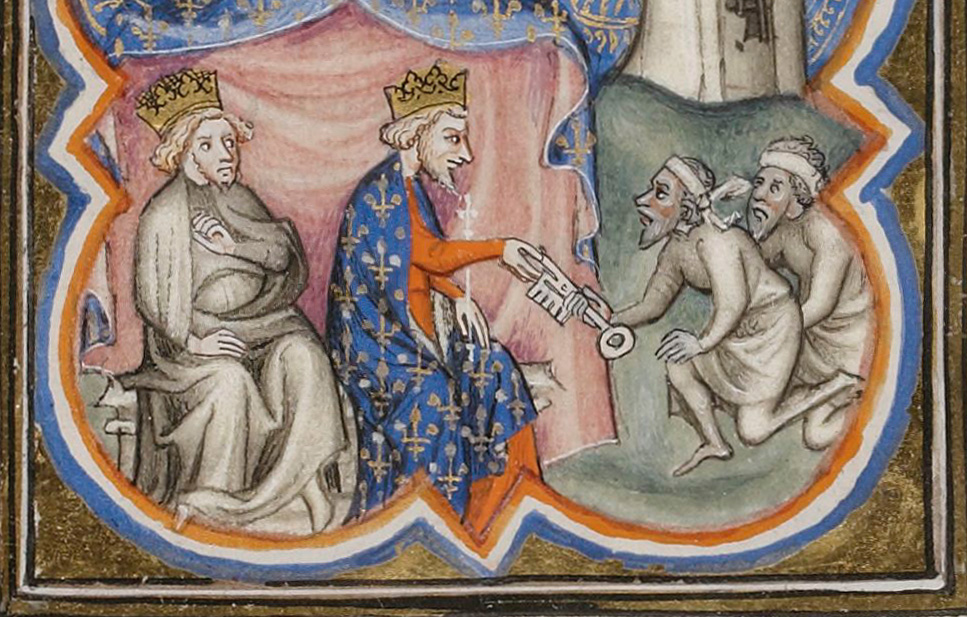
There is something in the records that suggests that Philip and Richard were lovers. Apparently, the two kings spent at least one night together in the same bed. Let’s remember, one night between two men in a bed hardly makes Philip gay. But wait a minute: this is the only night that we know about—there may have been many more. On the other hand, some call the night more of a stunt in order to unify France and England and have even compared it to a “photo op”.
Sadly, I guess we’ll never know the truth.
49. He Felt Ill
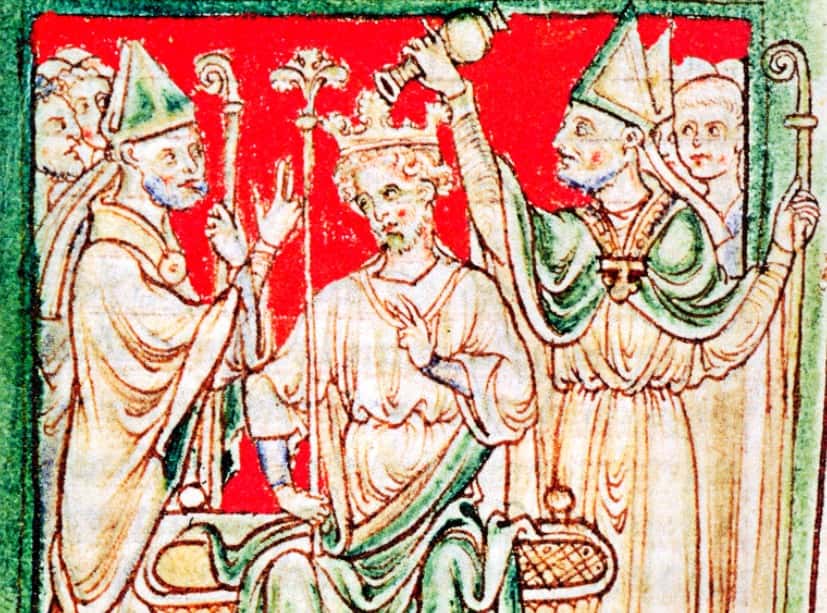
In September 1222, when he was 57 years old, Philip became ill. Thinking it was the end, he wrote out his will. His sickness continued through to the next year, and his fever just got worse in the summer’s intense heat. When he started to feel a little better, he decided to take a trip to Paris. Halfway through his journey—in Mantes-la-Jolie—he passed. He was 58 years old.
50. He Had A Last Word
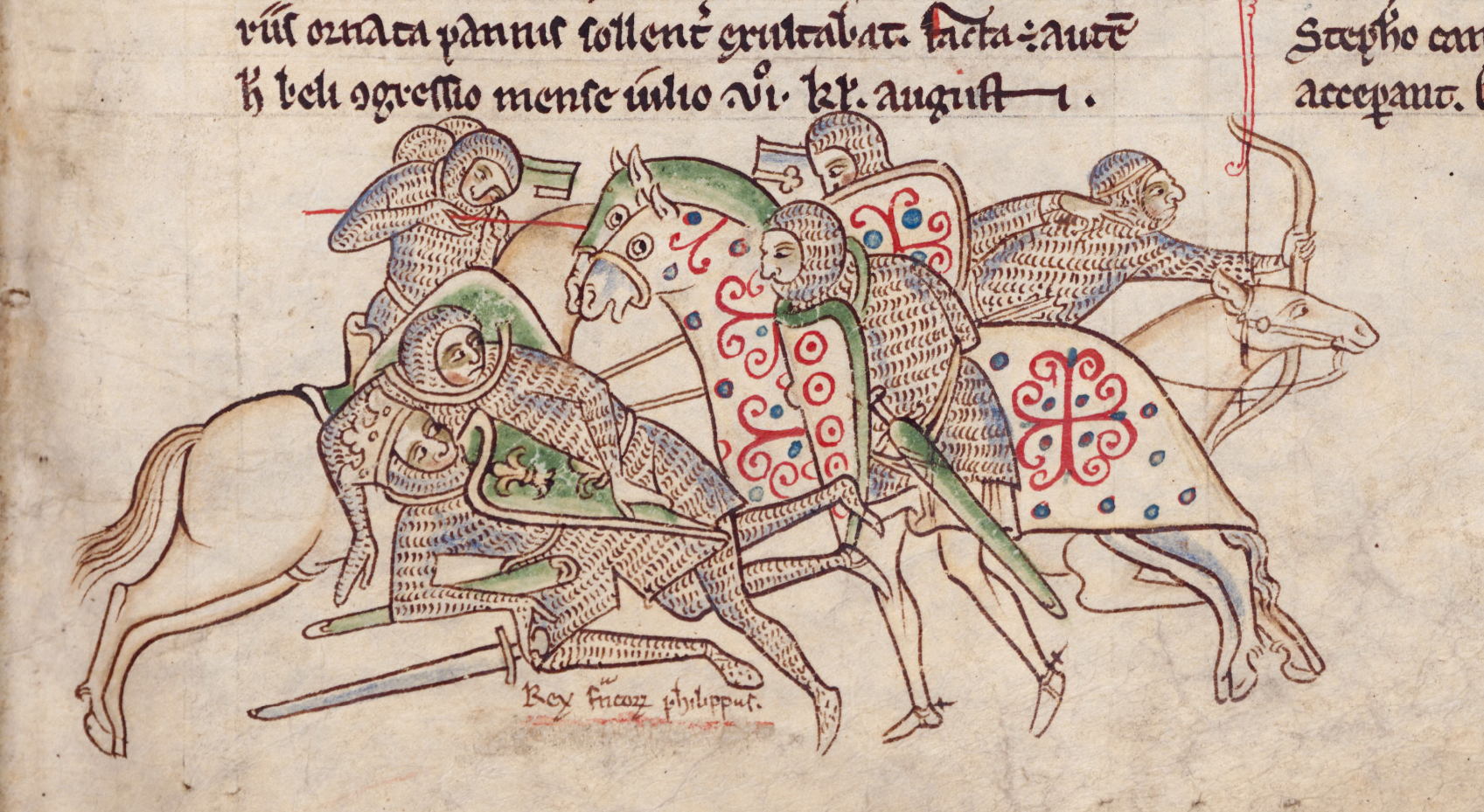
Before he passed, Philip had a chance to speak to his son, and the future king, Louis VIII. He told his son to treat Ingeborg well. Because of this parting message, Ingeborg could at least enjoy her remaining years. She’d been captive in castles and in a tower for 20 years, and she now lived as the legitimate Queen of France. Incidentally, she outlived Philip by a whopping 14 years.


.jpg)
.png)


